admin
If a closet door sticks when you close it or will not stay shut, the ball catch may need a small adjustment. Learning how to adjust a ball catch can often solve the problem without removing the door or replacing the hardware. This guide explains how the catch works, how to adjust its height, and what to do if the mechanism is damaged.
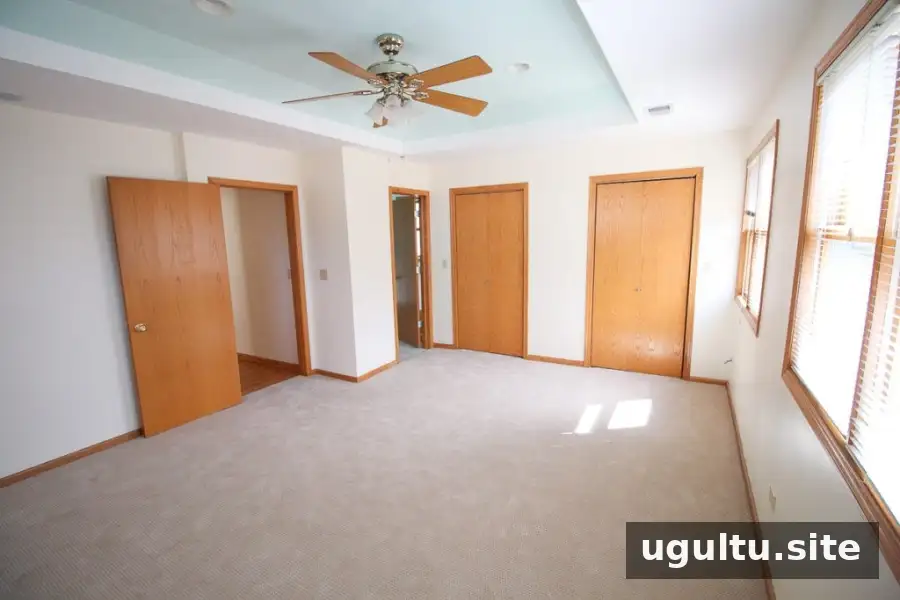
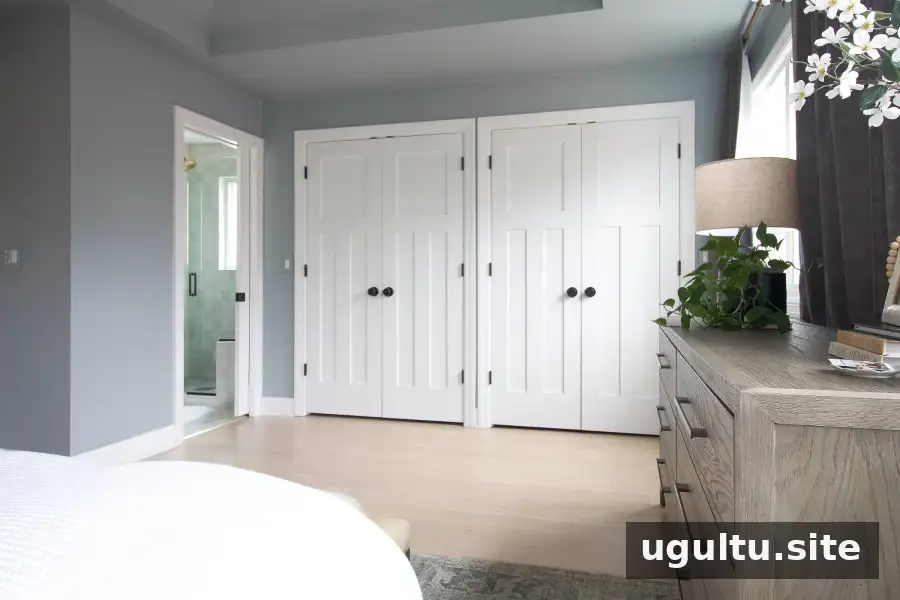
Ball catches are commonly used on pairs of interior doors, including French-style closet doors. Unlike a latch operated by a turning knob, this hardware holds a door closed through spring tension. Make small adjustments and test the door between each change to avoid raising or lowering the catch too far.
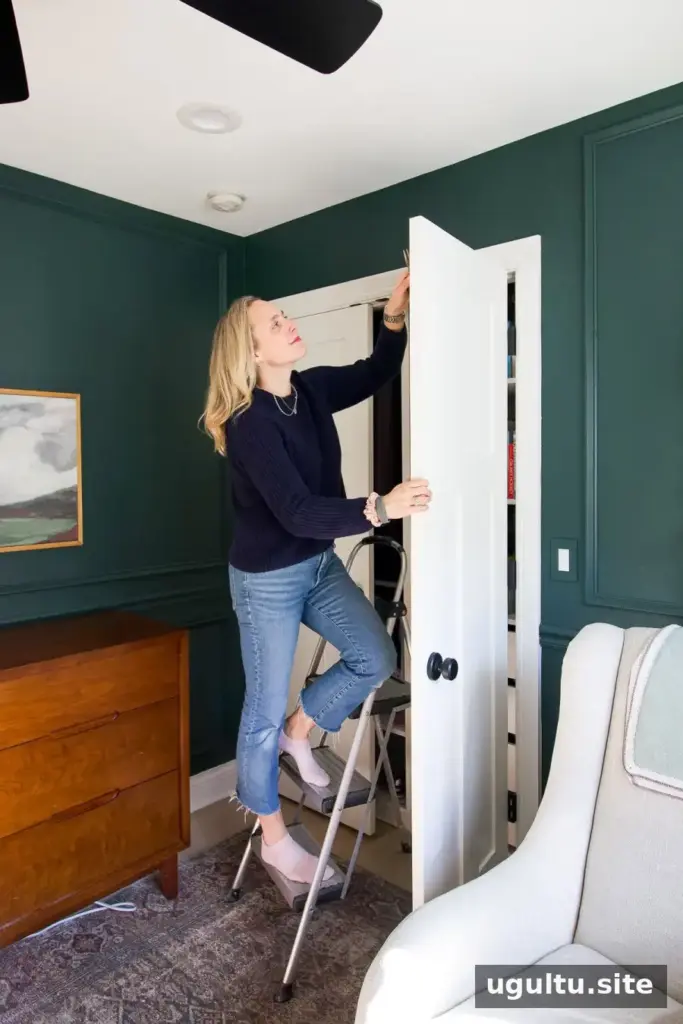
How to Adjust a Ball Catch on a Door
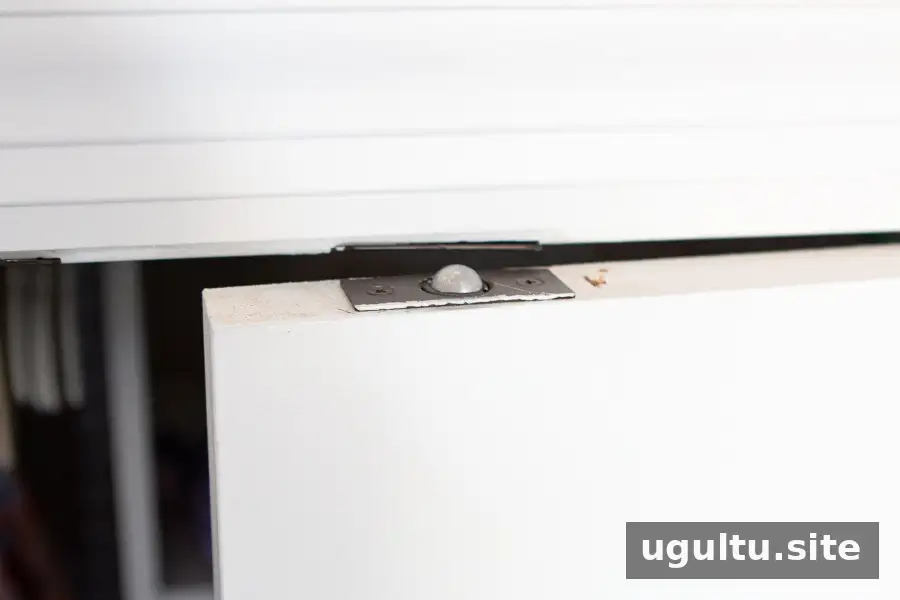
Before adjusting anything, identify the parts. Open the door and look at its top edge. You should see a small metal ball catch fitted into the door, along with a strike plate on the door frame. When the door closes, the spring-loaded ball settles into the opening in the strike plate.
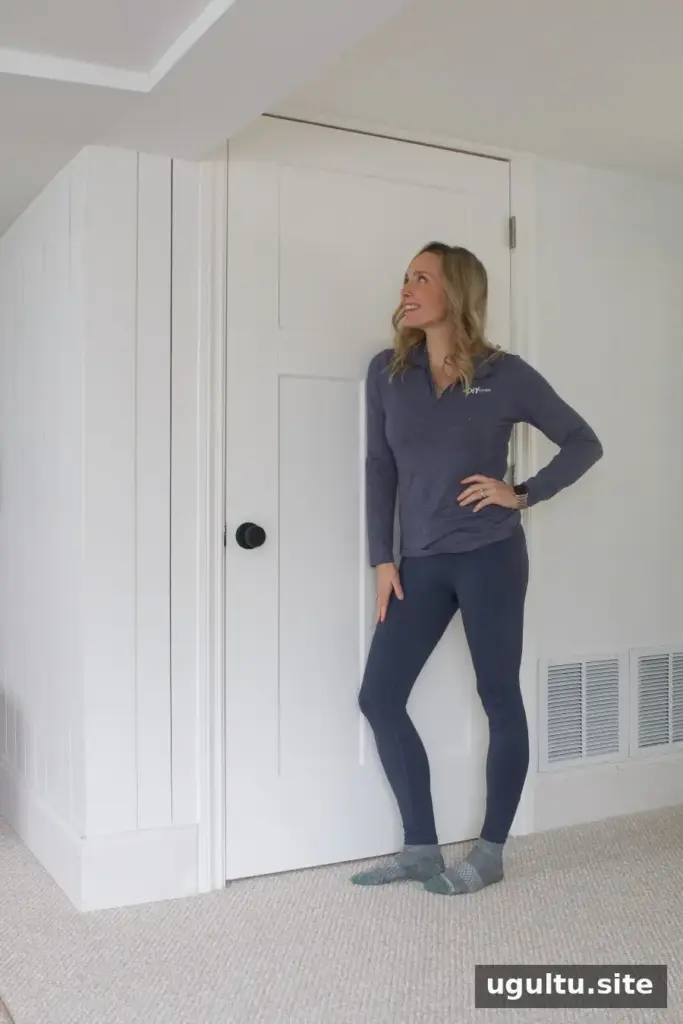
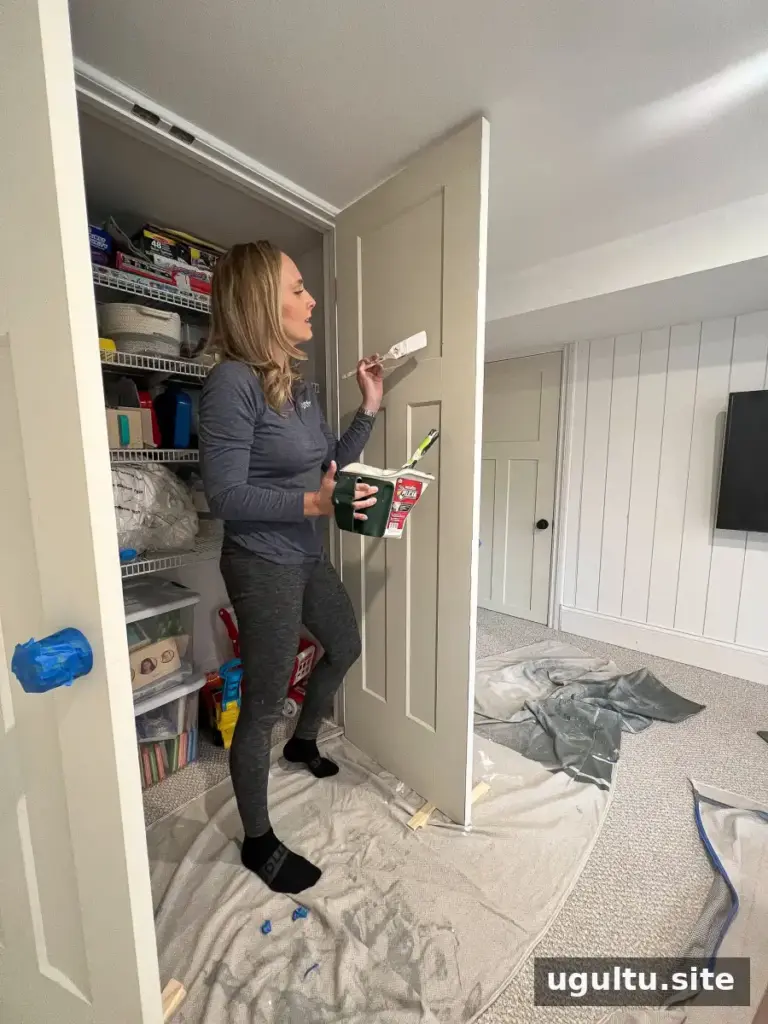
Some doors have decorative or non-turning knobs, so the ball catch provides the holding action. The door should close without excessive force and remain shut without feeling difficult to pull open. If the ball or its housing appears loose, cracked, or damaged, adjustment alone may not solve the issue.
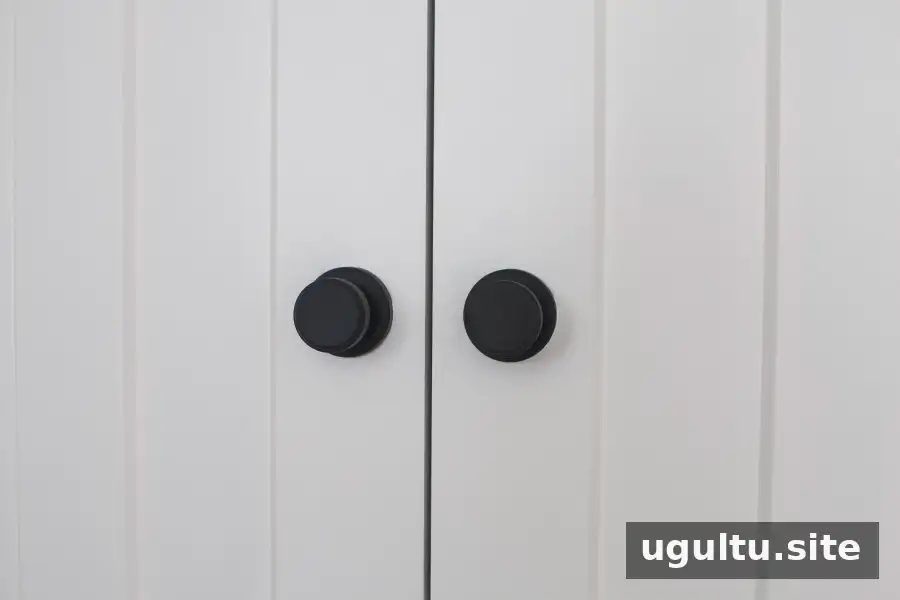
Keep the surrounding door hardware and finish in mind while working. Use a stable stepstool if you need extra height, and make sure the door is supported and does not swing unexpectedly. Avoid forcing the catch or using tools that could scratch the finish.
Tools and Quick Checks
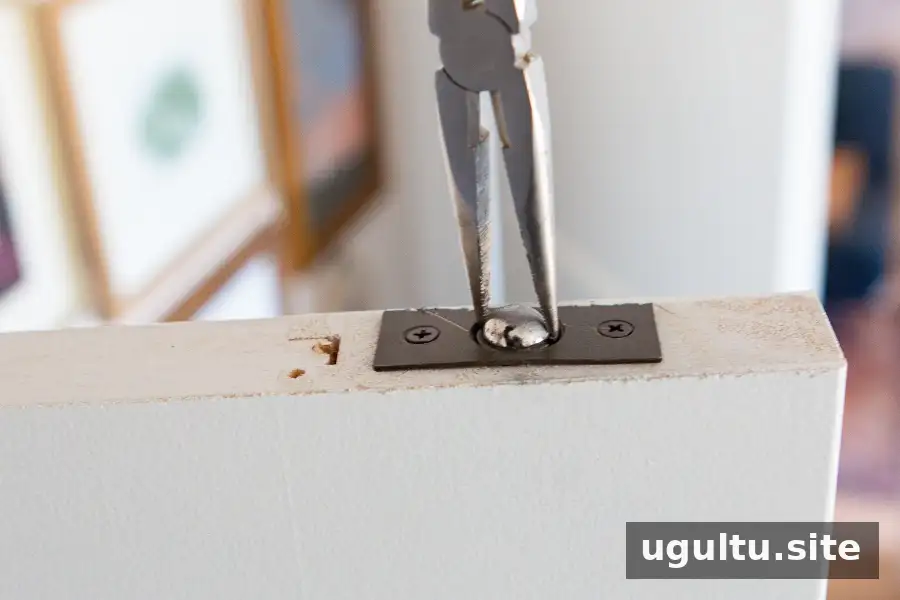
For a typical adjustable ball catch, needle-nose pliers are enough. Before turning the catch, check whether the strike plate is aligned with the ball. If the door has shifted or the plate is loose, the misalignment may be the real cause of the problem.
- Open the door and locate the notches on the ball catch.
- Use needle-nose pliers to grip the notches gently.
- Turn the catch a small amount, then close the door to test it.
Make adjustments gradually. A small turn followed by a test is easier to correct than a large change made all at once.
If the Door Sticks or Is Hard to Close
If the door takes too much force to close, the ball catch may be set too high, creating too much tension against the strike plate. Grip the notches with needle-nose pliers and turn the catch clockwise a few times, as viewed from above. This lowers the catch. Close the door to check whether it moves more easily, and repeat in small increments if needed.
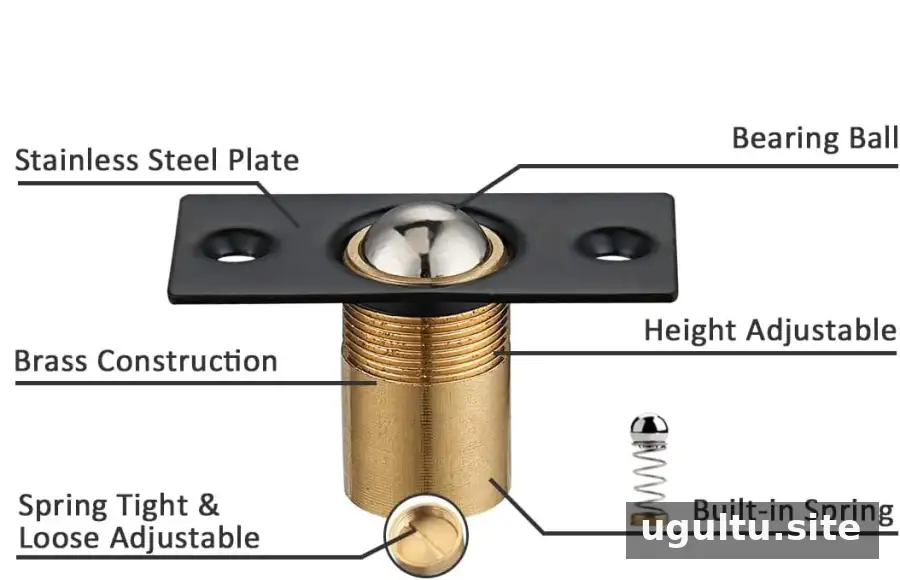
Do not force the door if it still resists. Check that the ball lines up with the strike plate and that the door is not rubbing against the frame. Hardware designs can vary, so consult the product instructions if the catch does not respond as expected.
If the Door Will Not Stay Shut
If the door closes but does not remain closed, the ball catch may be too low to engage the strike plate firmly. Turn it counter-clockwise a few times, as viewed from above, to raise it and increase the engagement. Test the door after each small adjustment.
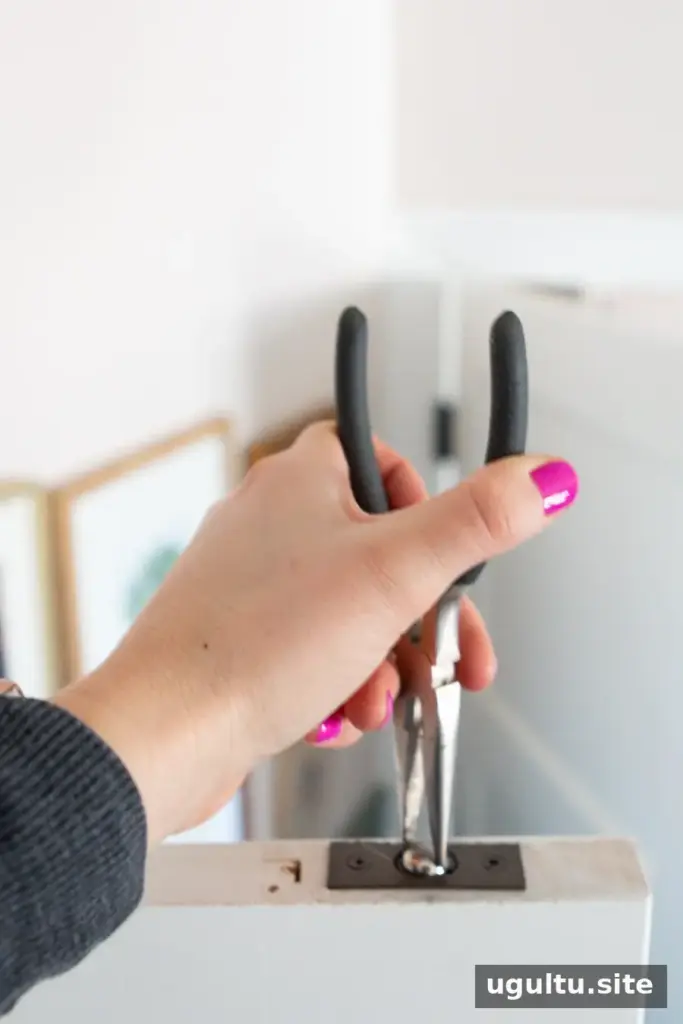
A properly adjusted door should stay shut but still open with a reasonable pull. If raising the catch does not help, inspect the strike plate for looseness or misalignment.
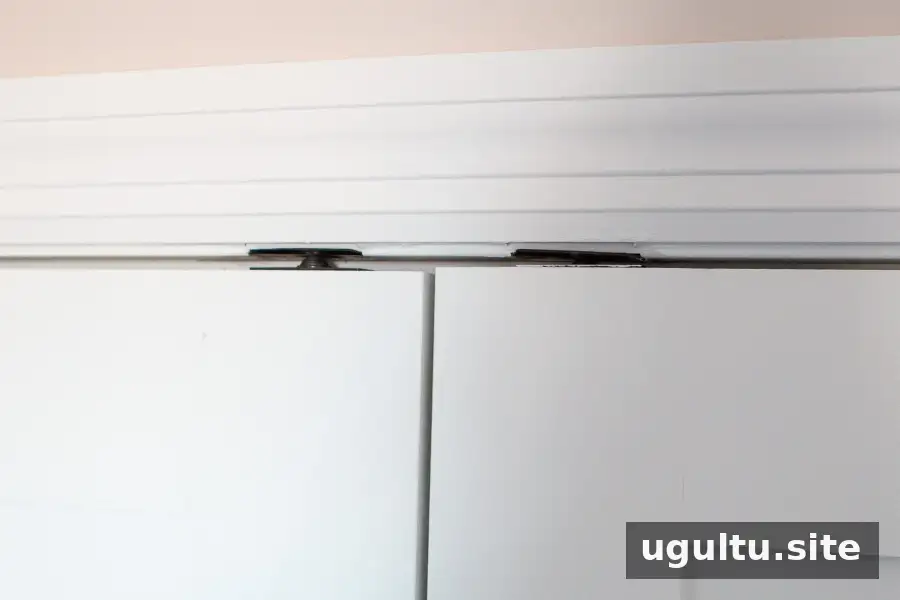
When to Replace a Ball Catch
Adjustment is not always the answer. A ball that repeatedly comes out of its housing, a damaged spring, or a worn mechanism can prevent the door from working reliably. In these cases, replacing the ball catch may be more practical than trying to repair the old one.
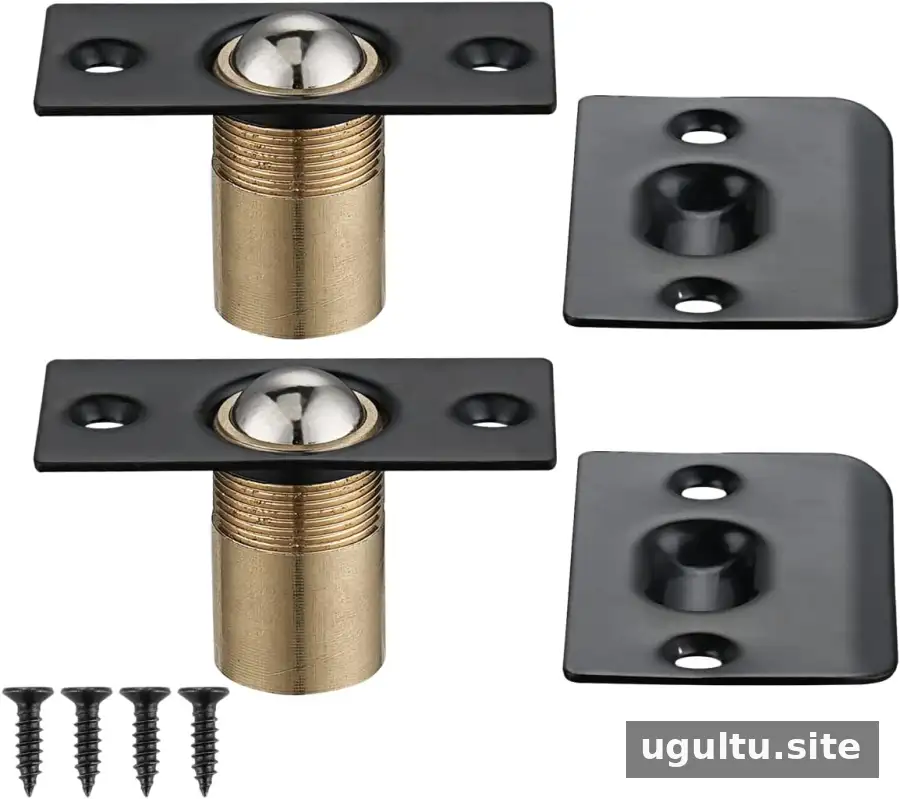
Replacement kits are available from hardware retailers. In the example of a straightforward replacement, the existing catch was removed with a small screwdriver and a new unit was fitted in its place. Check the instructions supplied with the replacement, since fitting details may differ between products. If the new catch does not sit securely or align with the strike plate, pause and correct the fit before using the door.
Final Checks After Adjusting a Ball Catch
Once you adjust a ball catch, open and close the door several times. Confirm that it engages the strike plate, stays shut, and opens without excessive force. If the door continues to stick, inspect the alignment and mounting screws rather than continuing to turn the catch.
This small repair can often restore smooth operation with only a few careful turns. Keep a note of any adjustment or replacement you make, along with the hardware type, so future maintenance is easier to track.