
 admin
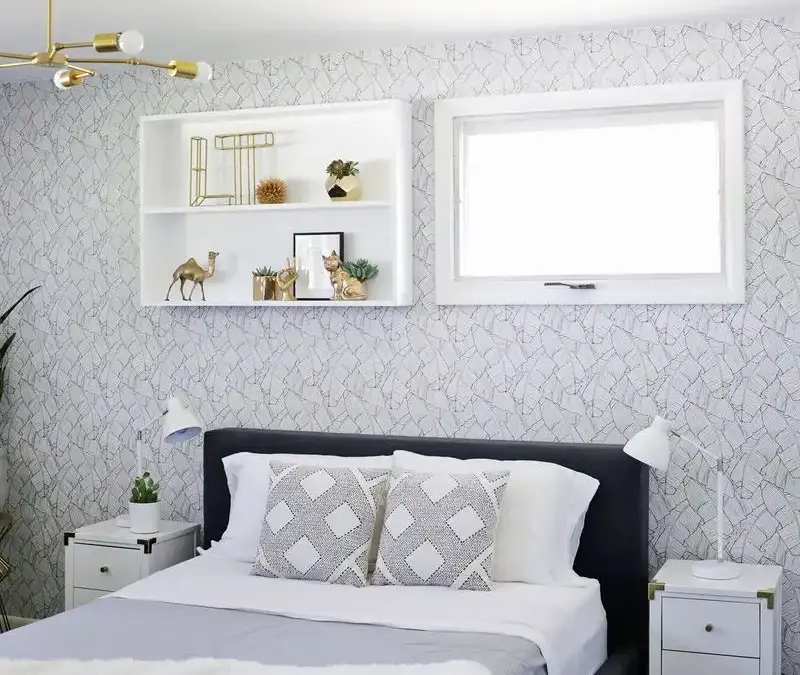
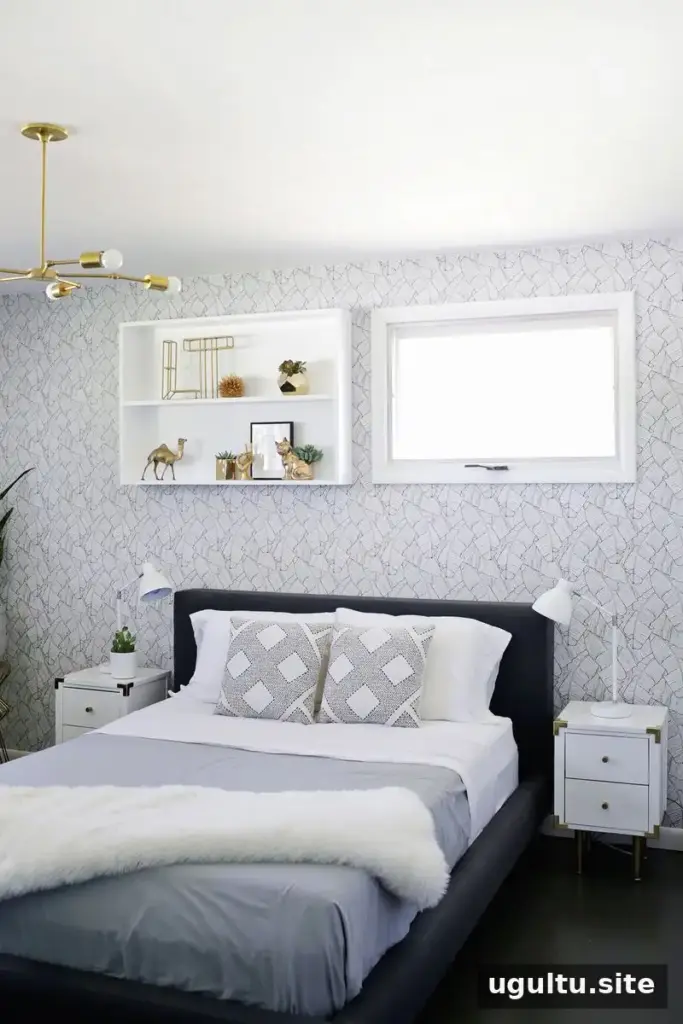
A room with plenty of natural light can feel welcoming, but smaller or off-center windows can make furniture placement and visual balance more challenging. If you have an awkwardly placed window above or beside a bed, you can make the wall feel more intentional by adding an element of similar visual weight on the opposite side. A simple box shelf can echo the window’s shape, provide display space, and help the whole arrangement read as one coordinated feature.
How to balance an awkwardly placed window
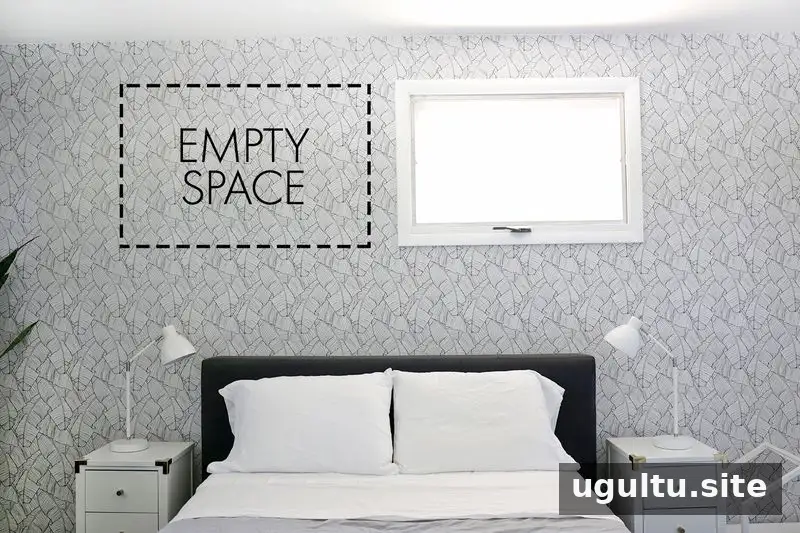
In this bedroom, the bed is centered on the only practical wall, while the window sits noticeably to the right. The space on the left looks comparatively empty. Filling that corresponding area can make the window and the added feature feel like parts of a single composition rather than a lone opening set off to one side.
Options include a small gallery wall, several open shelves, hanging plants, or a box shelf. Consider the wall’s existing details before choosing: busy wallpaper may look less cluttered with a solid-backed shelf, while a simpler wall can accommodate open shelves or artwork. Measure the area first and keep the arrangement visually aligned with the bed.
Build a box shelf to match the window
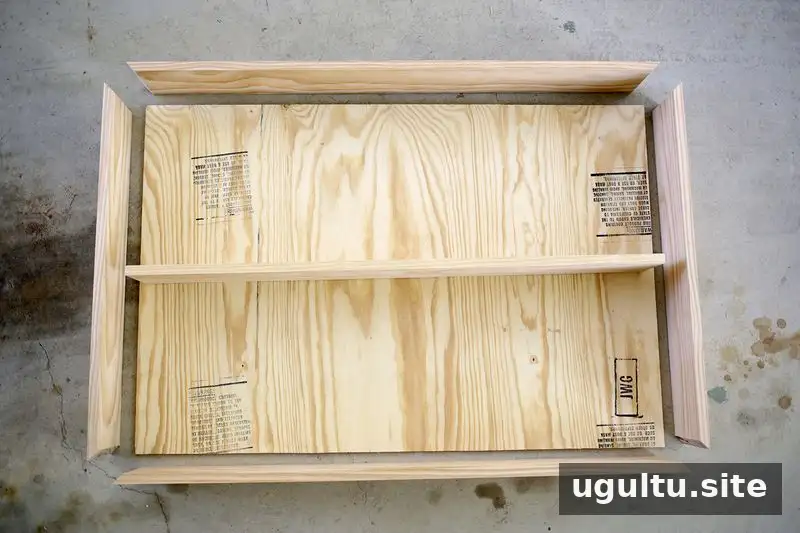
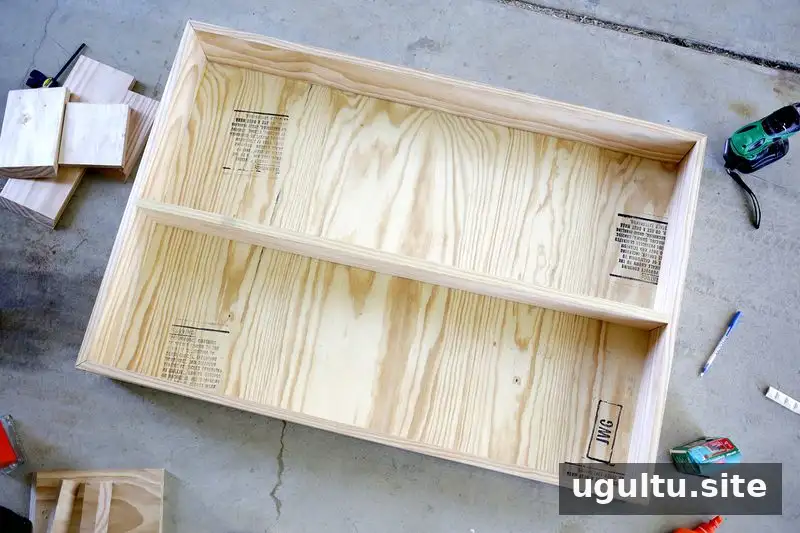
A box shelf painted to match the window trim can create a balanced look. For this project, the materials were a 1/4-inch-thick plywood back and boards that were 1/2 inch thick and 5.5 inches wide. The plywood was cut to the window’s dimensions. The shelf boards formed the sides, top, bottom, and middle divider.
You can request straight cuts at a home improvement store or cut angled joints at home with a miter saw. For straight-cut construction, make the side pieces the full height of the box. Then subtract the thickness of both side boards from the overall width to find the length of the top, middle, and bottom pieces. For example, a box that is 20 inches high and 30 inches wide, made with 1/2-inch-thick boards, needs two 20-inch sides and three 29-inch horizontal pieces.
For angled joints, measure each piece by its longest edge so the finished box matches the intended height and width. A separate straight-cut piece can be fitted between the sides as the middle shelf. Check all measurements and dry-fit the pieces before applying glue.
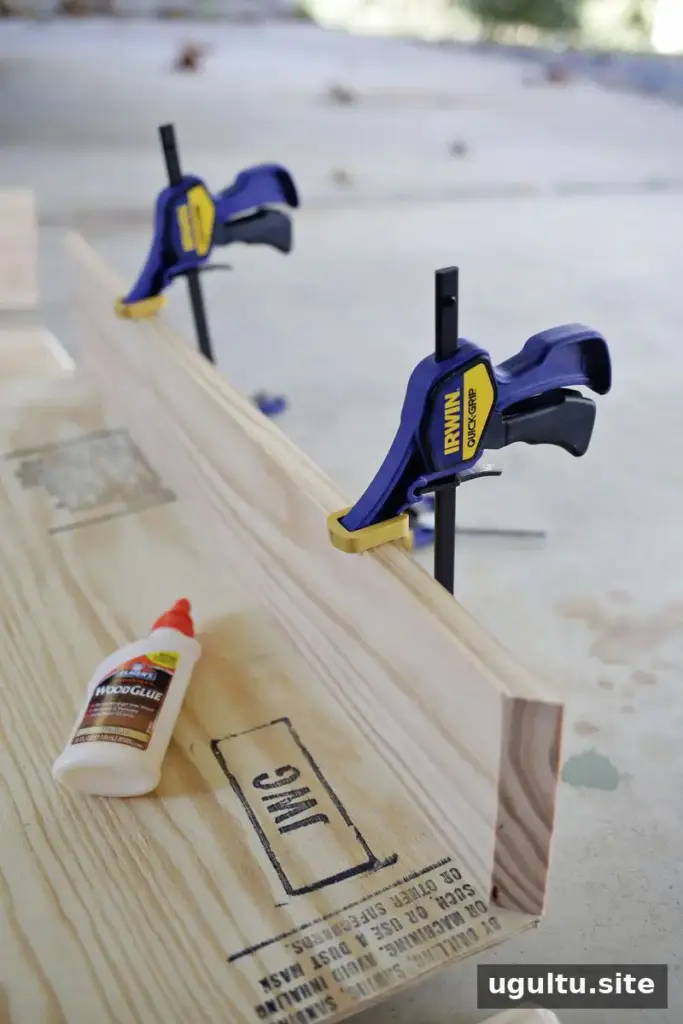
Apply glue at the joints and use clamps to hold the boards steady while the adhesive dries. Follow the glue’s drying instructions, and check that the corners remain aligned.
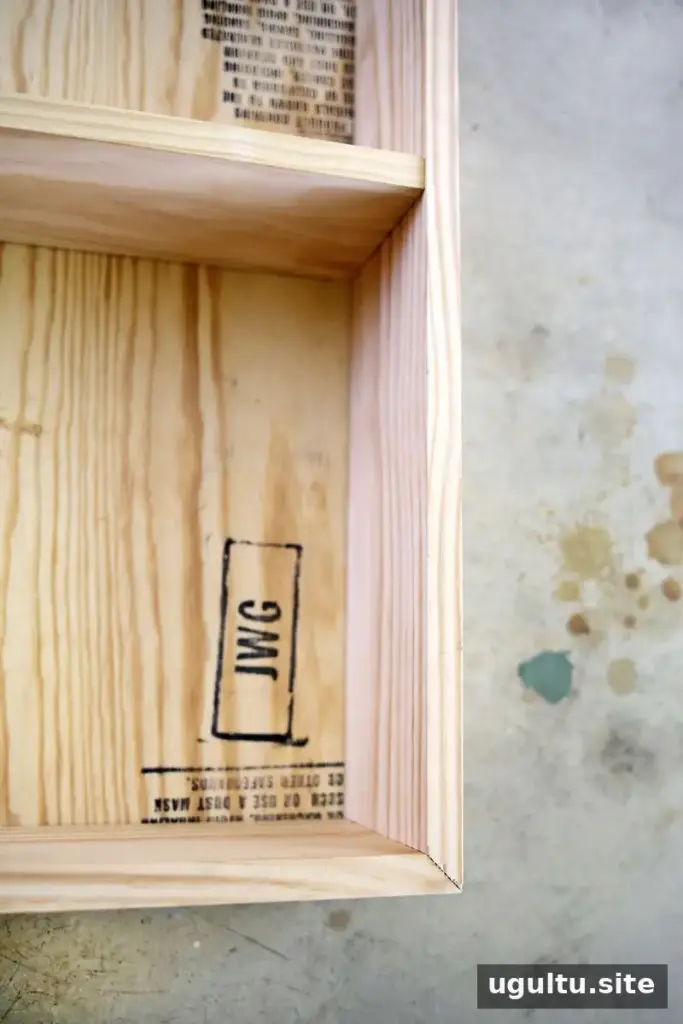
Secure and finish the shelf
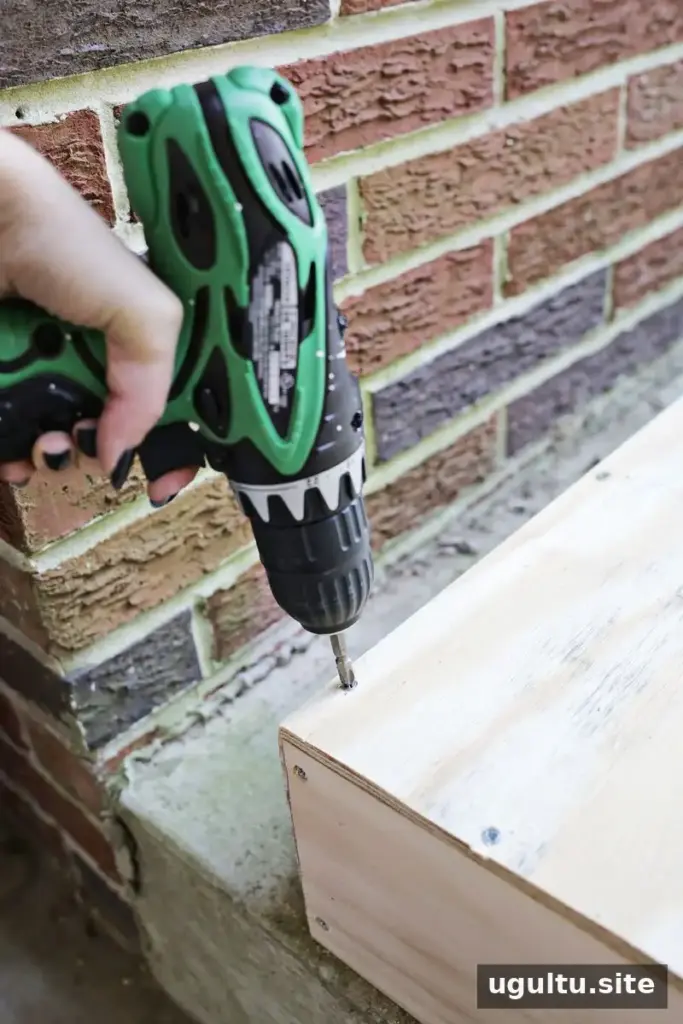
After the glue has set, attach the plywood back with 1 1/4-inch wood screws. Screws can also be driven through the top and bottom to reinforce the edge joints. To conceal screw heads, pre-drill a pilot hole, then carefully make a shallow recess slightly wider than the head. Once the screw is in place, fill the recess with wood filler, let it dry, and sand it smooth.
Fill any visible gaps, paint the shelf to coordinate with the window trim, and install keyhole fasteners for hanging. Choose suitable wall anchors and fasteners for the shelf’s weight and the type of wall. Because a shelf above a bed could cause injury if it falls, make sure the mounting hardware is properly secured and the shelf is not overloaded.
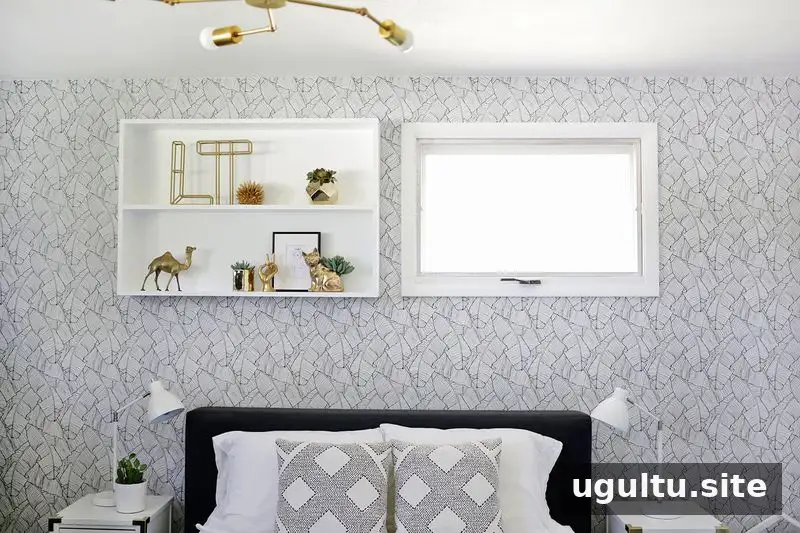
Finish the room with a balanced arrangement
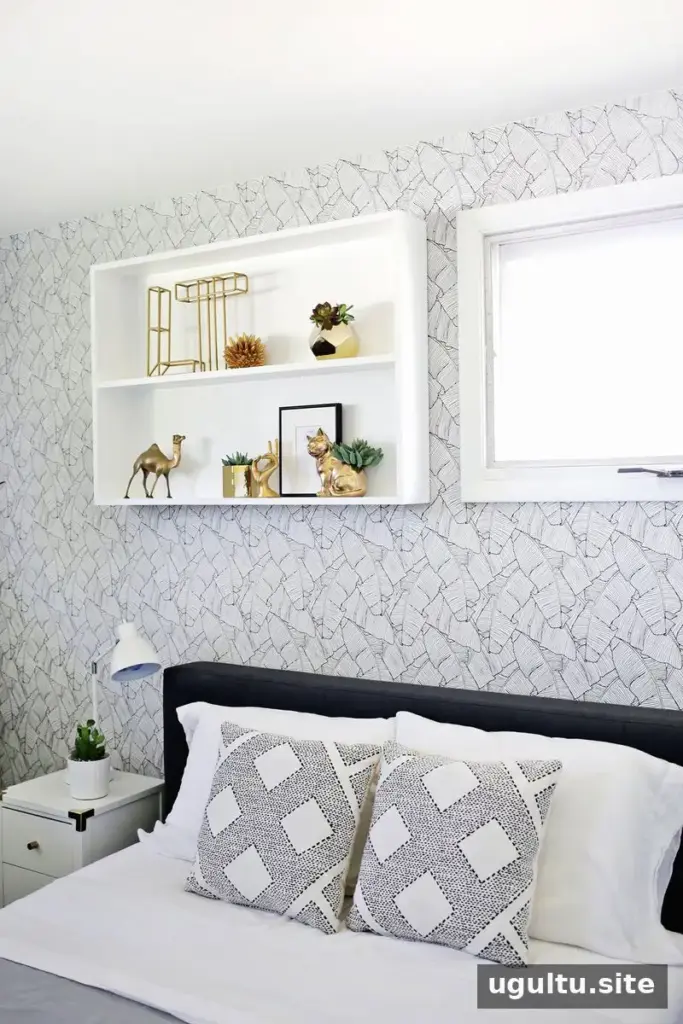
A box shelf can help balance an awkwardly placed window by repeating its size and shape on the other side of the wall composition. It also adds a solid area against patterned wallpaper and creates space for plants or small decorative objects. If building a shelf is not the right fit, a gallery wall, multiple smaller shelves, or a considered grouping of hanging plants can achieve a similar visual effect. Keep the arrangement proportionate to the window and bed, and prioritize secure installation for anything mounted overhead.
— Laura
Related window projects
- Painting stone window sills
- Filling in a pass-through or interior window


