
 admin
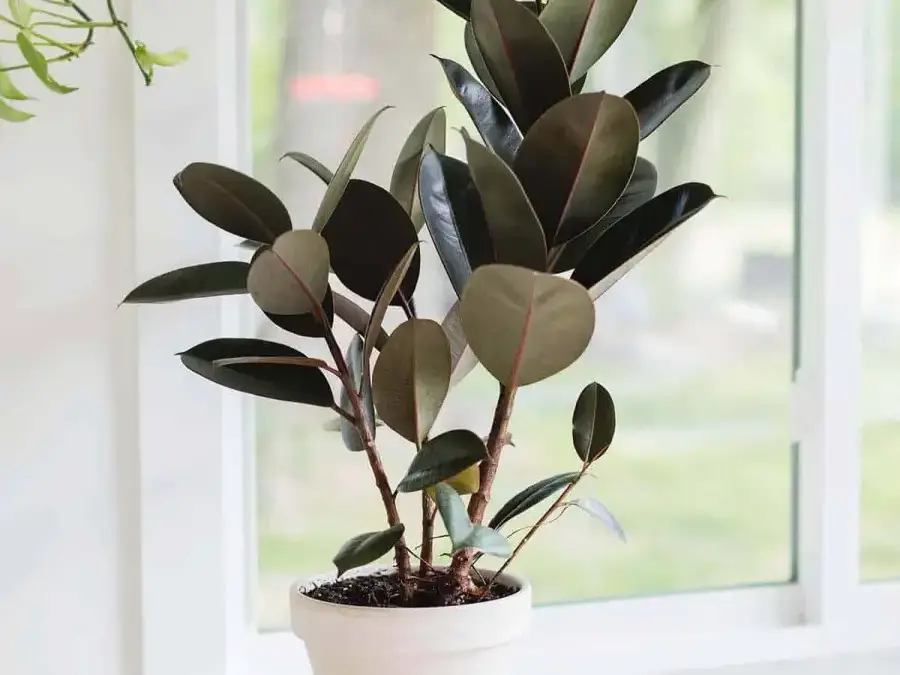
Rubber tree care is straightforward when the plant has suitable light, well-draining soil, and a consistent watering routine. Also known as Ficus elastica, the rubber tree is native to India and parts of tropical Asia. Its glossy, leathery leaves and upright shape make it a distinctive houseplant, and it can grow up to 10 feet tall indoors, sometimes taller.
Potting a Rubber Tree
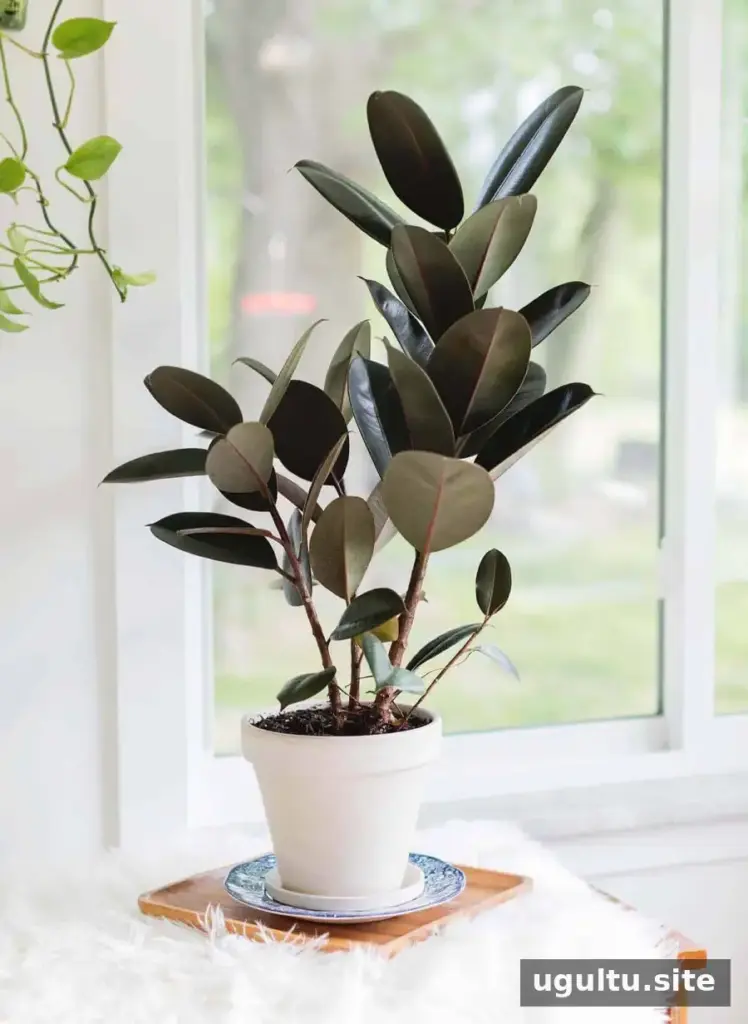
Rubber trees generally do well in a pot that is only slightly larger than their root system. Choose a container that leaves about 2 inches of soil around the root ball rather than moving the plant into an oversized pot. Make sure the pot has a drainage hole so excess water can escape.
Unglazed earthenware can help soil dry more quickly, while glazed pots retain moisture for longer. Either can work if you monitor the soil and use a pot with drainage. Choose a well-draining indoor potting mix; adding perlite can improve aeration.
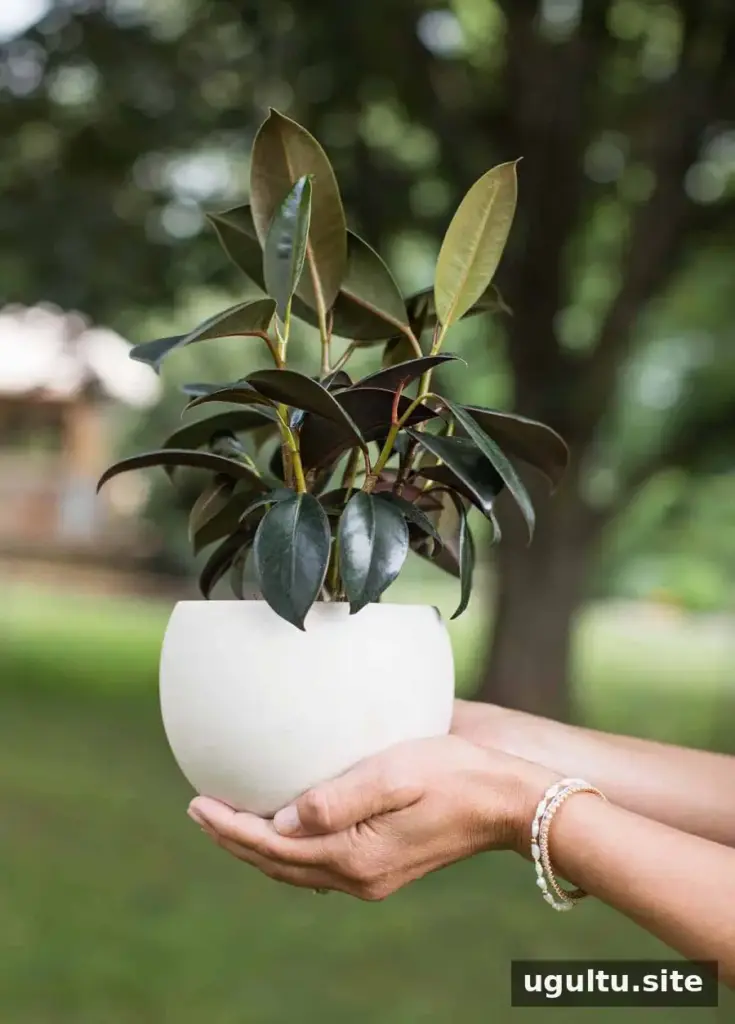
Set the plant upright in the pot and fill around the roots with soil, keeping the plant steady as you work. Once potted, place it where it will stay, since changes in location or repotting may cause temporary leaf drop. A few fallen leaves after a move can be part of the plant adjusting to its new conditions.

Light and Placement
Place a rubber tree in medium to bright indoor light. Brighter light generally supports faster growth, while a dim location can cause the plant to become leggy as it stretches toward a light source. If the stems are reaching, try a brighter spot and monitor the leaves as the plant adjusts.
Keep the plant away from drafts, heating or cooling vents, and direct airflow from an air conditioner. Rubber trees typically grow well at indoor temperatures of 60–70°F. A mirror near the plant or light-colored walls may help reflect available light in a dim room.
Extra care for variegated varieties
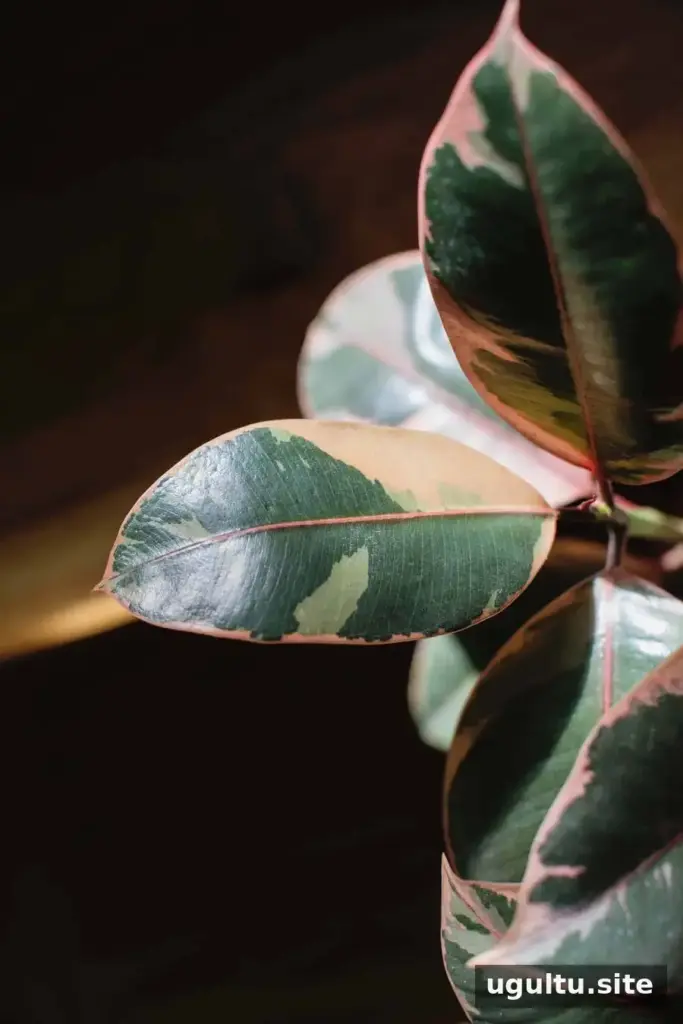
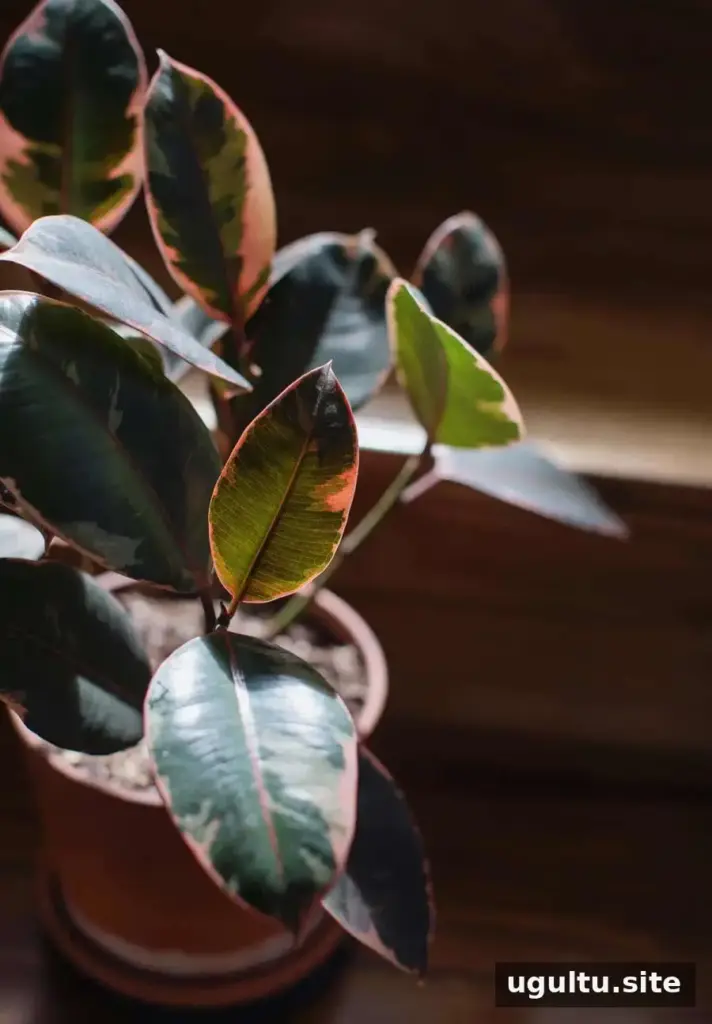
Variegated rubber trees, including tricolor types with green, white, and pink leaves, often need brighter light than non-variegated plants. The lighter leaf areas have less chlorophyll and can be more vulnerable to damage. Watch for browning at the tips or edges, which may indicate that the plant is receiving too much intense light.
Dust on leaves can reduce the light reaching their surfaces. Check the foliage every few weeks and gently wipe mature leaves with a damp cloth. Support each leaf from underneath while cleaning, and handle new leaves carefully because they are delicate and can be damaged easily.
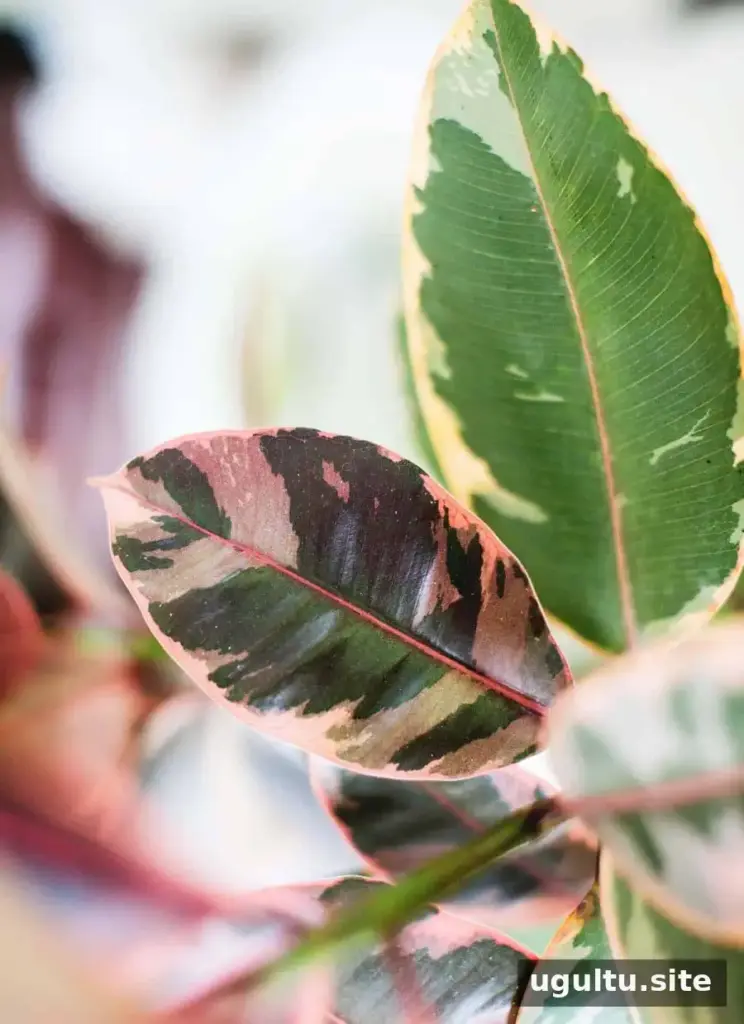
If a leaf or branch is damaged, a white, sap-like liquid may appear at the break. This is normal, but it can irritate some people’s skin. Wash your hands if you come into contact with it.
Watering a Rubber Tree
Let the soil dry between waterings, but avoid allowing it to become completely dry for extended periods. A practical check is to feel the soil 3–4 inches below the surface. Water when it has dried sufficiently, then let excess water drain freely. Empty the saucer so the pot does not sit in standing water.
The top two-thirds of the soil can be allowed to dry before watering again. If water runs straight through the potting mix, check whether the soil has become very dry and give it a thorough soak. Adjust how often you water according to your home’s humidity and climate; a fixed calendar schedule may not suit every growing space.
Overwatering and waterlogged soil can cause root rot. Drooping leaves can indicate that the plant needs attention, so check the soil before watering rather than relying on leaf appearance alone.
Pruning and Shaping
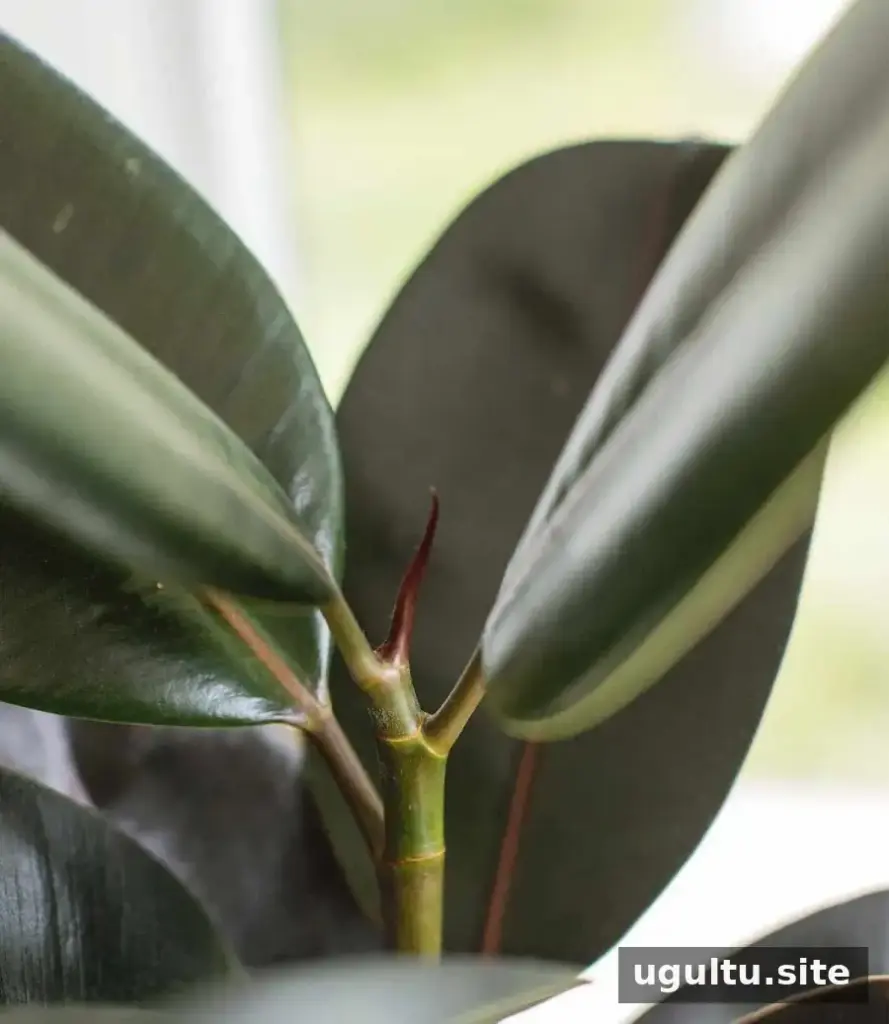
An unpruned rubber tree can develop a tall, single trunk. If you prefer a fuller shape, pinch off a new growing tip or prune a branch to encourage branching as new growth develops. Use clean pruning tools and avoid removing more growth than needed at one time.
Fertilizing
Feed the plant during its active growing season in spring and summer, and reduce or stop fertilizing in fall and winter. A standard houseplant fertilizer can be suitable. Follow the product label; using about half the recommended amount is one cautious approach because excess fertilizer can damage the plant.
Fertilizer labels list NPK: nitrogen supports chlorophyll production, phosphorus supports root growth, and potassium helps with nutrient processes. If you suspect overfertilizing, water the soil thoroughly to flush excess nutrients through the drainage holes and pause feeding while the plant recovers.
Why Is Your Rubber Tree Dropping Leaves?
A small amount of leaf loss after repotting or moving the plant can occur as it adjusts. Older leaves may also fall as they age. However, several leaves dropping at once can signal a problem such as overwatering, insufficient light, or exposure to a draft.
Yellowing leaves that droop and fall may be associated with overly wet soil. Allow the soil to dry between waterings and make sure the pot drains properly. If the problem continues, inspect the roots. Mushy, black, or very dark roots may indicate root rot.
If you find damaged roots, trim away the dead portions with clean tools and repot the plant in fresh, well-draining soil. Keep it away from standing water while it recovers. Yellow leaves can also be linked to low light, so consider moving the plant to a brighter location if the soil is not staying wet. Check for drafts as well.
Conclusion: Simple Rubber Tree Care
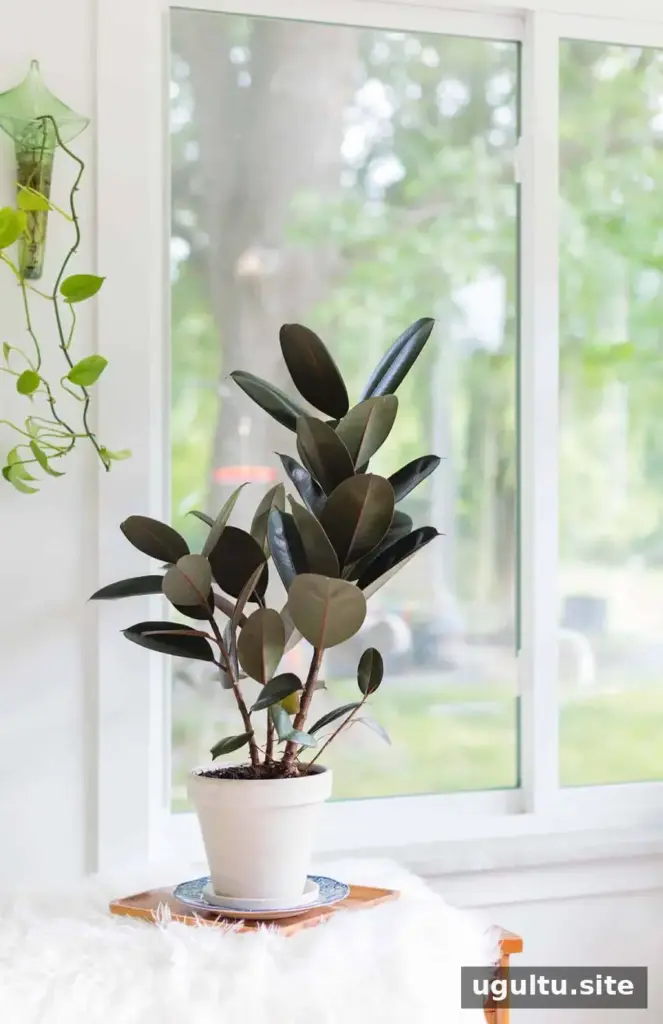
Successful rubber tree care comes down to bright indirect or medium-to-bright light, a draining pot, soil that dries between waterings, and protection from drafts. Check the plant’s leaves and soil regularly, then adjust care to your home’s conditions. With consistent attention, a rubber tree can remain an attractive houseplant for years.
— Janae


