
 admin
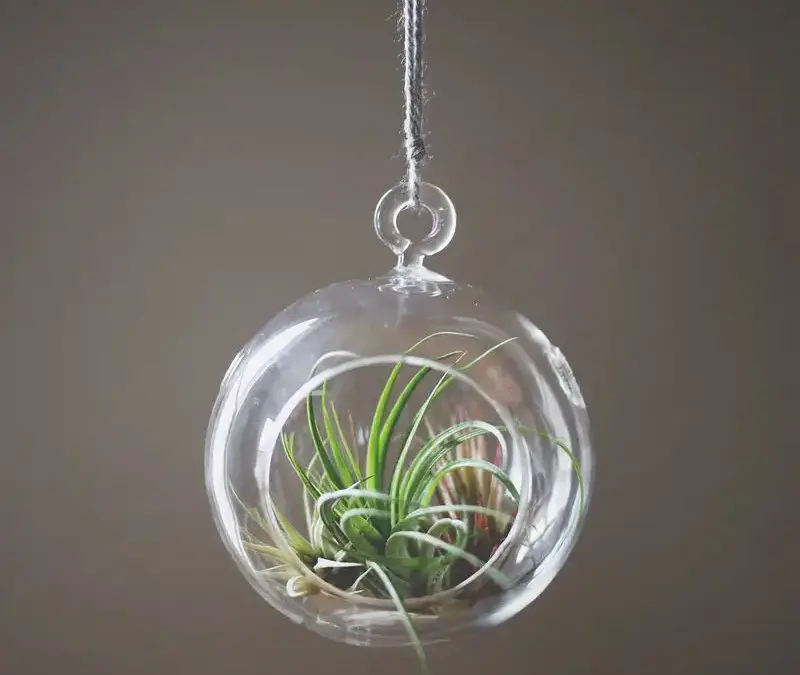
Air plant care is straightforward once you understand what these unusual plants need. Air plants grow without soil, making them easy to display in a range of spaces, but they still require regular water, suitable light, and good airflow. In nature, they often grow on other plants, such as trees, using their roots mainly to hold on rather than to draw nutrients from soil.
There are many air plant species, and their needs can vary slightly. The following basics will help you create a healthy routine and spot common care issues early.
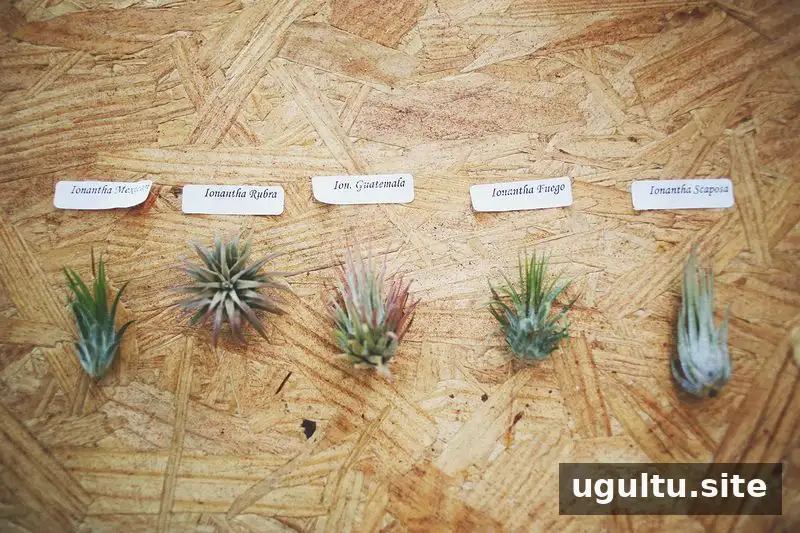
Air Plant Care: Where to Find Plants
Air plants are commonly available at local nurseries, greenhouses, and some grocery or hardware stores that sell houseplants. Online retailers also carry them in individual varieties and mixed selections.
If you are choosing several plants, look for a range of sizes and forms that will suit your display. Check that leaves look firm and healthy, without extensive browning or mushy areas. Once home, keep new plants in a bright spot with good airflow while you learn how quickly they dry in your space.
How to Water Air Plants
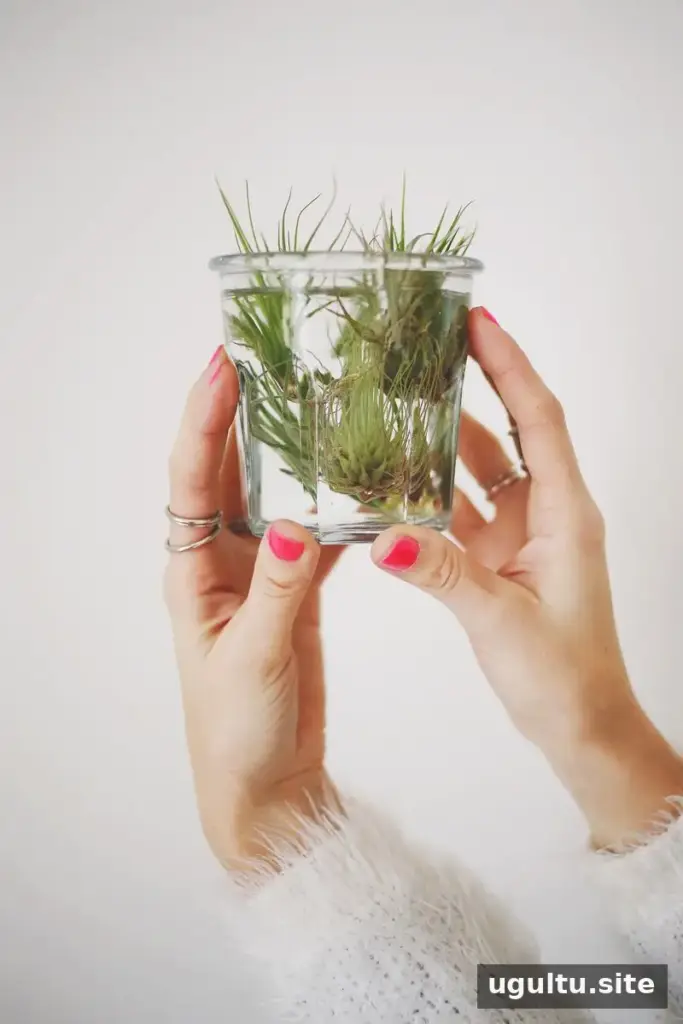
Air plants do need water, even though they do not grow in soil. A common routine is to soak them in a container of water for 20–30 minutes once a week. In especially warm or dry conditions, they may need water more often; in a cool, humid room, they may dry more slowly.
Filtered, well, or rain water can be suitable options. After soaking, gently shake off excess water and let the plants dry completely before returning them to a display. Good airflow helps them dry evenly. Do not leave an air plant standing in water or sitting in a damp container for an extended period, as persistent moisture can cause problems.
How Much Light Do Air Plants Need?
Most air plants do best in bright, indirect light. A bright indoor location near a window can work well; avoid placing a plant where strong, hot sunlight may dry or scorch it. If direct indoor light is the only available option, watch the leaves for signs of stress and move the plant if needed.
Air plants can also be kept outdoors in filtered light. Outdoor plants may dry faster than indoor ones, so check them regularly and adjust watering to the weather. A practical tip is to assess the plant itself rather than relying only on a fixed schedule.
How to Groom Air Plants
Remove dry, withered lower leaves gently, and use clean scissors to trim brown tips if you prefer a neater appearance. Avoid pulling healthy leaves, and handle the plant carefully to prevent damage. After grooming, make sure the plant can dry fully following its next watering.
How to Propagate Air Plants
Air plants can produce small offshoots called pups at their base. A plant may produce up to 2–8 pups. When a pup reaches about one-third the size of the parent, it can be separated gently. Pull it away carefully, and avoid forcing the separation if it remains firmly attached.
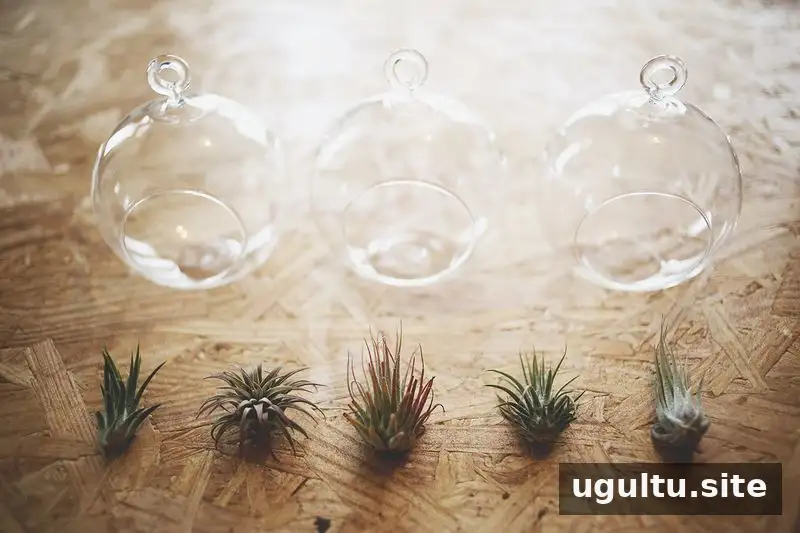
How to Display Air Plants
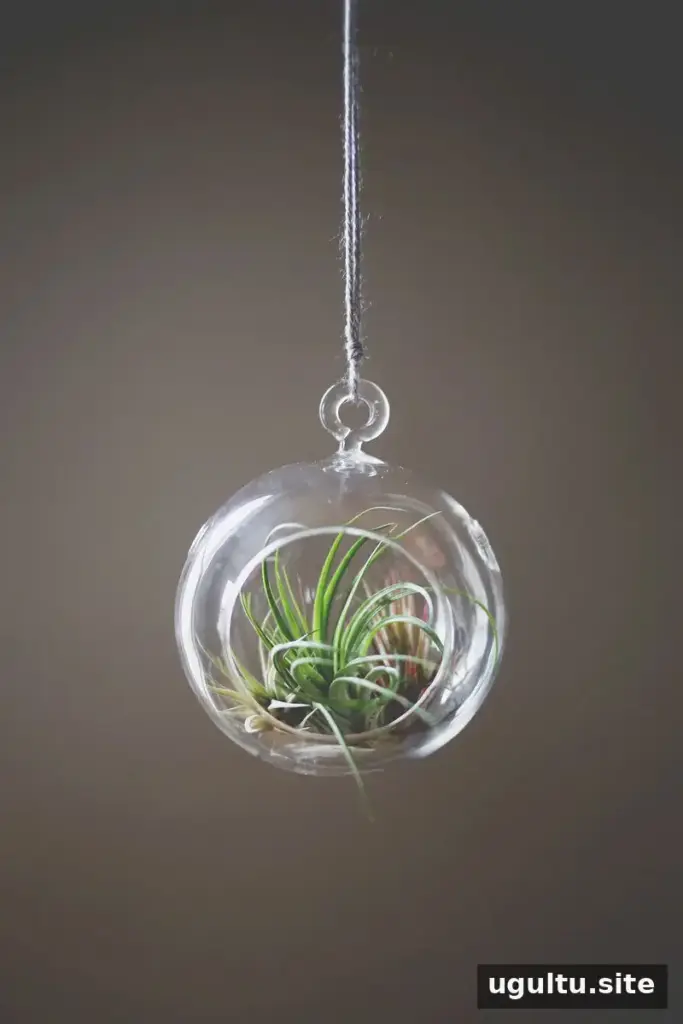
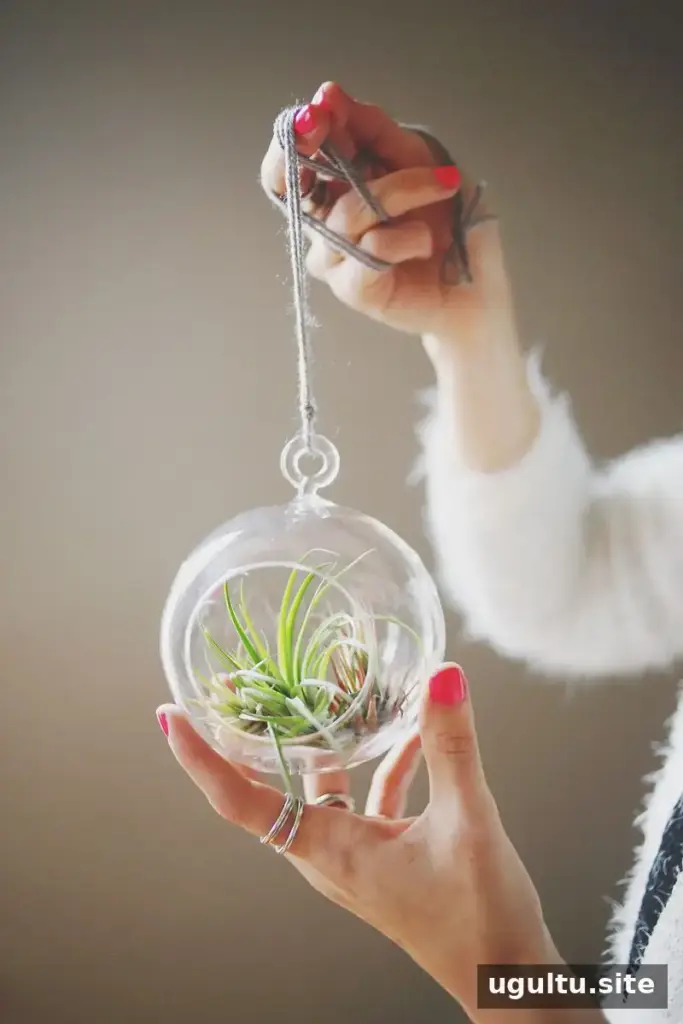
Because air plants do not need soil, they can be arranged in hanging planters, on shelves, or in other displays that allow air to circulate around them. Choose a holder that does not trap moisture, and make sure you can remove the plant easily for watering and drying.
With a consistent routine of soaking, thorough drying, and bright indirect light, air plant care can fit easily into a home plant collection. Keep an eye on how quickly your plants dry, and adjust their placement or watering as conditions change.
— Laura


