admin

Leather furniture can add warmth and character to a room, and regular leather furniture care helps keep it looking its best over time. Dust, sunlight, spills, and everyday use can affect the surface, but a gentle routine and products suited to your furniture’s finish can help prevent avoidable wear.
Why Leather Furniture Needs Thoughtful Care
Leather works with many interior styles, from traditional to contemporary. With use, natural leather may develop a patina—a change in appearance that can give a piece a lived-in character. The way it ages depends on the leather type, its finish, the room conditions, and how often it is used.
Leather is not identical across all furniture. Some finishes offer more resistance to spills than others, so check the care instructions supplied with the piece. Even when leather is treated, it is best to blot spills promptly rather than leave liquid on the surface.

Leather’s durability can make it a practical upholstery choice for busy homes, but it is not scratch-proof or stain-proof. Keeping sharp objects away and dealing with spills quickly can help protect the finish.

Leather Furniture Care for Everyday Cleaning
Remove dust and loose debris
Wipe the surface gently with a clean, dry microfiber cloth. For crumbs or dirt between cushions, remove the cushions if possible and use a vacuum with a soft brush attachment. Avoid pressing hard or dragging the nozzle across the leather.
Regular light cleaning is usually preferable to aggressive scrubbing. It also gives you a chance to spot spills, marks, or changes in the surface before they become harder to address.

Respond carefully to spills and stains
Blot a fresh spill with a clean, absorbent cloth; do not rub, since rubbing can spread the liquid or affect the finish. For a mark that remains, follow the furniture maker’s cleaning guidance. If you use a damp cloth, use it sparingly and dry the area afterward with a separate soft cloth.
- Avoid alcohol, ammonia-based cleaners, and baby wipes, which may damage or discolor leather.
- Do not apply an unfamiliar cleaner across the whole piece without testing it first.
- For a large, oily, or persistent stain, consider asking a leather-care professional for advice.
Conditioning Leather Furniture
Conditioning may help keep some leather finishes from becoming excessively dry, but the right product and schedule depend on the type of leather. Follow the furniture manufacturer’s instructions and choose a conditioner specifically suitable for that finish. Some care guidance recommends monthly conditioning, while a six-month interval may be a practical minimum for certain pieces; do not assume the same schedule works for every sofa or chair.

Before applying conditioner, test it on a small, inconspicuous area and allow the test patch to dry. Leather can darken temporarily or change in appearance, so check the result before treating a visible surface.
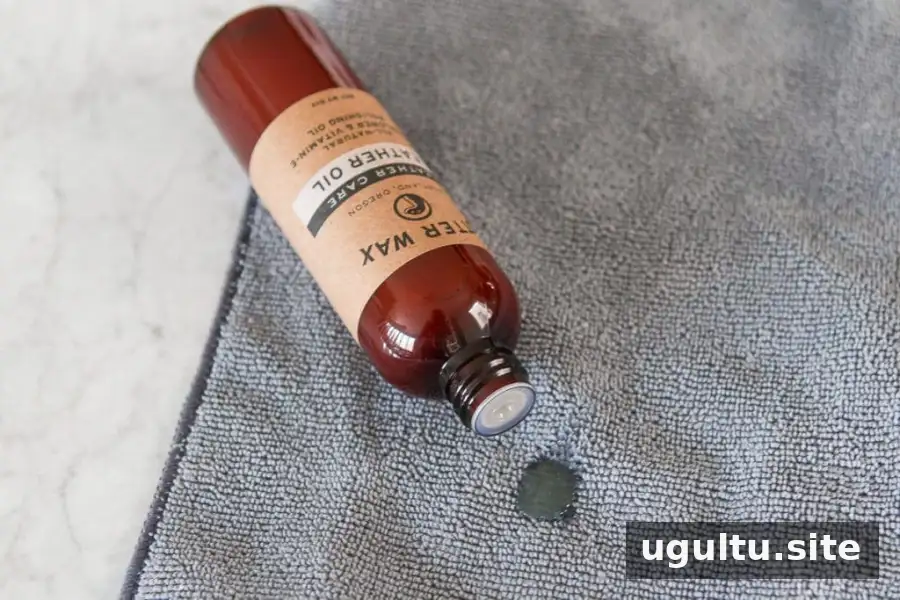
To condition, put a small amount on a clean microfiber cloth and apply a light, even coat, following the product label. Let the leather dry as directed, then buff gently with a separate dry cloth if the instructions recommend it. Avoid oversaturating the material.
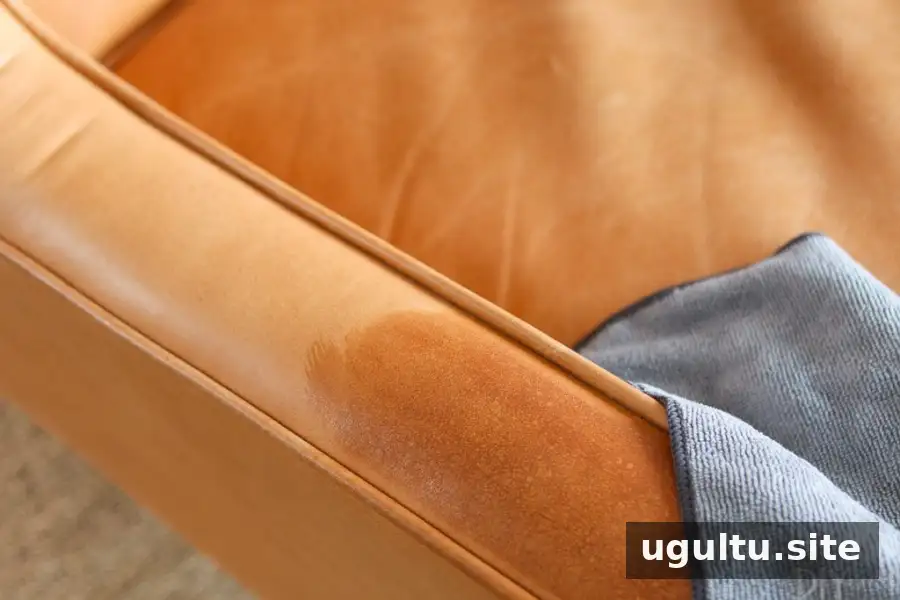
Preventing and Managing Scratches
Minor marks can become part of the natural character of leather, but deeper scratches may need repair. For a small mark, use only a repair or care product confirmed as compatible with your leather’s color and finish. Test it first. A deeper scratch may require a color-matched repair kit or professional service; the wrong filler or colorant can make the damage more noticeable.
Simple prevention can reduce the chance of new marks:
- Keep sharp objects away from upholstered surfaces.
- Trim pets’ nails and discourage scratching on furniture.
- Use a throw on high-use areas if it suits the furniture and does not trap moisture.

Protecting Leather from Sunlight and Daily Wear
Direct sunlight can fade or dry some leather over time. If possible, position furniture away from strong, prolonged sun or use window coverings during the brightest part of the day. Keep leather away from heat sources, which may also contribute to drying. Rotate cushions when the design allows to help distribute everyday wear more evenly.

Different pieces experience different levels of use. A frequently used chair may need more regular dusting and inspection than a bench used occasionally. Adjust your routine to the furniture’s location and condition rather than relying on a one-size-fits-all schedule.

Choosing Leather Furniture for Your Home
When comparing leather furniture, ask what type of leather and finish is used and request the care instructions before buying. Consider how much direct sunlight the room receives, how heavily the furniture will be used, and whether you are prepared to follow the recommended cleaning routine.

Comfort, construction, and the room’s layout matter alongside appearance. If children or pets use the space, ask the retailer how the specific finish responds to spills and what cleaning methods are approved.

Conclusion: Make Leather Furniture Care a Routine
Good leather furniture care does not need to be complicated: dust gently, deal with spills promptly, avoid harsh household cleaners, and condition only with a compatible product at the recommended interval. Protecting furniture from prolonged sunlight and taking care with scratches can also help preserve its appearance. With a routine suited to the specific leather, your furniture can remain comfortable and attractive for years.