
 admin
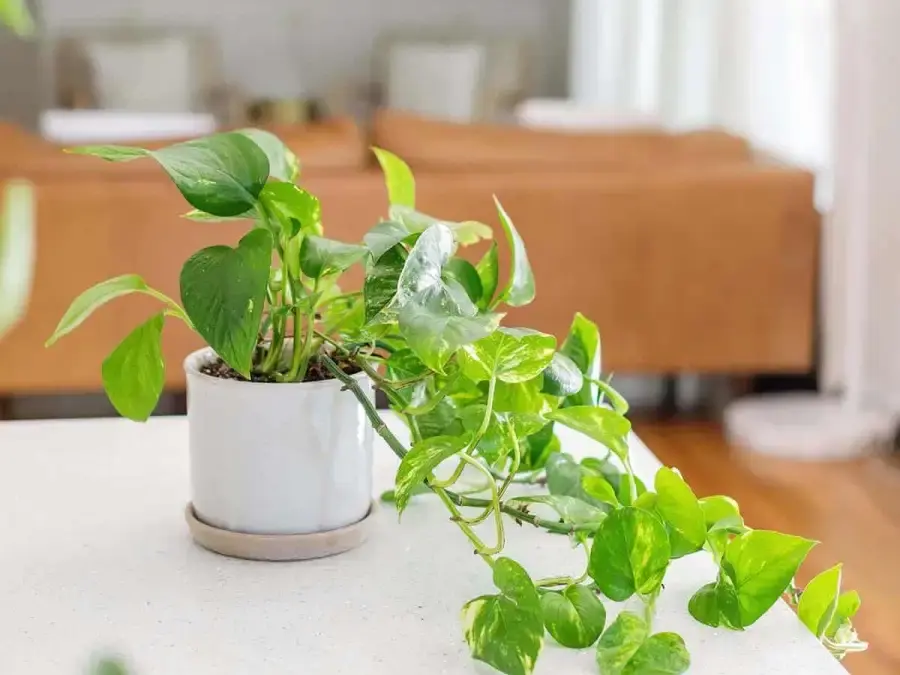
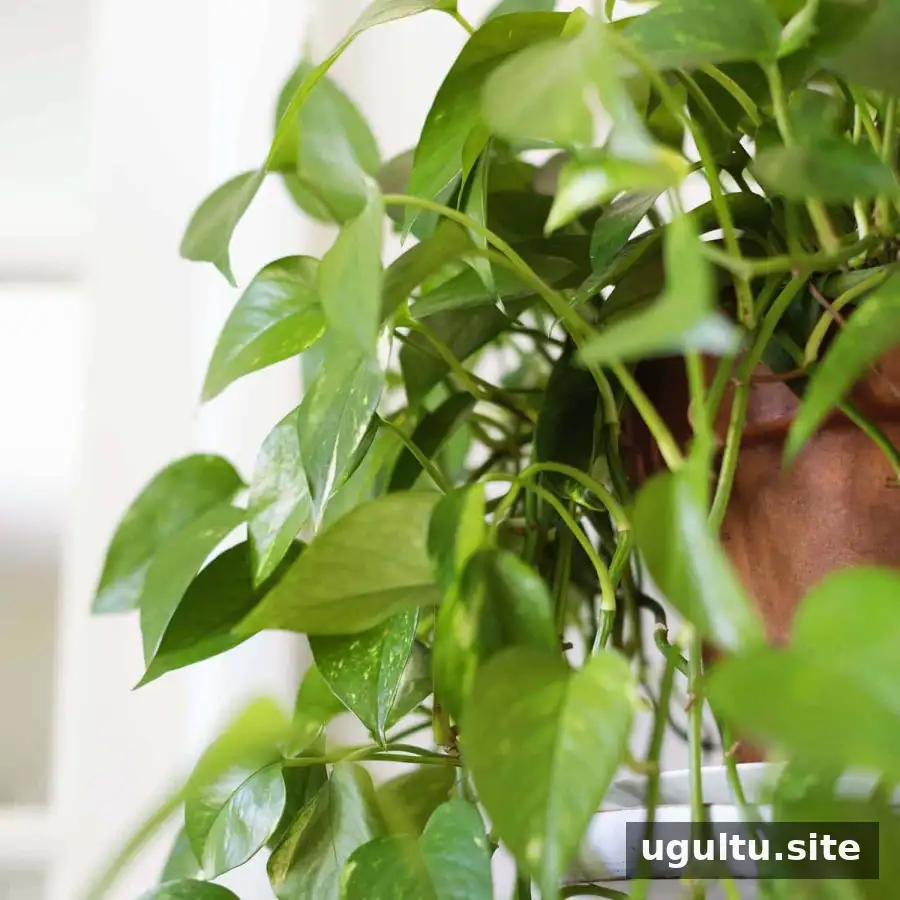
Golden Pothos care is straightforward, which makes this trailing houseplant a popular choice for homes, offices and other indoor spaces. Also known as Devil’s Ivy, Golden Pothos (Epipremnum aureum) belongs to the Araceae family and is valued for its heart-shaped leaves and adaptable growth. With suitable light, well-draining soil and careful watering, it can thrive indoors and produce long, leafy vines.
The plant can trail from a shelf or climb a support, and its care needs are similar to those of many other pothos varieties. Use the guide below to choose a good location, maintain a practical watering routine and spot common problems early.
Golden Pothos Care at a Glance
- Light: Bright, indirect light is ideal; lower light is tolerated but may slow growth.
- Water: Water when much of the potting mix has dried, then let excess drain away.
- Soil: Use a standard indoor potting mix with good drainage.
- Pruning: Trim long vines with clean scissors or shears.
- Safety: Keep the plant away from children and pets because it contains calcium oxalate crystals.
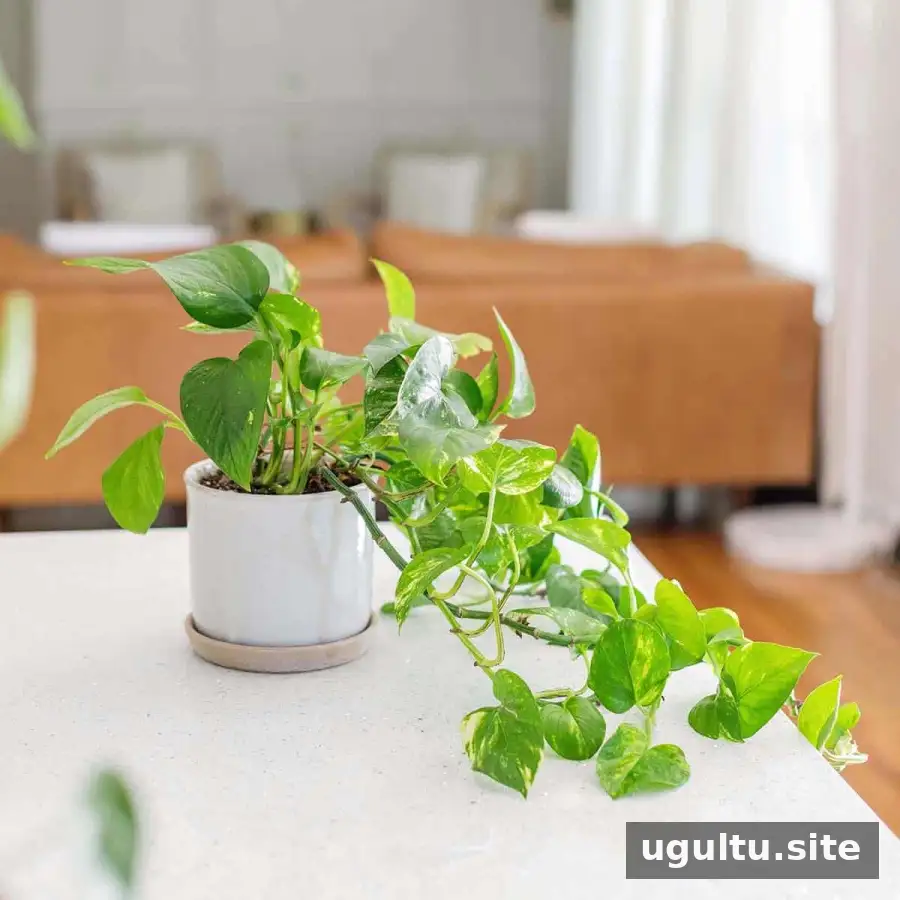
Potting and Soil
When selecting a plant, look for firm, upright leaves and fresh growth. Avoid plants with widespread yellowing, brown leaves or noticeably drooping foliage, as these can be signs of stress.
Choose a pot with a drainage hole so excess water can escape. A new pot should generally be about 2 inches wider than the current one, or one size larger. If you want to use a decorative pot without drainage, keep the plant in a separate nursery or terracotta pot with drainage holes. Remove the inner pot for watering, allow it to drain fully, and then return it to the decorative container.
A standard indoor potting mix is suitable. If the mix seems dense, adding perlite and orchid bark can improve aeration and drainage. Avoid leaving the roots in waterlogged soil, as consistently wet conditions can lead to root rot.
As the plant grows, check whether roots are filling the pot or emerging from its drainage holes. Repotting in spring is a practical option; move it up one pot size rather than choosing an excessively large container.
Light and Placement
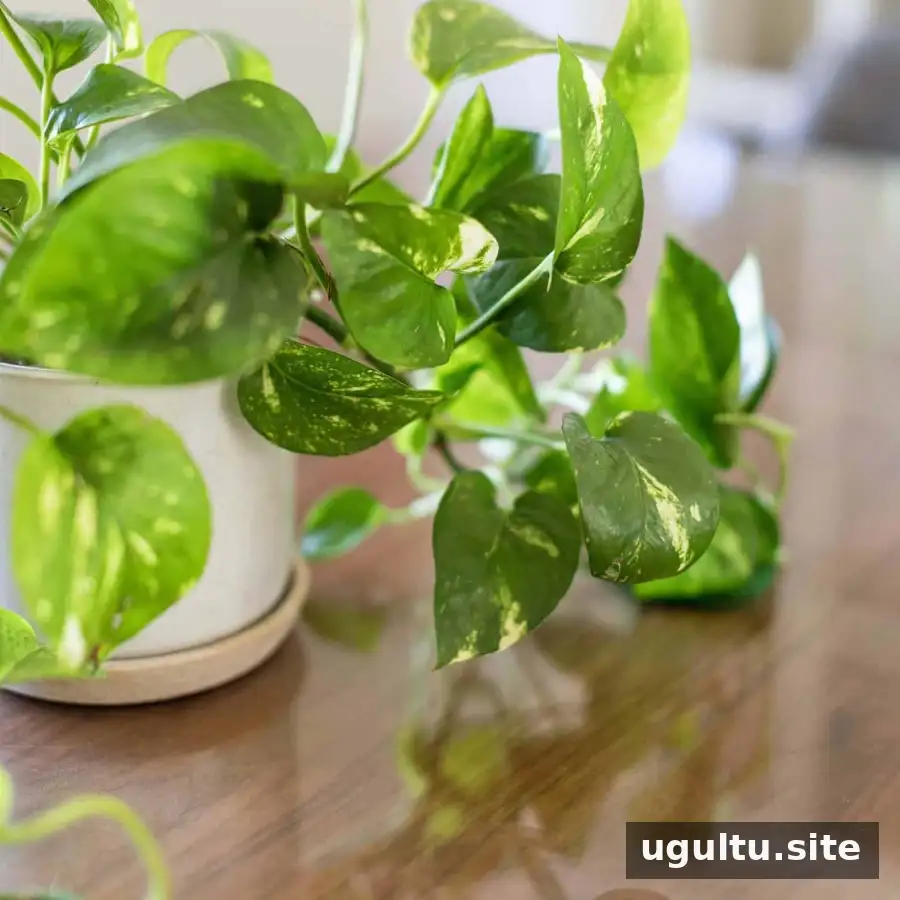
Golden Pothos tolerates a range of indoor lighting, but bright, indirect light is best for steady growth and strong leaf variegation. Direct sunlight can scorch the leaves, while low light may slow growth and cause the golden markings to become less distinct.
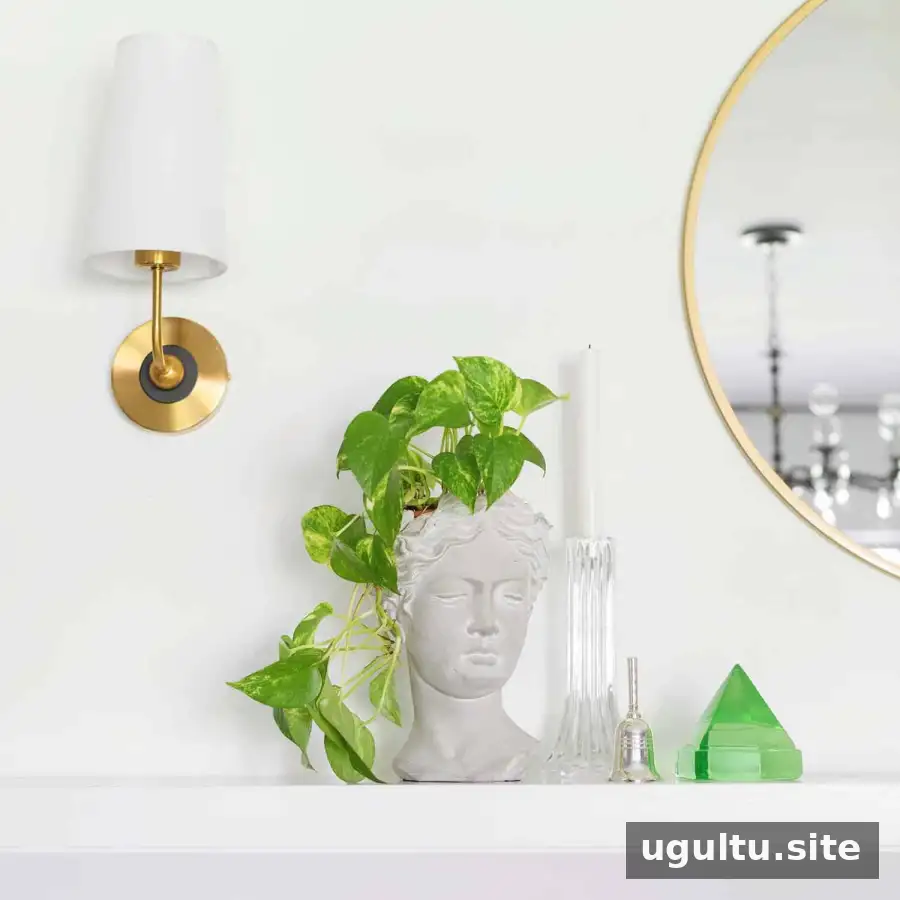
A spot near a window with filtered light is often suitable. If the leaves lose some of their variegation, try moving the plant to a brighter location without exposing it to harsh direct sun. Turn the pot occasionally so different sides receive light more evenly.
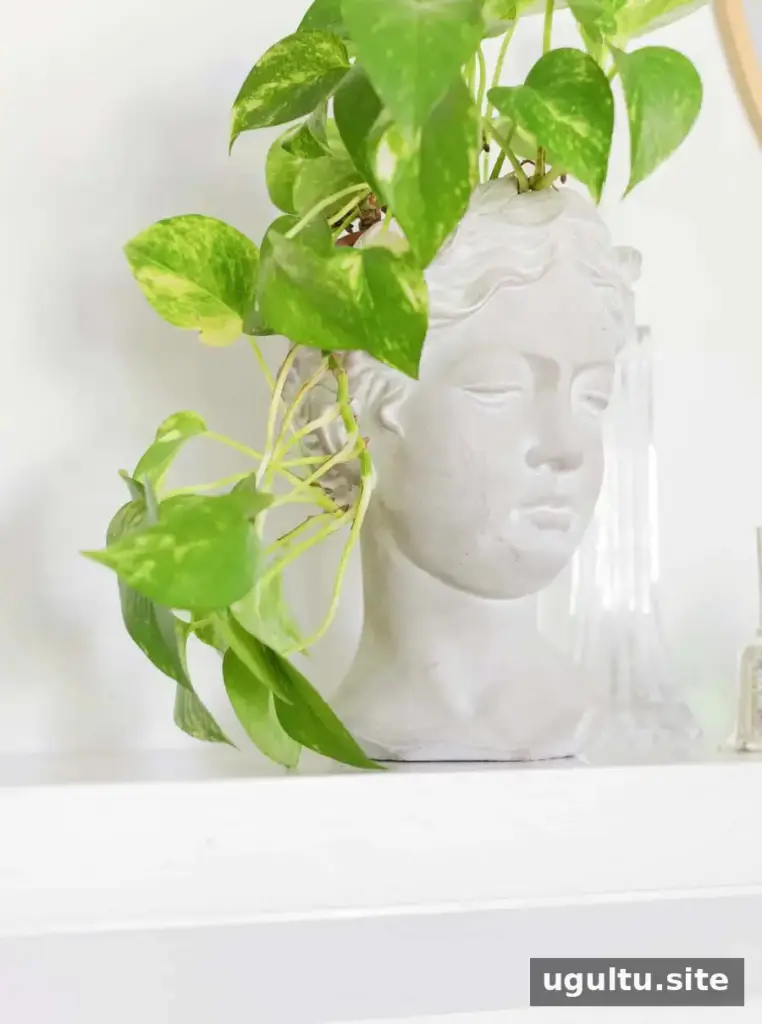
The plant can also adapt to a room with limited natural light, although growth may be slower. Bathrooms may provide higher humidity, but a windowless room does not provide light for plant growth. If a space has no natural light, use an appropriate grow light.
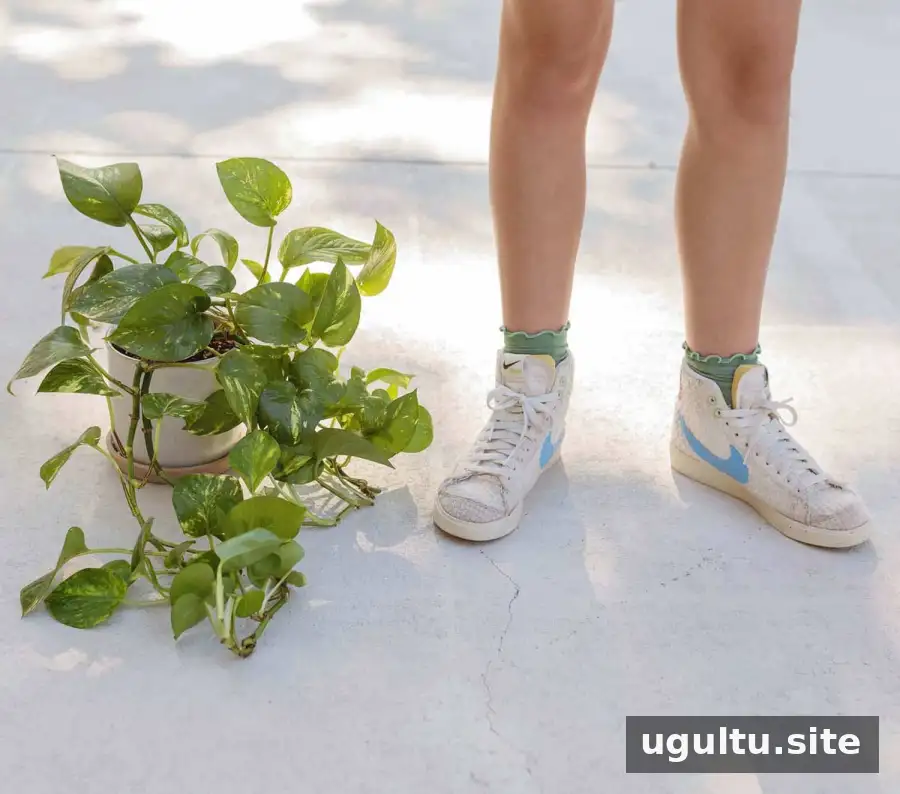
Safety note: Golden Pothos is toxic if chewed or swallowed. Its calcium oxalate crystals can irritate the mouth and cause discomfort. Keep the plant out of reach of children and pets, and wash your hands after pruning or handling damaged leaves.
Watering Golden Pothos
Let the potting mix dry considerably between waterings. Check the soil with a finger rather than watering on a fixed calendar, since drying time changes with light, room conditions, pot size and season. When the plant needs water, soak the mix thoroughly and let the excess drain through the pot.
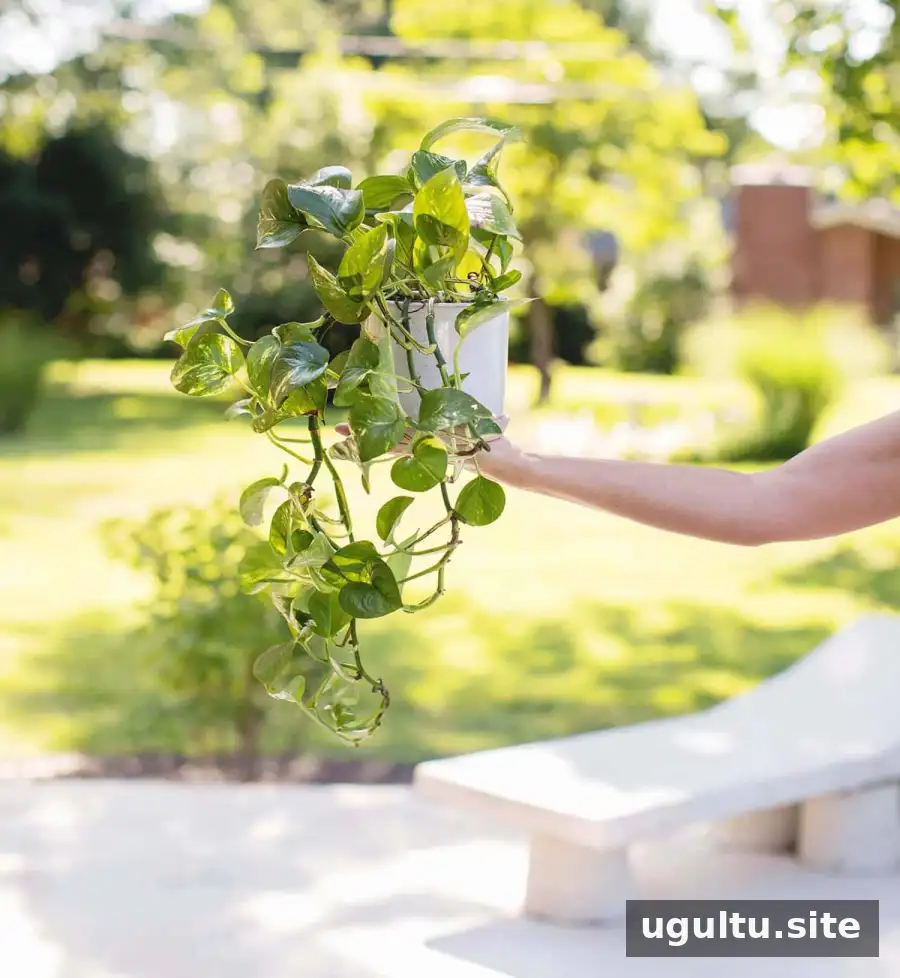
Empty water from the saucer or decorative pot so the roots are not left standing in it. A useful general guide is to water more often during active growth in spring and summer, and less often in winter. Plants in brighter, warmer spots usually dry faster than plants in cooler, lower-light locations.
Room-temperature water is suitable. If you use tap water and notice a problem such as leaf-tip damage, consider whether your local water quality may be contributing and try another suitable water source. Rainwater or well water may also be options where available.
Yellow leaves can be associated with overwatering, especially when the soil stays wet. Allow the mix to dry more between waterings and check that the pot drains freely.
Pruning and Training
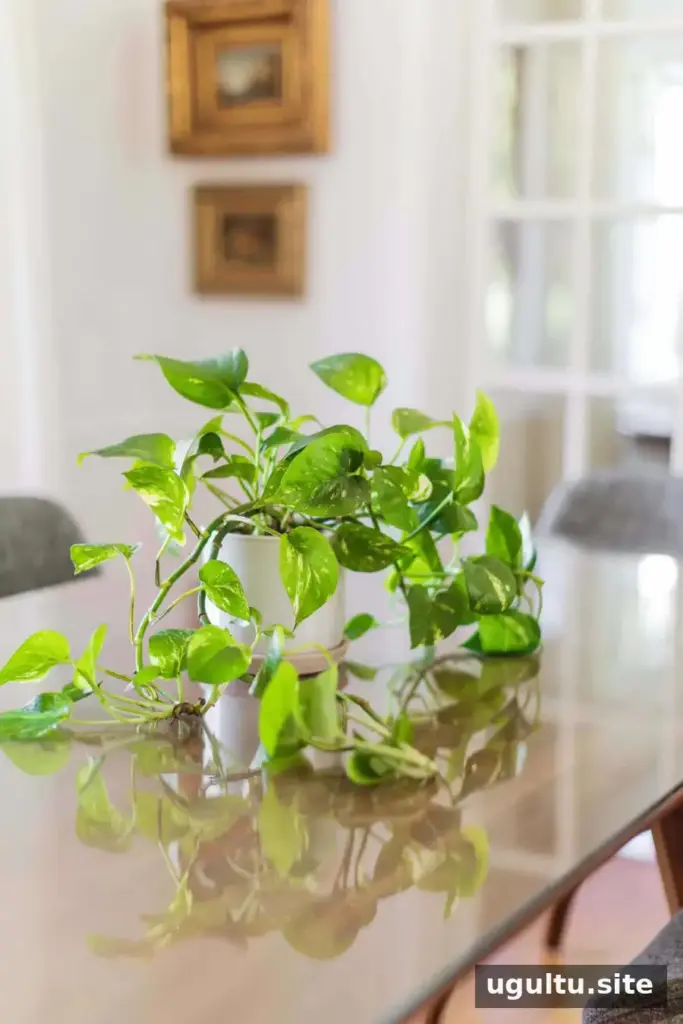
Indoors, Golden Pothos is usually grown for its foliage and trailing vines. Let the vines hang from a shelf or guide them along a support. If you prefer a fuller appearance, trim the stems to encourage growth from the remaining nodes.
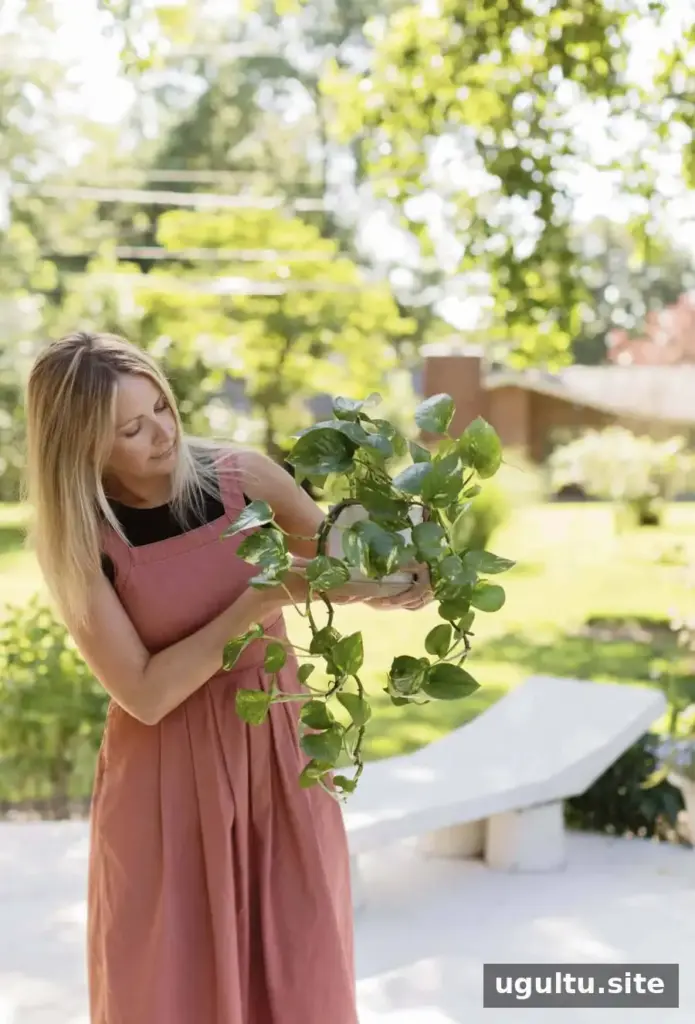
Use clean scissors or pruning shears to cut a vine just above a leaf node. Cleaning your tools before use helps reduce the risk of spreading contaminants between plants. Healthy cuttings can be used for propagation or shared with another plant grower.
How to Propagate Golden Pothos
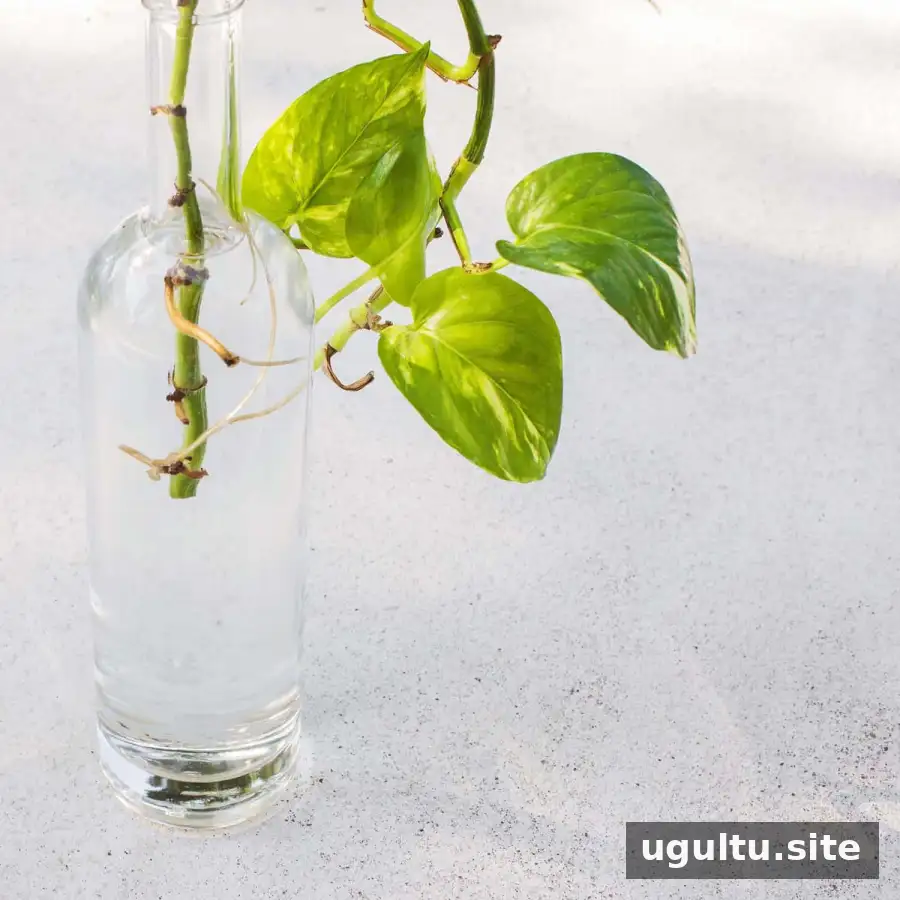
Golden Pothos is easy to propagate from stem cuttings. Water and soil are both suitable methods. For a water cutting, take a healthy piece of vine around 6–12 inches long and make sure it includes at least one node, where roots can form.
Remove leaves from the portion of the stem that will sit in water, keeping all remaining foliage above the waterline. Place the cutting in a bright spot with indirect light.
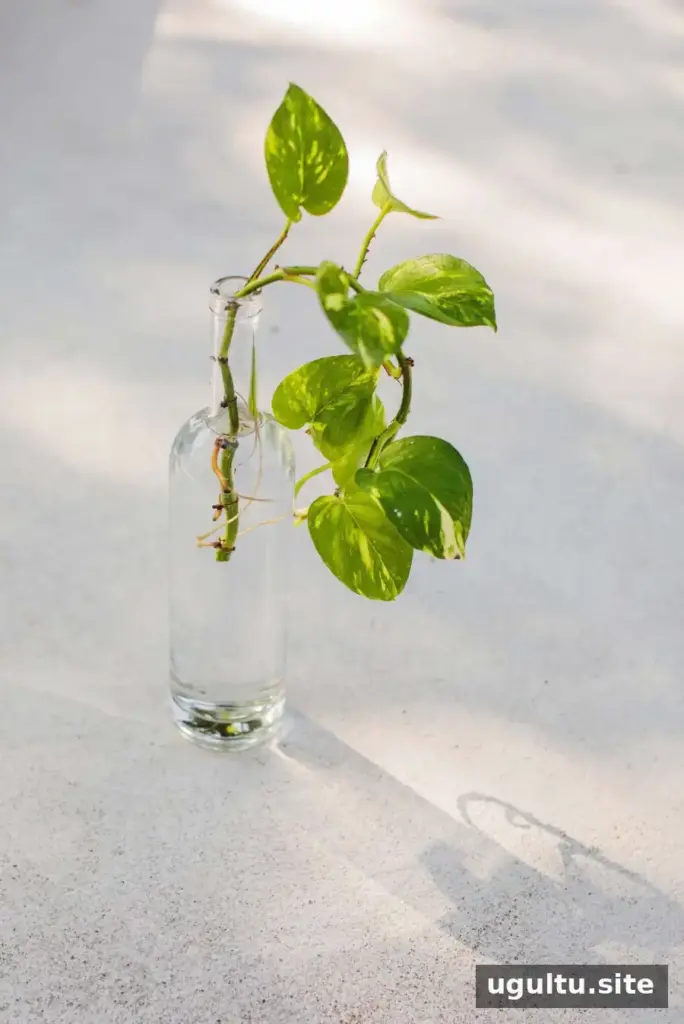
Change the water if it becomes cloudy or dirty, and rinse the container. Once roots have developed, you can keep the cutting growing in water or transfer it to potting mix.
To propagate directly in soil, place a cutting with a node into a small pot of moist potting mix. Keep the mix lightly moist—not saturated—and check it periodically. New growth is a sign that the cutting is establishing.
Fertilizing
During spring and summer, feed Golden Pothos with a balanced houseplant fertilizer according to the product label. Fertilizers list three primary nutrients as NPK: nitrogen (N), phosphorus (P) and potassium (K). These nutrients support functions including foliage growth, root development and general plant health.
Follow the label carefully; using more fertilizer than directed can damage roots. If you are unsure how the plant will respond, a more dilute application may be a cautious starting point, provided the product instructions allow it. Avoid fertilizing dry soil, and reduce or pause feeding during winter when growth is slower.
If fertilizer has been applied too heavily, flushing the pot with water may help remove excess salts, as long as the pot drains well. Do not leave the plant sitting in the runoff.
Troubleshooting Common Problems
Changes in the leaves can help indicate that the plant’s conditions need adjustment. Check the soil and growing environment before changing your care routine.
- Drooping leaves: The plant may need water, especially if the potting mix is dry. Water thoroughly and allow excess water to drain.
- Yellow leaves: Overwatering or poorly draining soil may be responsible. Let the mix dry more between waterings and check the drainage holes.
- Loss of variegation: The plant may need brighter indirect light. Move it gradually to a brighter spot and avoid direct sun.
- Soft, dark roots: These can indicate root rot. Remove the plant from soggy soil, trim damaged roots with clean tools and repot in fresh, well-draining mix.
If only an occasional older leaf yellows, monitor the plant rather than changing several conditions at once. When symptoms continue, inspect the roots, soil moisture and light level to narrow down the cause.
Conclusion
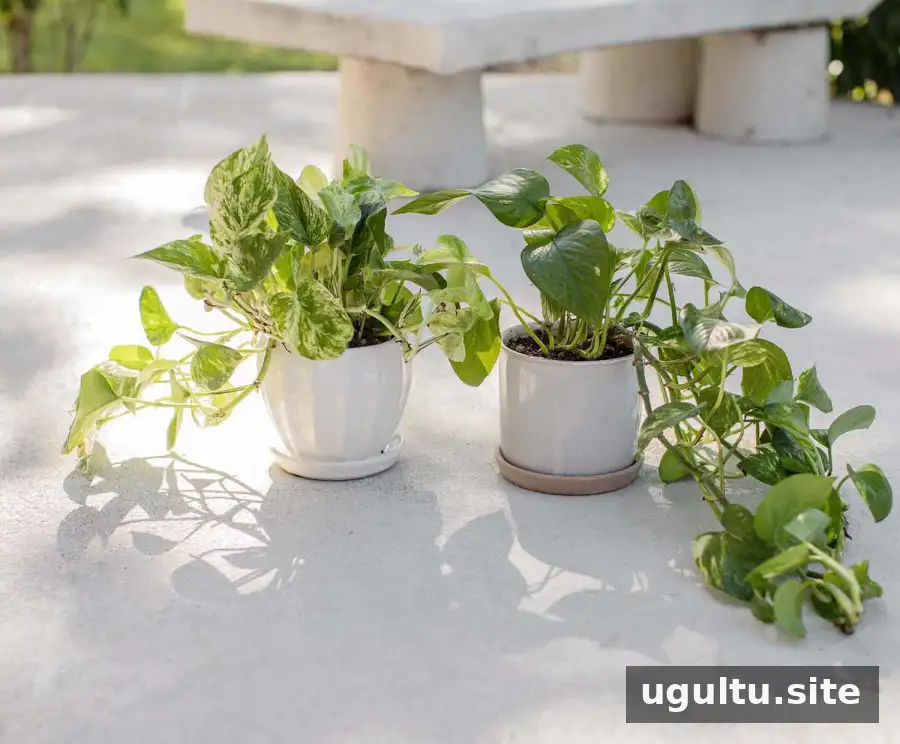
Consistent Golden Pothos care comes down to bright, indirect light, well-draining soil and watering only after the mix has dried considerably. Prune vines to control their length, propagate healthy cuttings if desired, and keep the plant away from children and pets. Pothos varieties such as Marble Queen have similar general care needs, though their leaf patterns differ.
— Janae


