admin
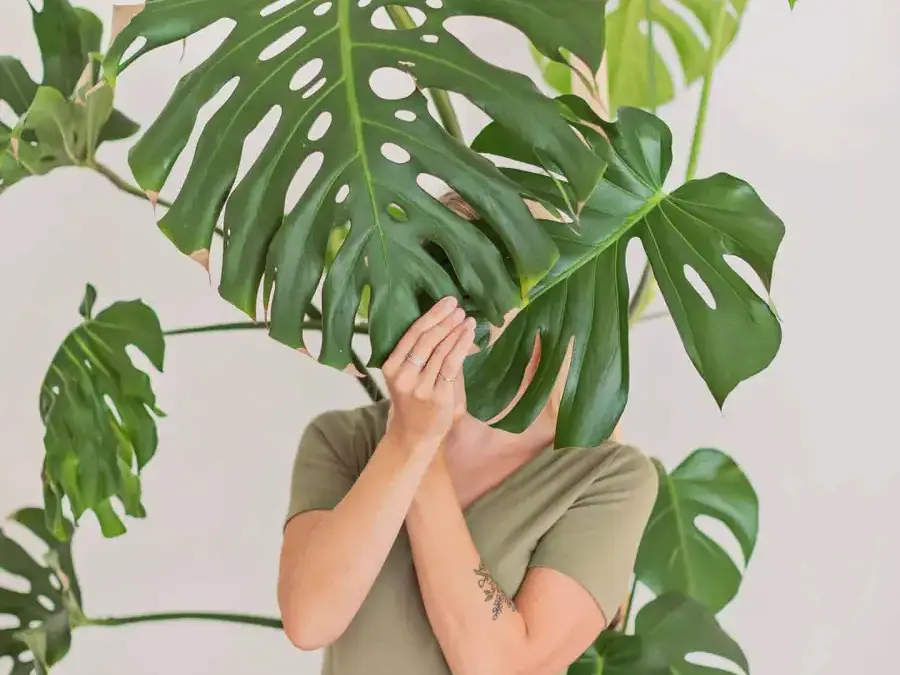
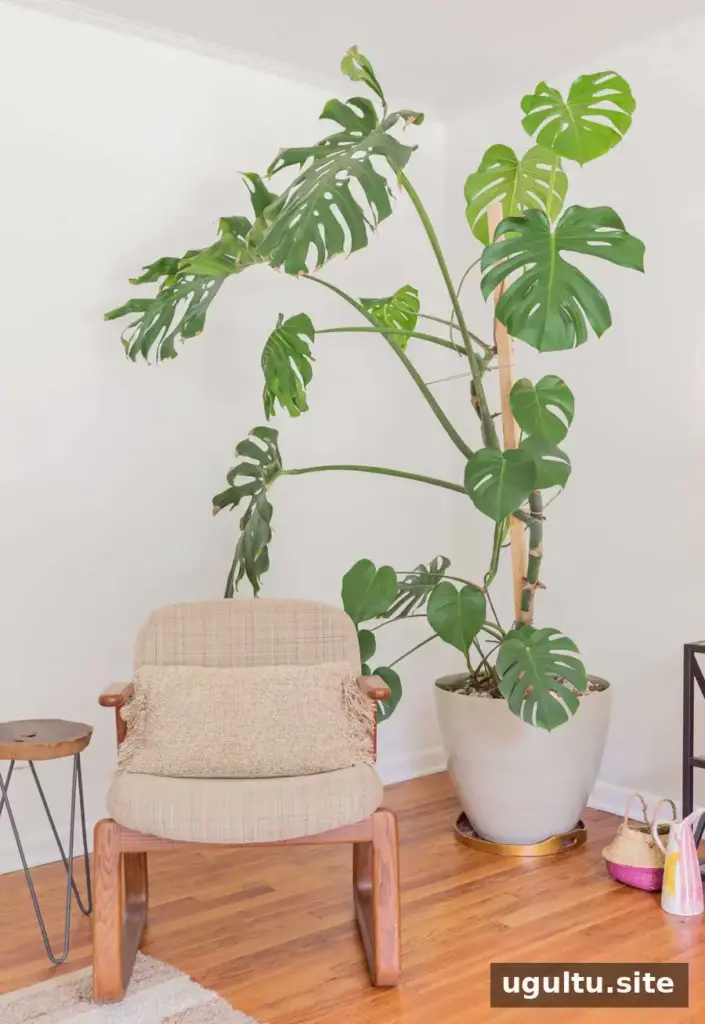
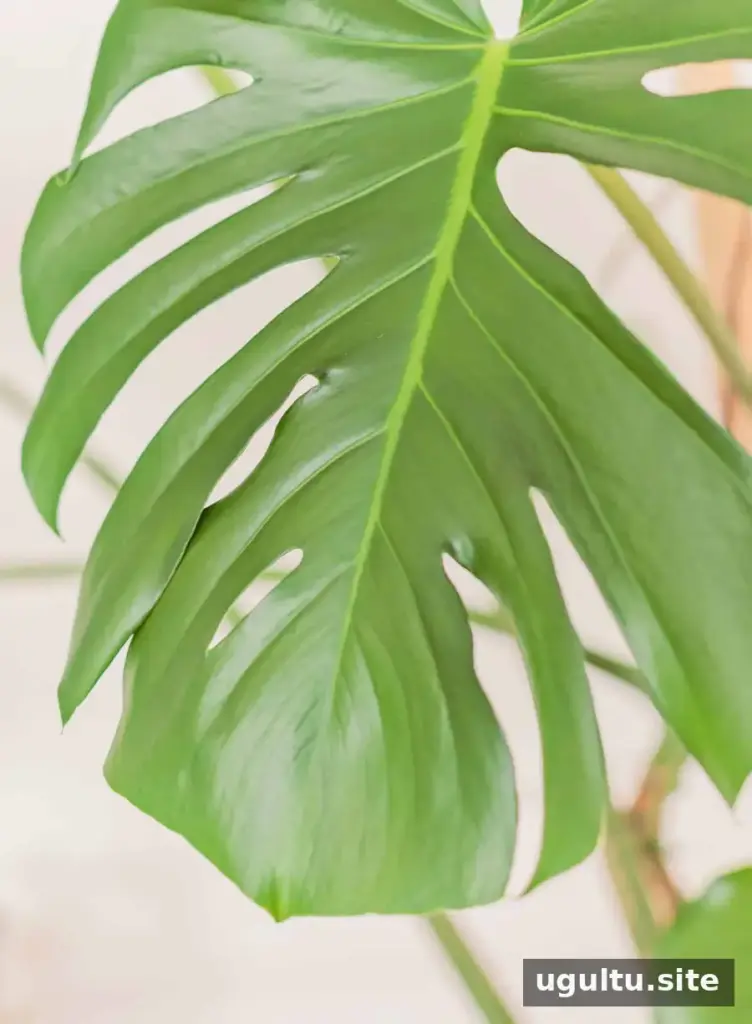
Monstera plant care is straightforward when the plant receives bright, indirect light and is watered according to the moisture in its soil. Native to southern Mexico and Panama, Monstera deliciosa is a tropical climbing plant known for the natural holes and splits that develop in mature leaves. In rainforest conditions, these openings help light reach lower foliage.
Monstera Plant Care: Watering
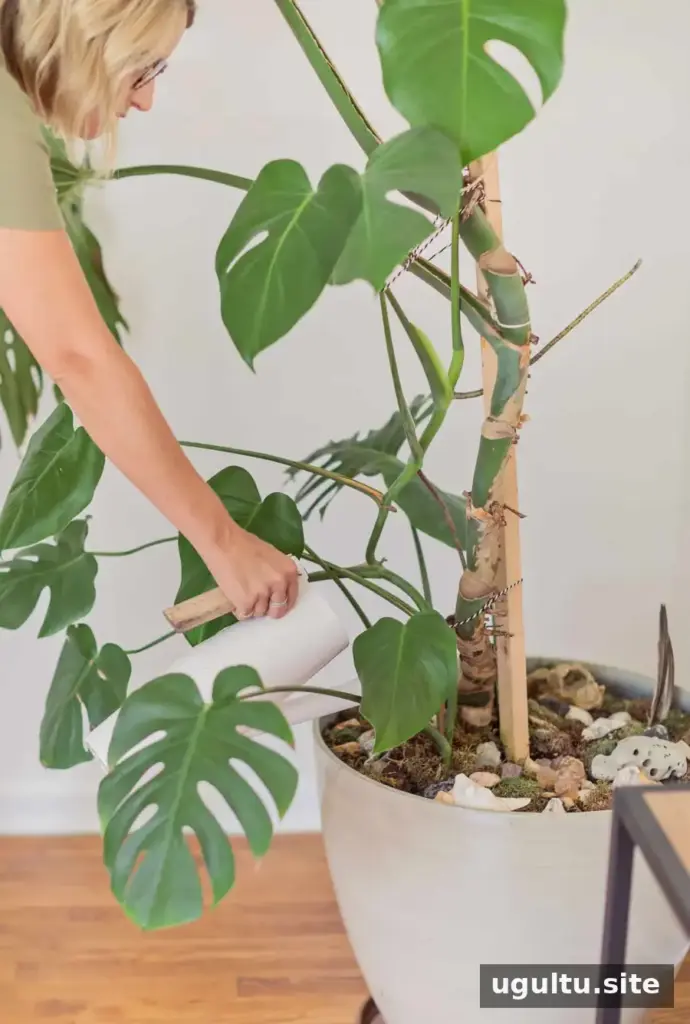
Monsteras prefer soil that stays slightly moist but should not sit in waterlogged soil. As epiphytes, they grow naturally with aerial roots and are sensitive to overly wet conditions around their roots.
Check the soil before watering. When the top 2 to 4 inches feel dry, water thoroughly, then let excess water drain from the pot. Reduce watering during winter, when growth generally slows, and avoid following a fixed weekly schedule if the soil is still damp.
Practical tip: Use a pot with drainage holes and check the soil with a finger before watering. Yellowing leaves or persistently soggy soil can indicate that the plant is receiving too much water.
How Much Light Does a Monstera Need?
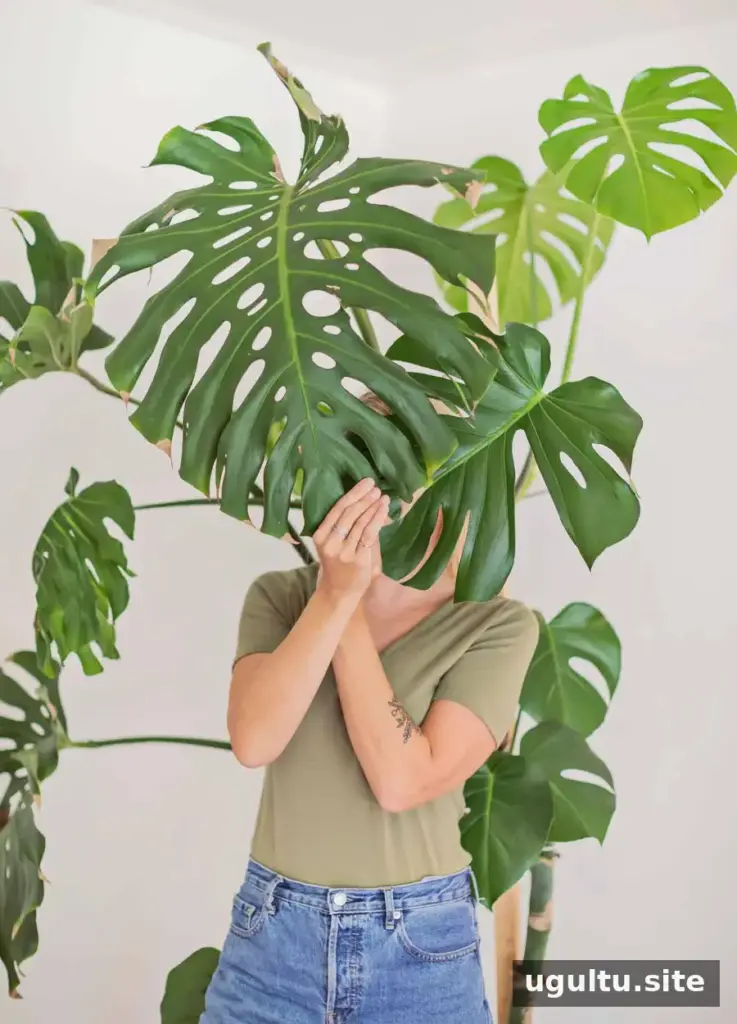
Place a Monstera where it receives bright, indirect light. It can tolerate medium light, but growth may become stretched or leggy. Keep it out of harsh direct sun, which can scorch the leaves.
A bright room with the plant set back from a sunny window can work well. If new growth is sparse or stems stretch toward a light source, gradually move the plant to a brighter location.
Should You Fertilize a Monstera?
During the growing season, from spring through early fall, apply a balanced houseplant fertilizer according to the product label. Monthly feeding is one possible routine, but follow the fertilizer’s directions and avoid applying more than recommended. Reduce or pause feeding during winter if the plant is not actively growing.
Water the soil before applying fertilizer if it is very dry. This helps avoid concentrating fertilizer around dry roots.

Diagnosing Common Monstera Problems
- Curling leaves: Check soil moisture. The plant may need water if the soil is dry, though other growing conditions can also affect leaves.
- Yellowing leaves: Check for soggy soil and review the plant’s light conditions. Overwatering and insufficient indirect light can contribute.
- Dark or blackish stems: Inspect the soil for excess moisture. Persistent wetness may be a sign of overwatering or poor drainage.
Look at the whole plant and its recent care routine rather than diagnosing a problem from one leaf alone. Adjust watering gradually and make sure the pot drains freely.
Staking Monstera Plants
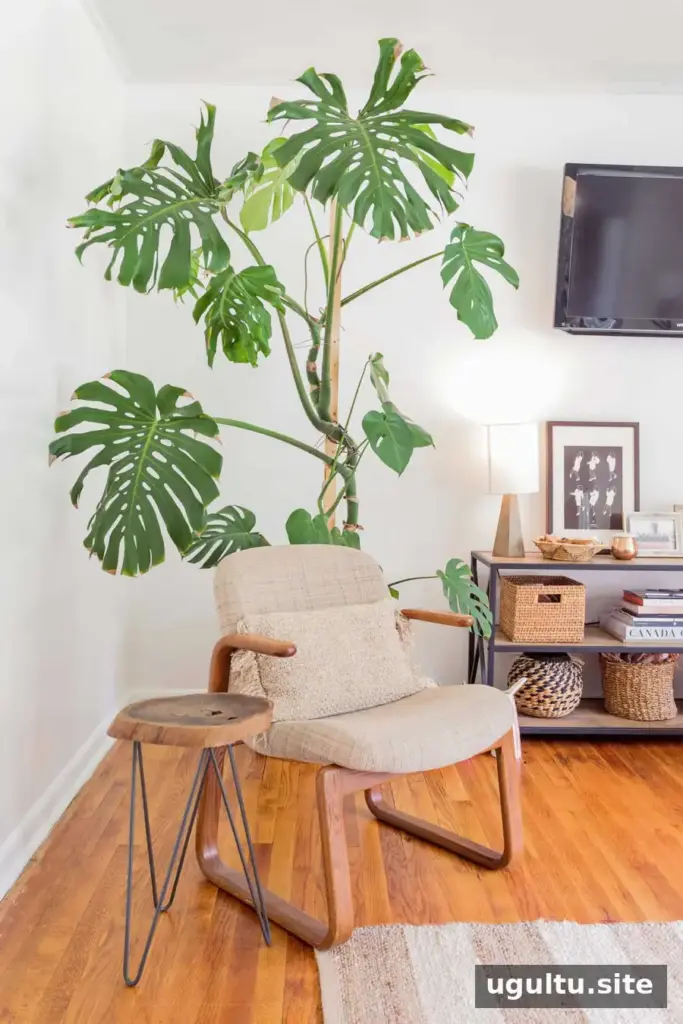
In the wild, Monsteras climb trees and can grow up to 66 feet tall. Indoors, they can reach about 9 feet. A sturdy support, such as a moss-covered stake, gives the plant something to climb and helps support its large leaves.
Add a stake before the plant becomes difficult to manage, and loosely secure the stems to it with soft ties. Avoid tying tightly around the stems, since they need room to grow. A support can also reduce the chance of a top-heavy plant tipping over.
Propagating Monstera Plants
Monstera can be propagated from stem cuttings. Choose a healthy section with at least one node—the point on the stem where a leaf or aerial root emerges. A leaf without a node will not develop into a new plant.
Place the cutting in water or a suitable propagation medium and keep it in bright, indirect light. Once it has developed roots, it can be planted in potting mix. Several rooted cuttings may be placed together in one pot for a fuller appearance.
Frequently Asked Questions
Is Monstera a good indoor plant?
Yes. Monstera can grow well indoors in a warm space with bright, indirect light. It is a tropical plant and may be damaged by cold outdoor conditions.
Is Monstera toxic to cats?
Monstera can irritate a pet’s mouth, throat, and stomach if chewed or eaten. Keep the plant out of reach, and contact a veterinarian if a pet eats part of it or develops symptoms.
Should I mist my Monstera?
Misting is not a substitute for watering and usually does not provide lasting humidity. Wipe dusty leaves gently with a damp cloth so they can receive light. If the air is very dry, a humidifier can provide more consistent humidity than occasional misting.
Final Monstera Plant Care Tips
For reliable Monstera plant care, check soil moisture before watering, provide bright indirect light, feed carefully during active growth, and give climbing stems suitable support. Inspect the leaves and stems regularly so you can respond early to changes in the plant’s condition.
— Michelle