admin
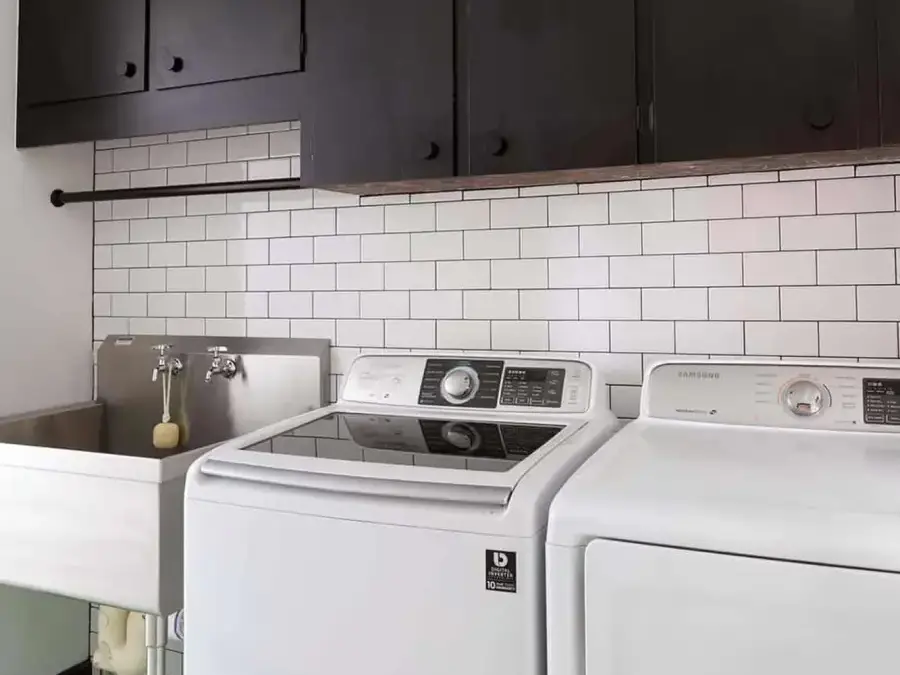
Knowing how to clean a washing machine helps prevent detergent residue, unpleasant odors, and grime from building up inside the appliance. Washers do not clean themselves: moisture and leftover soap can collect in the drum, dispenser, door seal, and filter. Before you begin, check your machine’s manual for approved cleaning products and cycles, since instructions vary by model.

How often should you clean a washing machine?
Clean a front-loading washer or a high-efficiency top-loader about once a month. A standard top-loading washer should be cleaned at least every six months; clean it about every three months if you have hard water, which can contribute to mineral deposits. In hot, humid conditions, check for dampness and odors more often.
Practical tip: Your washer may have a dedicated cleaning cycle. Use it according to the manual, and clean the dispenser and filter regularly as well.

How to clean a washing machine safely
Chlorine bleach and vinegar must never be mixed. Mixing them can release toxic chlorine gas. To reduce risk, choose one cleaning method at a time and follow the product label and washer manual. If you use bleach, do not add vinegar afterward unless the manual specifically permits it and the machine has been thoroughly rinsed as directed.
Bleach can disinfect when used as instructed, while white vinegar may help with some odors and residue. However, vinegar is acidic and repeated or undiluted use may damage rubber seals. Do not use either product if your washer’s manual prohibits it.
What you’ll need to clean the washer tub
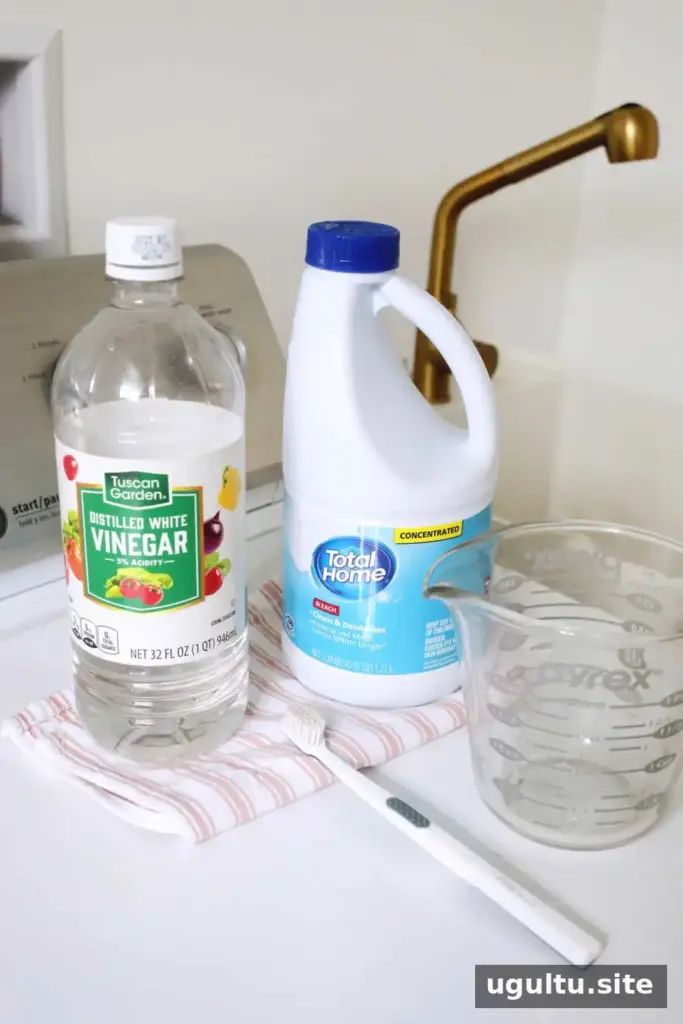
- Chlorine bleach, if approved by the washer manufacturer (the original instructions specify 1 quart, or 4 cups)
- Distilled white vinegar, if approved (the original instructions list 1 quart as 5 cups, divided into 4 cups and 1 cup; check the measurement guidance below)
- Measuring cup
- Soft cloth or microfiber cloth
- Small brush or old toothbrush
- Warm water and mild detergent for removable dispenser parts, if allowed
Ventilate the room when using bleach, and wear gloves if the product label recommends them. Never combine cleaning products.
Safety warning: Never mix bleach and vinegar. Keep products in their original containers and follow label directions.
How to clean a top-loading washing machine
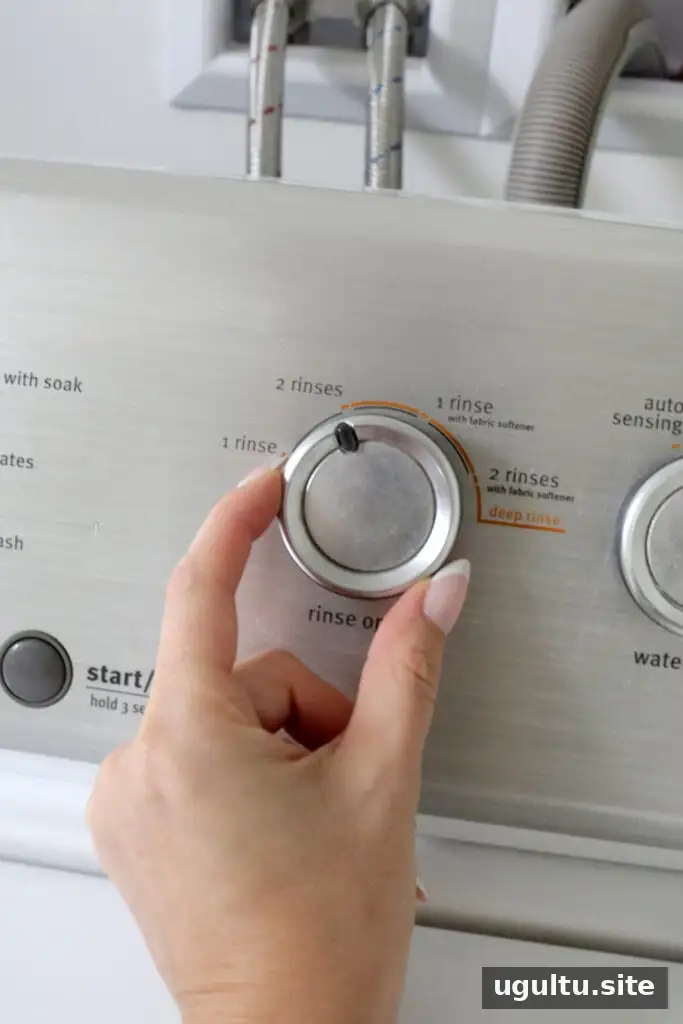
- Check the manual: Confirm which cleaner and cycle are allowed. Use the washer’s cleaning cycle if available.
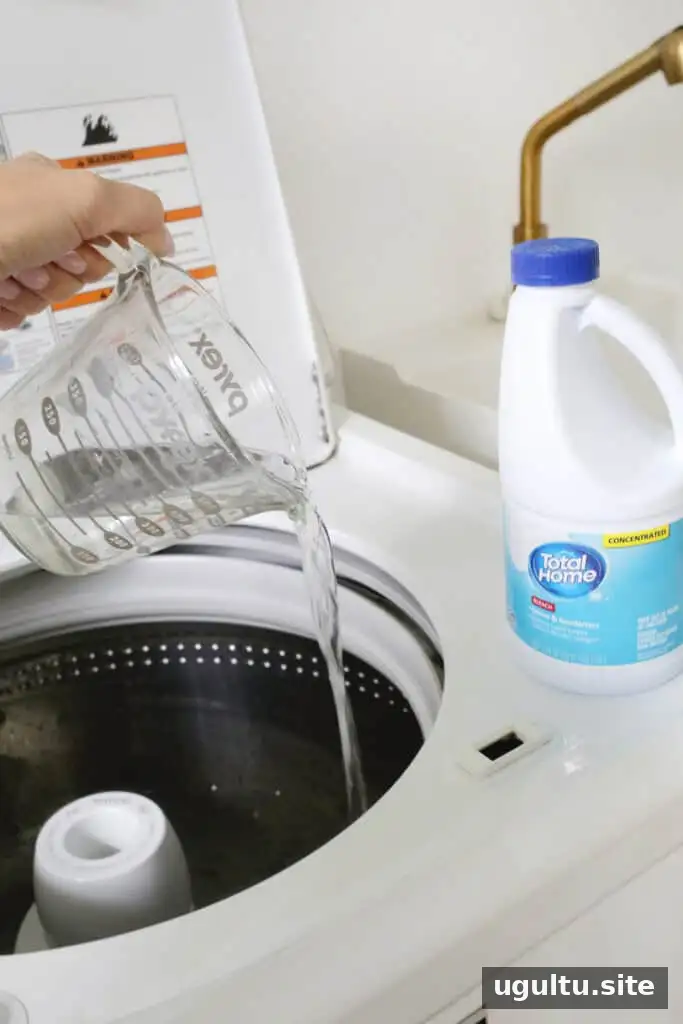
- Run one approved cleaning method: If bleach is permitted, use the amount specified by the washer and bleach manufacturers. The source instructions specify 1 quart of chlorine bleach in the hottest water setting. Do not exceed the detergent or bleach dispenser’s fill line.
- Complete the cycle: Let the washer finish its full wash, rinse, and drain cycle. If directed by the manual or bleach label, run an additional rinse before using the machine again.
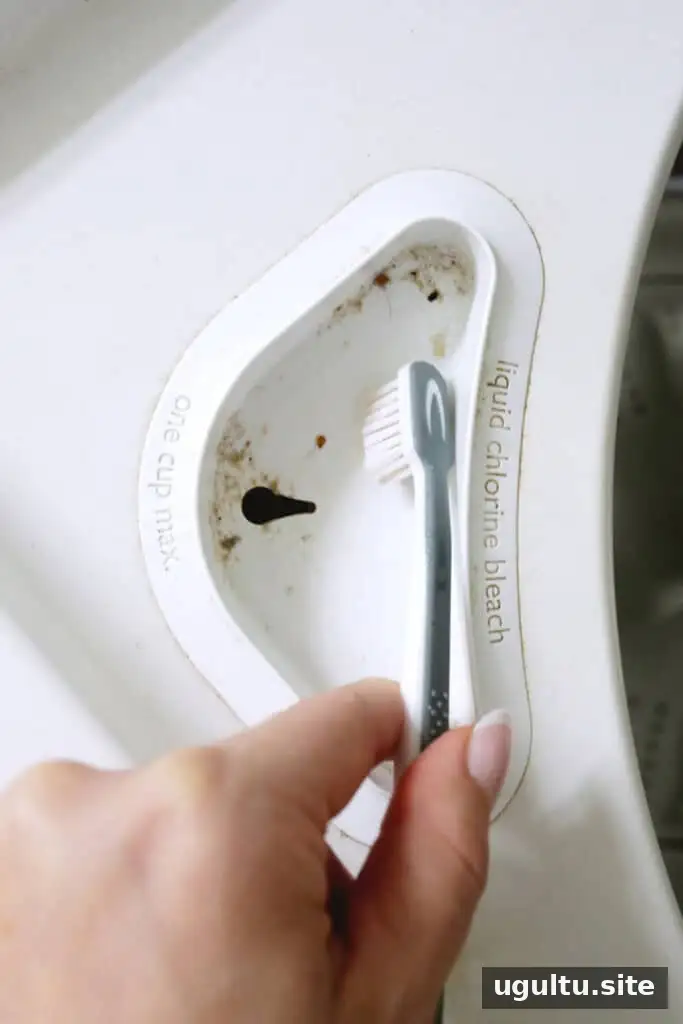
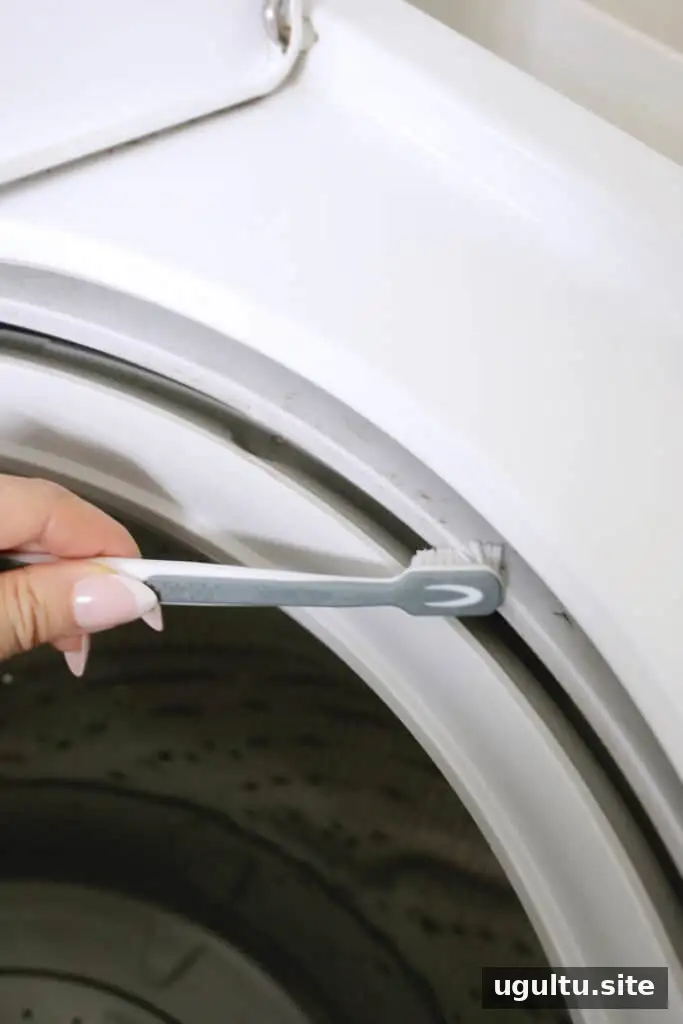
- Clean the dispenser and rim: Remove accessible dispenser parts if the manual allows it. Wash them with warm water and mild detergent, then use a small brush to remove residue. Wipe the top edge of the tub with a soft cloth.
Use a separate cleaning session for another product rather than adding vinegar after bleach. The original directions list 4 cups of vinegar for a separate hot-water cycle; only consider this if your manual approves vinegar and the washer is free of bleach residue.
How to clean a front-loading washing machine
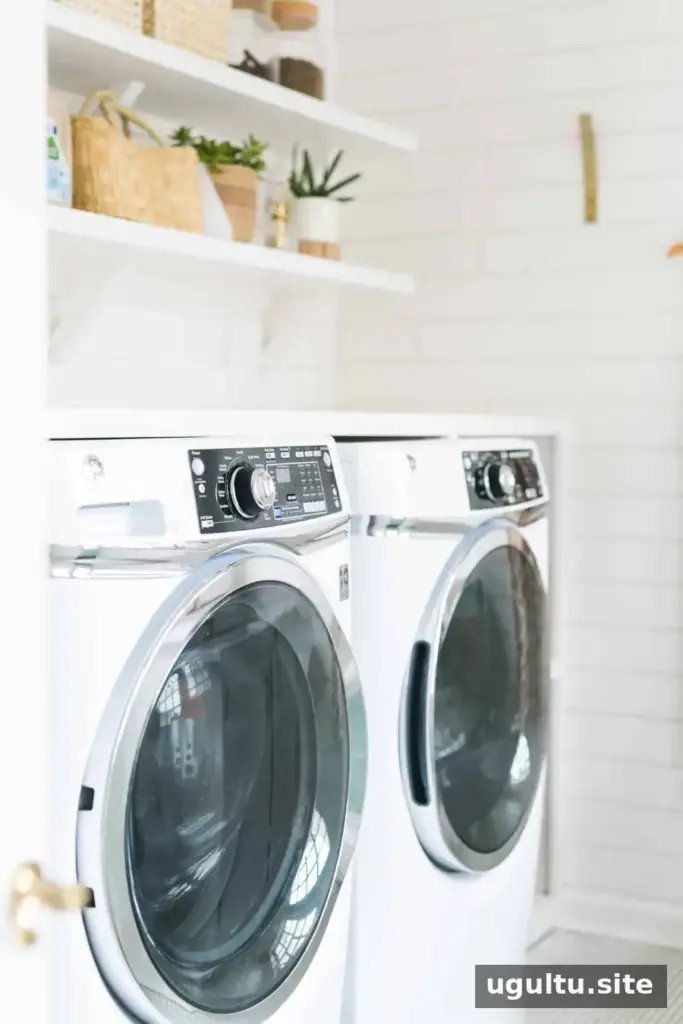
- Use the approved cleaning cycle: If your washer has a clean-washer setting, follow the manual’s instructions for the recommended cleaner and quantity.
- Clean the dispenser: Remove the detergent drawer if permitted and wash it with warm water and mild detergent. Clear residue from the compartment with a soft brush.
- Wipe the door and gasket: Use a damp, soft cloth to clean both sides of the door and the folds of the rubber seal. Remove lint, hair, and visible residue, then dry the area thoroughly.
- Run an extra rinse when required: If you use a manufacturer-approved bleach method, complete the full cycle and any additional rinse recommended by the manual or product label. Do not follow it with vinegar in the same cleaning session.
Pay particular attention to the door seal: trapped water and lint can contribute to musty smells. Avoid pulling or stretching the gasket while cleaning.

Tips for keeping your washing machine clean
- Measure detergent carefully: Too much detergent can leave residue. Follow the detergent instructions and your washer’s guidance, especially for high-efficiency machines.
- Let the interior dry: After a load, leave the door or lid open when it is safe to do so, and keep the area ventilated. This helps moisture evaporate.
- Wipe away spills: Clean detergent or fabric-softener spills promptly with a soft cloth.
- Check the filter: Locate the filter using your manual; its position differs by model. Clean it as directed and be prepared for water to drain when opening a filter access panel.
- Inspect the seal and dispensers: Remove lint and buildup during routine cleaning, and dry surfaces that remain wet.
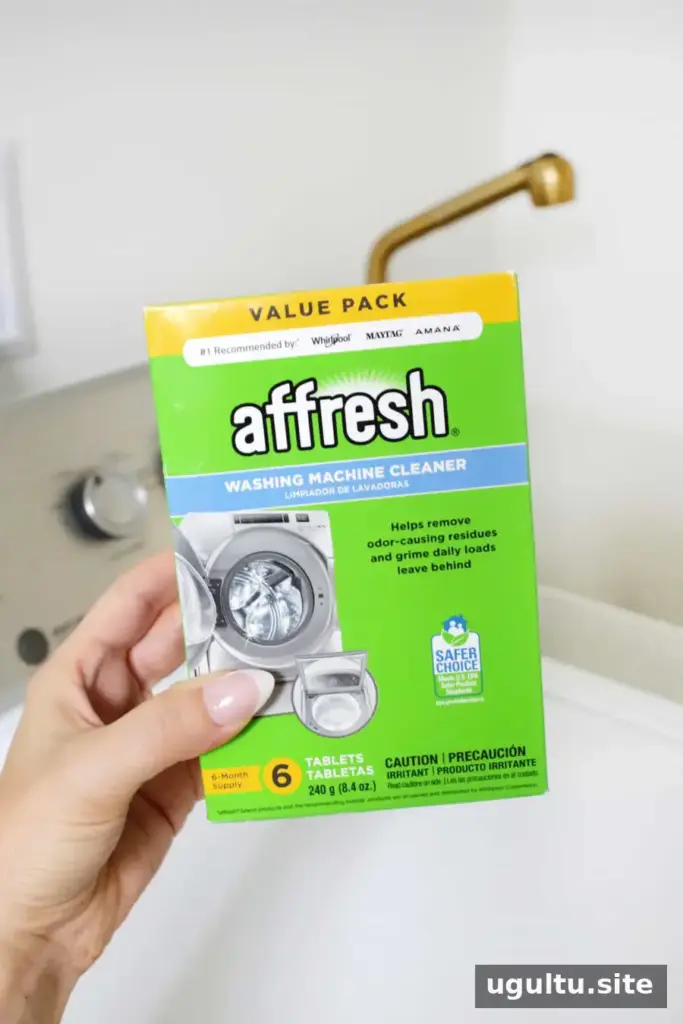
Can washer-cleaner tablets help?
Washer-cleaner tablets can be an alternative to homemade cleaning methods. Put a tablet into the empty washer and select the clean-washer cycle, following the package directions. If your machine does not have that cycle, consult its manual for the appropriate setting. Wipe away any remaining residue afterward. Do not combine tablets with bleach, vinegar, or other cleaners unless both manufacturers expressly allow it.
What if brown spots appear on laundry?
Brown marks may have several causes, including rust, residue, or stains from another source. Inspect the drum with a flashlight for visible rust, but avoid scraping or applying a coating product without checking the manufacturer’s advice. If the marks continue, consult a qualified appliance technician.
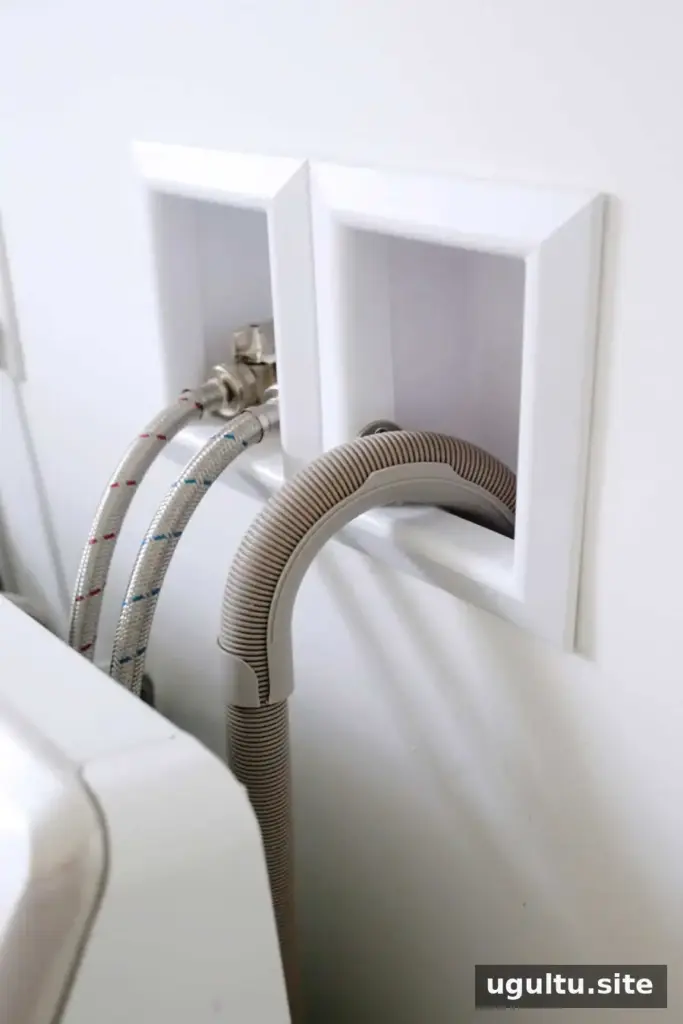
Does the washing machine drain hose need cleaning?
Check the washer manual before disconnecting or cleaning the drain hose. Some models require specific steps, and an incorrectly reattached hose can leak or drain improperly. If the manual permits user cleaning, unplug the washer first, prepare a bucket and towels for residual water, and follow the stated removal and cleaning instructions. Contact a technician if the hose is blocked or difficult to access.
Frequently asked questions
Can vinegar damage a washing machine?
Repeated use of undiluted vinegar can affect rubber gaskets and seals. Because washer materials and manufacturer guidance differ, use vinegar only if the manual permits it, and keep it away from rubber parts unless the manufacturer says otherwise.
Can I clean the washer with bleach only?
If bleach is approved for your model, you can use the washer’s recommended bleach-cleaning method without adding vinegar. Follow the bleach label and machine manual, complete the full cycle, and run any additional rinse they recommend. Never mix bleach with vinegar or another cleaner.
Conclusion
To know how to clean a washing machine effectively, start with the manufacturer’s instructions, use only an approved cleaning method, and never mix bleach with vinegar. Regularly wiping the seal and dispensers, cleaning the filter as directed, and letting the drum dry can help keep odors and residue under control.