admin


Winter weather can leave leather boots marked by road salt, mud and everyday dirt. A few careful cleaning and storage habits can help keep them in good condition from one season to the next. This guide to leather boot care covers cleaning, scuff removal, protection and storage, with separate advice for suede.
Leather boot care: cleaning salt and dirt
Start by removing loose dirt and debris. For salt marks, mix equal parts white vinegar and water, then gently dab the marks with a soft cloth. Let the boots dry and buff them with a clean, soft cloth. If the salt is still fresh, wiping it away promptly with a damp cloth may be enough.
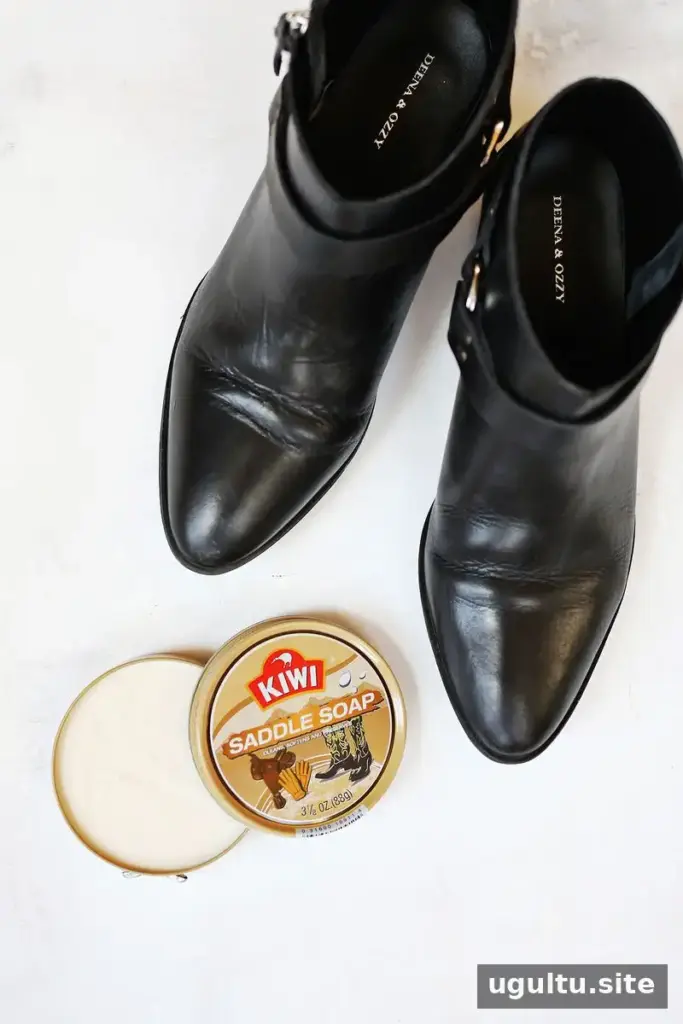
For general dirt on smooth leather, saddle soap can help clean and condition the material. Wipe away loose dirt with a damp rag, then work the damp rag into the soap to make a lather. Apply it gently to the boot, leave it for a few minutes and wipe away the lather with a clean, damp cloth. Follow the product directions and avoid using more soap than needed.
Remove scuffs gently
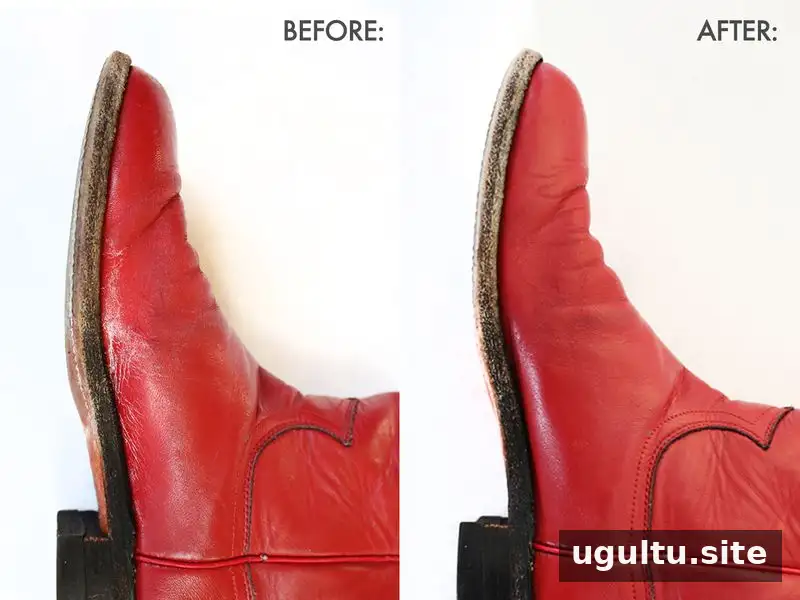
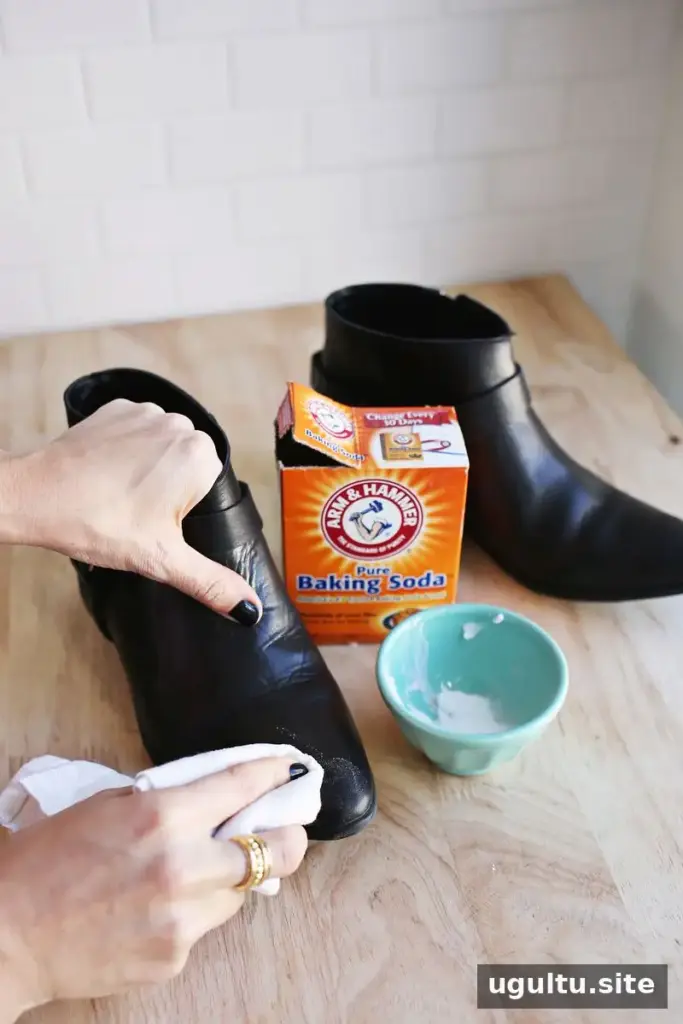
A small amount of baking soda can help lift scuff marks from smooth leather. Dampen a soft cloth, touch it to the baking soda and rub the mark gently. Wipe the area clean, allow the boot to dry, then buff it with a soft cloth. Use a light touch, and test the method on an inconspicuous spot first.
Protect boots from future winter damage
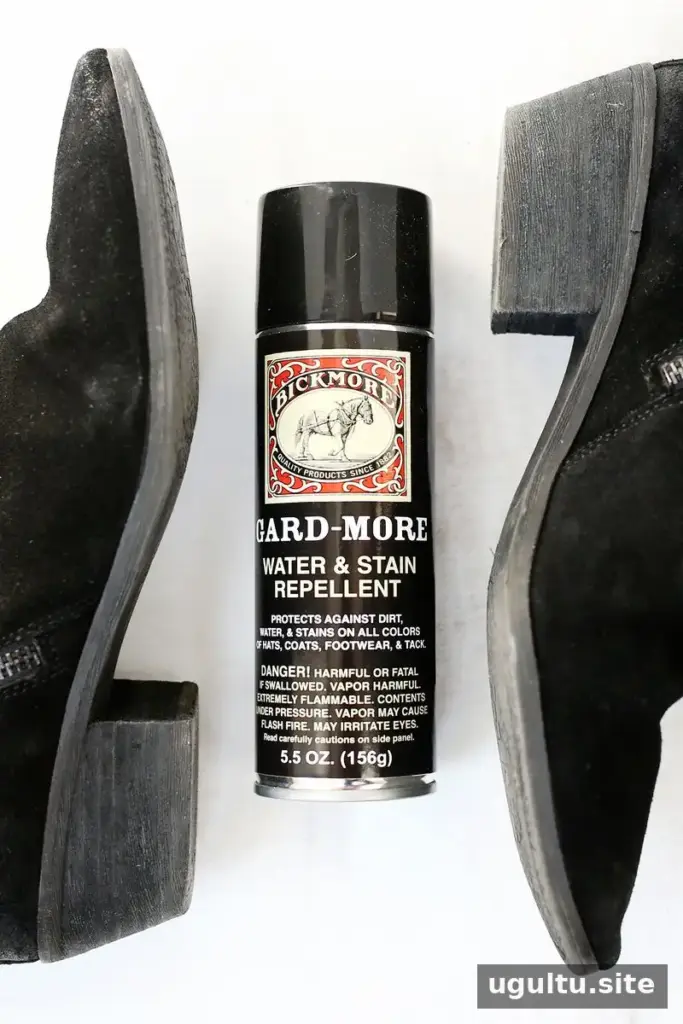
Apply a waterproofing spray to clean, dry boots at the start and end of the season, and after cleaning when needed. This can help create a protective barrier against moisture and salt. Check that the spray is suitable for your boot’s leather, follow its instructions and test it on a hidden area before treating the entire boot.
Dry and store leather boots properly
After cleaning or getting caught in wet weather, let boots dry in a warm place away from direct heat sources such as radiators. Excessive heat can make leather brittle and contribute to cracking. Make sure boots are clean and completely dry before storing them, so dirt and salt are not left on the leather during the off-season.
Avoid sealed plastic bags, which can limit airflow. Instead, use a fabric bag or a box with a loose-fitting lid. These choices allow more air circulation while keeping boots protected from dust.
How to clean suede boots
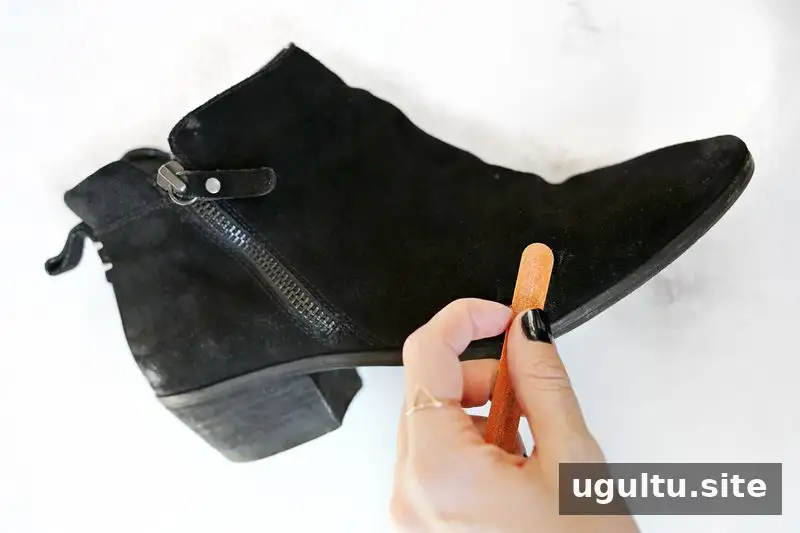
Suede needs different care from smooth leather. Avoid using the vinegar solution, saddle soap or other wet-cleaning methods described above, as moisture can affect suede’s texture. Try lifting marks with a kneaded eraser or gently using an emery board. If the surface becomes flattened, brush it with a clean toothbrush or terry cloth towel to help restore its texture.
For heavier, matted marks, briefly hold the boot near steam from a kettle, taking care to avoid hot water and burns. Then brush against the suede’s grain to loosen dirt. Use minimal steam and test any method on a discreet area first.
Test products before use
Whatever the boot material, test cleaning products and methods on a small, hidden area before treating visible sections. Leather finishes vary, so check the manufacturer’s care guidance when available. Promptly wiping away dirt and salt can also make routine cleaning easier.
Consistent leather boot care helps boots stay cleaner and can support their condition over time. Clean them gently, protect them with suitable products and store them only when fully dry.
— Laura