admin
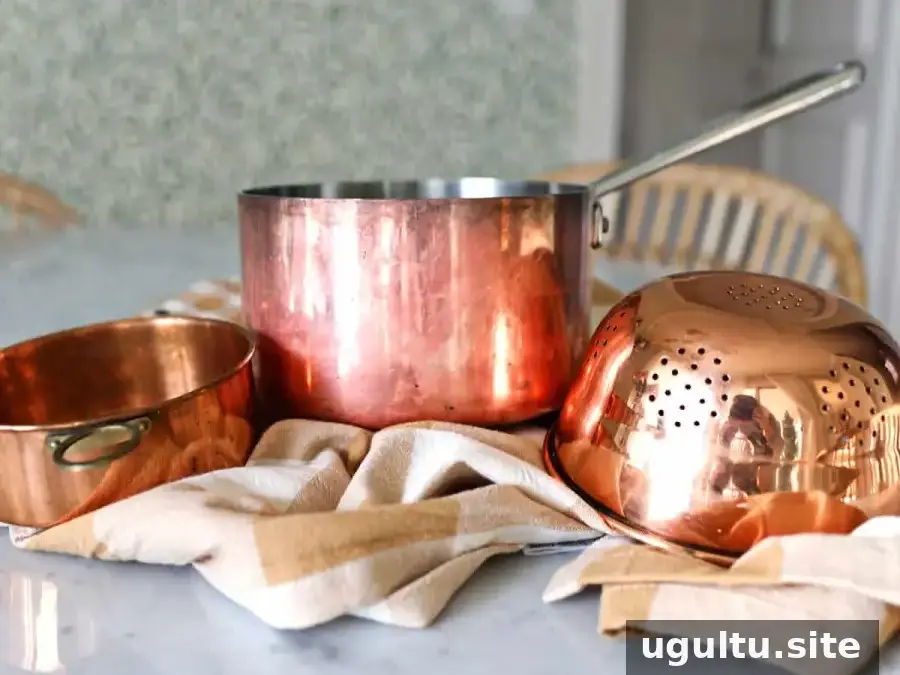
Knowing how to clean copper can help restore shine to pots, mugs and decorative pieces affected by everyday use. Water, cooking oils and exposure to air can cause copper to darken or develop a patina—a green or brown film that may appear naturally over time. Some people like this aged finish, while others prefer a brighter surface. The methods below compare common household ingredients and a commercial cleaner, so you can choose an approach that suits the item and the finish you want.
Before cleaning, check whether the copper is lacquered or has a protective coating. Acidic ingredients and polishing products may damage that finish, so follow the maker’s care instructions when available. For food-contact items, rinse thoroughly after cleaning and dry completely. Test any method on a small, inconspicuous area first.

How to Clean Copper Pots with Vinegar
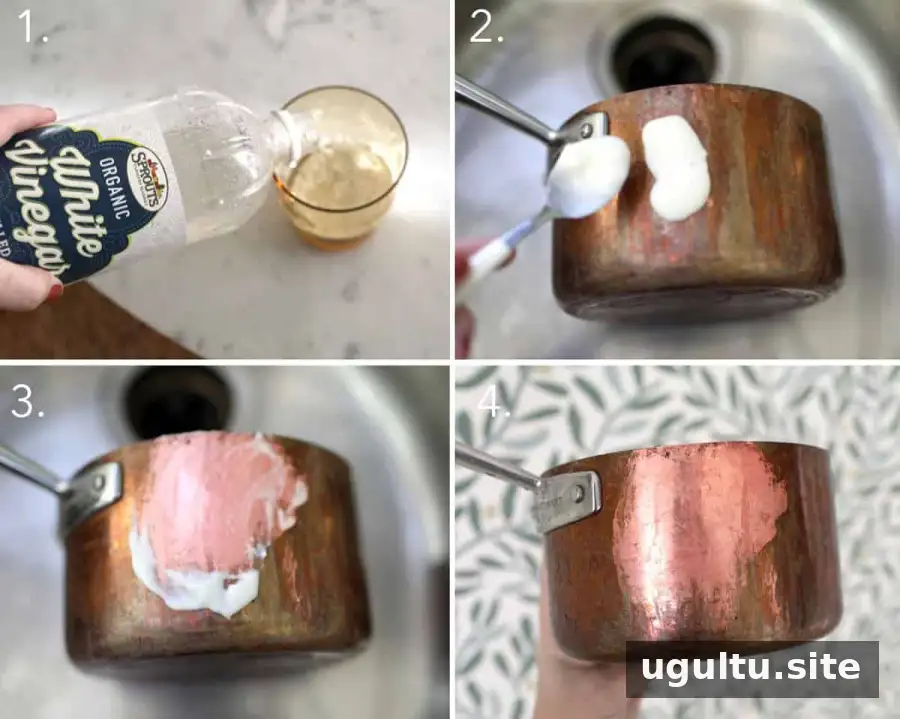
To make a simple cleaning paste, combine 2 tablespoons of salt, 2 tablespoons of flour and enough white vinegar to form a spreadable mixture. Apply it to the copper with a spoon or finger, then rub gently with a damp cloth. Rinse well with water and dry the surface.
This method produced a noticeable color change in the comparison. For stubborn dark spots, apply the paste again and let it sit for a few minutes before wiping it away. Avoid leaving acidic paste on copper longer than needed, and rinse carefully, especially on cookware.
Reported rating: 10/10. The ingredients are commonly found at home, and the paste was reported to work effectively on tarnish.
Cleaning Copper with Lemon Juice and Baking Soda
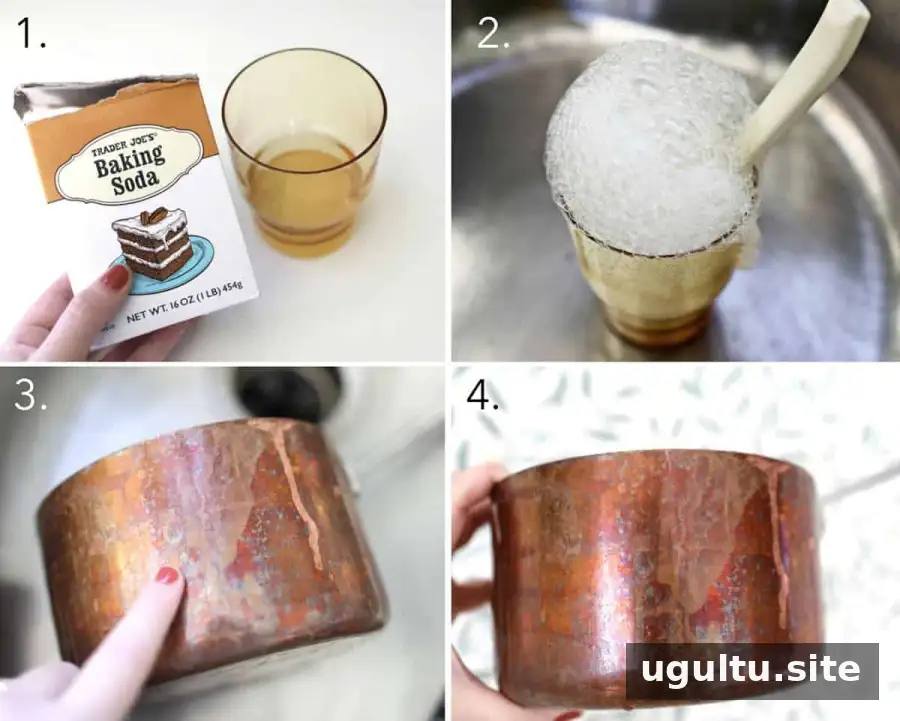
Mix equal parts fresh lemon juice and baking soda. The ingredients can bubble vigorously, so combine them in a sink or another easy-to-clean area. Once the bubbling settles, the mixture may be quite runny. Apply it to the copper with a cloth or paper towel, rub gently, then rinse and dry.
In the comparison, this mixture changed the surface color but did not remove tarnish as thoroughly as the vinegar paste. It may be an option when other ingredients are unavailable, but use a small test area first.
Reported rating: 4/10.
Cleaning Copper with Ketchup
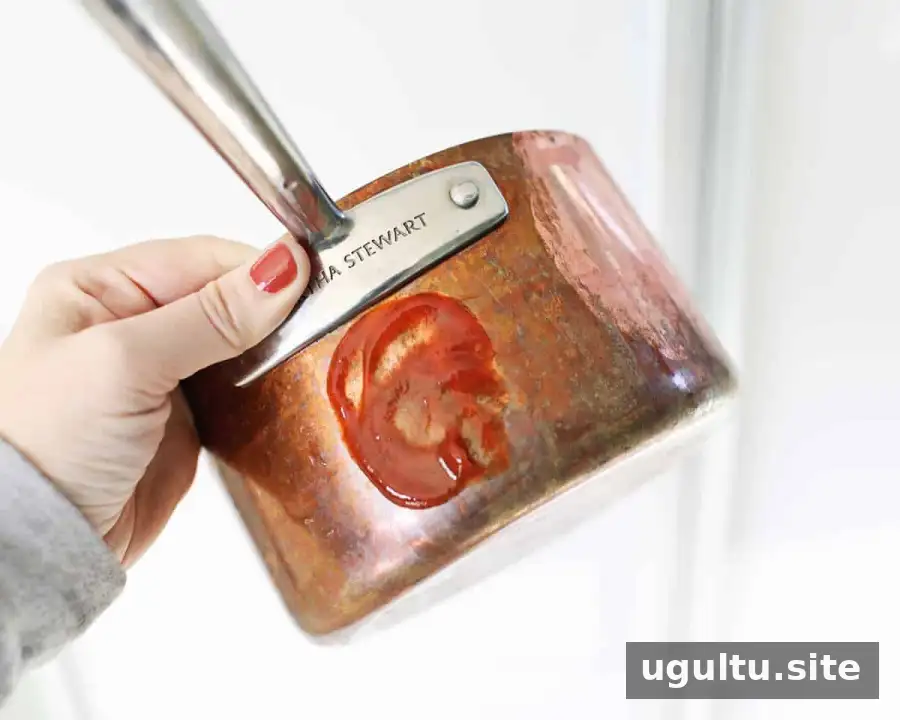
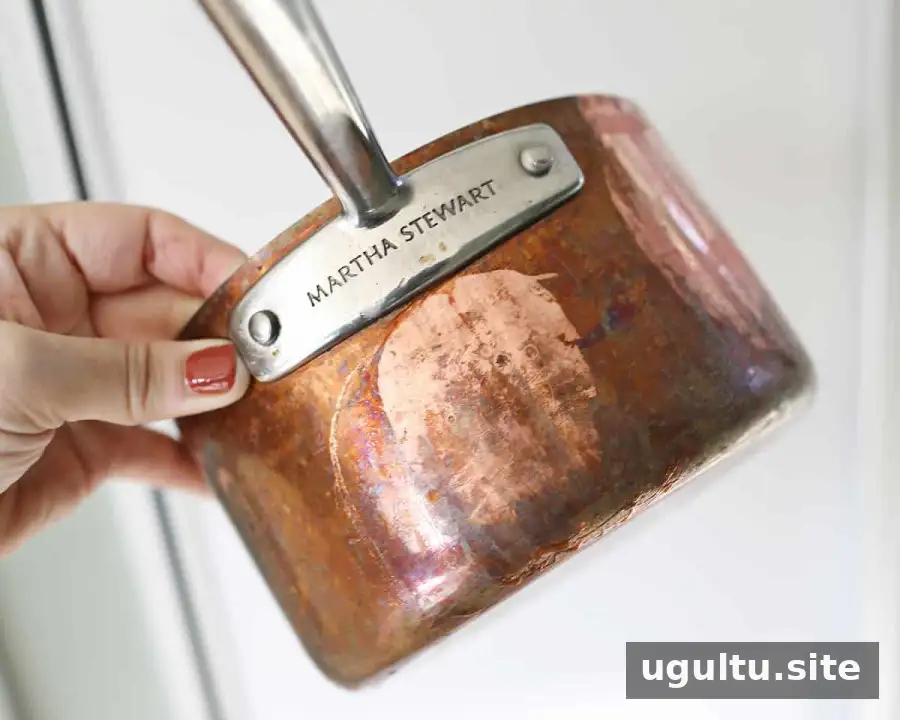
Spread a thin layer of ketchup over the copper and leave it for about one minute. Rub the surface with a cloth, rinse thoroughly and dry. The acidity in ketchup can help loosen tarnish, but do not leave it on longer than necessary.
This approach was reported to work well while leaving more of the patina’s texture than the vinegar paste. It may suit anyone who wants a gentler-looking result rather than a fully polished appearance.
Reported rating: 8/10.
Using a Commercial Copper Cleaner
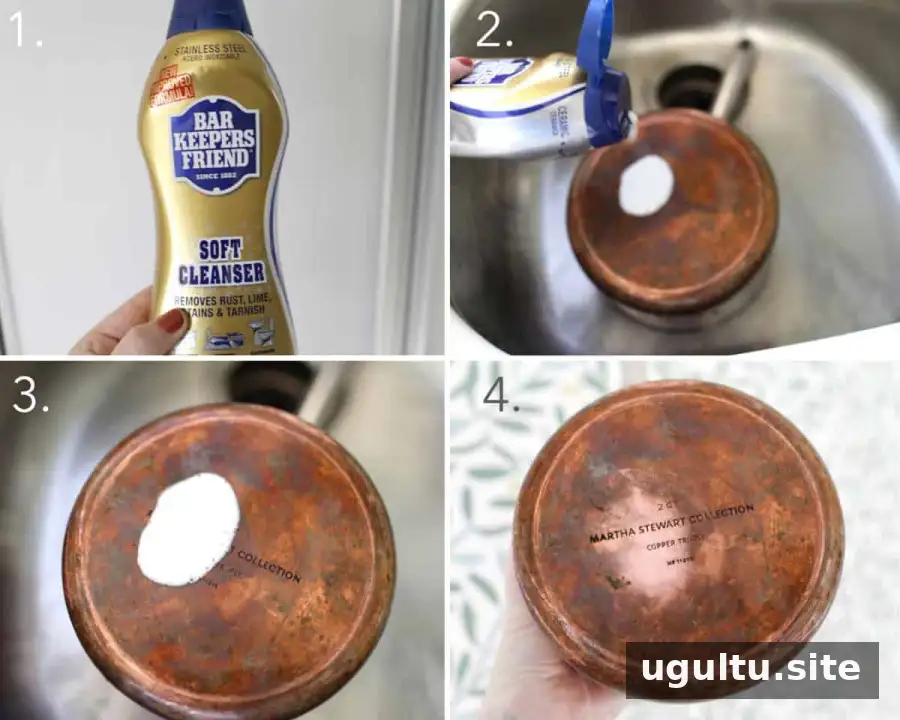
Commercial cleaners are available in liquid and powder forms and can work quickly. Use the product only as directed on its label, wear gloves if the instructions recommend them, and store it securely away from children. Do not combine it with vinegar, lemon juice or other cleaning products.
In the comparison, the commercial cleaner was effective, but the vinegar paste achieved a similar cleaning result. The reported rating was 7/10. A dedicated cleaner may be convenient, but check that it is suitable for the specific copper item and finish before use.
Choosing the Right Copper-Cleaning Method
For a strong household option, the vinegar, salt and flour paste performed best in the comparison. Ketchup offered a less intense result, while lemon juice and baking soda made a smaller difference. A commercial product can also be effective when used according to its directions.
- Choose a mild method and test it on a hidden spot first.
- Use a soft cloth and gentle pressure to reduce the risk of scratching.
- Rinse away all residue and dry copper promptly after cleaning.
- Check care instructions before treating lacquered items or cookware.
The best way to clean copper depends on its condition and whether you want to preserve or remove its patina. Start with a small test, handle the surface gently and rinse it thoroughly to help protect the finish.