admin
Peeling paint on windows can make a room look neglected, and it may point to recurring moisture around the frame or sill. A lasting repair takes more than adding a fresh coat: remove loose paint, prepare the surface, and use a suitable primer before repainting. These steps can help restore the finish and make it easier to spot moisture problems early.
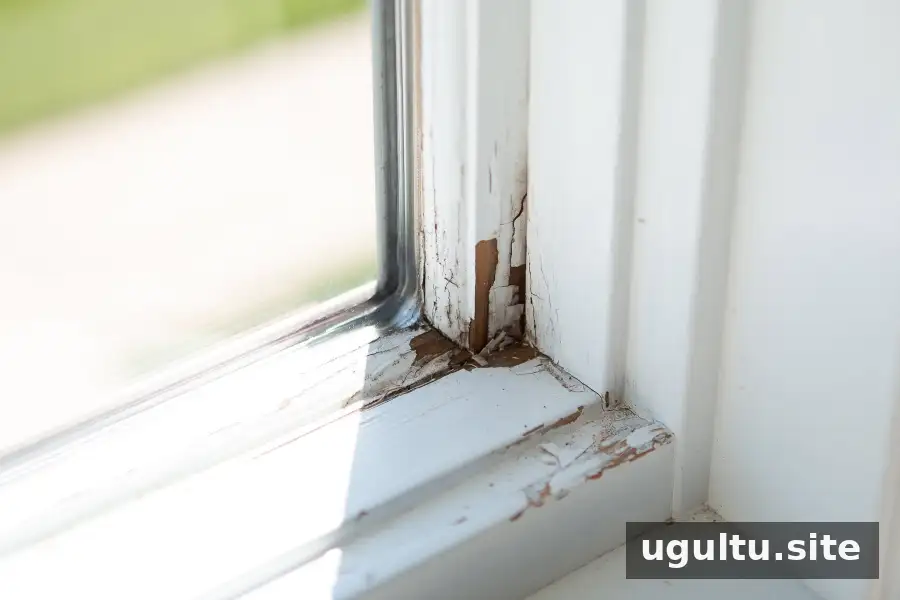
Condensation on cold window glass can contribute to paint bubbling or flaking, particularly around older frames and sills. Before starting, check the window for signs of ongoing water entry or damage. If the wood feels soft or the paint keeps failing, the underlying issue may need attention as well as a new finish.
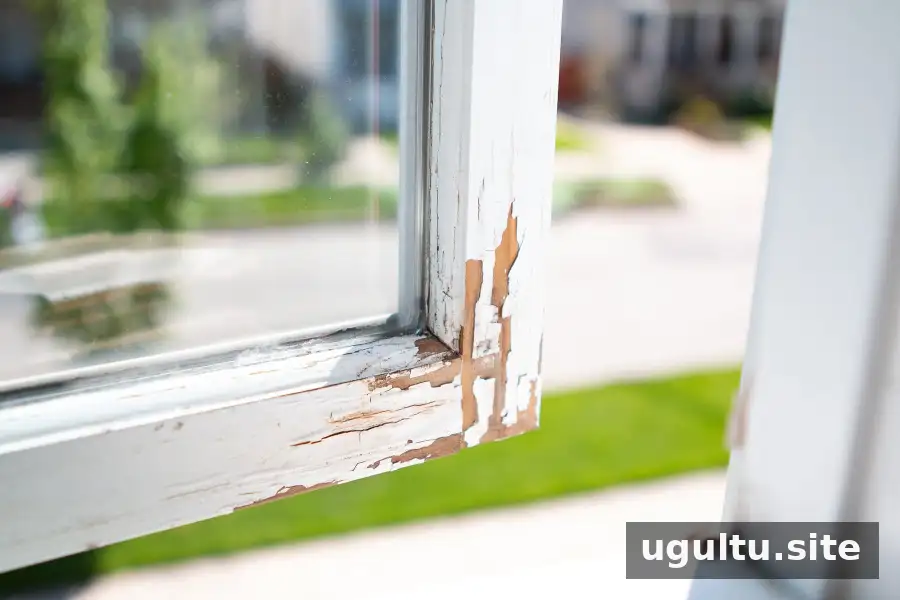
Choose a warm, dry day if the work requires opening the windows while the paint dries. Always check the paint and primer labels for their recommended application temperatures and drying times.
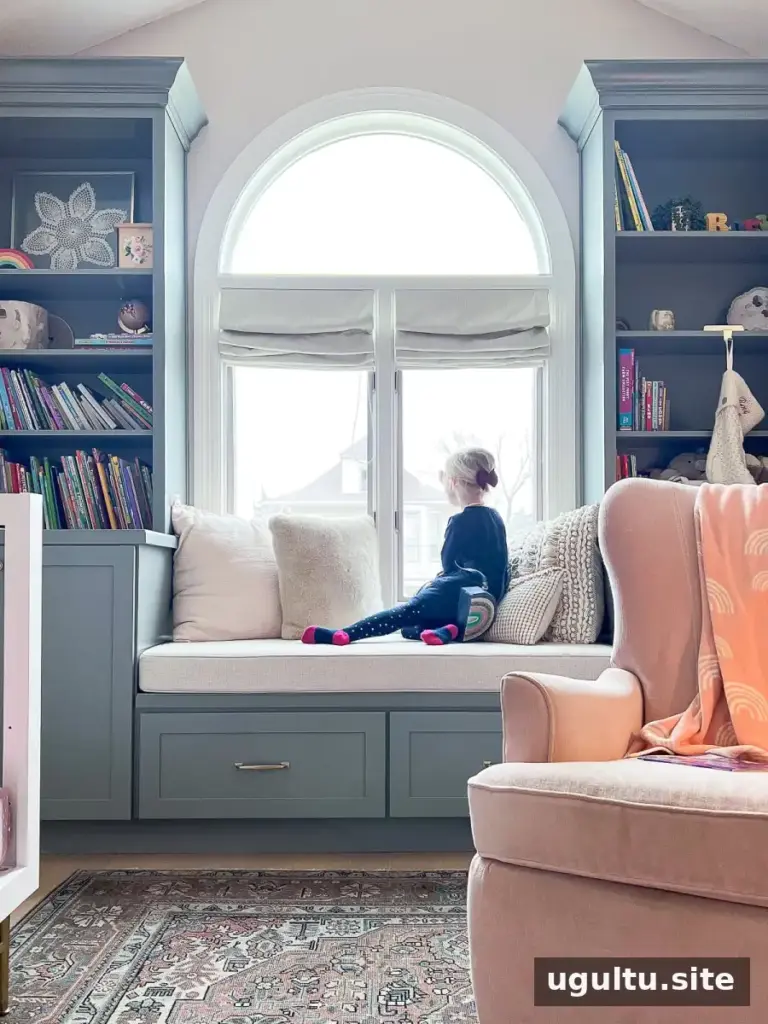
How to Fix Peeling Paint on Windows
Gather your supplies before you begin. You will need:
- Paint scraper
- Sanding sponge or 220-grit sandpaper
- Clean rag
- Paintbrush
- Moisture-resistant primer
- Painter’s tape
- Paint
- Vacuum
- Drop cloths
Cover the floor and nearby surfaces with drop cloths. Keep the work area tidy and collect paint debris safely, especially if you are working in an older home.
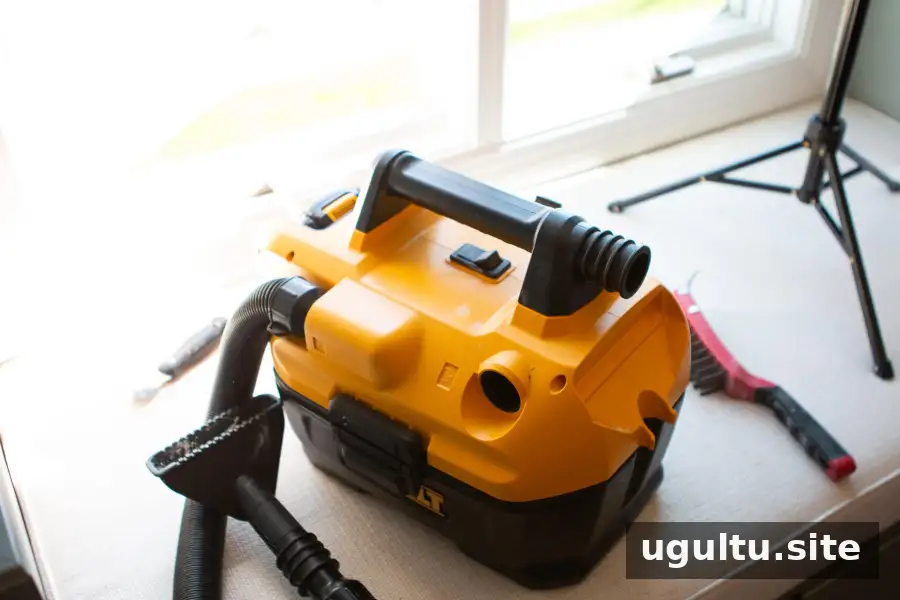
Remove Loose and Flaking Paint
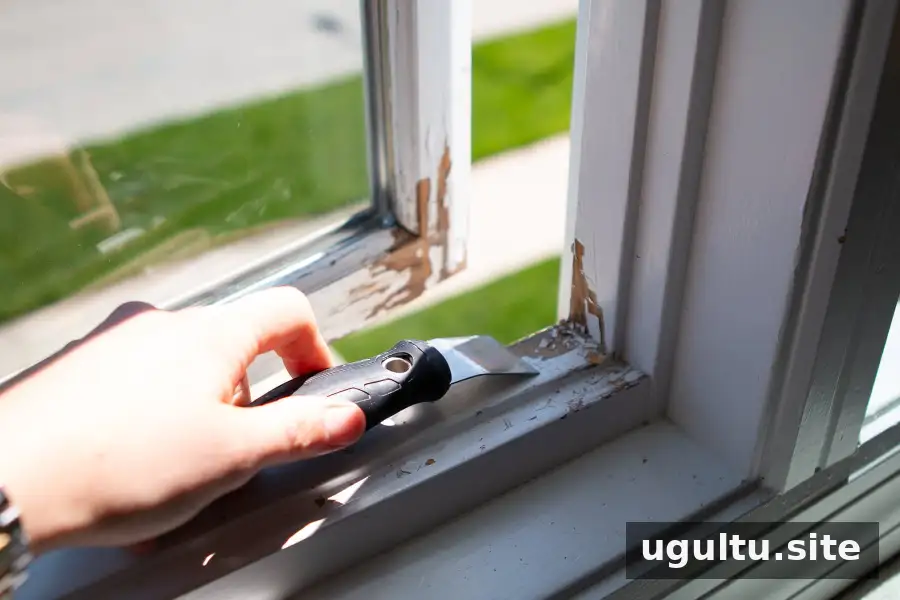
Use a scraper to lift paint that is already loose, working carefully along the damaged areas. A wire brush may help with stubborn flakes, but avoid gouging the wood. Focus on corners and edges where peeling is often most noticeable. Do not simply paint over flaking layers; the new coating may lift along with them.
If scraping exposes small holes or shallow dents in sound wood, fill them with wood putty and smooth the repair with a putty knife. Let the filler dry as directed before sanding.
Important safety note: Painted windows in homes built before 1978 may contain lead-based paint. Test the paint before disturbing it. If lead is present or you are unsure how to handle it safely, do not scrape or sand the surface; follow local guidance and consult a qualified lead-safe professional.
Sand the Surface Smooth
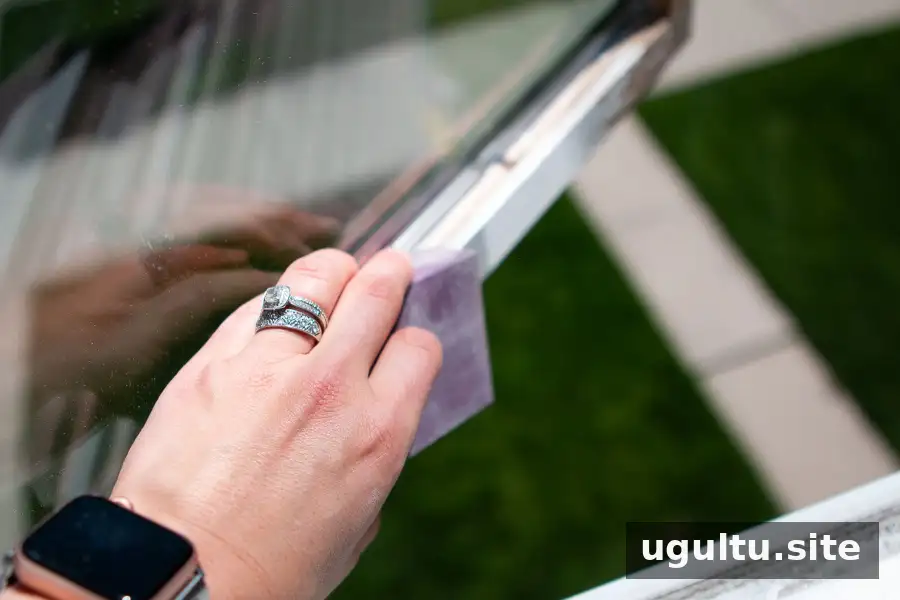
After removing loose paint, sand the edges where bare wood meets the remaining sound paint. Use 220-grit sandpaper or a sanding sponge to soften the transition and create a smoother surface for the primer. Sand gently and avoid removing paint that is firmly attached.
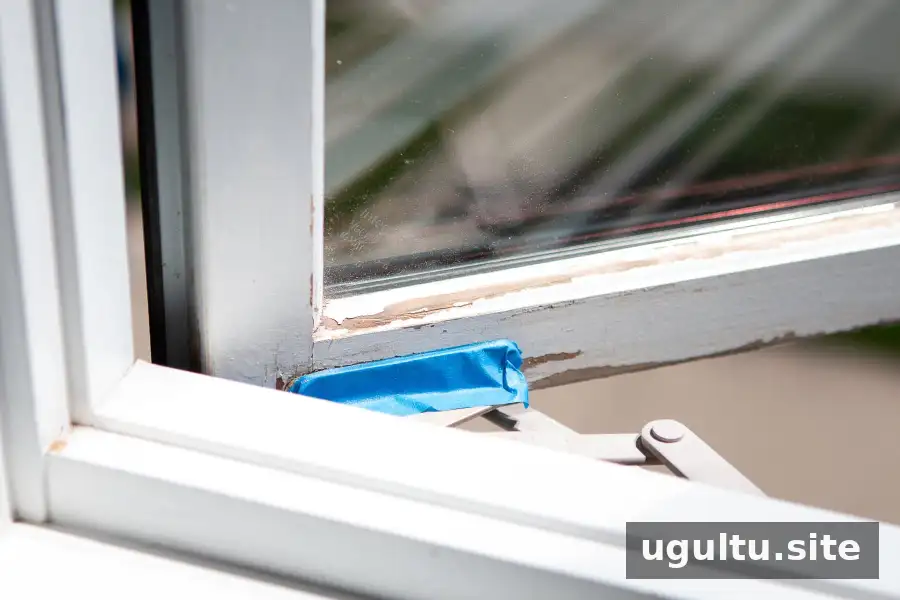
Wipe away dust and residue with a clean rag. A vacuum can help collect loose flakes and sanding dust. Apply painter’s tape around the glass and hardware to protect them from primer and paint.
Apply a Primer That Helps Resist Moisture
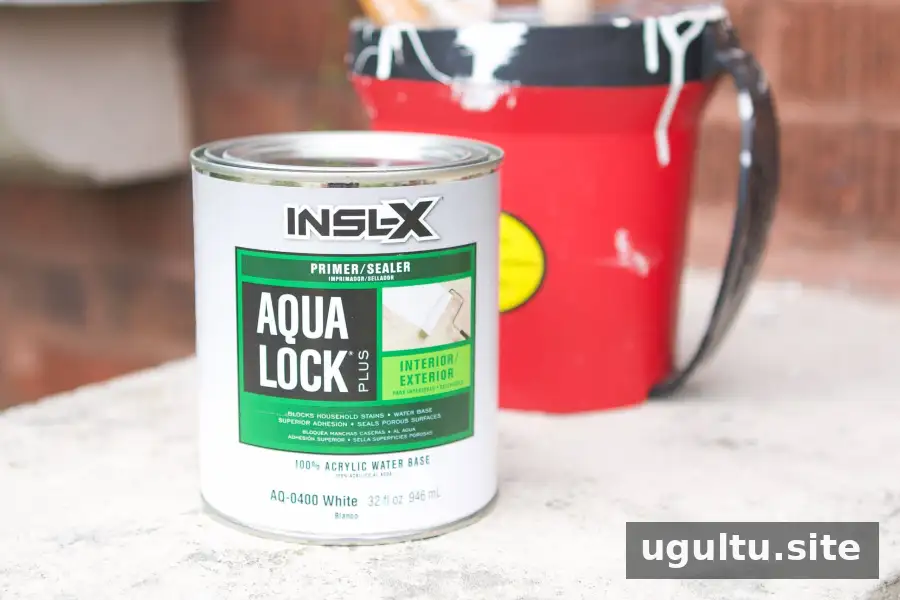
Primer is an important part of repairing peeling paint on windows. Choose a primer suitable for the window’s surface and intended paint, with moisture-control properties where appropriate. A suitable primer can help seal porous areas and reduce the appearance of water stains. Follow its label for surface preparation, coverage, and drying time.
Apply a thin, even coat. If the product instructions allow, add a second coat after the recommended interval. Avoid painting over primer that is still wet or tacky.
Apply Light Coats of Paint
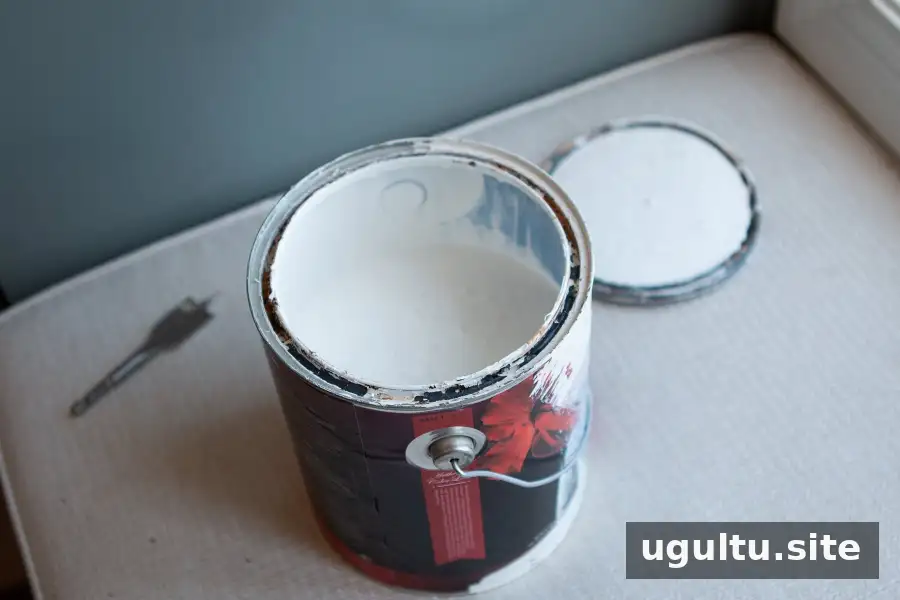
Once the primer has dried according to its label, apply the finish paint with a brush. Several light coats can provide a more even finish than one heavy coat. In the example, three light coats were applied, with about 30 minutes to an hour between coats; drying times vary, so use the paint manufacturer’s directions as your guide.
Remove painter’s tape while the final coat is still wet to help prevent the paint from lifting along the tape edge. Leave the window open to dry if conditions allow. The example window was left open for another 4–6 hours before it was shut, but check the product’s instructions and make sure the paint is ready before closing the window.
Check the Repair and Monitor the Window
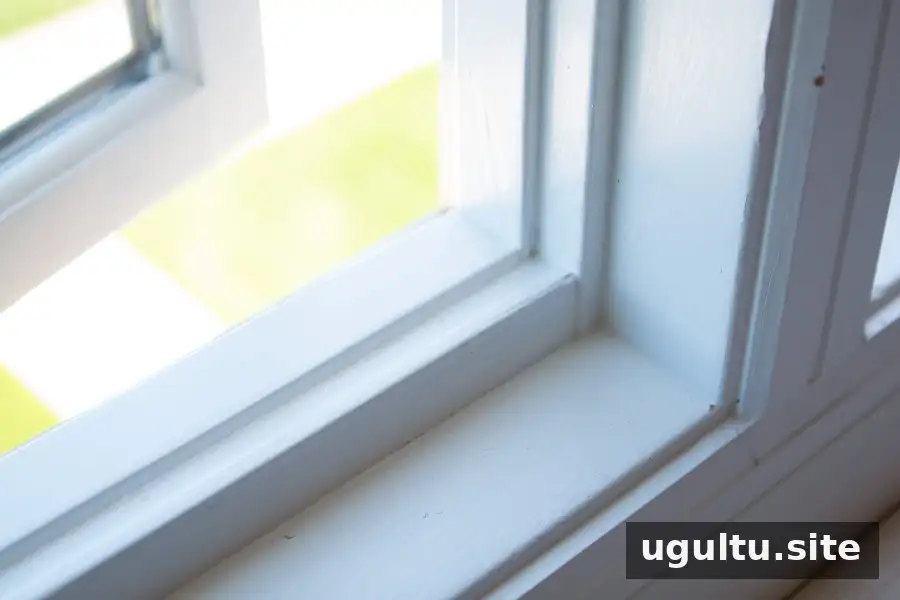
When the paint has fully dried, inspect the repaired area for missed spots or uneven edges. Careful scraping, sanding, and priming can help the new finish blend with the surrounding paint.
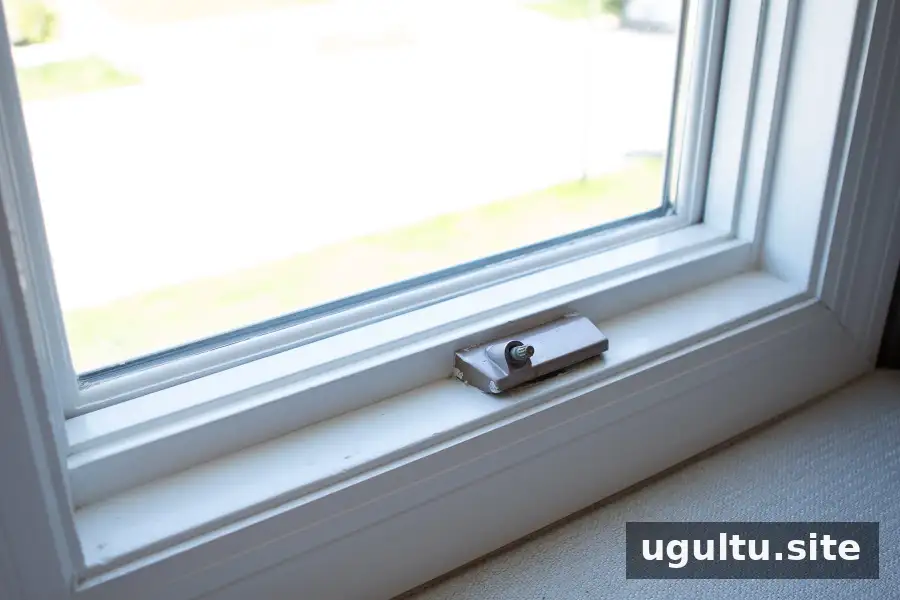
Keep an eye on the sill and frame after the repair. If peeling returns, look for persistent condensation, leaks, or other signs of moisture. Repeated paint failure may indicate a problem that needs more than repainting, such as damaged wood or a window that requires repair or replacement.
More Painting Guides
For other painting projects, consider learning how to choose paint, compare paint sheens, paint interior doors, or paint a room from start to finish. Matching the paint type and finish to the surface can help you plan a more durable result.
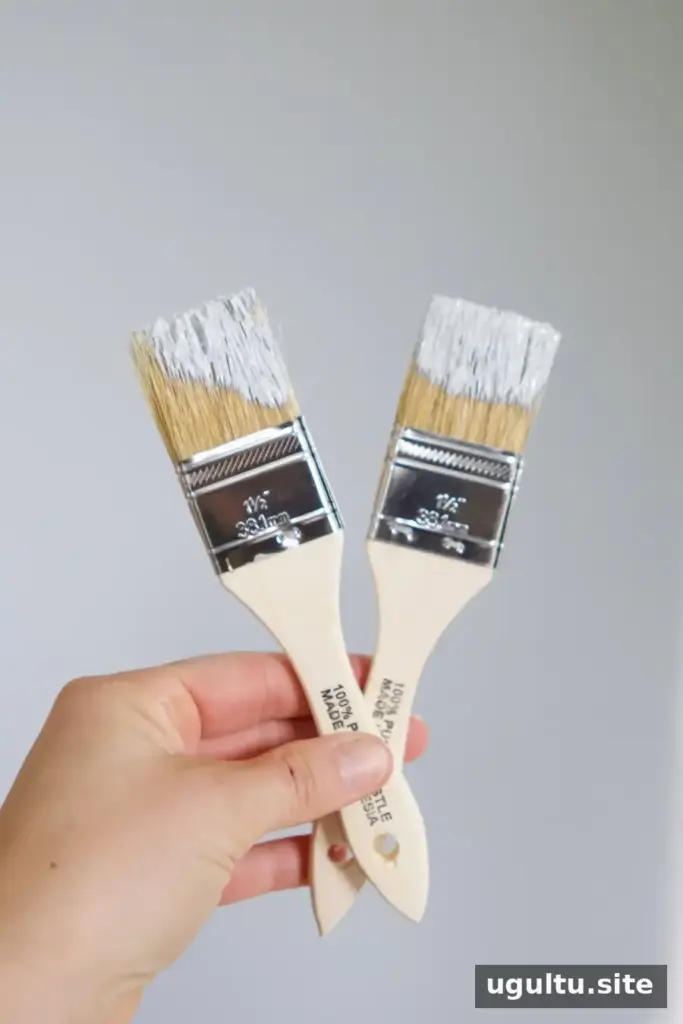
How to Choose the Right Paint for Your Project
The Difference Between Paint Sheens
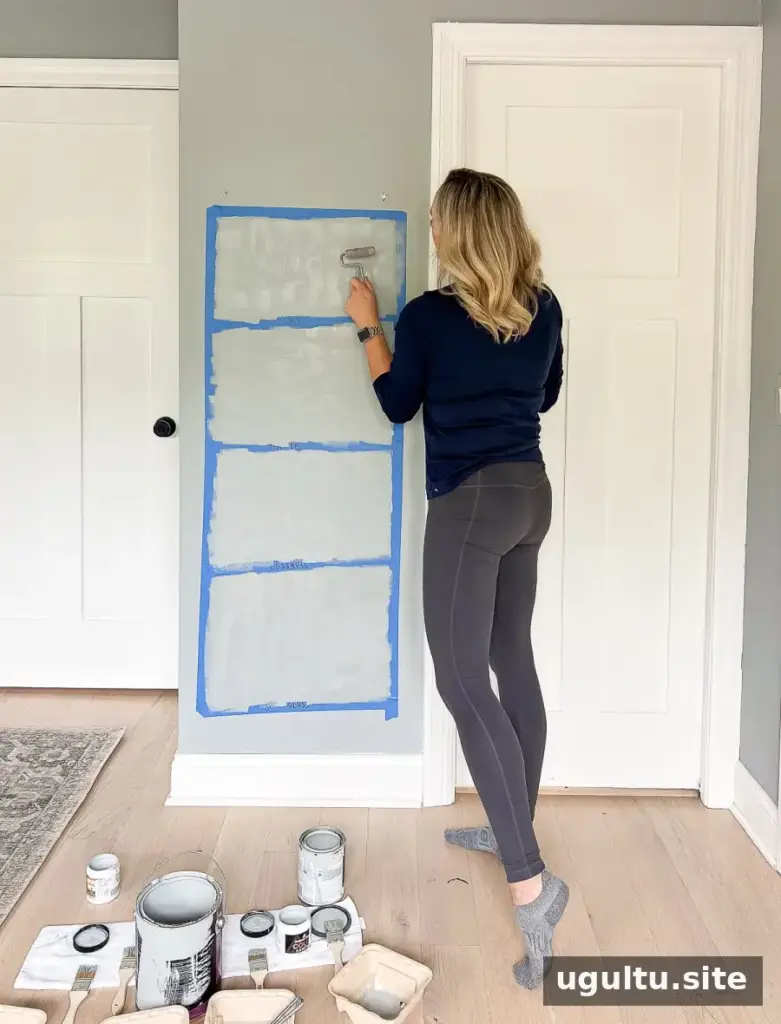

How to Paint Interior Doors
How to Paint a Room From Start to Finish
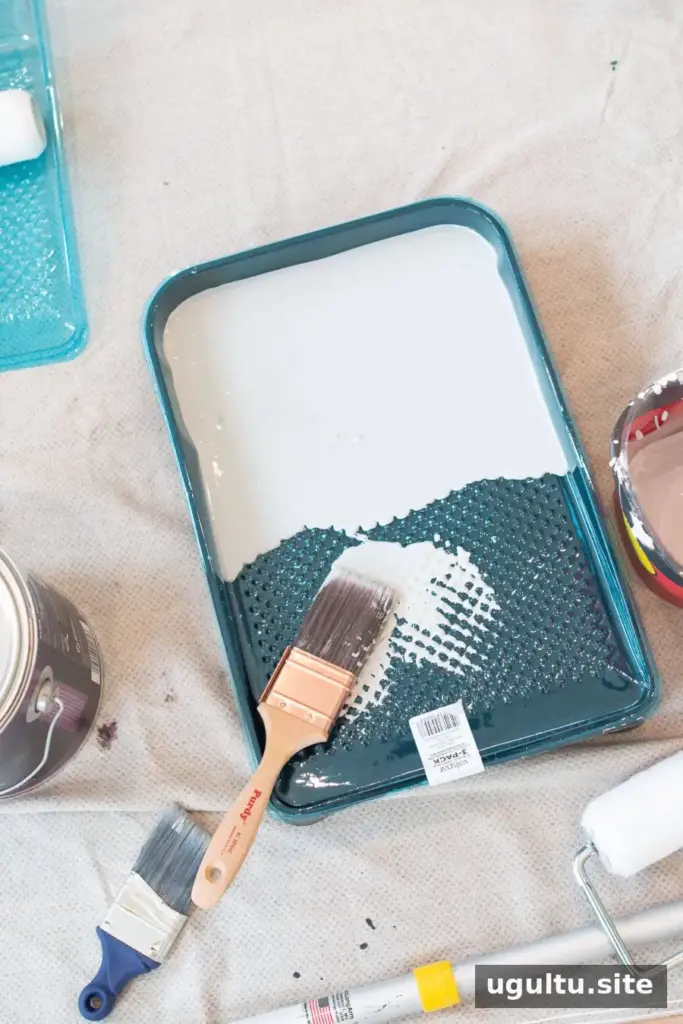
With the right preparation and a suitable primer, peeling paint on windows can often be repaired neatly. Remove loose paint, sand the edges smooth, and follow product drying instructions. If moisture is causing the damage, address that cause too so the repair has a better chance of lasting.