
 admin
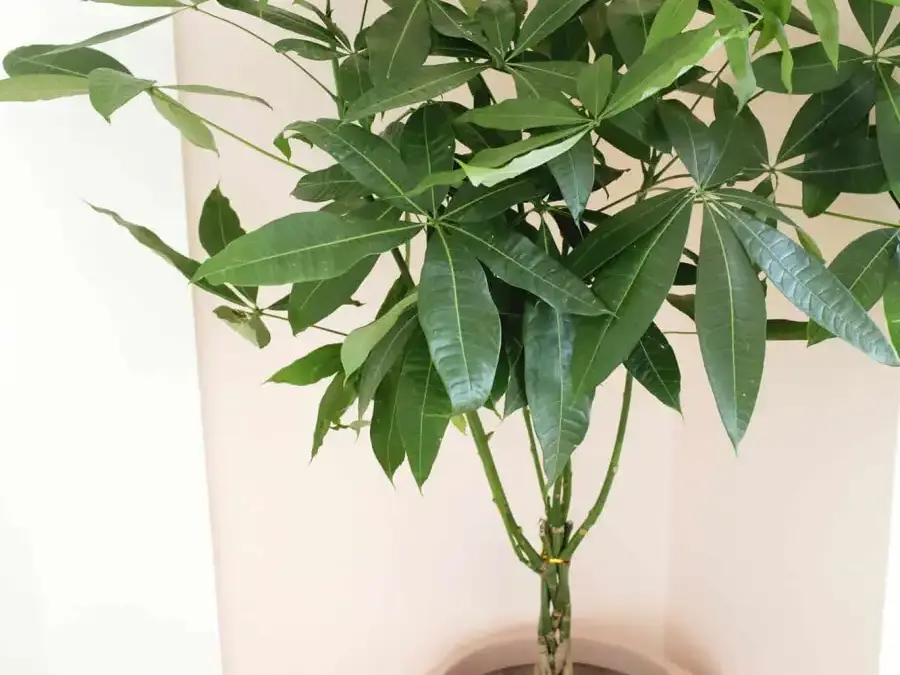
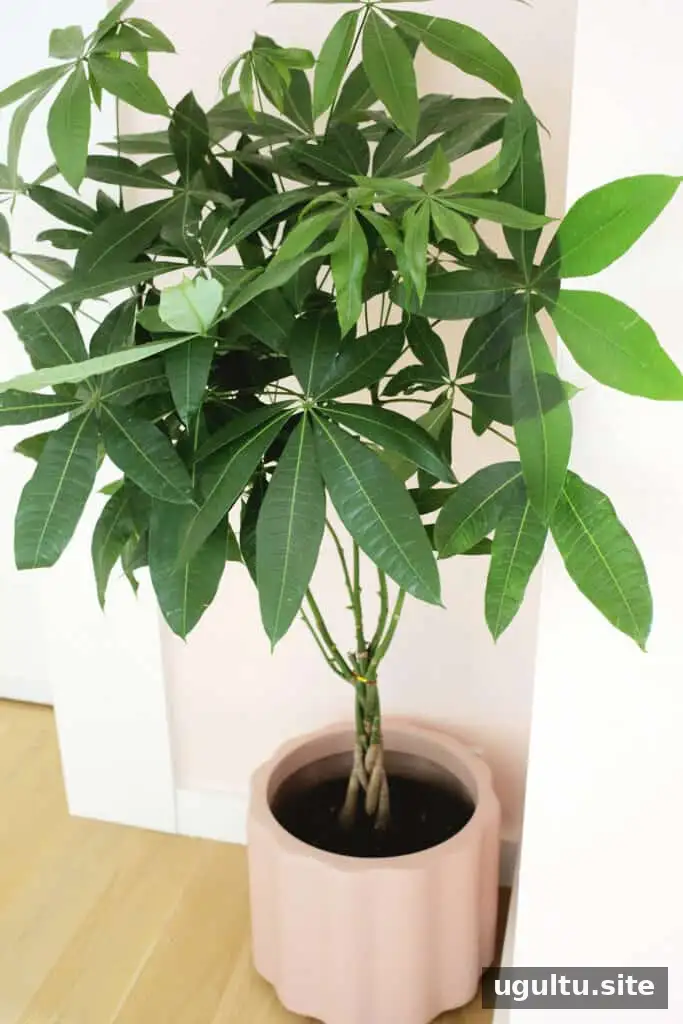
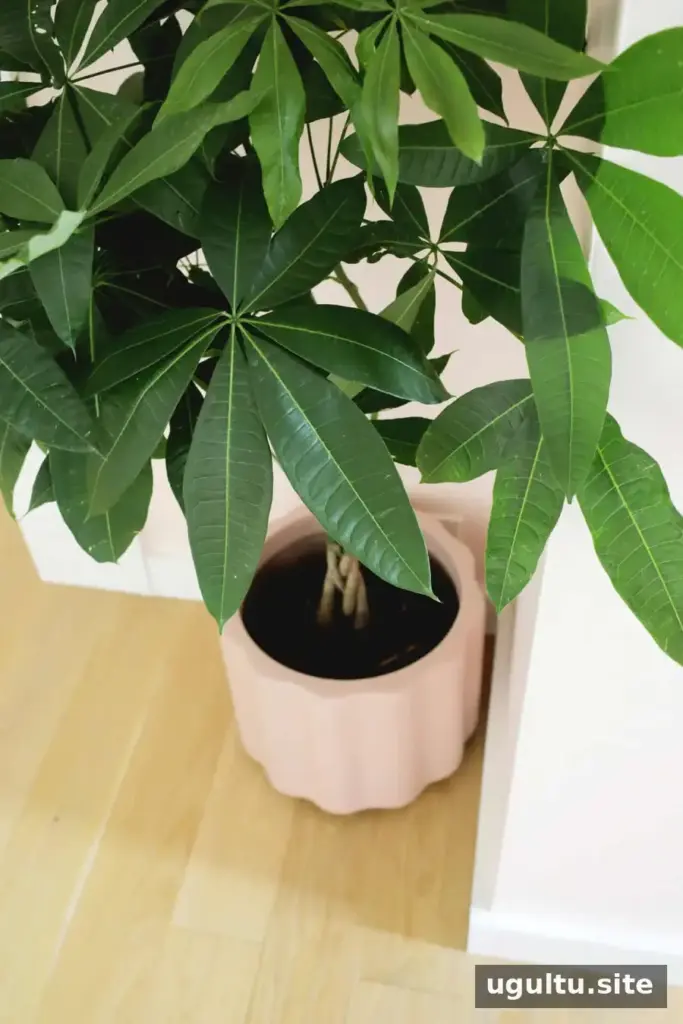
Good Money Tree care starts with the right balance of light and water. Known botanically as Pachira aquatica, this tropical plant has glossy, hand-shaped leaves and often features several stems braided together. It can grow up to 8 feet tall indoors, making it a striking choice for a home or office. The plant is considered beginner-friendly, but a few simple habits help prevent common problems such as yellow leaves and root rot.
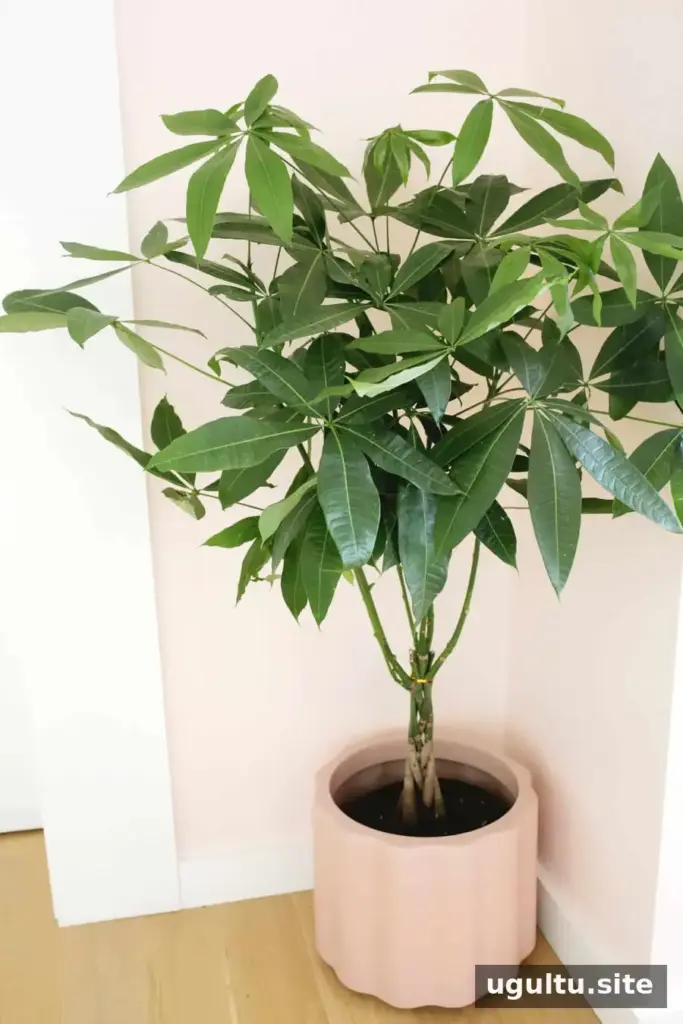
Why are Money Trees considered lucky?
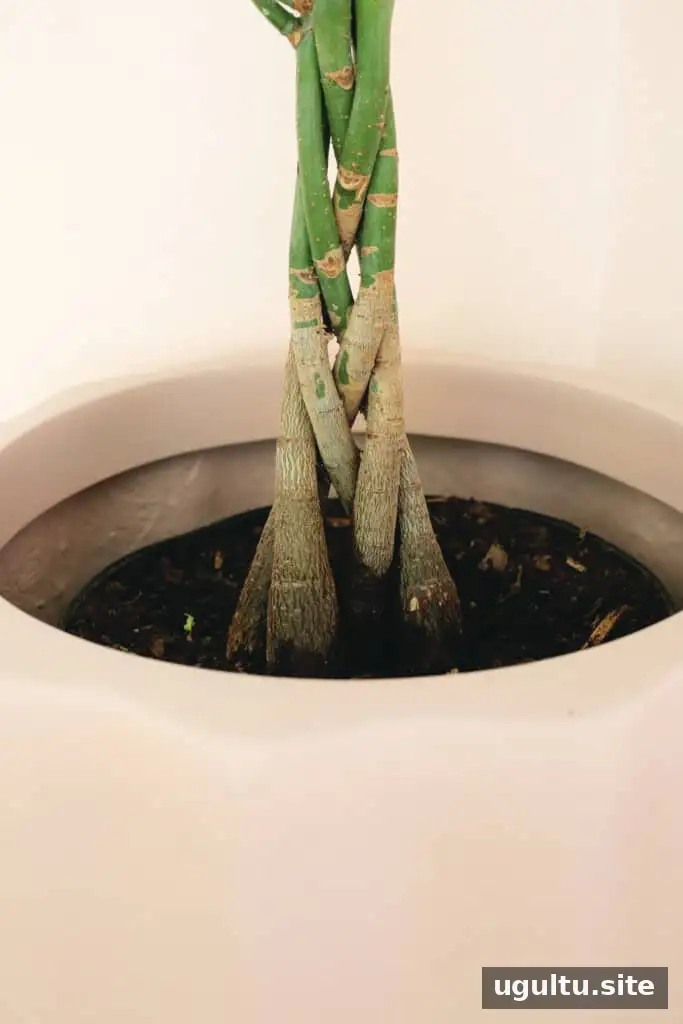
In Chinese culture and feng shui, the Money Tree is associated with good luck and prosperity. Its leaflets are said to resemble coins, while the five braided stems are commonly linked to the five feng shui elements: water, fire, earth, metal, and wood. These are cultural beliefs rather than horticultural benefits, but they help explain the plant’s popularity as a gift or decorative feature.
Choose a stable spot where the plant can receive suitable light and remain undisturbed. Money Trees may drop leaves after a move, so avoid relocating them frequently.
Money Tree care: how often should you water?
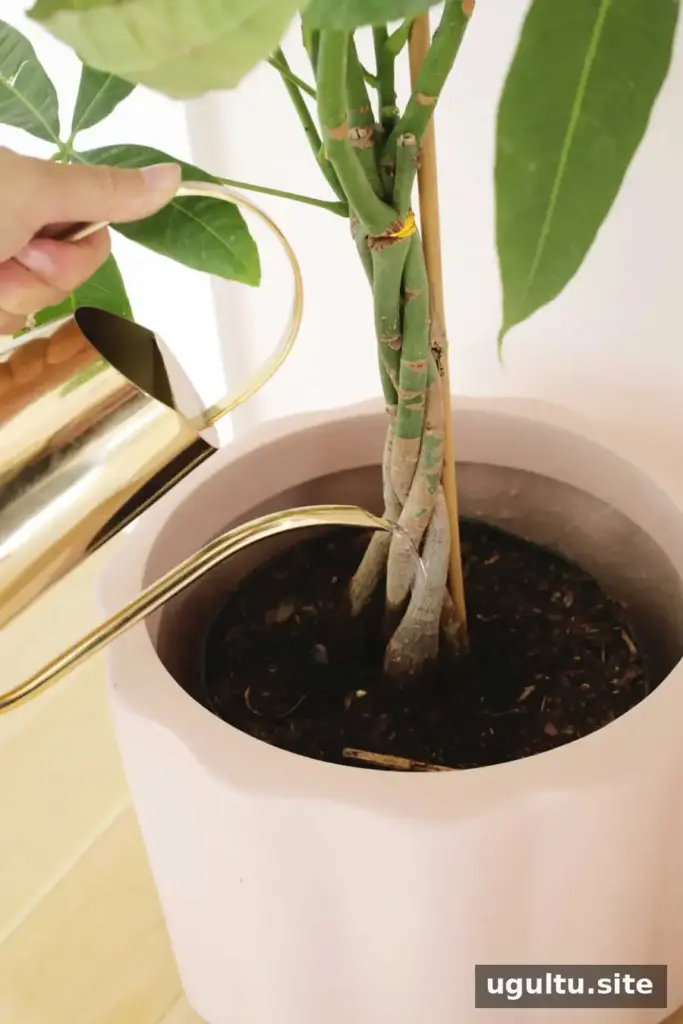
Water when the top 2–4 inches of soil feel dry. Check with a finger before watering, since the soil may dry at different rates depending on the season, light, and conditions in your home. Money Trees appreciate regular watering but should not sit in soggy soil.
Use a pot with drainage holes and a well-draining potting mix. Water until excess flows from the holes, then empty the saucer. This simple step helps limit the risk of root rot. Plants in brighter areas may need water more often than those growing in lower light.
How much sunlight does a Money Tree need?
Bright, indirect light is ideal. A position near a bright window can work well, but keep the plant out of strong direct sun, which may scorch its leaves. Money Trees can adapt to lower light, although insufficient light may slow growth and contribute to yellowing leaves.
Turn the pot every few weeks so each side receives light. This encourages more even growth and helps prevent the plant from leaning toward the window.
Should you fertilize a Money Tree?
During spring and summer, feed the plant once or twice a month with a general-purpose fertilizer diluted to half strength. Apply fertilizer to damp soil rather than dry mix, and pause feeding if the plant is not actively growing. Follow the product label and avoid adding more fertilizer than directed.
Temperature and humidity for Money Trees
As a tropical plant, a Money Tree generally does well at 65–85°F. It prefers humidity around 50%. If indoor air is dry, use a humidifier or set the pot above a pebble tray containing water. Keep the base of the pot above the waterline so the roots do not sit in water. Grouping plants together may also help create a slightly more humid area.
Outdoors, place the plant in partial shade and bring it inside if temperatures fall below 50°F. Protect it from cold drafts indoors as well.
Pruning Money Trees
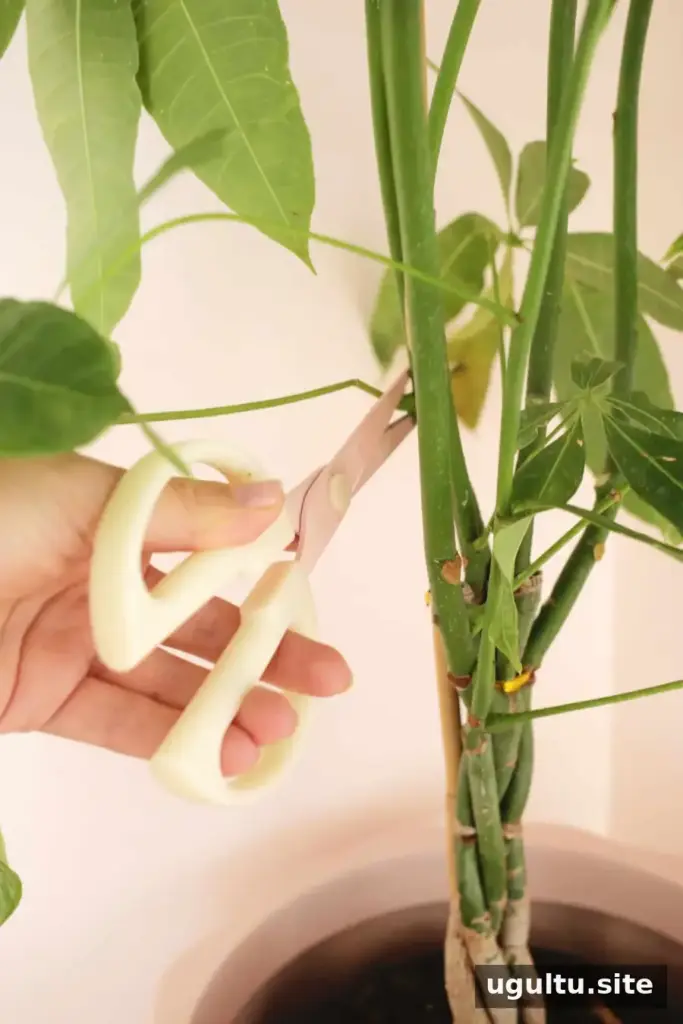
Remove dead, damaged, or brown leaves with clean, sharp scissors or pruning shears. Pruning keeps the plant tidy and can help maintain its shape. Trimming lower leaves may encourage a fuller-looking canopy, but avoid removing too much foliage at once.
Repotting Money Trees
Repot in spring if roots are growing through the drainage holes or the plant has outgrown its container. Choose a pot about 2 inches wider than the current one, with drainage holes, and use a well-draining potting mix. A pot that is much larger than necessary can hold excess moisture, so increase the size gradually.
Growth may be slower in lower light, which can mean less frequent repotting. Check the roots and the rate of growth rather than repotting on a fixed schedule.
How to propagate a Money Tree
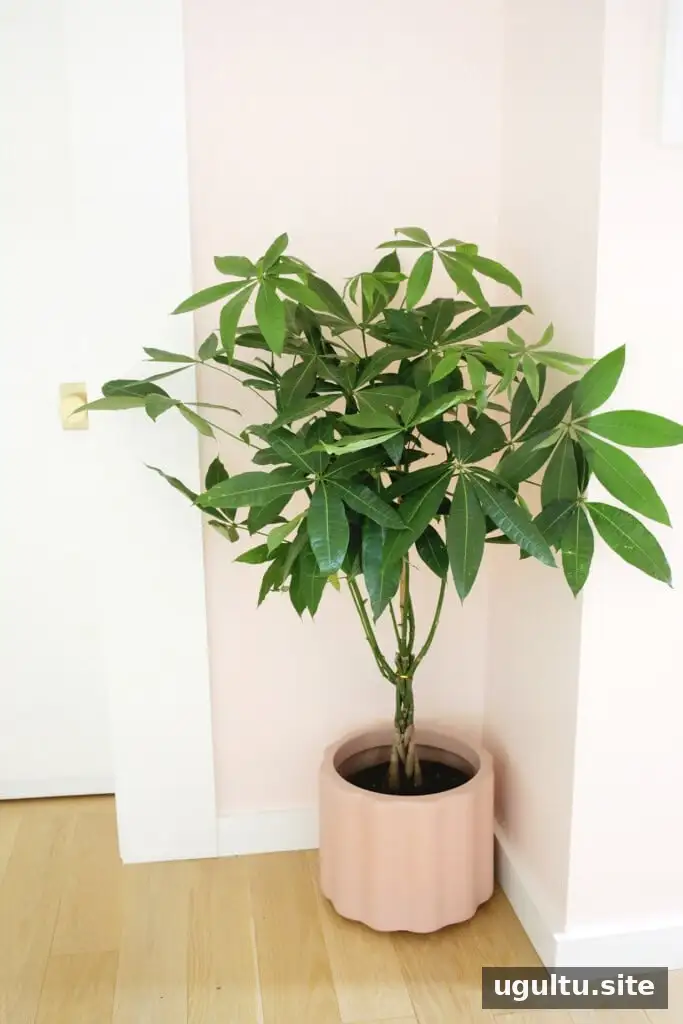
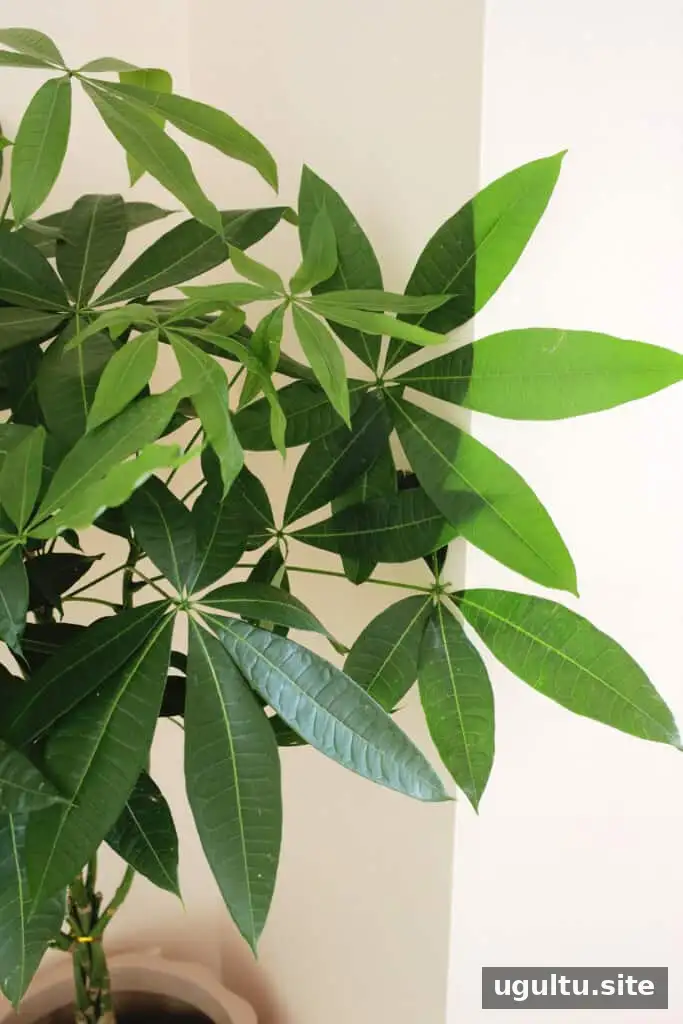
Money Trees can be propagated from stem cuttings, ideally in early summer. Use a healthy branch with active nodes and follow these steps:
- Cut a stem section about 4 inches long.
- Remove any leaves that would sit underwater, then place the lower end of the cutting in a cup of water.
- When roots develop, transfer the cutting to a small pot filled with well-draining potting mix.
- To create a braided appearance, grow three cuttings and plant them together. Gently braid the flexible stems and loosely secure the top with a ribbon while they grow.
Keep the cutting in bright, indirect light and check the water regularly while roots develop.
Common Money Tree problems
- Yellow or brown leaves: Both overwatering and underwatering can cause leaf discoloration. Check the soil and the plant’s overall condition before changing your watering routine.
- Soft or mushy stems: This can indicate excess moisture. Let the soil dry before watering again, and make sure the pot drains freely.
- Long, sparse growth: Leggy stems may mean the plant needs brighter indirect light. During spring and summer, appropriate feeding may also support active growth.
- Leaf drop: A change in location can trigger leaf loss. Keep the plant in a suitable spot and allow it time to adjust.
- Pests: Inspect leaves and stems for mealybugs, scale, or spider mites. Treat infestations with an appropriate insecticidal soap or other labeled plant treatment, following its directions.
Frequently asked questions
Are Money Trees poisonous to children or pets?
Money Trees are described as non-toxic to people and pets. Still, keep plants and potting materials out of reach of children and animals to prevent chewing or accidental spills.
Does a Money Tree need to be braided?
No. Braiding is optional and is mainly a decorative choice. If you braid young, flexible stems, do so gently and secure them loosely so the stems can continue growing.
What are other names for a Money Tree?
Other common names include Malabar Chestnut, French Peanut, Guiana Chestnut, and Saba Nut.
How is a Money Tree different from a Chinese Money Plant?
A Money Tree (Pachira aquatica) is a larger plant with a trunk and long, hand-shaped leaves. The Chinese Money Plant (Pilea peperomioides), also called a Coin Plant, has round leaves and does not develop the same trunk.
Conclusion
Consistent Money Tree care means providing bright, indirect light, watering only when the top layer of soil is dry, and using a pot that drains well. Check the plant regularly for changes in its leaves and stems, and adjust care based on its growing conditions. With these practical routines, a Money Tree can remain a healthy, attractive indoor plant.


