
 admin
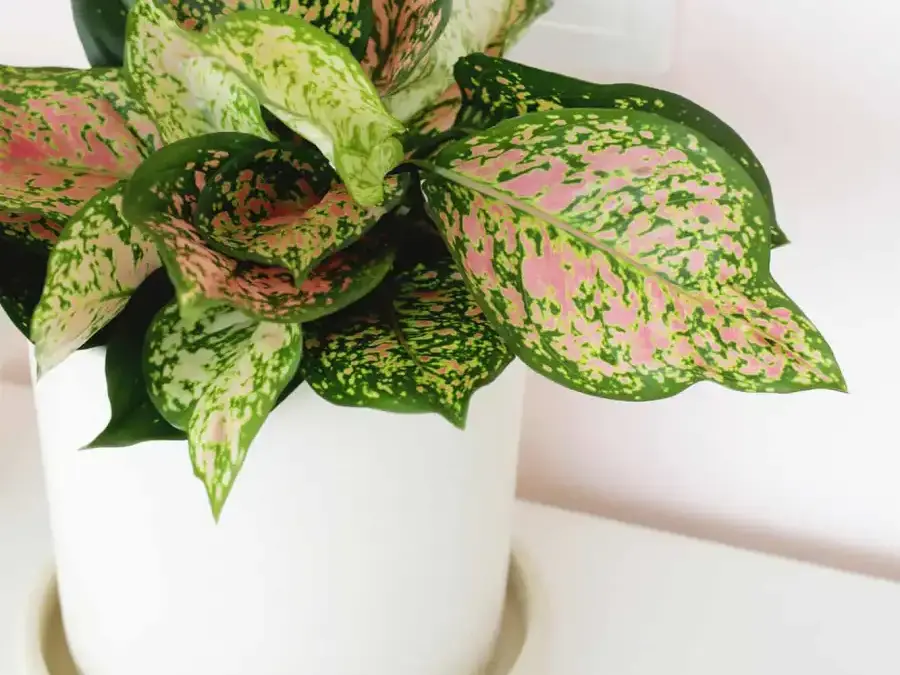
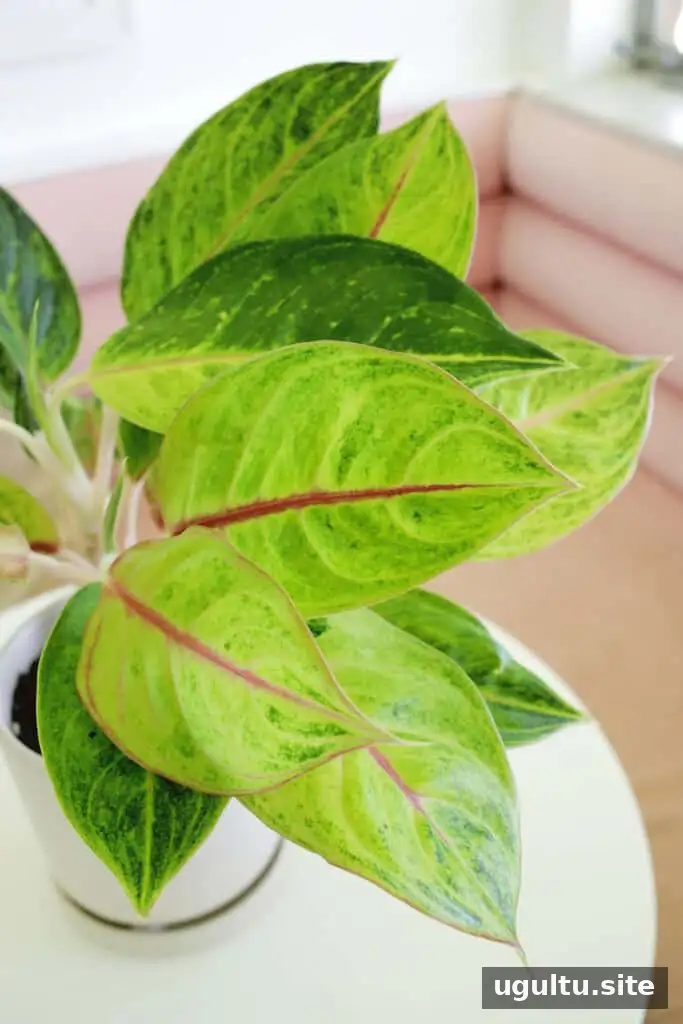
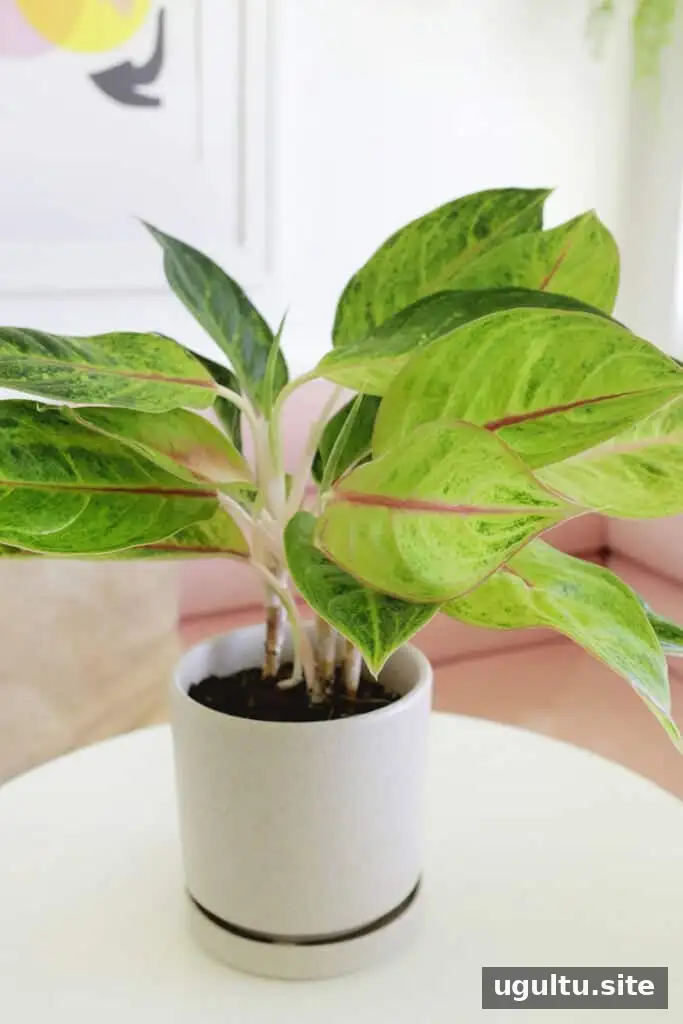
Aglaonema care is straightforward, making Chinese Evergreen a popular choice for beginners and experienced houseplant owners alike. Its large, lance-shaped leaves come in a range of colors, including deep green, silver, red, and bright pink. With suitable light, careful watering, and a warm indoor setting, this tropical plant can add lasting color to a home.
Aglaonema belongs to the Araceae family and originates in the tropical forests of Southeast Asia and New Guinea. There are more than 20 species and hundreds of cultivars, many selected for distinctive leaf colors and patterns.
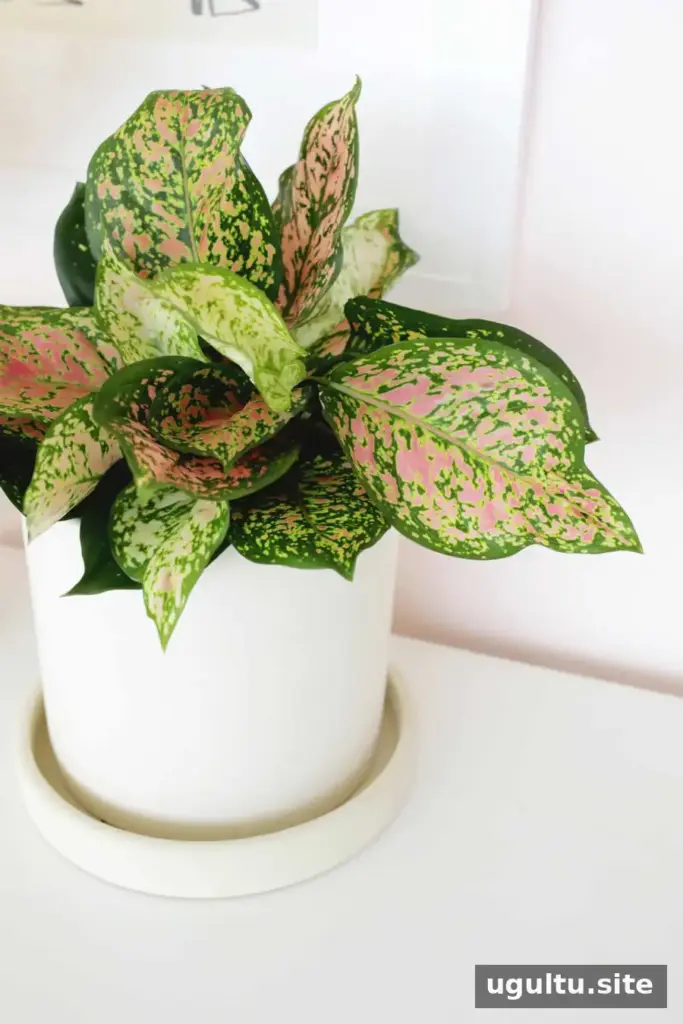
Why Is Aglaonema Called Chinese Evergreen?
Aglaonema is commonly known as Chinese Evergreen. It is also sometimes called the Luck Plant because, in Feng Shui, it is associated with success, good fortune, and prosperity. This is a cultural belief rather than a guaranteed outcome. The name “evergreen” refers to its foliage, which stays on the plant under suitable growing conditions.
Practical tip: Choose a variety by its leaf color and pattern, then match its location to its lighting needs.
How to Water Aglaonema
Keep the potting mix lightly moist, but not soggy. Water when the top inch of soil feels dry; check by gently pressing a finger into the mix. In lower-light locations, allow several inches of soil to dry before watering. Although Aglaonema can tolerate a short dry spell, letting the entire root ball dry out can stress the plant.
Plants usually need more frequent watering during active growth from spring through fall. Reduce watering in winter, when growth slows. A pot with drainage holes helps excess water escape and lowers the risk of root rot. Empty any collected water from the saucer rather than leaving the pot sitting in it.
Brighter locations can dry the soil more quickly than low-light spots, so check the mix rather than following a fixed watering calendar.
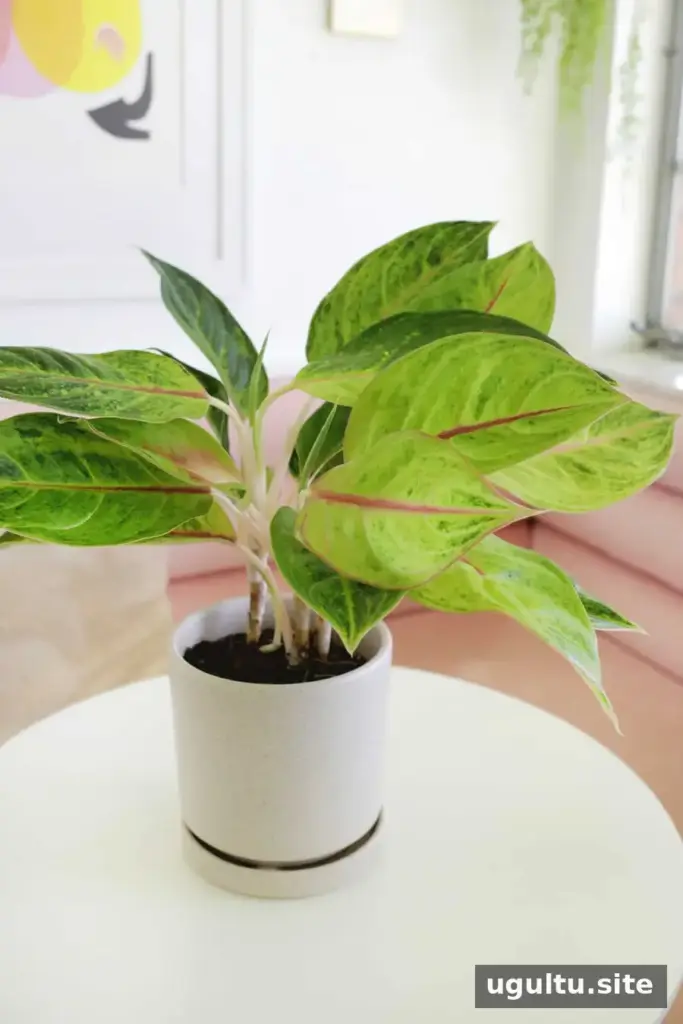
How Much Light Does Aglaonema Need?
Medium to bright indirect light suits many Aglaonema varieties, although the plant can adapt to a range of indoor conditions. Direct sun may scorch the leaves. Darker-green varieties generally tolerate lower light better than varieties with lighter foliage, which tend to look best in brighter indirect light.
Turn the pot occasionally to encourage even growth. If moving the plant outdoors in warm weather, introduce it to the new conditions gradually over several days and keep it shaded from direct sunlight.
Practical tip: If leaves appear scorched or lose their color, try moving the plant away from direct sun.
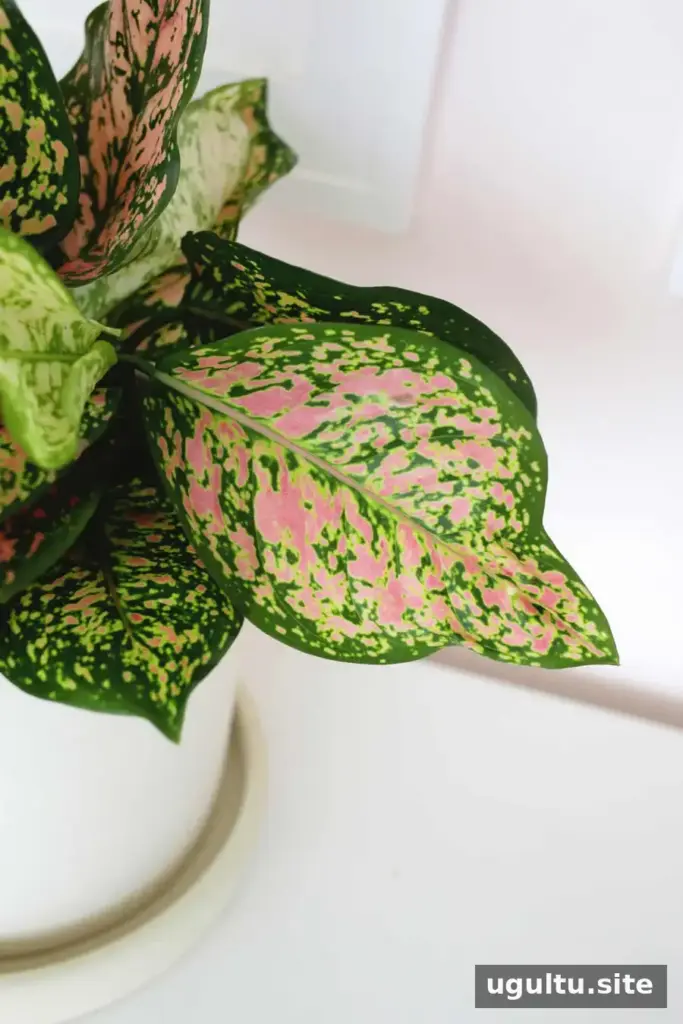
Should You Fertilize Aglaonema?
Feed Aglaonema once a month during spring and summer using a general-purpose houseplant fertilizer diluted to half strength. Stop fertilizing during winter, when growth is slower. Follow the fertilizer label and avoid applying more than recommended.
Temperature and Humidity for Aglaonema
A temperature range of 65° to 80° Fahrenheit is suitable for Aglaonema. Protect it from cold drafts and bring it indoors if outdoor temperatures fall. The plant may struggle when temperatures drop below 55° Fahrenheit.
Aglaonema prefers a humid environment. A room humidifier can raise humidity nearby, or you can set the pot on a pebble tray with water below the top of the pebbles. A bathroom may work if it also receives appropriate light.
Practical tip: Keep the plant away from heating or cooling vents, where sudden temperature changes and dry air can affect the foliage.
Pruning Aglaonema
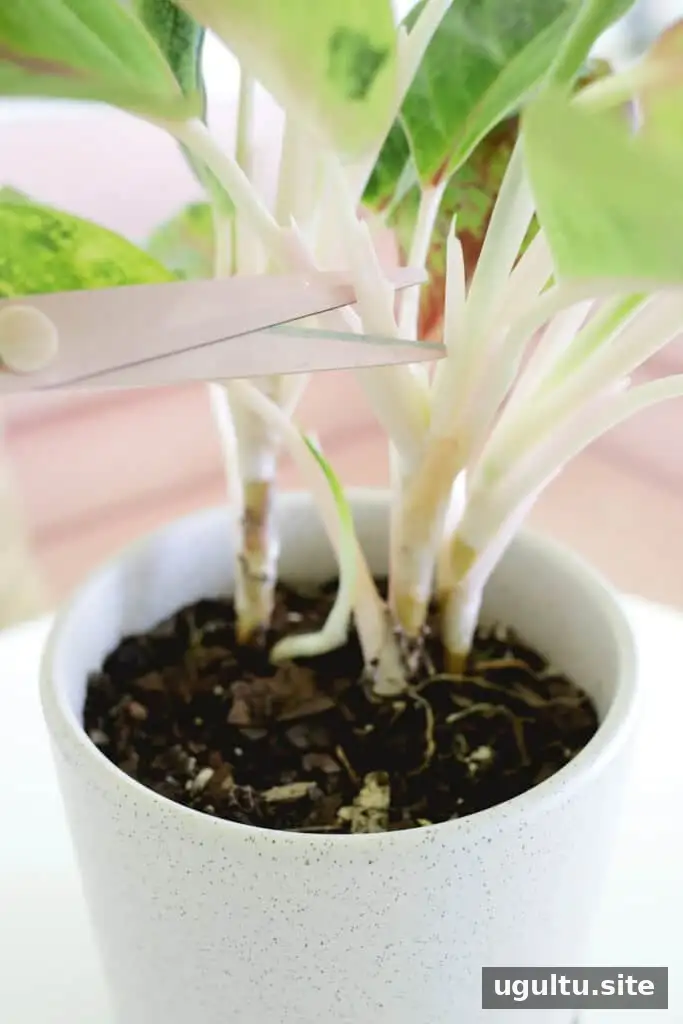
Pruning is usually limited to removing dead leaves and stems. Use clean, sharp scissors or pruning shears to keep the plant tidy. If it becomes tall and leggy, cut the stem above the fourth leaf node with a sterilized tool. New growth may then develop lower on the stem. Spring, at the beginning of the growing season, is a suitable time for this heavier pruning.
Potting and Repotting Aglaonema
Use a well-draining potting mix and a container with drainage holes. Perlite, peat moss, or sand can be mixed into the soil to improve drainage. Aglaonema grows relatively slowly, so repotting every few years may be enough.
Check the plant in spring. Roots emerging from the drainage holes can indicate that the plant is becoming root-bound. Move it into a slightly larger pot with fresh, well-draining mix, then water thoroughly.
How to Propagate Aglaonema
Aglaonema can be propagated by dividing the plant or rooting a stem cutting. The growing season is a good time for either method. Use clean tools and keep newly potted sections lightly moist while they establish.
Propagation by division
- Ease the plant out of its pot, loosening the soil if needed.
- Remove excess soil and gently separate the roots and stems into two sections.
- Plant each section in a pot slightly larger than its root ball, using well-draining soil. Water thoroughly.
Propagation by stem cuttings
- With a clean cutting tool, take a healthy stem cutting several inches long.
- Place the base of the stem in a glass of water and keep it in bright, indirect light.
- Roots may form in about a month. Once rooted, plant the cutting in a small pot of well-draining mix and keep the soil lightly moist while it establishes.
Should You Remove Aglaonema Flowers?
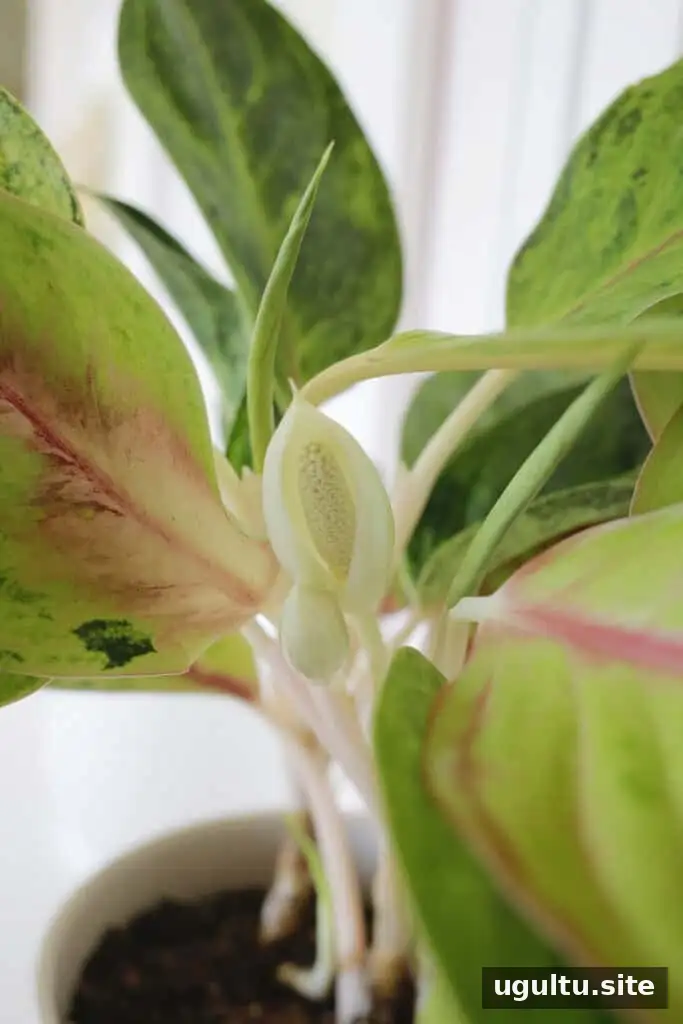
Aglaonema flowers can be easy to miss among the leaves. The flower structure is an inflorescence, typically with a green or white hood and a white spadix, and may look unlike a traditional flower. Removing it is optional. If you choose to do so, use a clean cutting tool and take care not to cut the leaf attached to the flower.
Popular Aglaonema Varieties
- Green Papaya: Green leaves with papaya-colored veins.
- Frasher: Dark-green leaves with cream variegation.
- Pseudobracteatum: Silver-green markings surrounded by dark-green edges.
- Red Zircon: Bright red leaves edged with a thin line of dark green.
- White Rajah: Bright white veins against green foliage.
- Silver Bay: A silver center bordered by dark green.
- Maria: Silver accents on dark-green leaves.
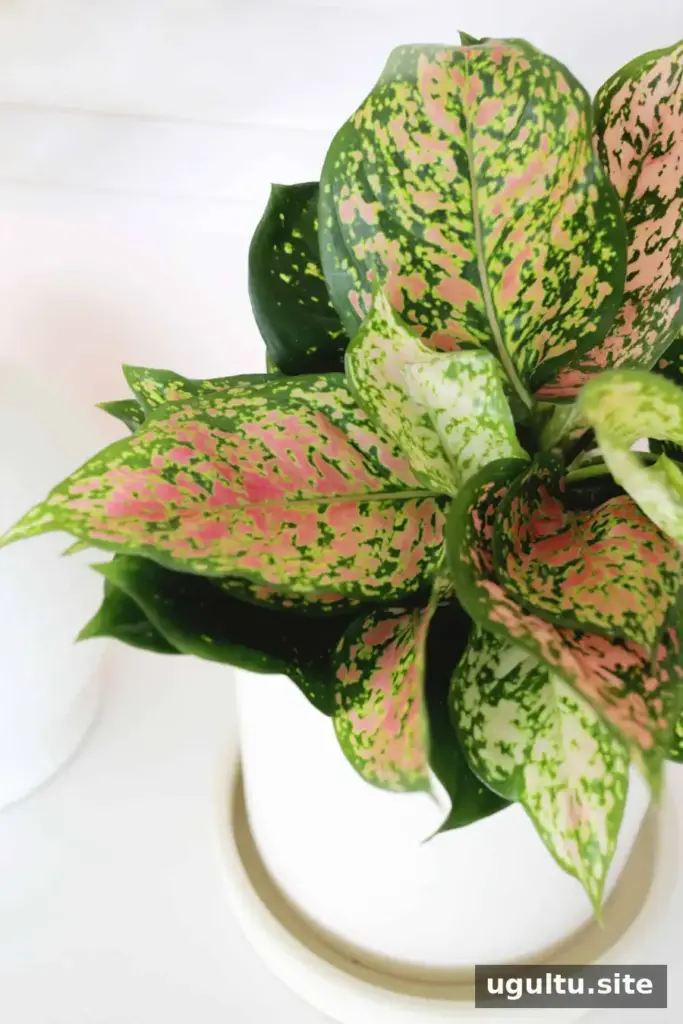
- Wishes: Dark-green leaves speckled with bright pink.
Common Aglaonema Problems
Inspect leaves and stems regularly. Early checks can help you identify changes and adjust care before the plant is seriously affected.
- Pests: Scale, mealybugs, aphids, and spider mites can affect houseplants. Check the leaves, especially their undersides, and treat an infestation with insecticidal soap or neem oil according to product directions.
- Scorched leaves: Direct sun may burn foliage. Move the plant to a spot with indirect light.
- Brown leaf tips: This can be associated with excess light or sensitivity to substances in tap water, including fluoride and chlorine. Try filtered water and review the plant’s light exposure.
- Curling leaves: Low humidity, underwatering, or temperature changes may contribute. Check soil moisture and keep the plant away from drafts and vents.
- Yellow leaves: Overwatering is a common cause. Let the soil dry appropriately between waterings and make sure excess water can drain.
- Fading leaf color: Strong direct sunlight can damage foliage and affect its color. Move the plant into indirect light.
- Root rot: Persistently wet soil can damage roots. Use a pot with drainage holes and a well-draining potting mix.
Frequently Asked Questions
Is Aglaonema toxic to people or pets?
Aglaonema contains calcium oxalate crystals. If chewed or eaten, these can irritate the mouth and stomach and may cause vomiting. Keep the plant out of reach of small children and pets. If ingestion occurs or symptoms develop, contact a medical professional or veterinarian for advice.
Conclusion: Essential Aglaonema Care
Successful Aglaonema care comes down to a few consistent habits: provide suitable indirect light, water according to soil dryness, use a well-draining pot, and protect the plant from cold drafts. Check the leaves and soil regularly, and adjust care as conditions change. These steps help keep Chinese Evergreen healthy while showing off its distinctive foliage.


