
 admin
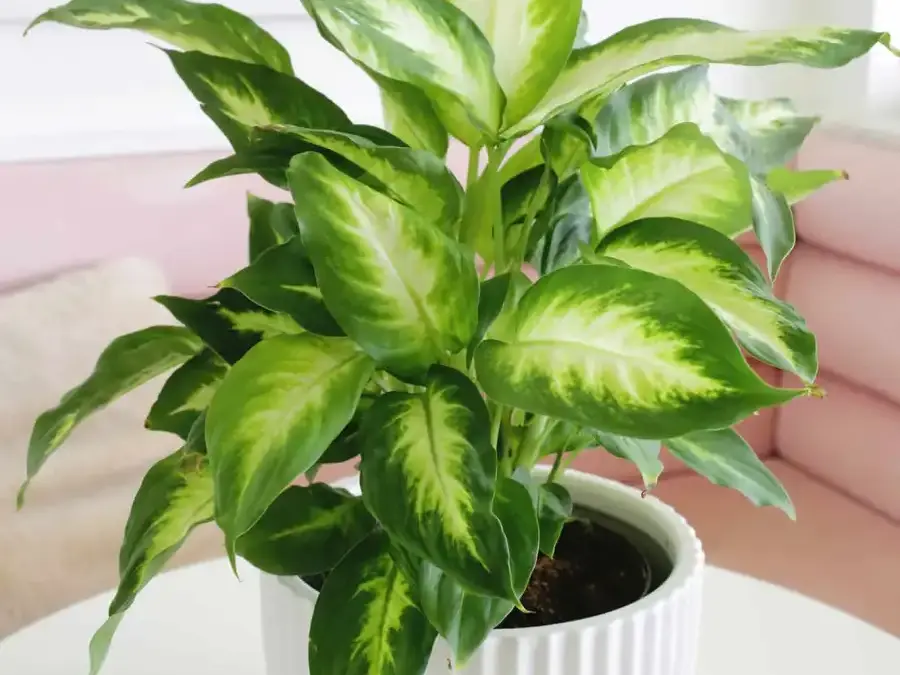
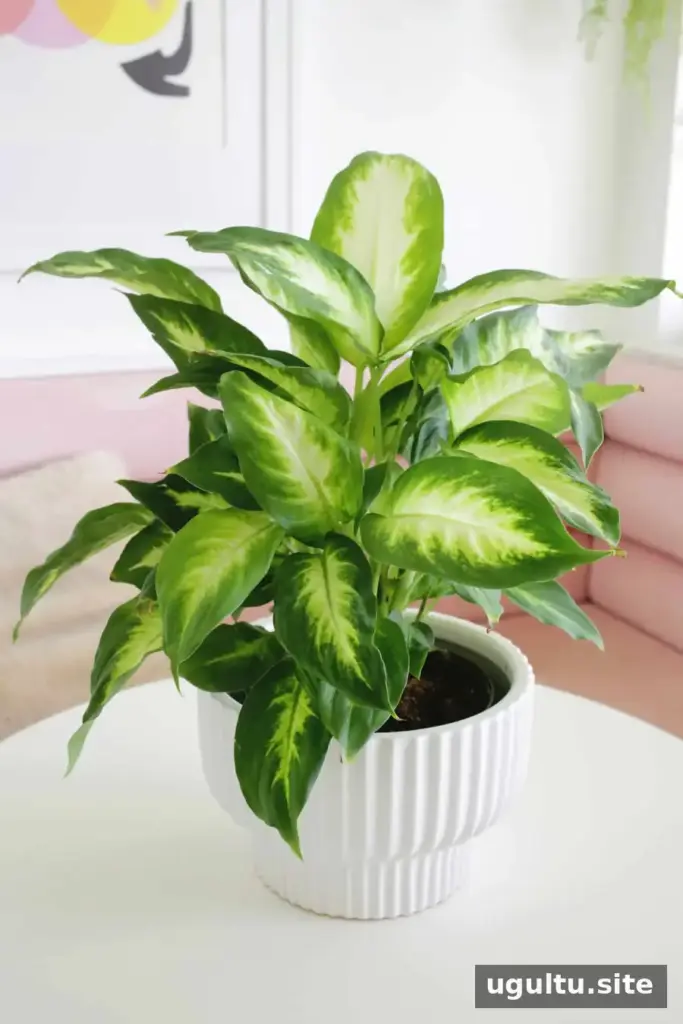
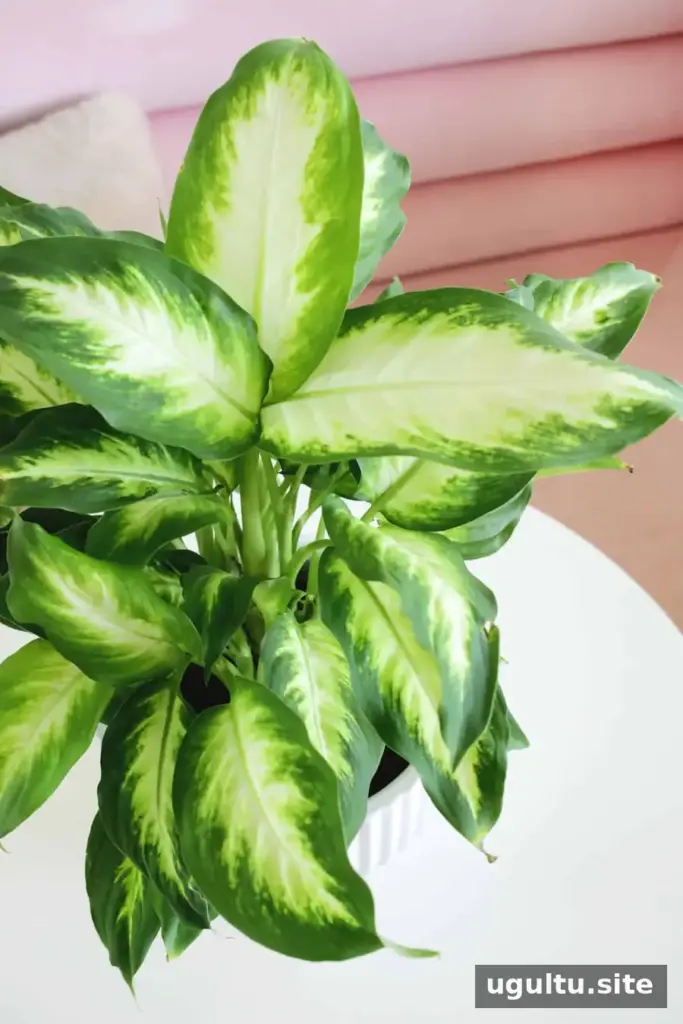
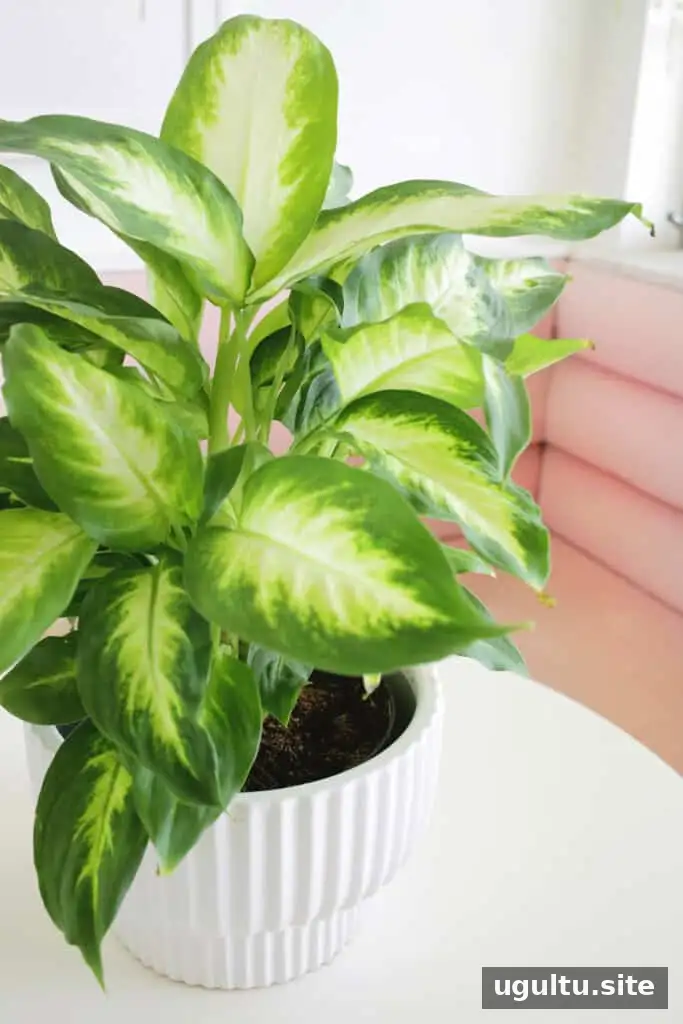
Dieffenbachia care is straightforward when the plant has warm temperatures, indirect light, and evenly moist—but not waterlogged—soil. Also known as dumb cane, Dieffenbachia is a tropical foliage plant native to the West Indies, Central America, and South America. Its pointed leaves are often dark green with cream or white markings and contrasting veins. Indoors, it commonly grows 3–5 feet tall; outdoors, it can reach up to 10 feet.
Although it is often considered suitable for beginner plant owners, Dieffenbachia has irritating sap and needs careful handling. Keep it away from children and pets, and wear gloves when pruning, dividing, or repotting.
Why Is Dieffenbachia Called Dumb Cane?
Dieffenbachia leaves, stems, and roots contain needle-like calcium oxalate crystals called raphides. If plant material is chewed or swallowed, these crystals can cause pain, burning, swelling, or numbness in the mouth and throat and may make speaking difficult temporarily. The common nickname refers to this effect.
Avoid contact with the sap and wash your hands and tools after handling the plant. If a person or pet chews or swallows any part of it, contact a medical professional or veterinarian for advice.
Dieffenbachia Care: Watering and Soil
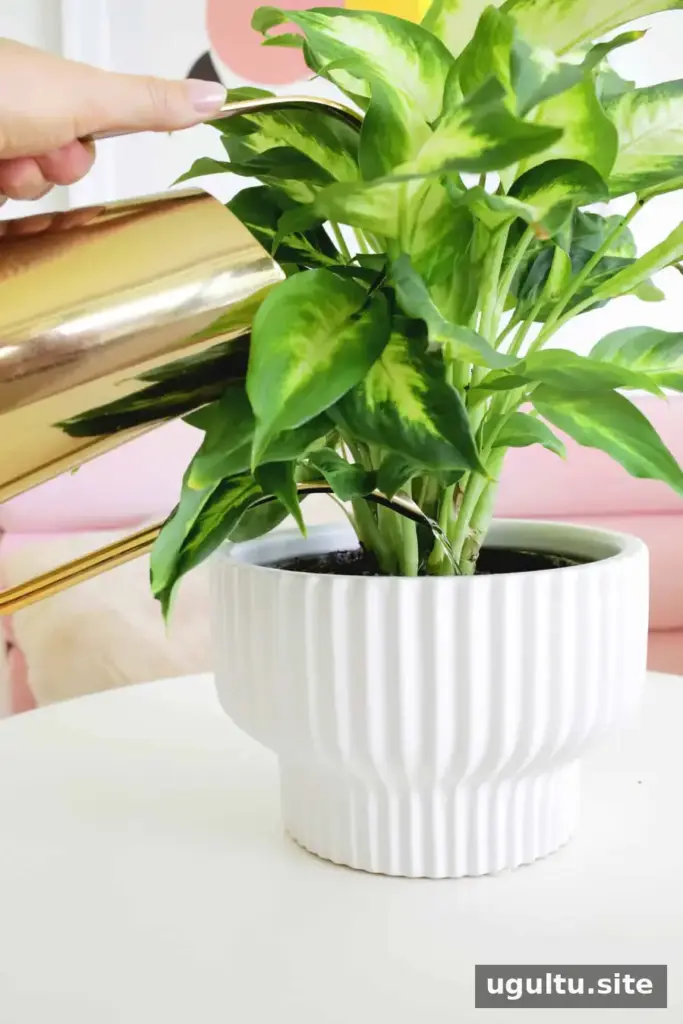
Keep the potting mix lightly moist, but do not let the plant sit in constantly wet soil. Check the surface and feel the soil with a finger before watering. If the mix is still damp, wait and check again rather than watering on a fixed schedule.
Plants in brighter locations may use water more quickly, while those in lower light usually dry more slowly. Choose a pot with drainage holes, and empty the saucer after watering to help prevent root rot. A well-draining mix, such as potting soil amended with perlite, can help excess water escape.
How Much Light Does Dieffenbachia Need?
Dieffenbachia grows well in low to bright indirect light. Filtered light is a suitable choice through spring, summer, and fall. Strong direct sun during these seasons can scorch the leaves; direct winter sun may be tolerated. Turn the pot occasionally so growth stays more balanced, as the plant may lean toward its light source.
Some varieties, including ‘Tropic Snow,’ ‘Tiki,’ and ‘Camille,’ are noted for tolerating lower-light conditions. Even so, observe the plant after moving it: adjust its position if growth weakens or leaves show signs of stress.
Temperature and Humidity
A temperature range of 65°–75°F suits Dieffenbachia. Keep it away from cold drafts and heating or cooling vents. Temperatures below 60°F can damage leaves, so bring outdoor plants inside before conditions fall below that level.
The plant prefers humidity around 40%–50%. In a dry room, use a humidifier nearby or set the pot above a pebble-filled tray containing water. Keep the pot base above the waterline; standing water beneath the pot can leave the soil too wet.
Fertilizing Dieffenbachia
During active growth in spring, summer, and fall, feed the plant every 4–6 weeks with a nitrogen-rich 20-20-20 fertilizer diluted to half strength. Reduce or pause feeding during winter, when growth may slow. Follow the fertilizer label and avoid applying more than recommended.
Pruning Dieffenbachia Plants
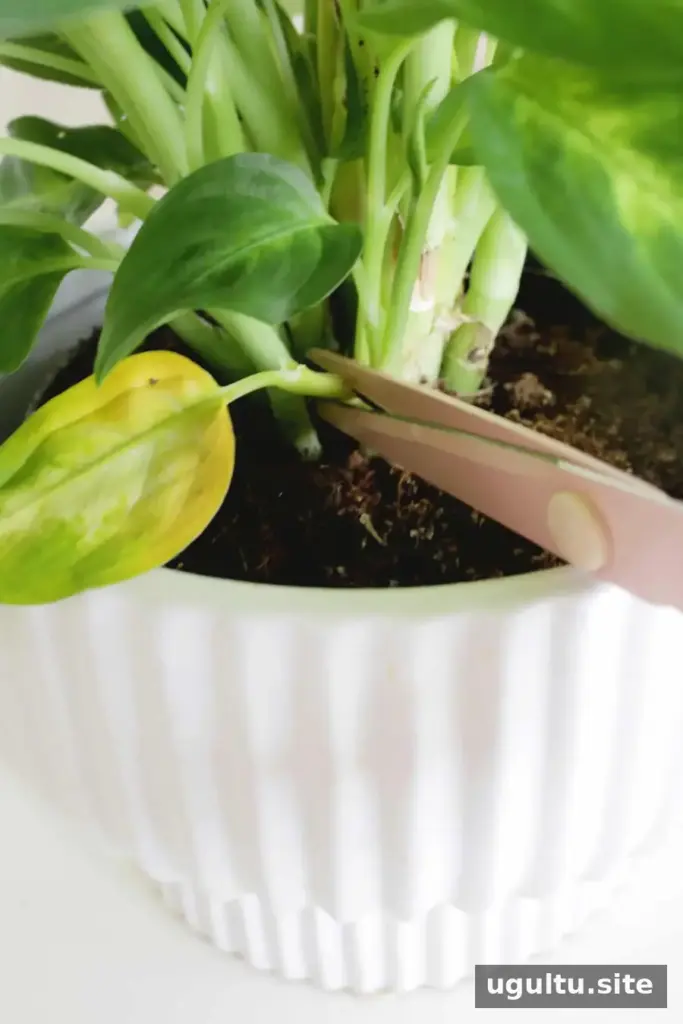
Remove brown, damaged, or dead leaves with clean, sharp scissors or pruning shears. Lower leaves can also be trimmed as the plant grows if you prefer a more upright, palm-like shape. If the plant becomes too tall, cutting back the top can encourage new growth.
Wear gloves and avoid touching your face while pruning because the sap can irritate skin and the mouth or throat. Clean the cutting tool after use.
Repotting Dieffenbachia
Check the drainage holes for roots to see whether the plant has outgrown its container. When roots begin growing through the holes, move it into a pot about 2 inches larger. A pot that is much larger than necessary can hold excess moisture, so increase the size gradually.
Repotting in early spring is a practical option. Use a container with drainage holes and a well-draining potting mix. Wear gloves during the process and handle stems carefully to avoid contact with sap.
How to Propagate Dieffenbachia
Dieffenbachia can be propagated by dividing offsets or by taking stem cuttings. Wear protective gloves for either method, and use a clean, sterilized cutting tool.
Propagation by division
Separate an offset from the parent plant and place it in its own container with well-draining soil. Rooting hormone is optional. Water the new plant after potting, then keep the mix appropriately moist without leaving it soggy.
Propagation from stem cuttings
Cut a healthy stem just above the point where it branches from the main stem. Remove leaves that would sit below the waterline, then place the cut end in a few inches of water in a spot with indirect light. Change the water every 3–5 days. Once roots have formed, pot the cutting in soil and water it.
Can Dieffenbachia Bloom Indoors?
Dieffenbachia may produce a small, white, spike-shaped flower, but flowering can be difficult to encourage. In warmer months, a plant can be placed outdoors in bright indirect light if temperatures are suitable. Plants grown in USDA zones 11 or 12 have a greater chance of flowering than those in cooler climates. Flowering is not necessary for healthy foliage growth.
Common Types of Dieffenbachia
- Dieffenbachia seguine: A popular type with dark green leaves and cream-colored veins.
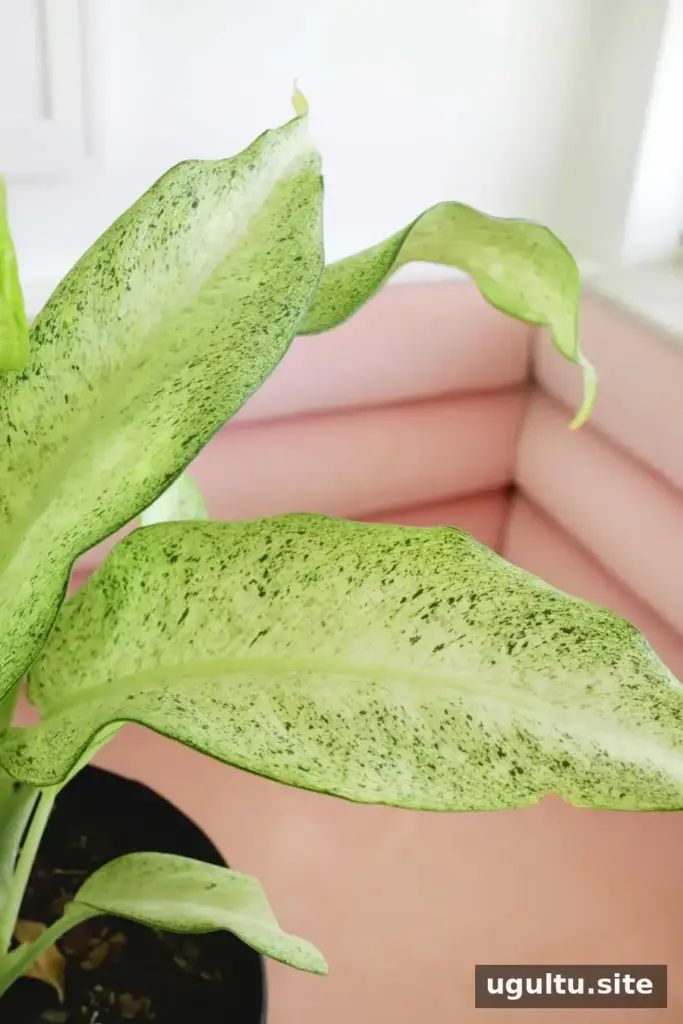
- Dieffenbachia ‘Camo’: Has chartreuse leaves, cream veins, and dark green markings.
- Dieffenbachia ‘Tiki’: Features silvery leaves accented with green and white and tolerates lower light.
- Dieffenbachia ‘Panther’: Has long green leaves with silver or creamy-white veins and a bushier appearance.
- Dieffenbachia ‘Compacta’: A fuller-looking variety with cream leaves and dark green speckles.
- Dieffenbachia ‘Tropic Snow’: Has dark green leaves with white veins and tolerates lower light.
- Dieffenbachia maculata ‘Camille’: Features silvery leaves marked with green and white.
- Dieffenbachia ‘Snow Queen’: Has light yellow leaves, white veins, and green edges.
- Dieffenbachia ‘Rudolph Roehrs’: Displays light yellow leaves with green spots and white veins.
Common Dieffenbachia Problems
- Pests: Spider mites may affect the plant; scale, aphids, and mealybugs are also possible. Inspect leaf undersides and treat pests with horticultural oil according to its label.
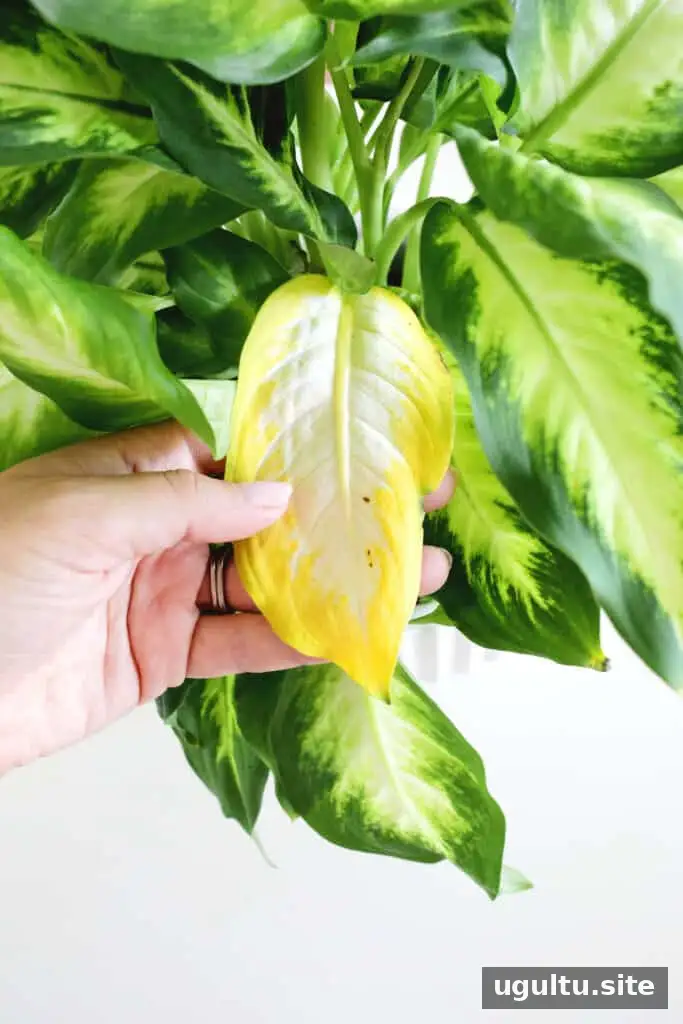
- Yellow leaves: Both overwatering and underwatering can cause yellowing. Check the soil before changing your watering routine. If it is very wet, let it dry until nearly dry before watering again; if it is dry, water thoroughly and allow excess to drain. Remove yellow leaves with clean shears.
- Drooping leaves: Check for dry or waterlogged soil, cold drafts, and unsuitable light. Move the plant away from cold spots and adjust its light gradually, rather than making several changes at once.
Frequently Asked Questions
Is Dieffenbachia toxic to pets or children?
Yes. Raphides in the leaves, stems, and roots can cause painful irritation, swelling, or numbness if chewed or swallowed. Keep the plant securely out of reach of children and pets, and supervise access to rooms where it is grown. Wear gloves when handling it and wash your hands afterward.
Conclusion: Key Dieffenbachia Care Tips
For reliable Dieffenbachia care, provide indirect light, temperatures around 65°–75°F, and soil that stays lightly moist while draining freely. Adjust watering to the room’s light and temperature, check leaves regularly for pests, and handle the plant with gloves. Most importantly, keep Dieffenbachia away from children and pets because all parts of the plant can cause irritation if chewed or swallowed.


