
 admin
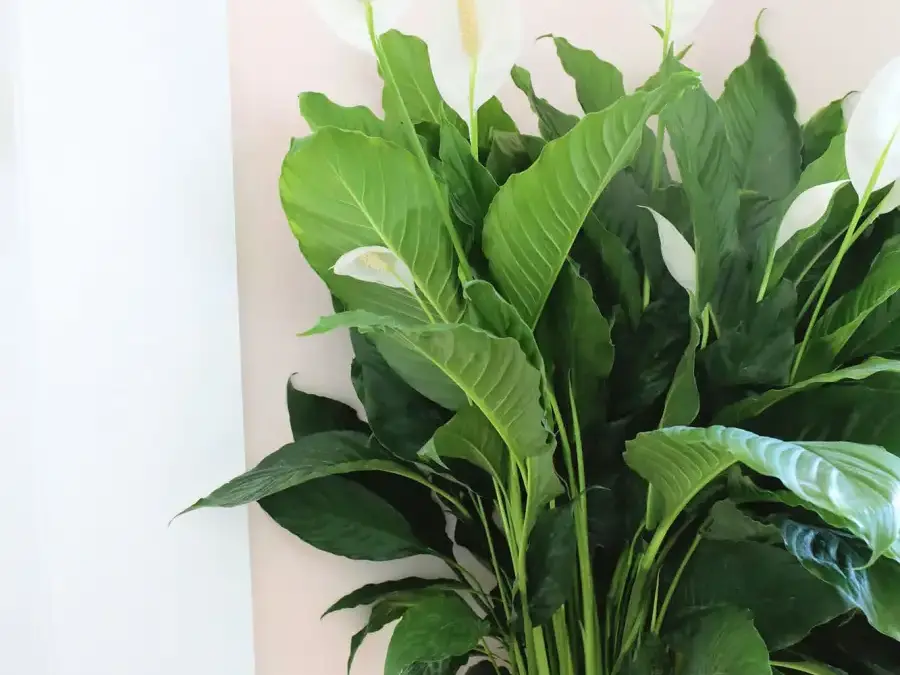
Peace lily care is straightforward once you understand the plant’s needs for steady moisture, indirect light, and warm conditions. With glossy green leaves and distinctive white flower-like spathes, peace lilies make attractive indoor plants and can adapt to lower-light rooms, although brighter indirect light encourages more blooms.
Peace lilies belong to the genus Spathiphyllum and are not true lilies. Native to tropical parts of Central and South America, many varieties grow about 1–4 feet wide. They are generally grown outdoors only in warm, humid climates such as USDA Zones 10 and 11; elsewhere, they are best kept as houseplants.
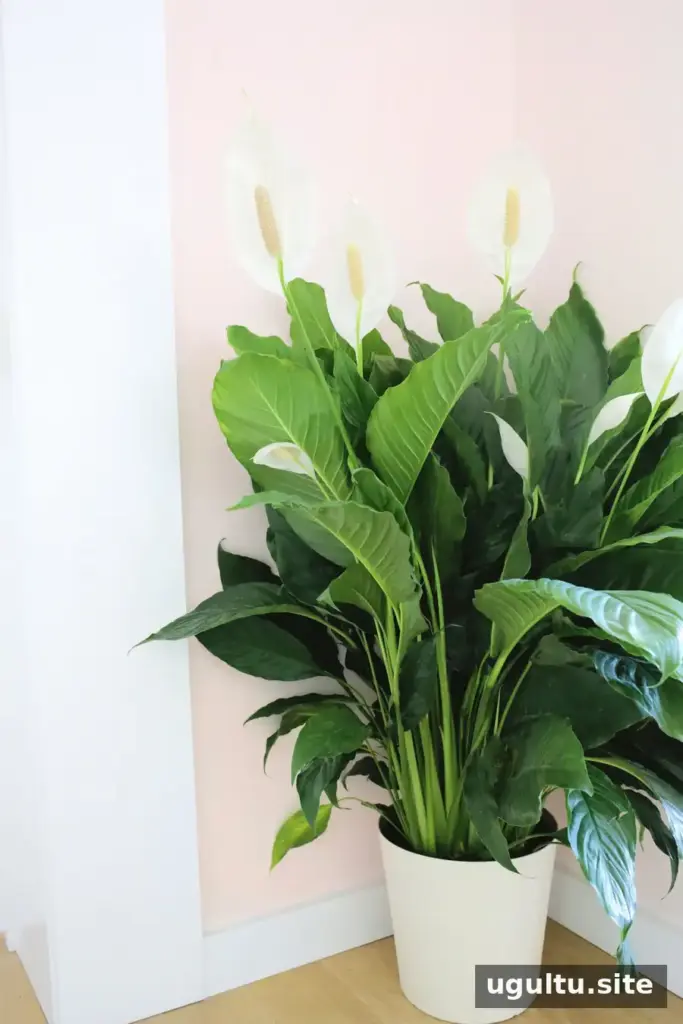
Why Are They Called Peace Lilies?
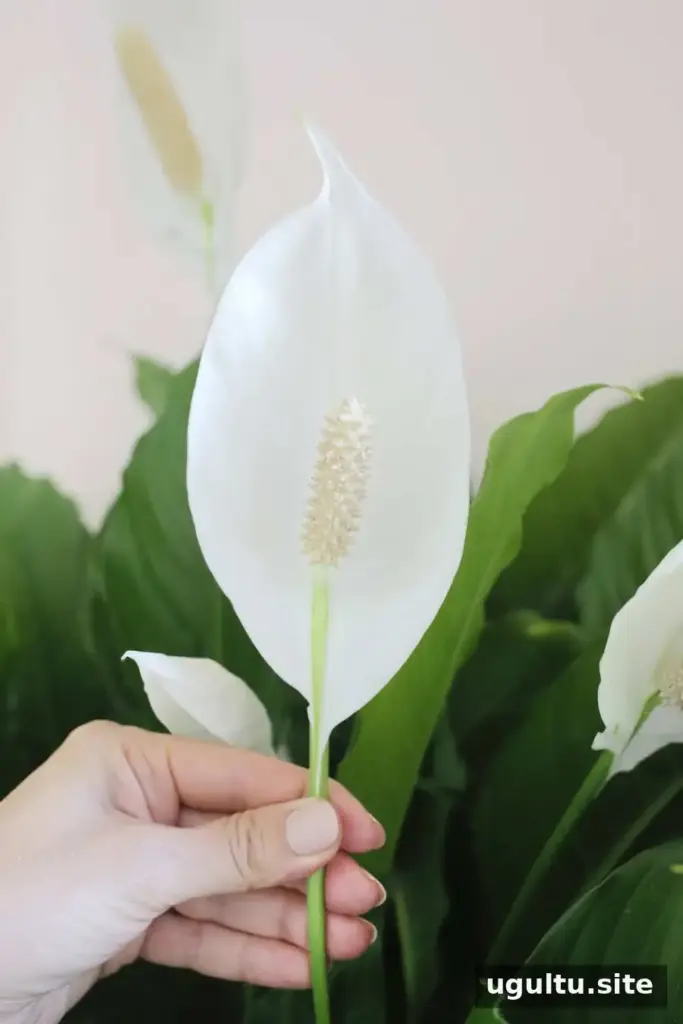
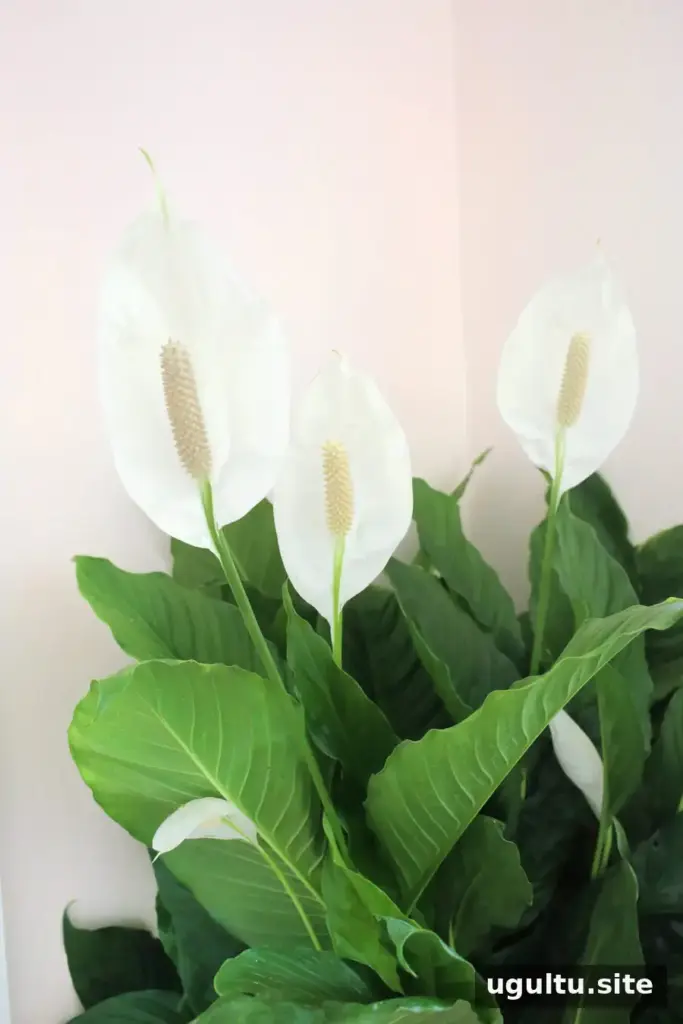
The plant’s pale flower-like feature is a white leaf called a spathe, which surrounds a central stalk covered in tiny flowers. Its resemblance to a white peace flag inspired the common name. Peace lilies are also sometimes given as gifts to express sympathy or offer comfort.
Growing tip: The spathe is part of the plant’s natural flowering display. When it fades or turns green with age, you can remove the spent flower stalk.
Peace Lily Care: Watering and Light
How often should you water a peace lily?
Water thoroughly when the top inch of soil feels mostly dry, then allow excess water to drain away. Peace lilies prefer lightly moist soil but can develop root rot if their roots remain waterlogged. Use a pot with drainage holes, and empty any water collected in the saucer.
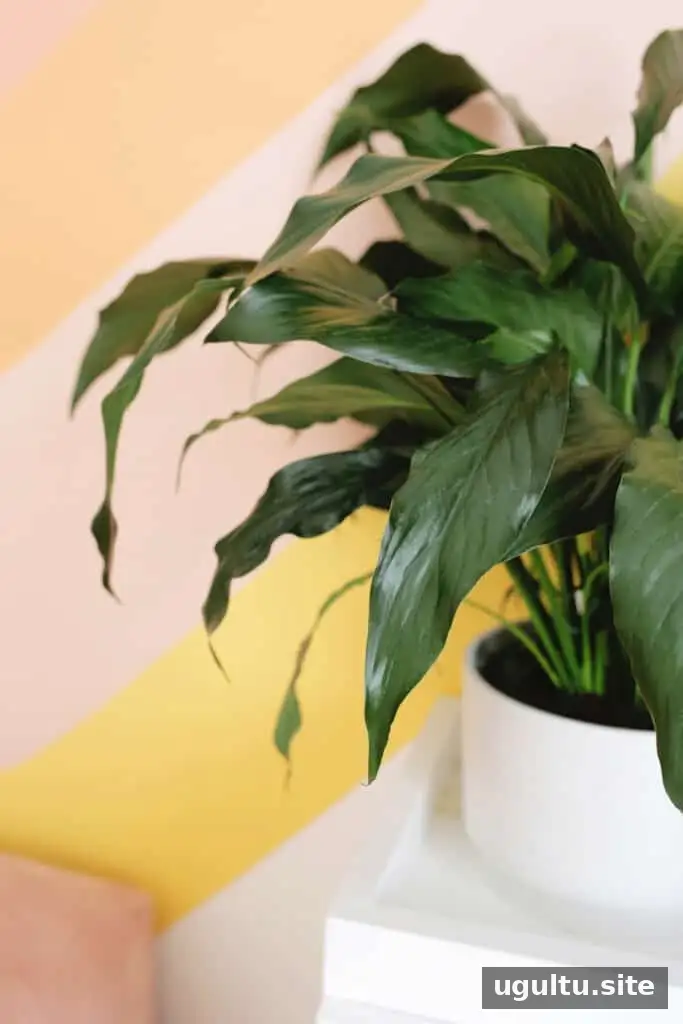
Leaves may droop when the plant needs water. Check the soil before watering, since drooping can also have other causes. Over time, observing how quickly the soil dries in your home will help you establish a suitable routine.
Some peace lilies are sensitive to minerals or chemicals in tap water. Filtered, distilled, or rainwater may help if leaf tips turn brown. If using tap water, letting it stand overnight can allow some chlorine to dissipate, though it will not remove every mineral.
How much sunlight does a peace lily need?
Bright, indirect light is ideal, but peace lilies can also grow in shade or partial shade. An east-facing window can provide gentle morning light. Avoid strong midday sun, which may scorch or dry the leaves. Plants in brighter indirect light are more likely to flower than those kept in dim conditions.
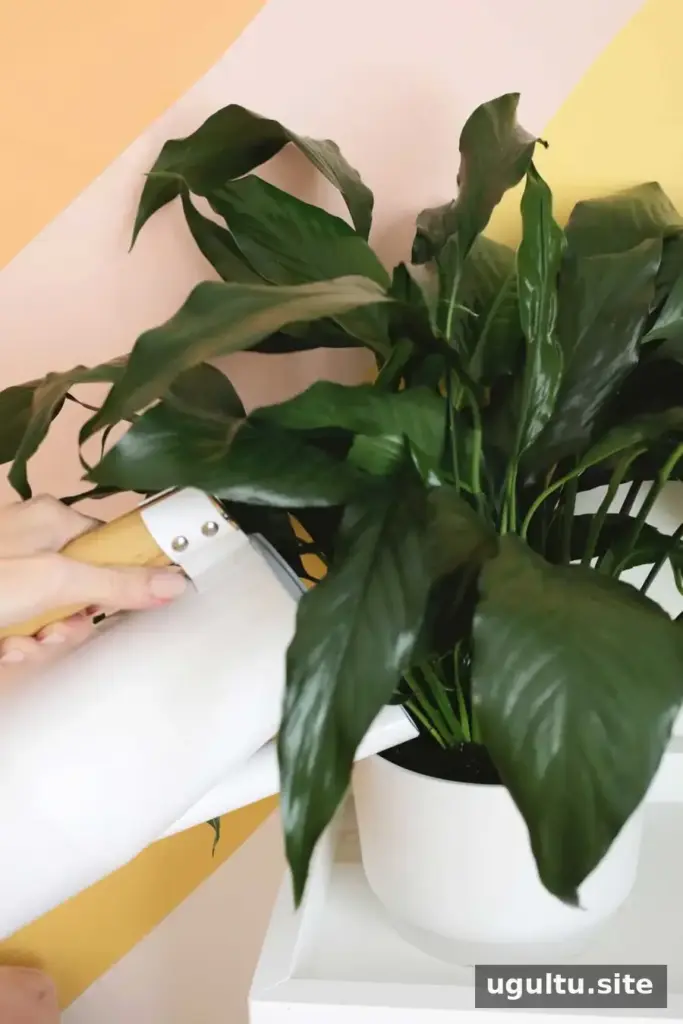
Dust can collect on the broad leaves and reduce the light reaching their surfaces. Wipe them gently with a damp cloth or paper towel when needed.
Fertilizing and Repotting Peace Lilies
Should you fertilize?
Peace lilies have modest fertilizer needs. During active growth in spring and summer, you can apply a balanced liquid fertilizer diluted to one-quarter strength every other month. Avoid applying more than directed; excessive fertilizer may damage roots or contribute to unusually green flowers.
Practical tip: Apply fertilizer to damp soil rather than a completely dry root ball, and pause feeding if the plant is stressed or not actively growing.
When and how to repot
A peace lily can tolerate being slightly pot-bound. Repot when roots begin growing through the drainage holes or appear at the soil surface. Choose a container about 2 inches wider than the current pot. An oversized pot holds more moisture than the roots can use, increasing the risk of root rot.
Spring and summer are convenient times to repot, although it can be done at other times if necessary. Gently loosen crowded roots, then use potting soil that retains some moisture while draining well. Perlite can be mixed in to improve drainage.
Temperature and Humidity
Typical indoor temperatures of 65°F to 75°F suit peace lilies. Keep the plant away from cold drafts and abrupt temperature changes. If it spends time outdoors in a pot, bring it inside when temperatures fall into the 50s.
As tropical plants, peace lilies appreciate humidity. Light misting or a tray of pebbles with water can add moisture to the air immediately around the plant. Set the pot on the pebbles above the waterline; the base should not sit in standing water.
Pruning and Propagating Peace Lilies
Pruning
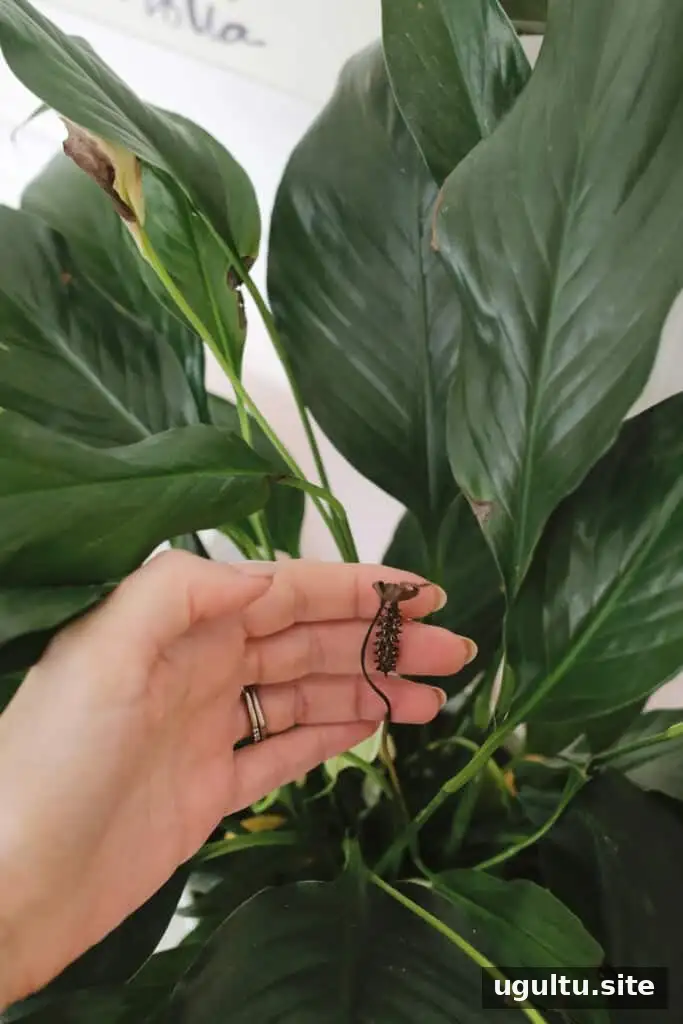
After a flower stalk has finished blooming, it will not produce another bloom. Cut it close to the base with clean scissors or pruning shears. Remove yellow, damaged, or shriveled leaves at their base to keep the plant tidy. Clean cutting tools between cuts to reduce the risk of spreading disease.
Propagation by division
Divide a peace lily in early spring by lifting it from its pot and carefully separating the plant’s crowns. If the roots are tightly joined, use a clean, sharp knife. Watering the plant the night before can make the root ball easier to handle, and brushing away some soil helps reveal where the crowns connect.
Each division should have roots and at least two healthy leaves. Plant the sections in separate containers using a well-draining mix that also holds some moisture, then water gently.
Can Peace Lilies Grow in Water?
Peace lilies can be grown in water instead of potting soil, though the change may take adjustment. Carefully rinse soil from the roots with lukewarm water and trim away roots that show signs of rot. Place the plant in a clean glass vase, with the roots touching the bottom.
- Add distilled, filtered, or rainwater until the roots are covered.
- Keep water below the leaves and stems to help prevent rot.
- Place the vase in indirect light.
- If desired, add a few drops of liquid fertilizer, following its instructions.
To ease the transition, you can gradually reduce the amount of soil mixed into the water, changing the water weekly as you do so. Keep the water clean and check the roots regularly for signs of deterioration.
How to Encourage Peace Lilies to Bloom
Bright, indirect light and appropriate care give peace lilies the best chance of flowering. They may bloom from early summer and, under suitable conditions, at other times of the year. Buds can take time to open, so allow them to develop rather than moving the plant repeatedly.
As a spathe ages, it may turn pale green. Remove spent flower stalks with clean, sharp shears. Brown flowers can be associated with watering problems, so check soil moisture and make sure the pot drains freely.
Common Peace Lily Varieties
- Sensation: The largest commercially produced variety described here, growing up to 6 feet tall with foliage up to 20 inches long.
- Mauna Loa Supreme: A popular, medium-sized variety with lance-shaped leaves that grows about 3–4 feet tall.
- Little Angel: A dwarf variety known for flowering more prolifically than other varieties despite its smaller size.
- Golden Delicious: Its new growth has a distinctive golden-green color.
- Power Petite: A compact variety that grows about 15 inches tall and has long-lasting flowers.
- Domino: A medium-sized variety with ruffled, dark leaves marked by white streaks.
Common Peace Lily Problems
- Brown leaf tips: Tap water, low humidity, or other growing conditions may contribute. Try filtered, distilled, or rainwater, and consider increasing humidity. Brown tips can be trimmed if you prefer, but leaving them will not harm the plant.
- Yellow leaves: Overwatering is a common cause, but underwatering or the natural aging of an individual leaf can also be responsible. Check soil moisture and drainage before changing your watering routine.
- Pests: Spider mites and aphids can affect peace lilies. Wipe leaves and, if needed, use insecticidal soap according to its label.
- No flowers: Insufficient light may limit flowering. Move the plant to a brighter location with indirect light, avoiding harsh direct sun.
- Green or weak flowers: Green spathes may be related to excess fertilizer or natural aging. Weak growth can have several causes, so review light, watering, and feeding before adding fertilizer.
Frequently Asked Questions
Are peace lilies toxic to pets or children?
Yes. All parts of the plant contain calcium oxalate and may cause irritation if chewed or swallowed. Keep peace lilies out of reach of pets and small children, and contact a medical or veterinary professional if exposure causes concern.
Do peace lilies clean indoor air?
Peace lilies are often described as air-cleaning plants, but a houseplant should not be relied on to remove indoor pollutants. For healthier indoor air, prioritize ventilation and address pollution sources.
Conclusion: A Simple Routine for Peace Lily Care
Successful peace lily care comes down to bright indirect light, watering when the top inch of soil is mostly dry, good drainage, and warm conditions. Check leaves and soil regularly, adjust care to your home’s environment, and keep the plant away from pets and young children.


