
 admin
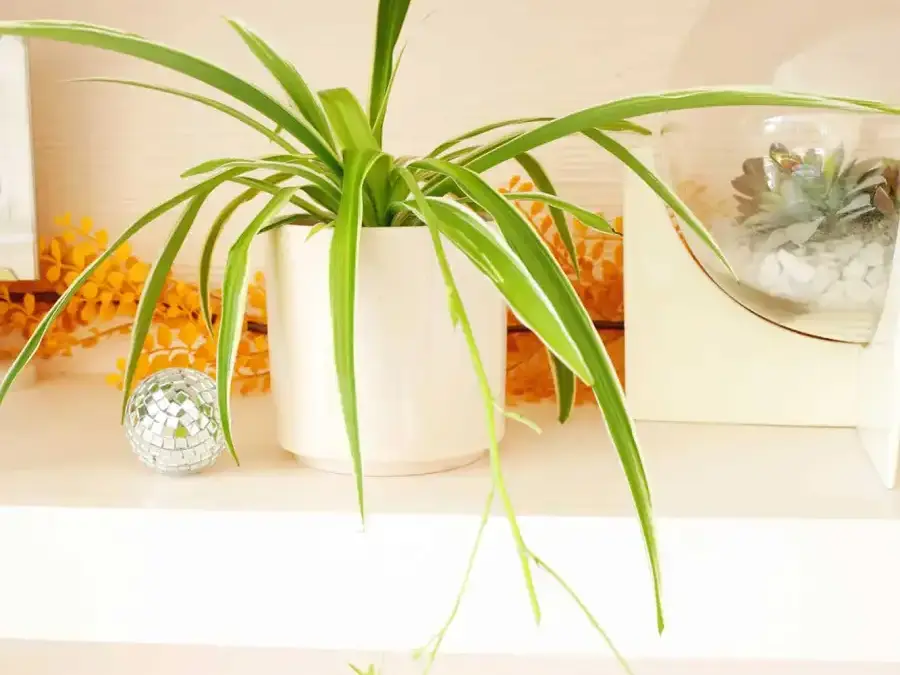
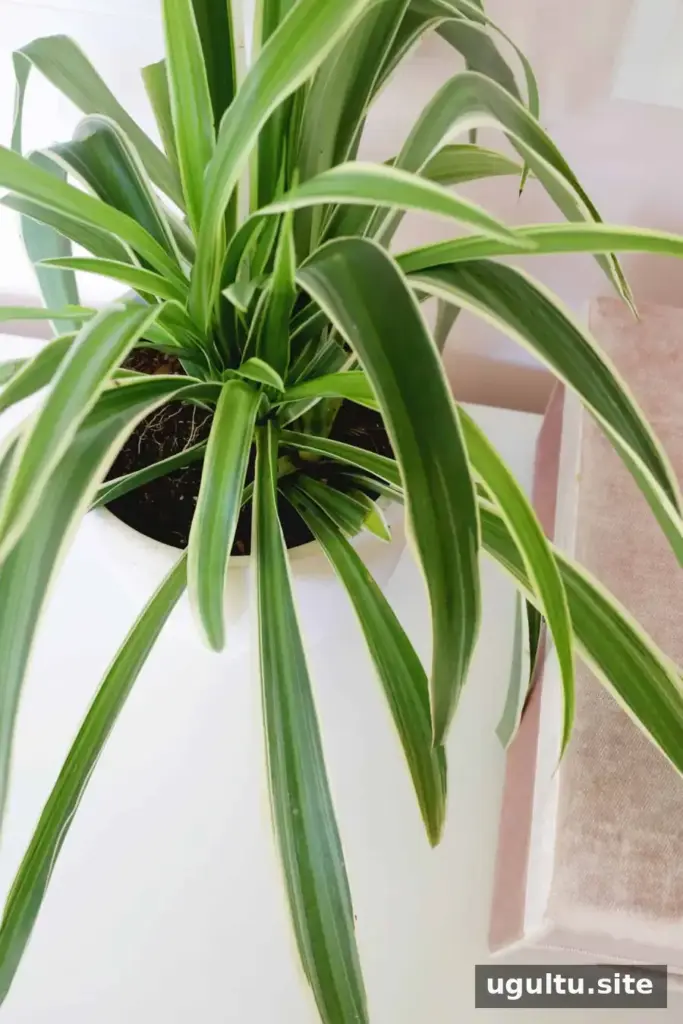
Spider plant care is straightforward, making Chlorophytum comosum a popular choice for both new and experienced houseplant owners. Also called ribbon plant or spider ivy, it has arching, striped leaves and can produce small offshoots that are easy to grow into new plants. With suitable light, careful watering, and a pot that drains well, this adaptable plant can thrive indoors.
Its long, graceful leaves suit shelves and tabletops, while its arching growth also works well in a hanging basket. Spider plants tolerate some neglect, but avoiding waterlogged soil and harsh direct sunlight helps keep their foliage healthy.
Why Is It Called a Spider Plant?
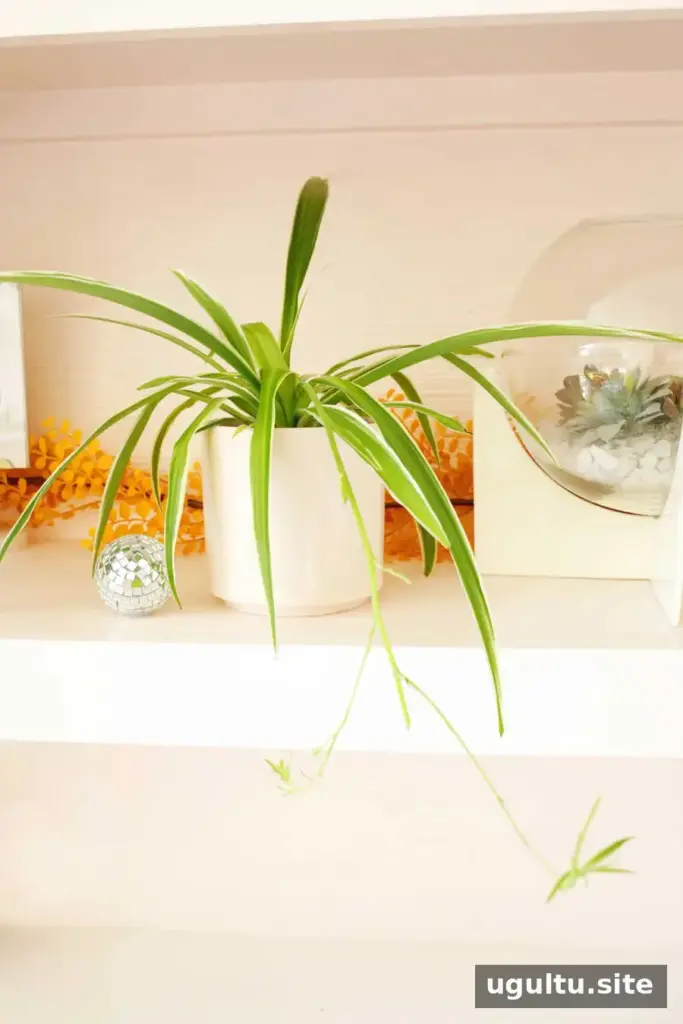
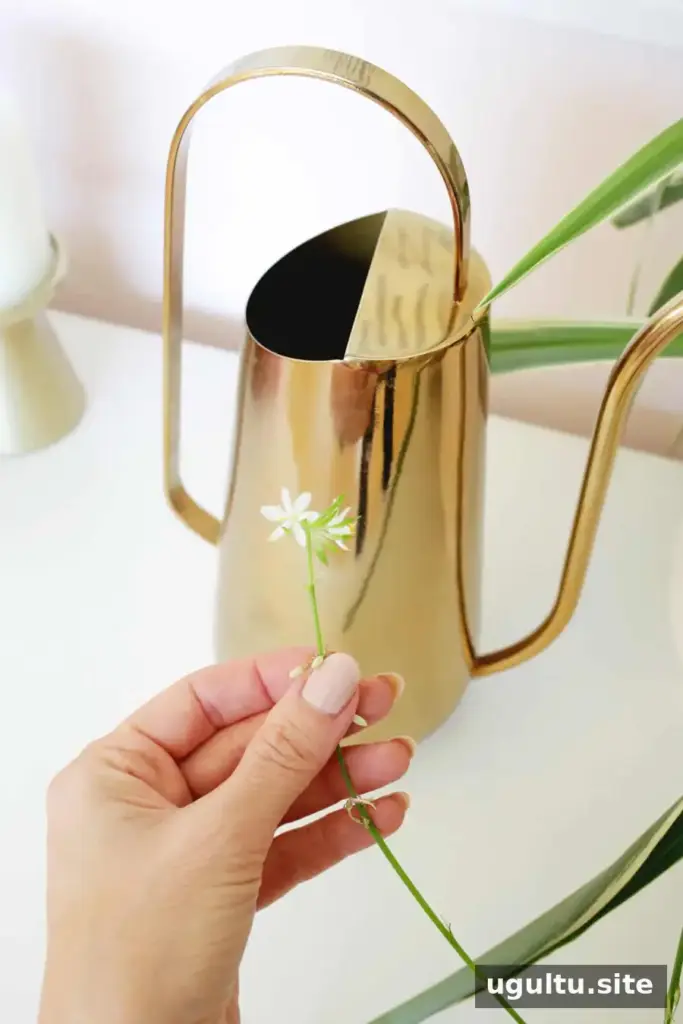
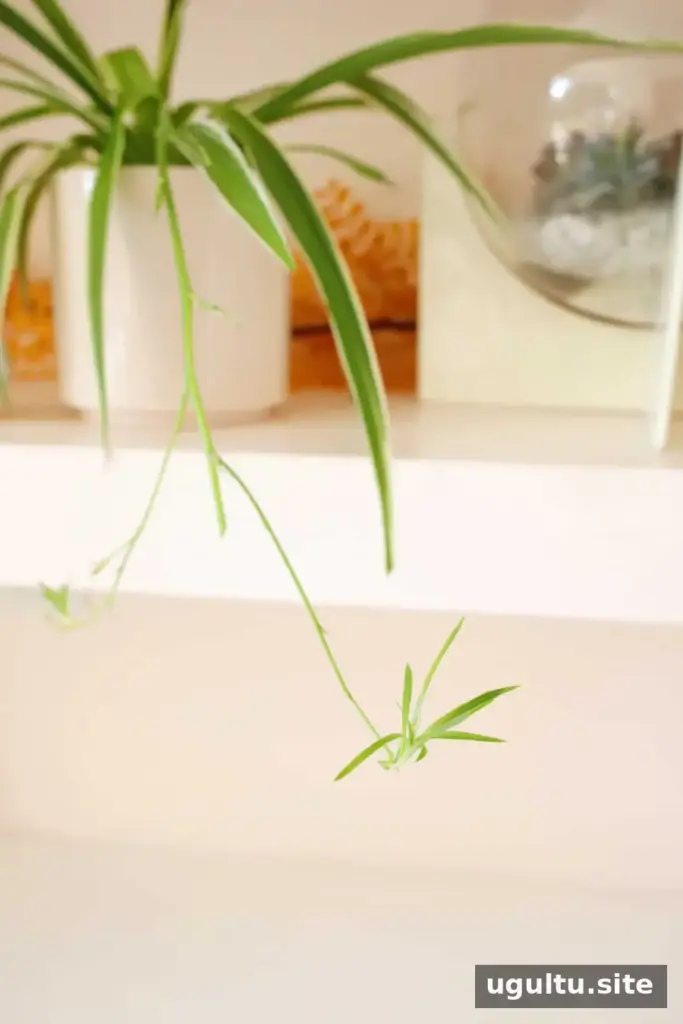
Spider plants are native to the coast of South Africa. In warm conditions, mature plants may produce small white flowers along long stems. Plantlets, often called spiderettes, can grow on these stems and hang down like tiny spiders. Once rooted, they can be planted to grow new spider plants.
Spider Plant Varieties
Several cultivars are commonly grown. Their leaf patterns and growth habits can help you choose a variety that suits your space.
- Chlorophytum comosum ‘Variegatum’: Cream or white leaf margins frame a dark green stripe down the center. Its long stems are green, and its flower stalks are yellow with small, star-shaped flowers.
- Chlorophytum comosum ‘Vittatum’: A white stripe runs down the center of each leaf, bordered by green margins. The long stems are white.
- Chlorophytum comosum ‘Bonnie’: A more compact cultivar with curly leaves, green outer edges, and a cream-colored center stripe. Its flowers are yellow.
Practical tip: Check the plant label when buying, since the leaf pattern and mature shape vary by cultivar.
Spider Plant Care: Watering and Light
How Often Should You Water a Spider Plant?
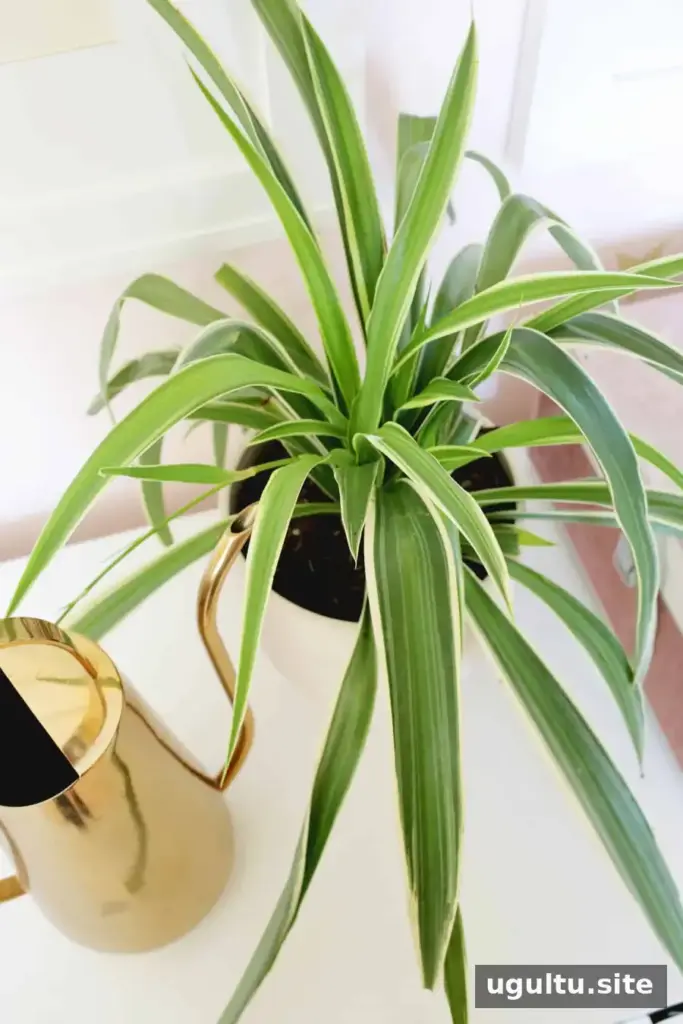
Spider plants prefer soil that stays lightly moist but not soggy. Water thoroughly, then allow the soil to begin drying before watering again. Check moisture by placing a finger into the soil; when it feels only slightly moist, it is generally time to water. The exact interval depends on light, temperature, pot size, and the growing mix, so check the soil rather than following a rigid schedule.
Overwatering can lead to root rot. Use a pot with drainage holes and empty any excess water from its saucer. Spider plants store some water and can usually handle an occasional missed watering, but prolonged dryness can still stress them. They may be sensitive to fluoride and chlorine in tap water; if leaf tips brown and other causes seem unlikely, try rainwater or distilled water.
How Much Light Do Spider Plants Need?
They grow in low to bright indirect light. Brighter indirect light can make the leaf stripes more pronounced, but direct sun may scorch or damage the leaves. Outdoors, choose a shaded spot. Deeper shade may be tolerated, though growth can be slower.
Practical tip: If leaves look faded or growth slows, consider moving the plant closer to an indirect light source. Avoid placing it where strong sunlight falls directly on the foliage.
Fertilizer, Temperature, and Humidity
During the spring and summer growing seasons, feed with an all-purpose fertilizer once or twice a month. Follow the product label, and consider starting at half strength. Too much fertilizer can harm the plant, so do not apply more than directed.
Spider plants prefer warm conditions and do best above 50°F. Indoors, keep them away from cold drafts and air-conditioning vents. Average home humidity is often suitable, though dry air may contribute to brown leaf tips.
Pruning and Repotting
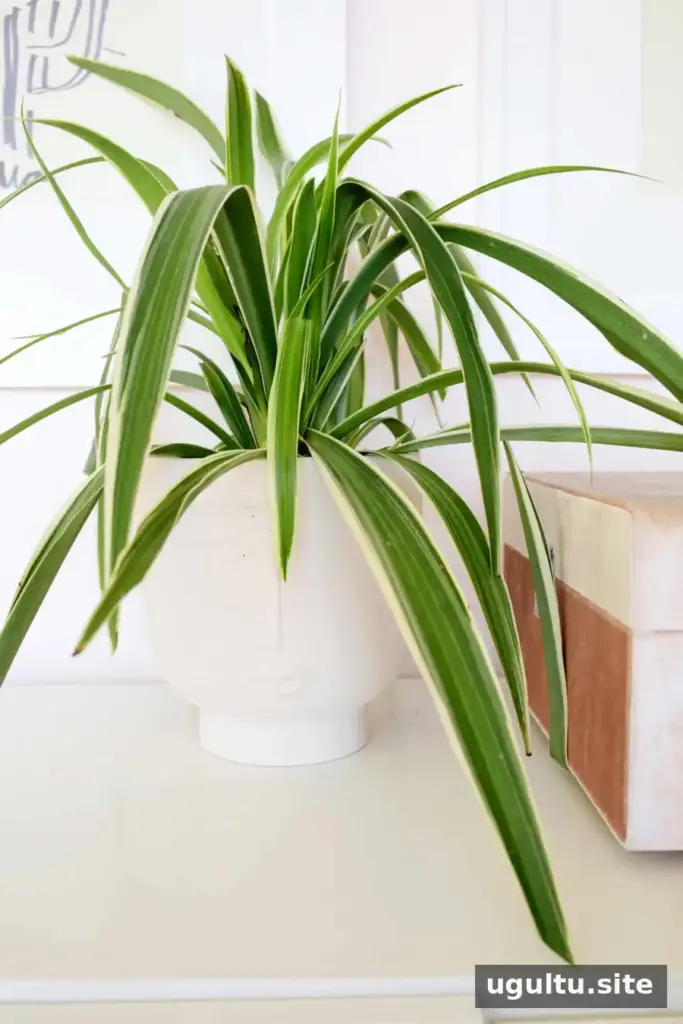
Spider plants need little pruning. Use clean, sharp scissors to trim brown tips or remove damaged leaves. Cut away only the brown portion, following the natural shape of the leaf; the trimmed area will not turn green again.
Repot when roots emerge from the drainage holes or push up through the soil. Select a container about one-third larger than the root ball, with drainage holes, and use a well-draining potting mix. Gently loosen tightly tangled roots before placing the plant in its new pot, taking care not to tear them unnecessarily.
Practical tip: A much larger pot is not automatically better. Excess soil can stay wet for longer, so choose a pot only moderately larger than the existing root system.
How to Propagate Spider Plants
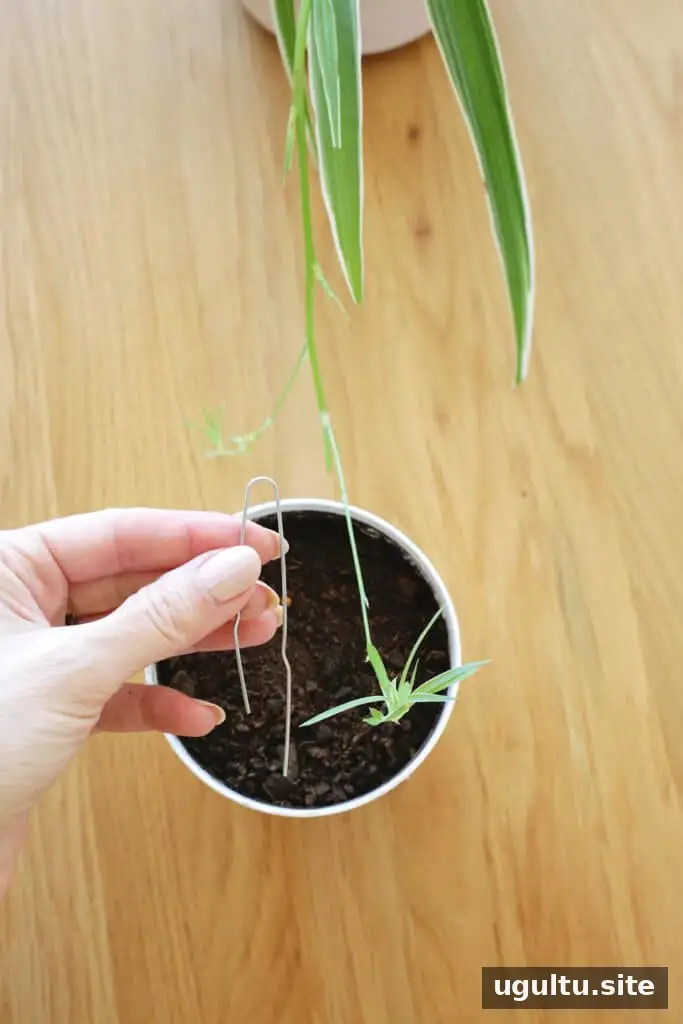
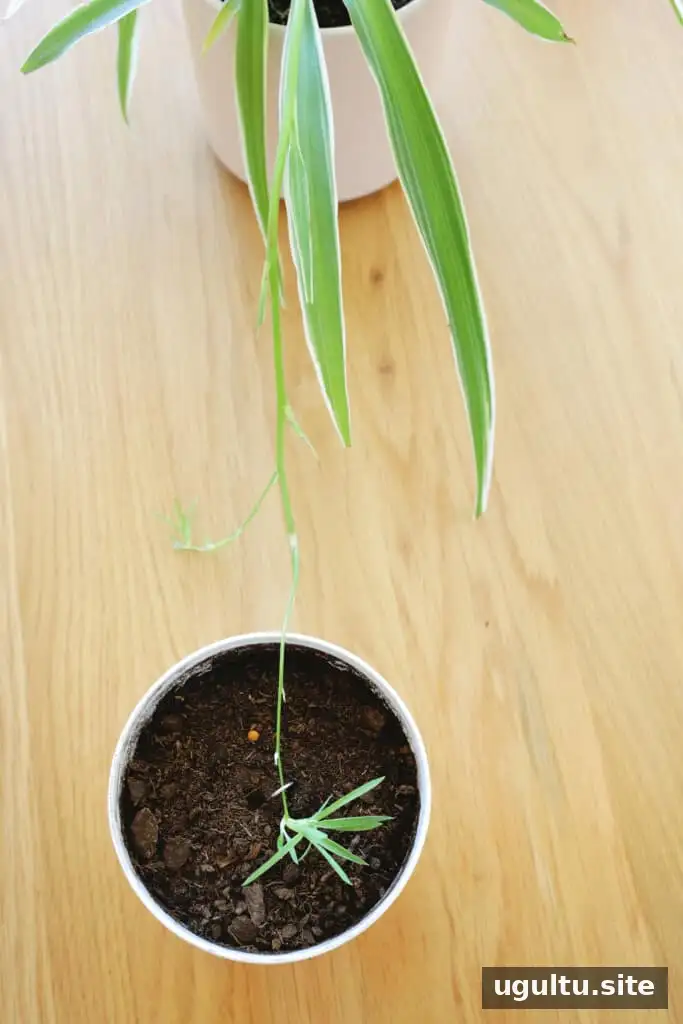
Spiderettes that form on the plant’s long stems can be used to raise new plants. One reliable approach is to let an offset root while it is still attached to the parent plant.
- Place a small pot filled with well-draining potting mix beside the parent plant.
- Set a spiderette on the soil while leaving its stem attached to the parent.
- Use a bent piece of wire or an unfolded paperclip to gently hold the spiderette in place.
- Keep the soil lightly moist as roots develop. Once the plantlet is established, cut the connecting stem.
You can also wait until a plantlet has roots, then cut it from the stem and pot it up. Only mature plants with sufficient stored energy produce spiderettes, so a young plant may not make them yet.
Common Spider Plant Problems
- Dry, crispy tips: The soil may be too dry, or the air may be dry. Check the soil and adjust watering as needed. Avoid keeping it constantly wet.
- Dark brown tips: Possible causes include overwatering, low humidity, or minerals and chemicals in tap water. Let the soil dry slightly more between waterings and consider trying rainwater or distilled water.
- Pests: Spider plants are generally relatively resistant, but aphids, whiteflies, or spider mites may appear. Rinse the foliage with water for a small infestation. For more persistent problems, use neem oil according to its label.
When leaf tips discolor, inspect the soil and growing conditions before changing several things at once. This makes it easier to identify the underlying cause.
Frequently Asked Questions
Are spider plants safe for cats?
Spider plants are generally considered non-toxic to cats. However, chewing on plant material can still upset a pet’s stomach, so keep plants out of reach if your cat tends to nibble on leaves.
Should I cut brown tips off a spider plant?
Yes. Trim the brown sections with clean scissors if you prefer, but the tips will not turn green again. Also check watering, humidity, and water quality to address the possible cause.
Should you mist spider plants?
Misting is optional and does not replace appropriate watering. If the air is very dry, monitor the leaves and consider improving humidity around the plant rather than relying on frequent misting.
Do spider plants clean indoor air?
Spider plants have been studied for their ability to absorb certain airborne chemicals under controlled conditions. Those findings do not mean a typical number of houseplants can substantially clean the air in a home; normal ventilation remains important.
Conclusion
Good spider plant care comes down to bright indirect light, watering only after the soil begins to dry, and using a well-draining pot. Trim damaged tips when needed, repot when roots outgrow the container, and root spiderettes to grow new plants. These simple habits help keep a spider plant healthy and make it easier to enjoy its distinctive foliage.


