admin
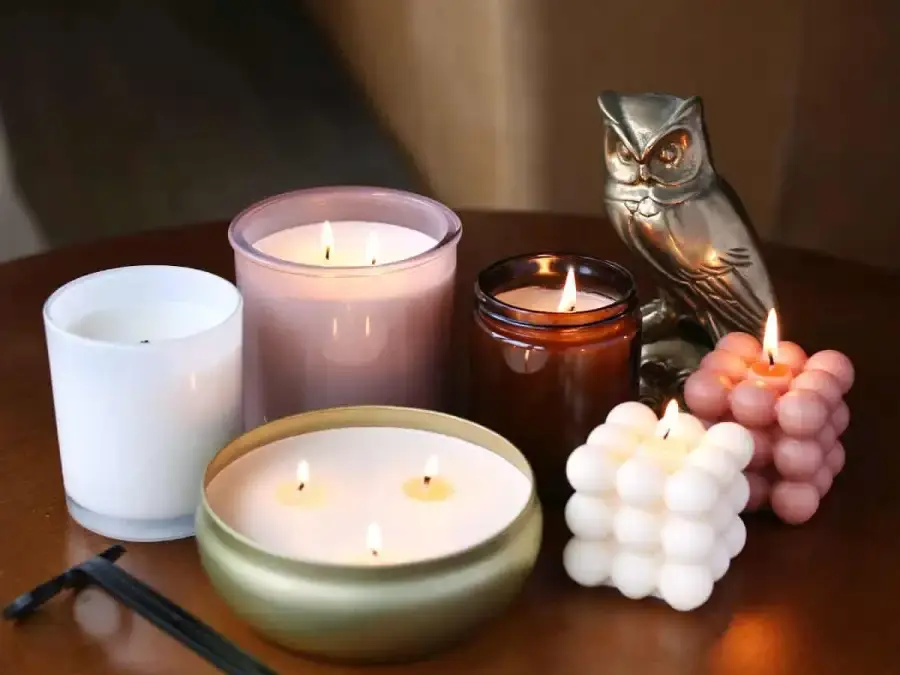
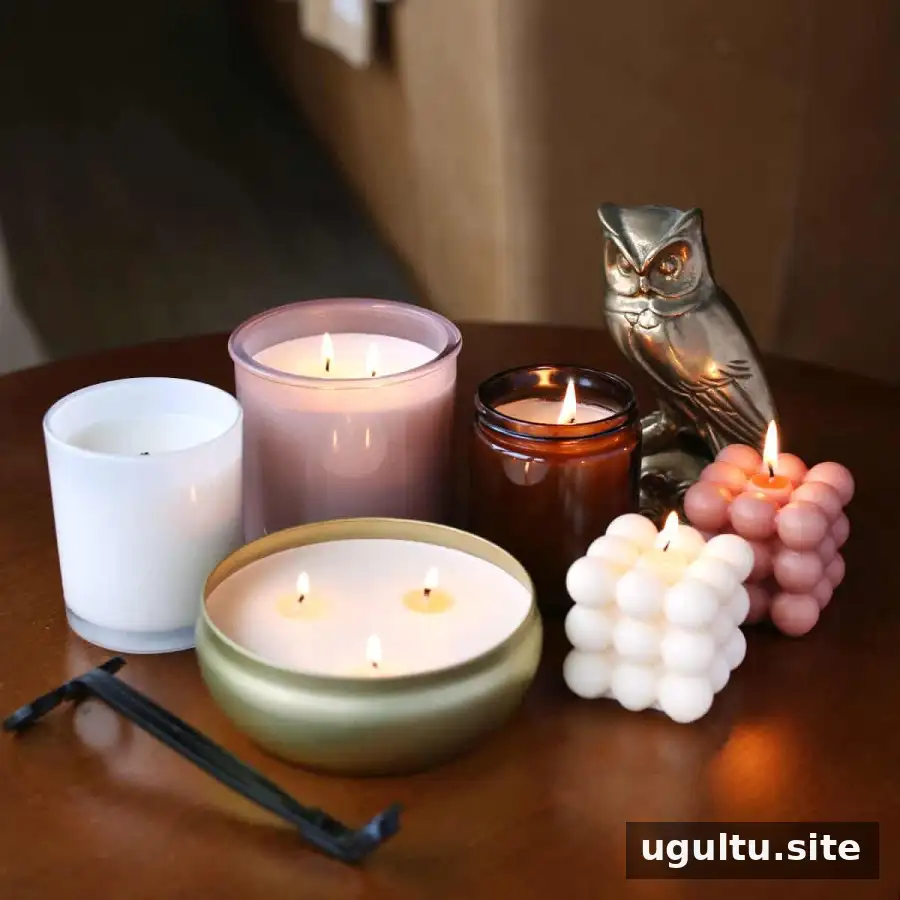
Candle making at home is a practical craft that lets you choose the wax, fragrance, container, and style of your finished candle. With a few basic supplies and careful temperature control, beginners can make container candles or experiment with reusable molds. This guide covers the equipment you need, the basic process, and useful tips for selecting wax and wicks.
Candle Making Supplies
Gather your materials before you begin so you can work steadily while the wax melts and cools. For a basic container candle, you will need:
- Wax, such as beeswax, soy, paraffin, palm, or gel
- A suitable wick, such as ECO, hemp, or wood; select a size appropriate for the candle
- Wick stickers or hot glue to secure the wick
- Fragrance oil, essential oil, or a blend
- A heat-resistant container or candle mold
- A melting pot and a larger pot for a double boiler
- A kitchen thermometer, measuring cups and spoons, and a mixing spoon
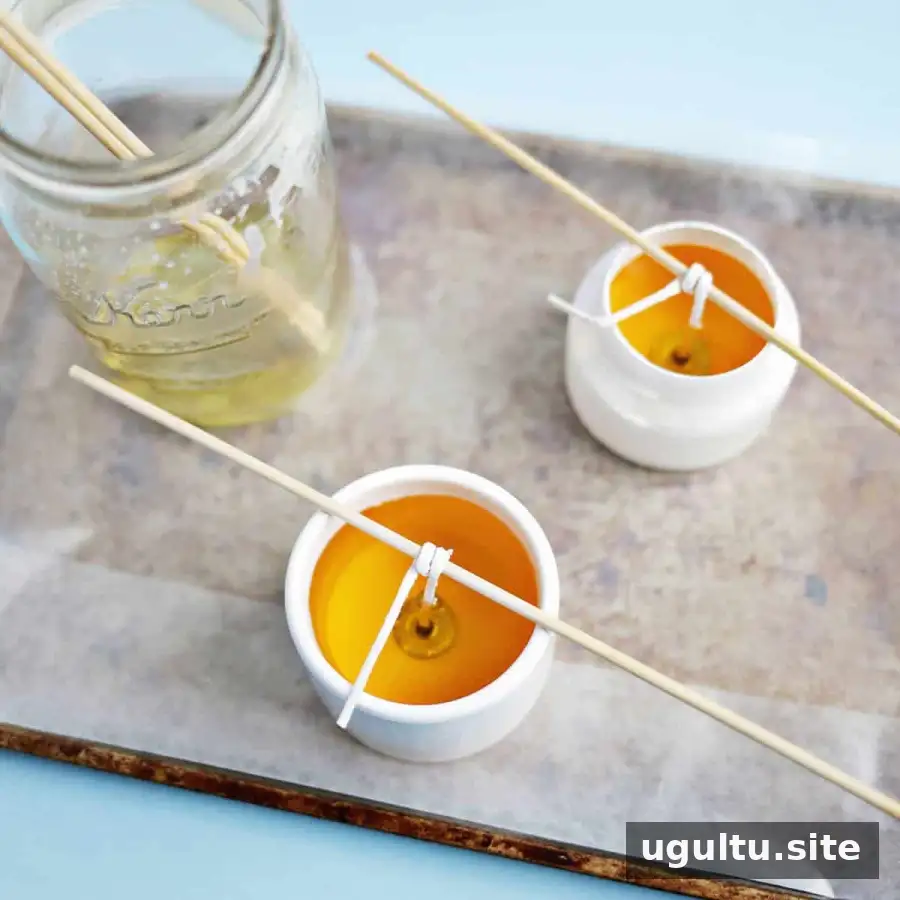
- A clothespin, pencil, skewer, or chopstick to keep the wick centered
- Scissors or a wick trimmer; a kitchen scale is optional but helpful
Practical tip: Choose a container intended to withstand heat. Avoid plastic and any vessel that could melt or catch fire.
How to Make a Candle
- Fill the intended container with wax pellets, then weigh the wax if you have a kitchen scale. This helps you estimate the amount of fragrance to add.
- Put the wax in a melting pot. Add water to a larger pot until it will reach at least halfway up the outside of the melting pot.
- Warm the water over medium heat to melt the wax using a double boiler. This method helps prevent the wax from overheating.
- Use a thermometer to heat the wax to 185°F. Stir in the scent oil so it is distributed evenly.
- Turn off the heat and let the mixture cool to 125°F before pouring.
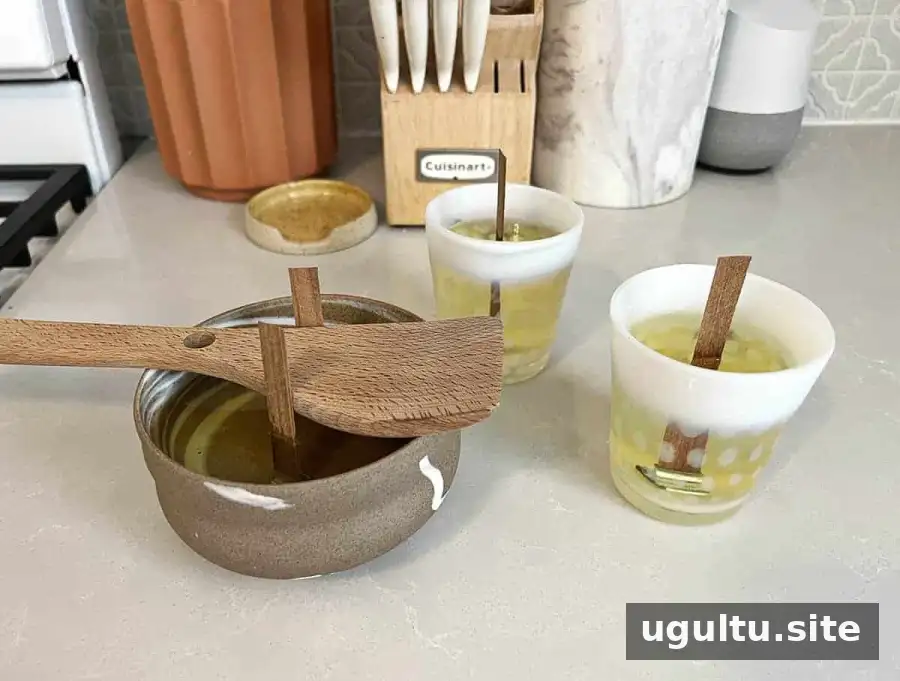
- While the wax melts or cools, attach the wick’s metal base to the center of the container with a wick sticker or hot glue. Hold the wick upright with a clothespin or stick.
- Pour the wax into the container. If the wick moves, gently reposition it while the wax is still liquid.
- Let the candle harden, then trim the wick before use.
Keep the melting pot attended while it is on the stove, and follow the temperature guidance provided for your particular wax when available. Wax and fragrance products can have different handling requirements.
Types of Wax and Wicks
Different waxes and wicks affect a candle’s appearance, cost, and burning characteristics. Beeswax has a naturally subtle sweet scent and can cost more. Soy wax is often more affordable, but some products are blends, so check the label. Paraffin is generally an economical option. Common beginner wick choices include cotton-and-paper ECO wicks, hemp wicks, and wooden wicks.
Wick size matters: a wick that does not suit the candle’s width may not burn as intended. Follow the wick supplier’s sizing advice and test a small candle before making a larger batch.
What Is Scent Throw?
Scent throw describes how far a candle’s fragrance can be noticed while it burns. It can be affected by the type of wax, wick thickness, amount of scent oil, and the wax temperature when the oil is added.
As a general starting point, use about 1 ounce of scent oil for every 1 pound of wax. The right amount depends on the wax and fragrance, so check product guidance rather than assuming that more oil will produce a stronger scent. Measuring the wax by weight makes it easier to calculate a consistent amount.
Making Molded Candles
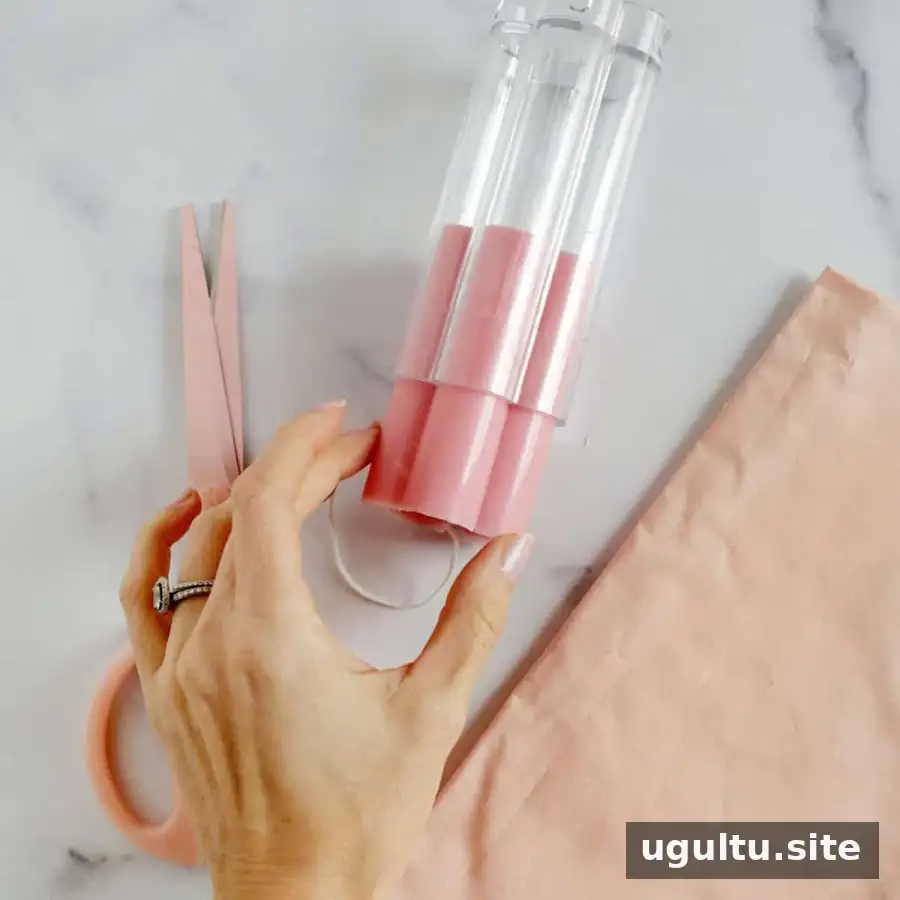
Molded candles are made without a container, and a reusable candle mold can be used for multiple projects when cared for properly. Bubble, twisted taper, knot, and geometric molds are examples of shapes to try. Make sure the mold is designed for candle making and follow its instructions for filling and releasing the candle.
Helpful tip: Set the mold on a stable, level surface before pouring so it is less likely to tip while the wax is liquid.
Choosing Containers for Candle Making
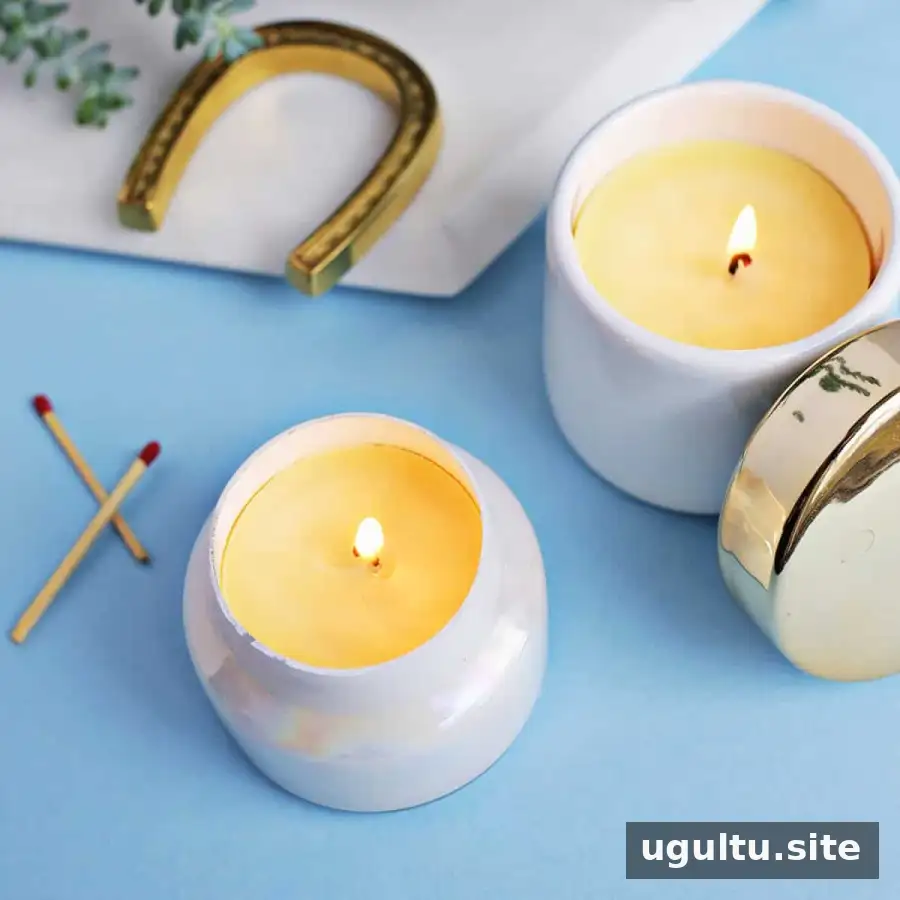
For a new project, you can use a suitable heat-resistant glass or porcelain vessel. Cleaned glass food containers may also be reused if they are in good condition and appropriate for candle use. Do not use plastic or containers that may melt, crack, or catch fire when exposed to heat.
Before pouring, ensure the container is clean, dry, and stable. If reusing a vessel, check it for chips or cracks and remove any old wax completely.
Conclusion: Candle Making at Home
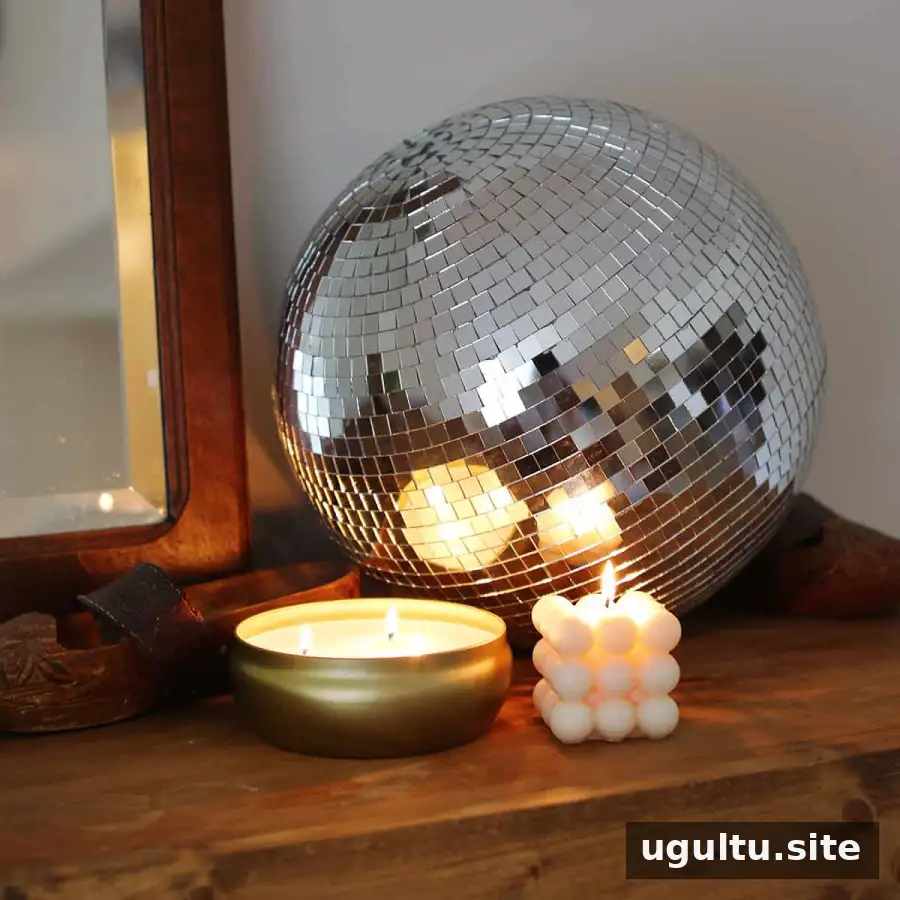
Candle making is easier to manage when you prepare your supplies, use a double boiler, measure fragrance carefully, and keep the wick centered. Start with a simple container candle, follow the guidance for your chosen wax and wick, and adjust your method based on the results. With those basics in place, candle making can be a rewarding way to create candles for your home or thoughtful gifts.