admin
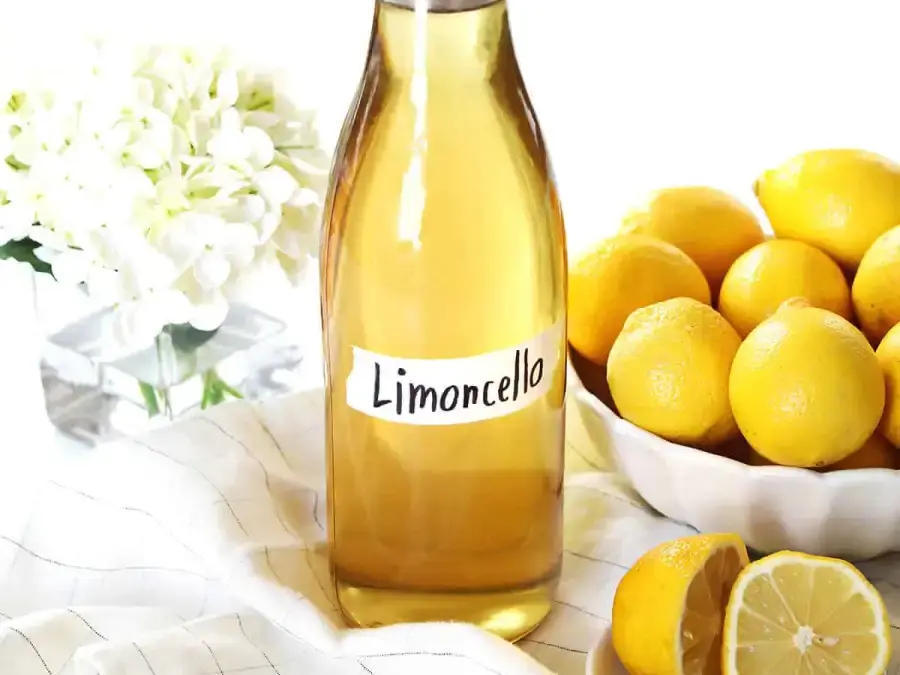
Learning how to make limoncello at home takes just three ingredients: lemons, vodka and sugar. This citrus liqueur is made by infusing lemon peels in vodka, then letting the sugar dissolve into the mixture. The steps are simple, but careful peeling and enough infusion time help produce a clean, bright lemon flavor.
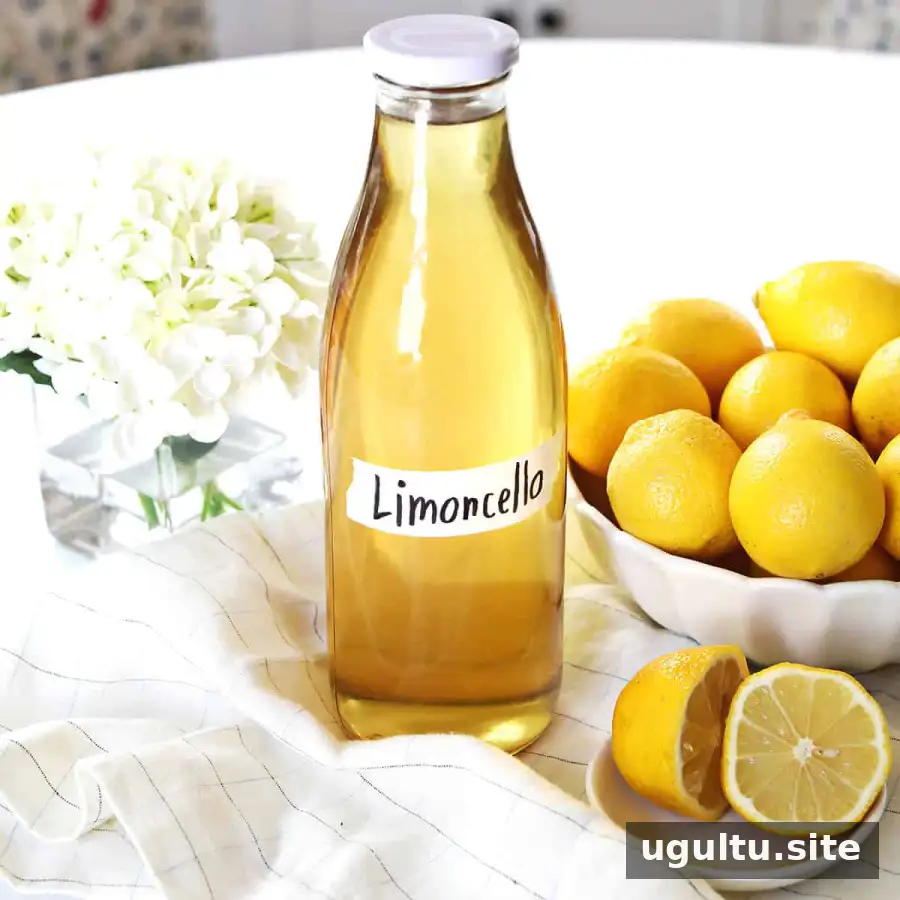
Ingredients for Homemade Limoncello
- 10 organic lemons: The peels provide the lemon flavor, so organic lemons are a useful choice. Wash and dry them before peeling.
- 1 bottle of vodka (750 ml): Vodka at 100 proof is recommended for extracting flavor, though 80 proof also works.
- 2 cups of sugar: Add up to 4 cups if you prefer a sweeter liqueur. Starting with 2 cups makes it easier to adjust the sweetness later.
Equipment You’ll Need
Gather a vegetable peeler, a paring knife, a 1-quart jar with a lid, a mesh strainer, a coffee filter or cheesecloth, measuring cups, a small funnel and clean bottles. The finished recipe makes about 32 ounces, so choose bottles that hold that amount in total.
How to Make Limoncello
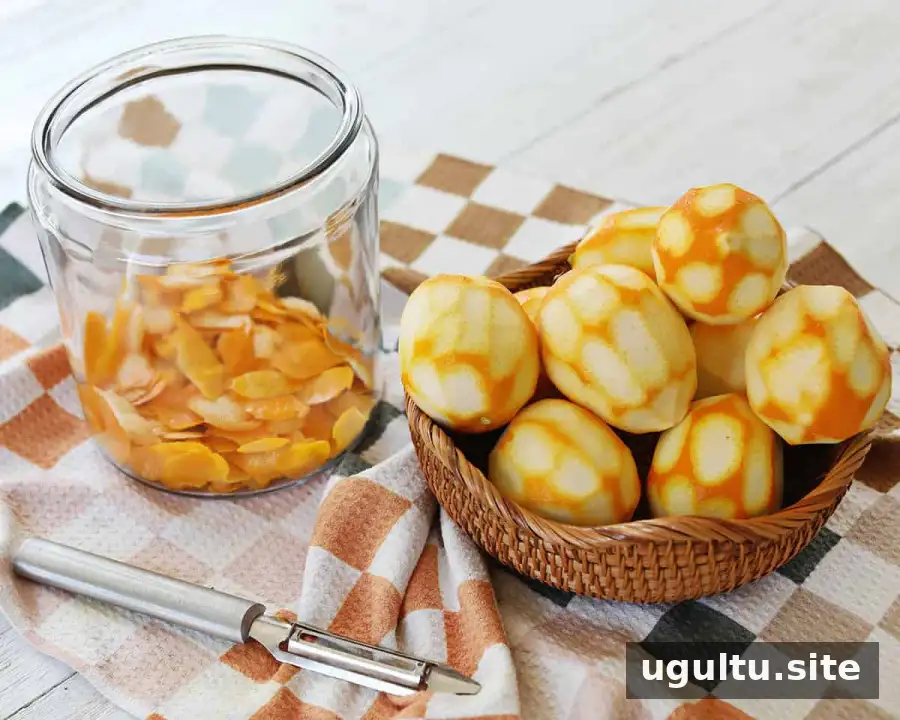
1. Peel the lemons
Use a vegetable peeler to remove the outer yellow skin from all 10 lemons. Try to leave behind the white pith beneath the peel, as the recipe calls for mostly zest. If thick pieces of pith come away with the skin, trim them off with a paring knife. A small amount is fine.
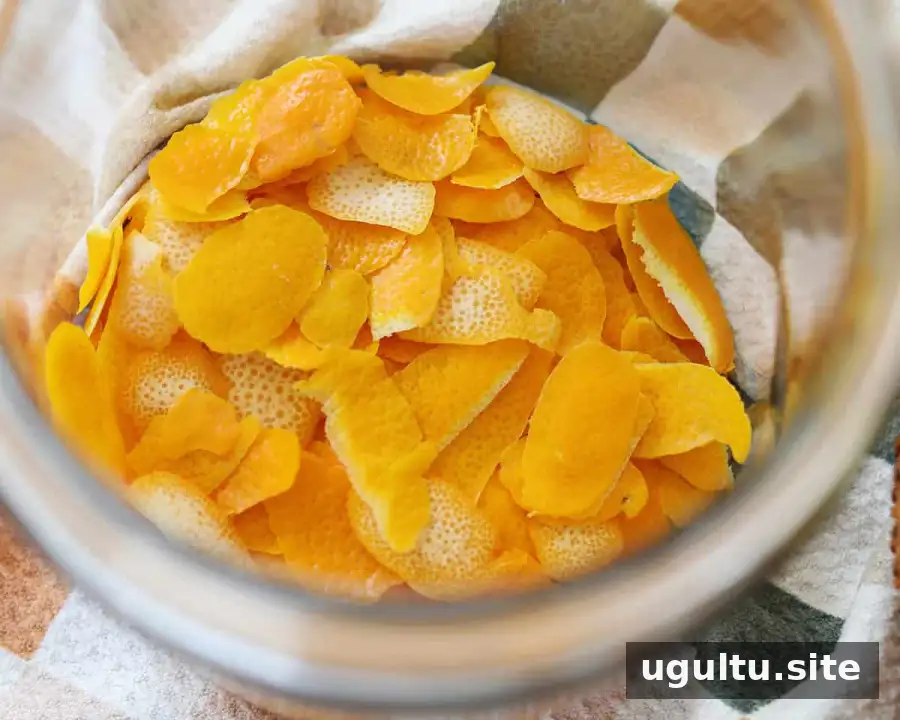
2. Combine the peels, vodka and sugar
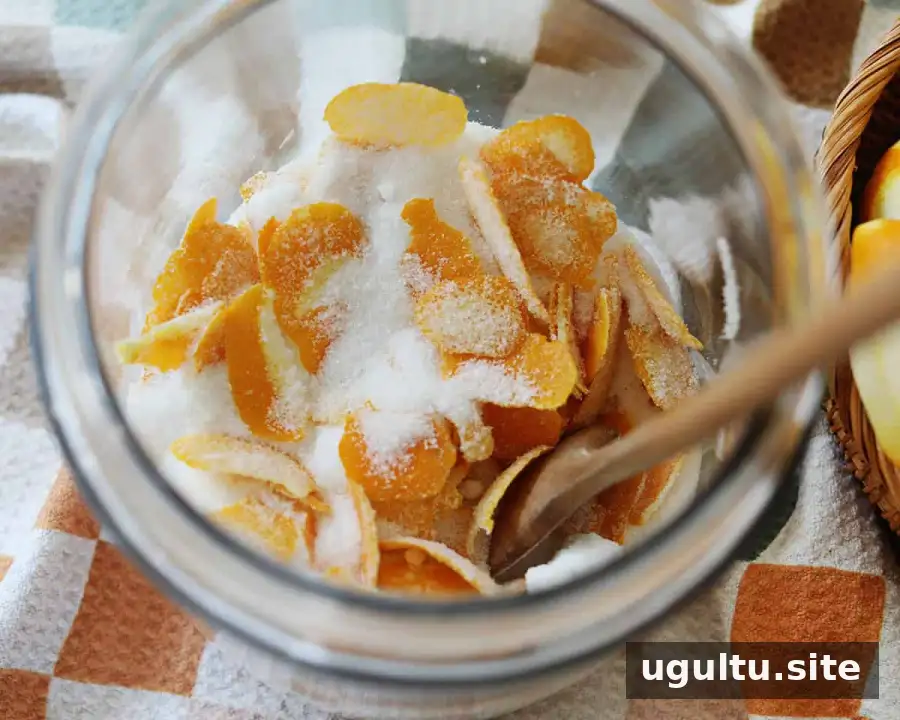
Put the lemon peels in the jar and add the sugar and vodka. Seal the jar and keep it in a cool, dark place away from direct sunlight. The recipe uses an infusion method that does not require heating.
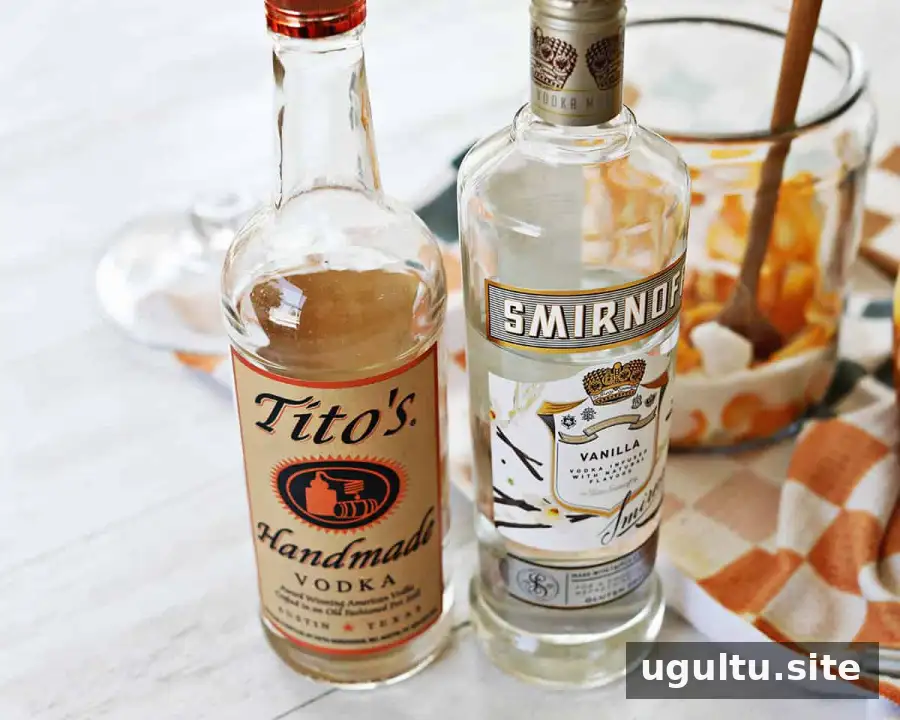
You can use unflavored vodka or try flavored vodka if you want to vary the taste. Keep in mind that a flavored spirit will affect the finished liqueur’s flavor.
3. Stir and let the mixture infuse
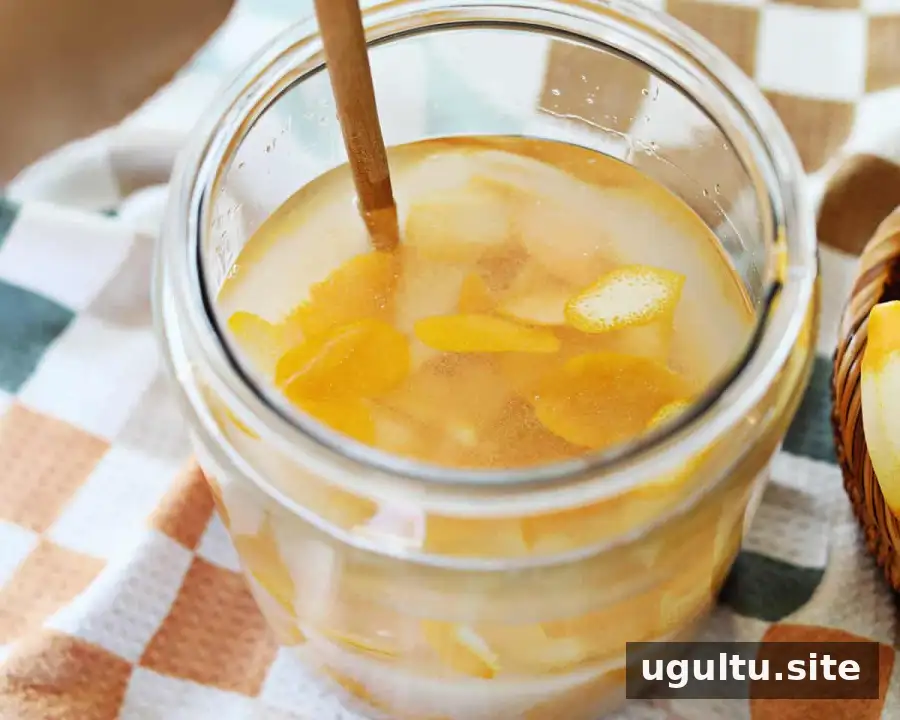
Stir the mixture once a day to help the sugar dissolve. Leave it to infuse for at least 5 days and up to one month; around two weeks is one suggested infusion period. The longer the infusion, the more time the lemon peels have to flavor the vodka, so taste and assess it as it develops.
4. Strain and bottle
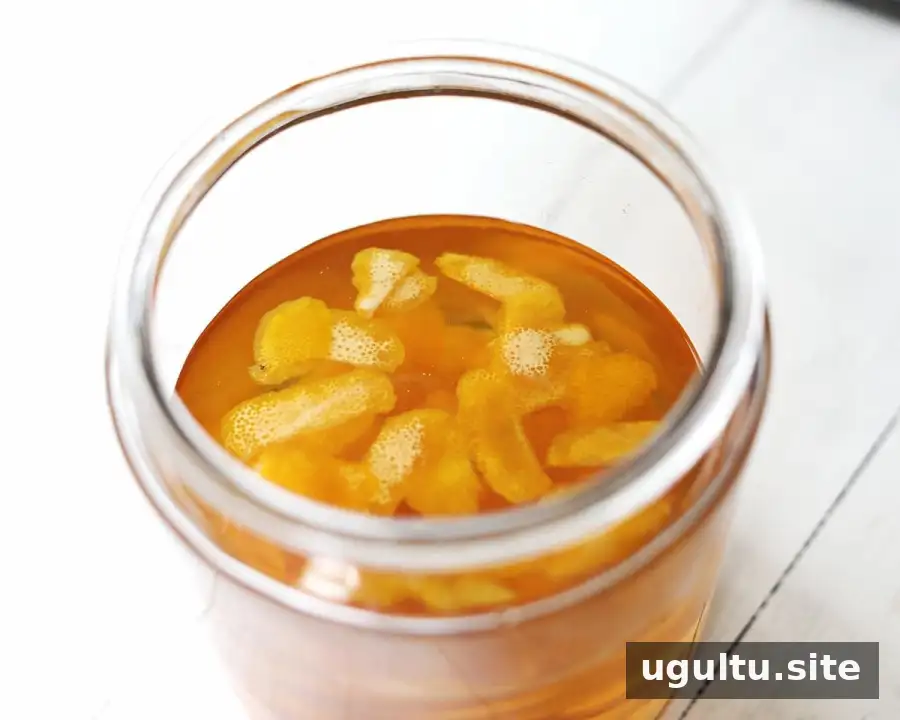
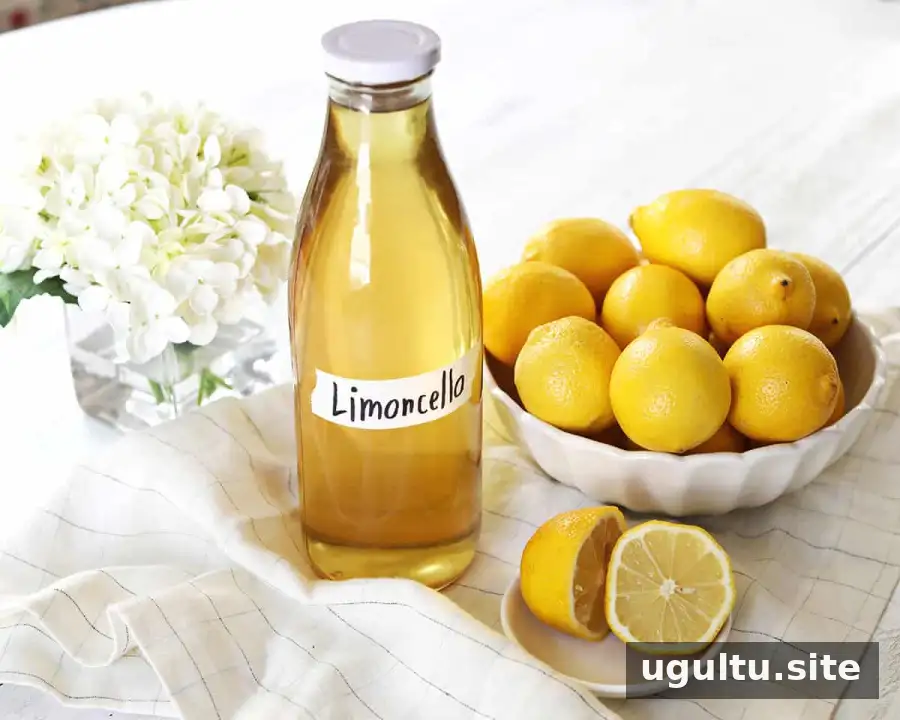
Place a coffee filter or cheesecloth inside a mesh strainer, then strain the liquid to remove the peels and fine particles. For a clearer result, strain it carefully rather than pressing the peels. Use a funnel to transfer the limoncello into clean bottles and label them.
5. Chill before serving
Store the finished limoncello in the refrigerator for up to one month or in the freezer for up to one year or longer. It is best served cold, either in a small glass or as an ingredient in a cocktail.
Tips for Better Homemade Limoncello
- Choose lemons with clean, fragrant skin. Organic lemons are recommended because the recipe relies on the peel. Standard lemons may have a wax coating, so wash them thoroughly if using them.
- Remove thick pith. Peeling mostly the yellow outer skin helps keep the infusion focused on lemon zest. If using a zester instead of a peeler, strain the liquid thoroughly to remove the small pieces.
- Adjust sweetness gradually. Begin with 2 cups of sugar. After the mixture has infused for several days, taste it and add more if desired, up to 4 cups.
- Use the leftover fruit. The peeled lemons can be juiced for lemonade or another recipe, or the juice can be frozen for later.
- Try other citrus peels. Orange, grapefruit or lime peels can be combined with lemon peel for a different citrus profile.
Frequently Asked Questions
What is limoncello made of?
Limoncello is made with lemon peels, vodka and sugar. The peels infuse the vodka, while the sugar sweetens the finished liqueur.
What type of alcohol is limoncello?
Limoncello is a liqueur made here with vodka infused with lemon peels and combined with sugar.
Can limoncello be served straight?
Yes. Serve it chilled in a small glass and sip it. It can also be used in cocktails, including a limoncello spritz.
Conclusion
How to make limoncello comes down to peeling lemons carefully, combining the peels with vodka and sugar, allowing time for infusion, and straining before bottling. Keep the bottles chilled, serve the liqueur cold and adjust the sweetness to suit your taste.