admin
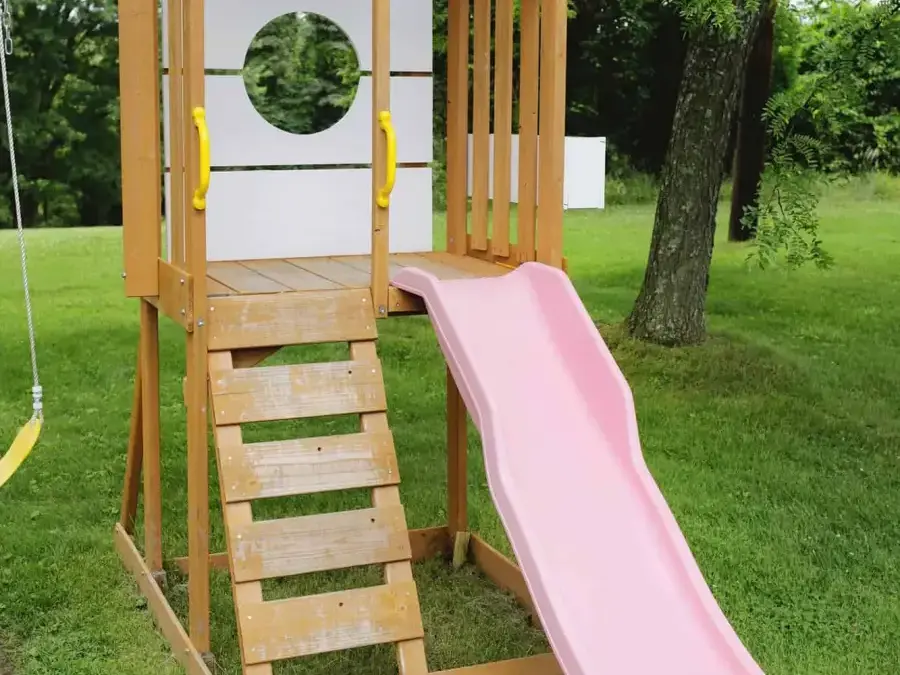
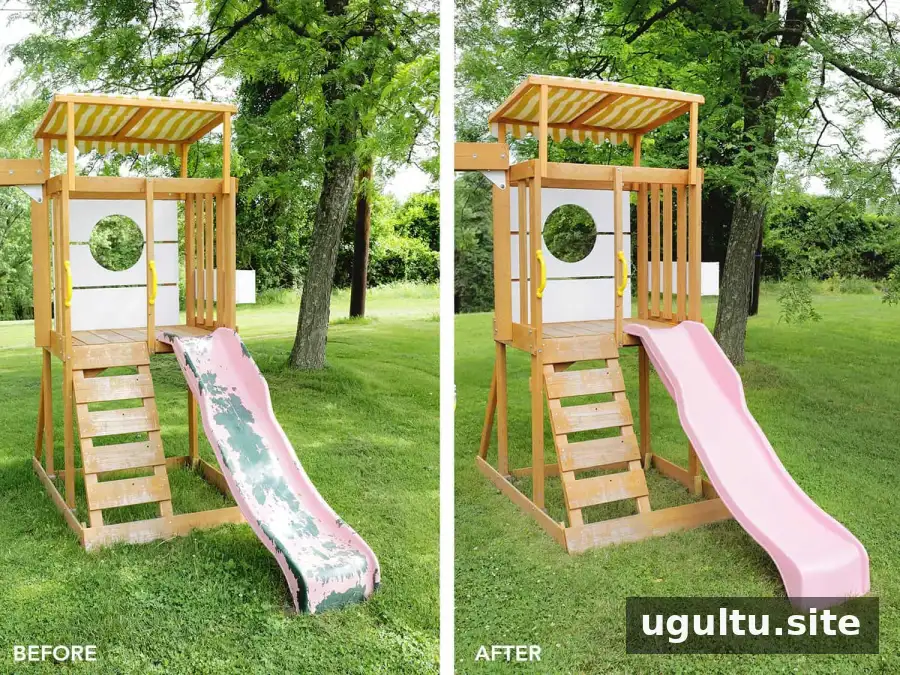
Learning how to paint plastic can help refresh outdoor furniture, toys, and other household items instead of replacing them. Because plastic is smooth and can expand or contract as temperatures change, paint may peel or crack if the surface is not properly prepared. Cleaning, light sanding, and using products made for plastic can help create a more durable finish.
Items kept outside or handled frequently may experience more wear from sunlight, weather, and regular use. Indoor pieces or items stored in a sheltered area may retain their finish longer. Follow the paint label for drying and curing times, especially before putting an item back into use.

How to Paint Plastic: Prepare the Area
Whenever possible, spray paint outdoors to reduce exposure to fumes and overspray. Check the product label for its recommended temperature and weather conditions; paint may not set properly if it is too cold or otherwise outside the stated range.
Protect the ground with a tarp, plastic sheet, or cardboard. Cardboard absorbs paint, so it can help limit the chance of wet paint spreading across a patio or lawn. Cover areas that should remain unpainted with painter’s tape or plastic secured with tape.
Practical tip: Choose a well-ventilated location and follow the safety instructions on the paint and primer labels.
Supplies for Painting Plastic
- Fine sandpaper, around 180 to 220 grit
- Scrub brush
- Mineral spirits or isopropyl alcohol
- Clean rags
- Primer formulated for plastic
- Spray paint formulated for plastic
Do You Need to Prime Plastic Before Painting?
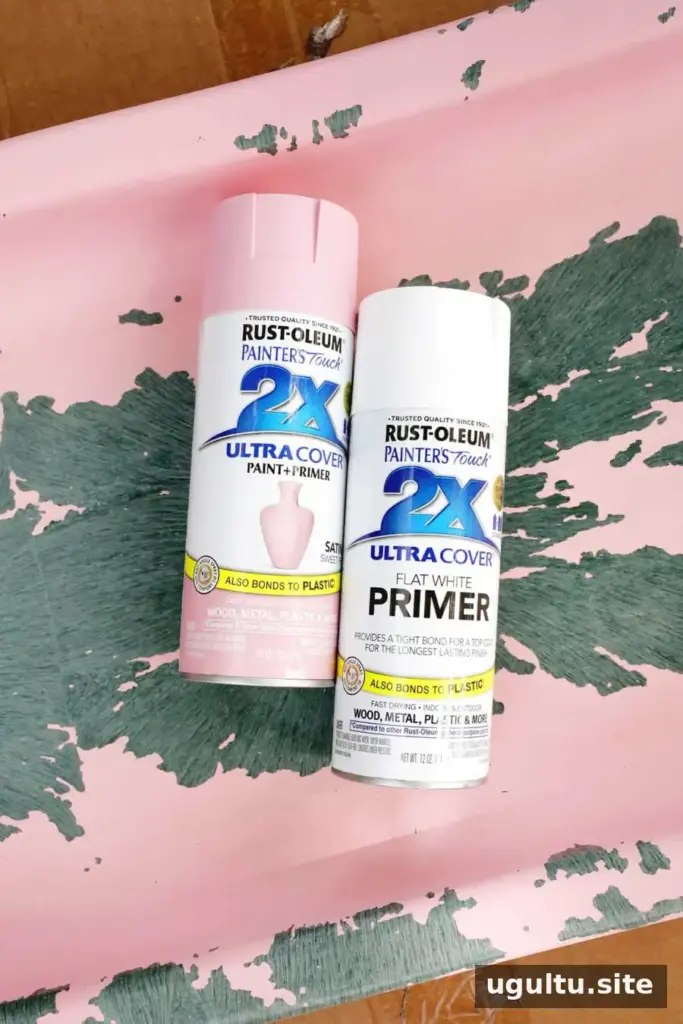
A plastic-specific primer can help paint adhere, even when the paint itself includes primer. For best results, apply primer after cleaning and lightly sanding the plastic. Use thin, even coats and allow the primer to dry as directed on its label.
Do You Need Special Paint for Plastic?
Use paint that is labeled for plastic. Some paints are formulated to bond with plastic surfaces, while general-purpose paint may not adhere as well. Check the product label to confirm that it is suitable for the item and intended use.
Steps for Painting Plastic
1. Clean the surface
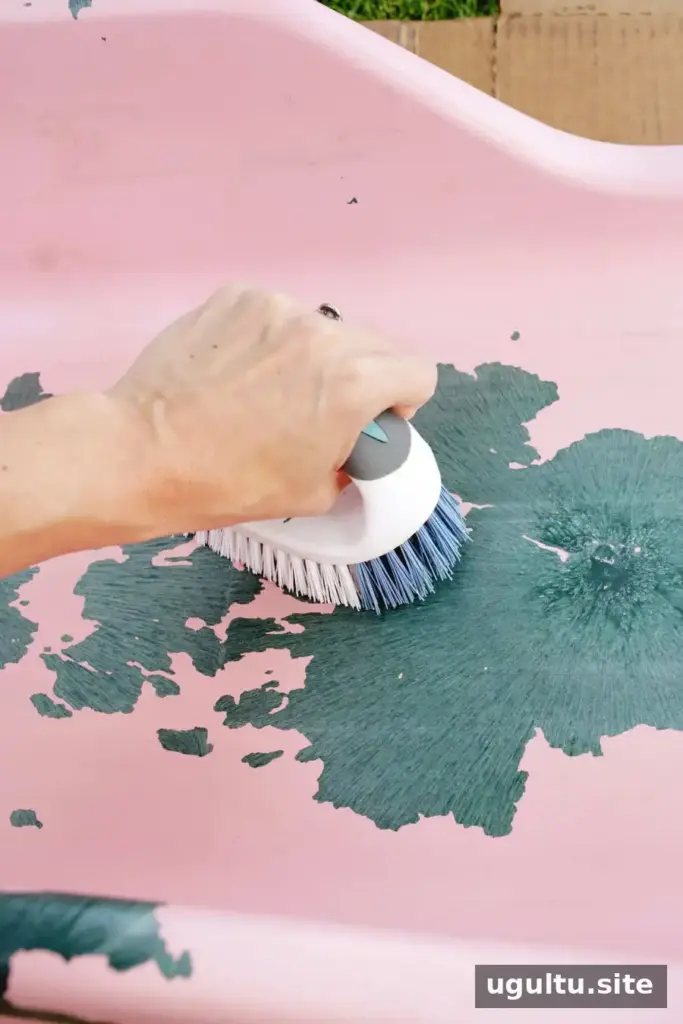
Brush away loose dirt and any flaking paint while the surface is dry. Then wash the item with soapy water to remove remaining grime and let it dry. Outdoor furniture may need extra scrubbing to remove mildew or algae. Make sure the item is fully dry before moving on.
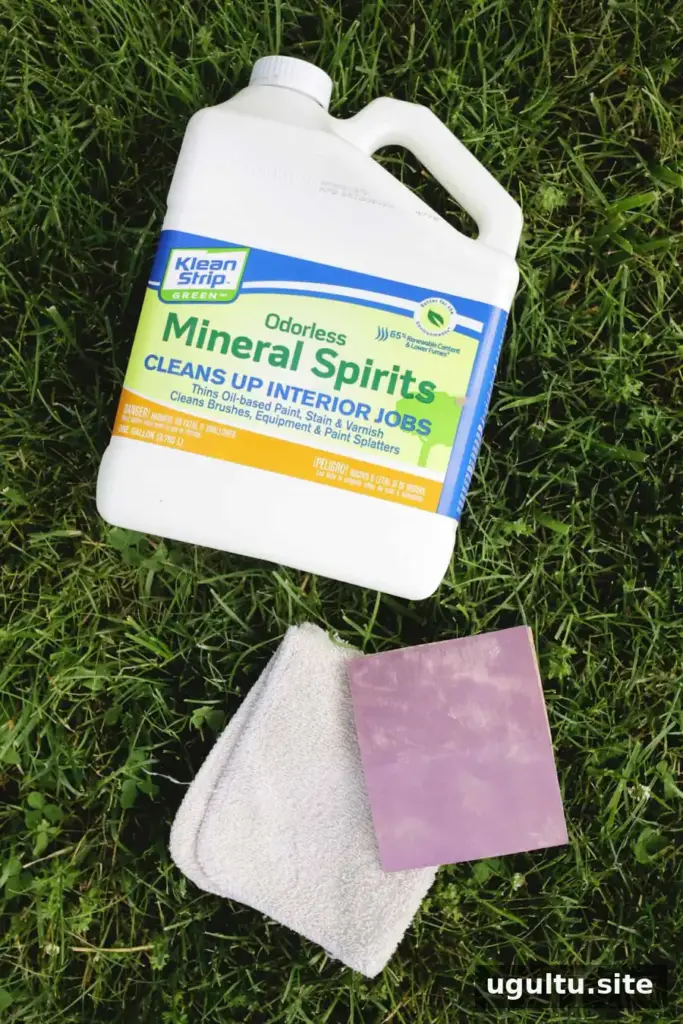
2. Lightly sand the plastic
Use fine-grit sandpaper to gently roughen the smooth surface so the primer and paint have a better chance of adhering. Keep the pressure light; fine sandpaper should create texture without leaving obvious scratches.
3. Remove sanding dust
Wipe away most of the dust with a dry cloth. Then use a rag with mineral spirits or isopropyl alcohol to pick up remaining particles. Check the product labels for surface compatibility and allow the surface to dry before priming.
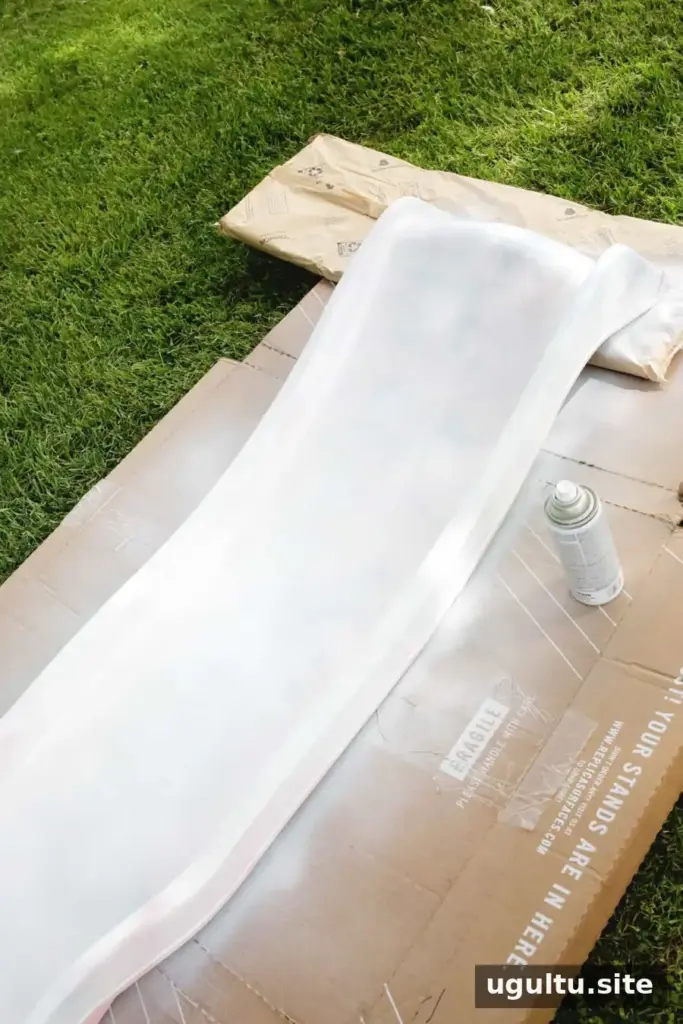
4. Apply primer
Place the item on your protected work surface and apply a thin, even coat of plastic-specific primer. Move the spray in one direction using a close zigzag pattern, without repeatedly spraying over the same wet area. Let the primer dry completely according to the can directions before applying paint.
Practical tip: Test the spray on cardboard first. This can help you check that the paint is mixed and flowing smoothly. If a nozzle is clogged, follow the manufacturer’s instructions for cleaning it rather than spraying uneven paint onto the item.
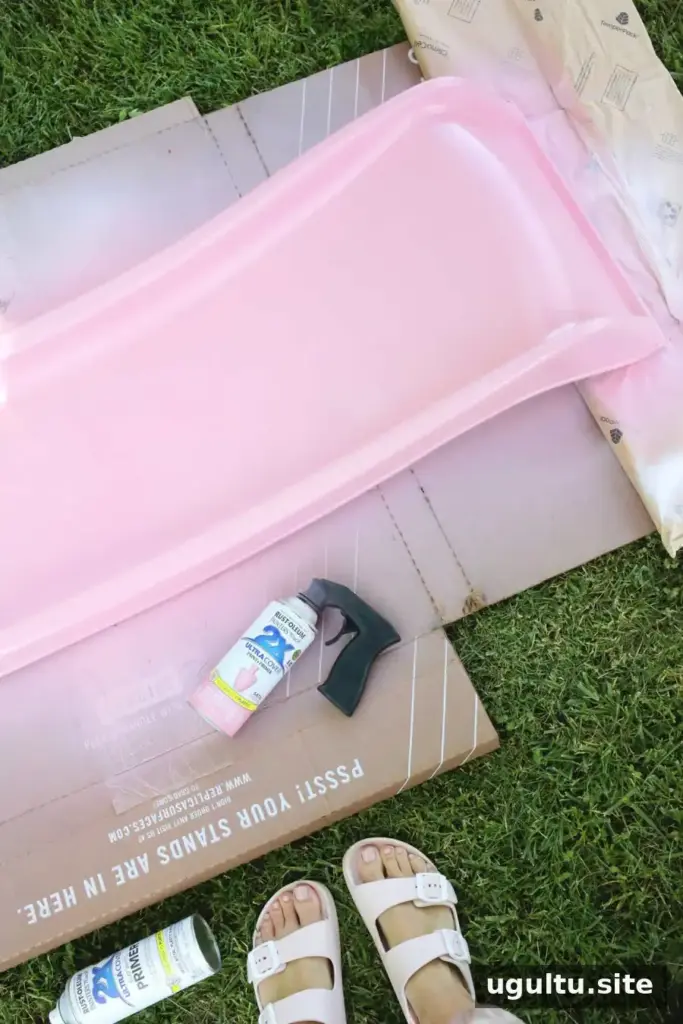
5. Apply the color in light coats
Plastic does not absorb paint like many other materials, so heavy coats can run or drip. Apply several light coats instead, allowing the recommended drying time between coats. Keep the spray can approximately 8–12 inches from the surface and angle it downward at about 45 degrees, as described in the project instructions.
Work patiently and cover the item evenly. Check the paint label for the correct recoat window, since drying instructions can vary by product.

Tips for a Longer-Lasting Finish
- For items that people sit on or handle often, wait several days before use so the paint has time to cure. Follow the product label, as curing time may vary.
- If fully dried paint feels rough in a few spots, gently smooth those areas with extra-fine sandpaper using light circular motions. Wipe away dust with a dry cloth, then a cloth dampened with water.
- Shake the can periodically as directed on its label to keep the paint mixed evenly.
- A spray can may produce uneven paint near the end. Avoid using the final portion if the spray begins to sputter or become chunky.
With careful preparation and thin coats, painting plastic can give worn household items a fresh appearance. The key steps in how to paint plastic are choosing compatible products, creating a lightly textured surface, and allowing enough time for each layer to dry and cure.
— Laura