
 admin
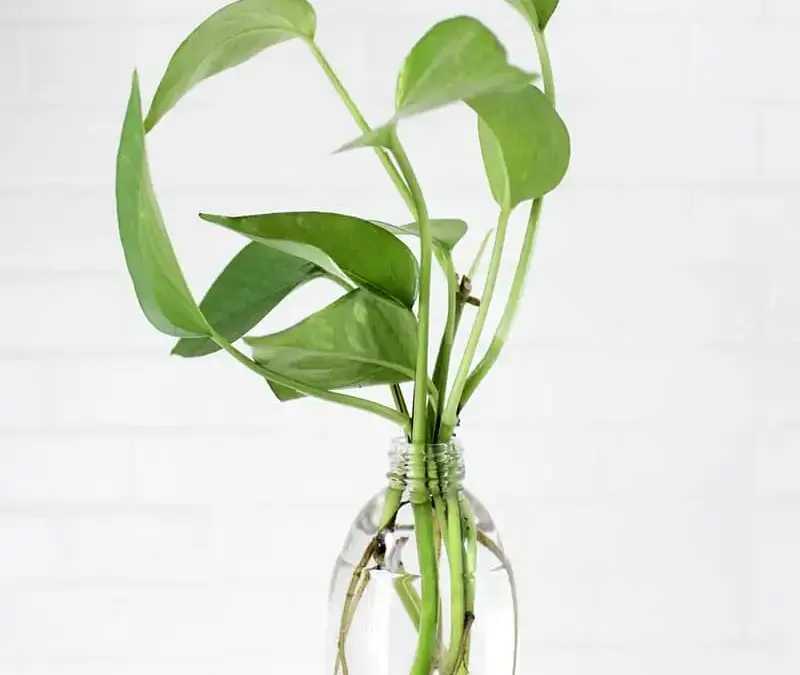
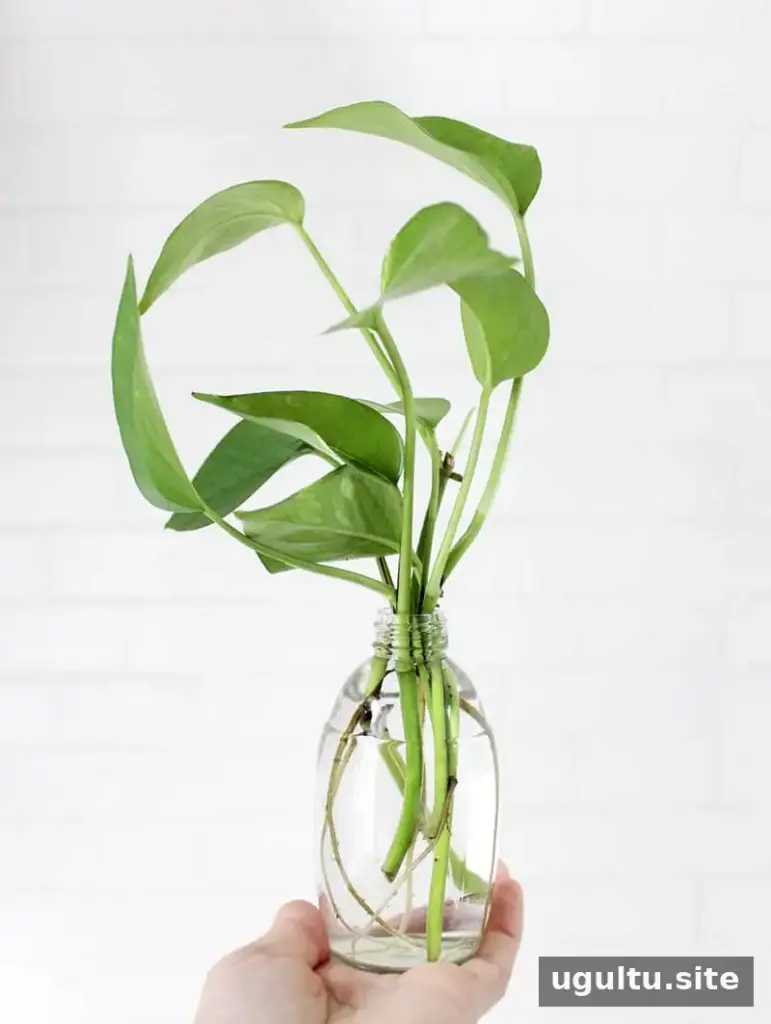
Learning how to propagate plants in water is a simple way to grow new houseplants from cuttings. It also lets you watch roots develop, so you can see when a cutting is ready to move to soil. Pothos, philodendron, holiday cactus, and ZZ plants can all be propagated this way, though each may take a different amount of time to root.
Use a clean, sharp cutting tool, and place each cutting in a clear glass or jar with the lower part submerged. Keep leaves above the waterline, and check the water regularly. The steps below cover three popular houseplant options.
1. Pothos and Philodendron
How to propagate plants: pothos and philodendron
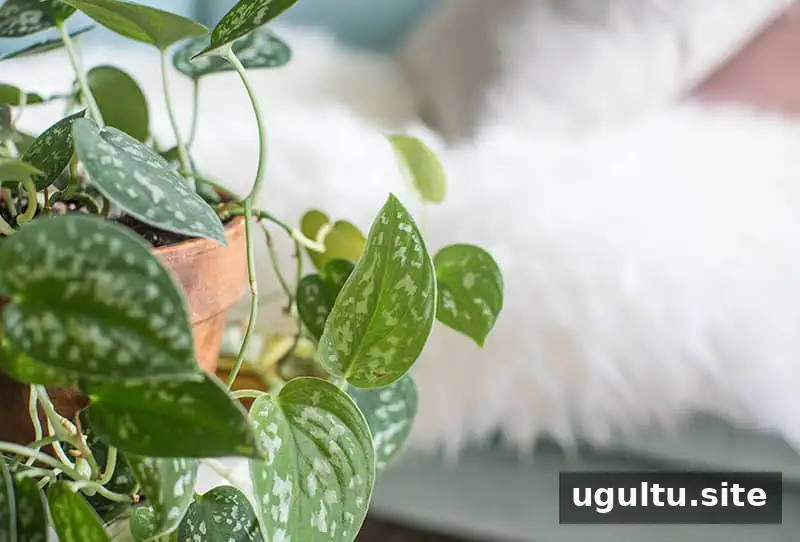
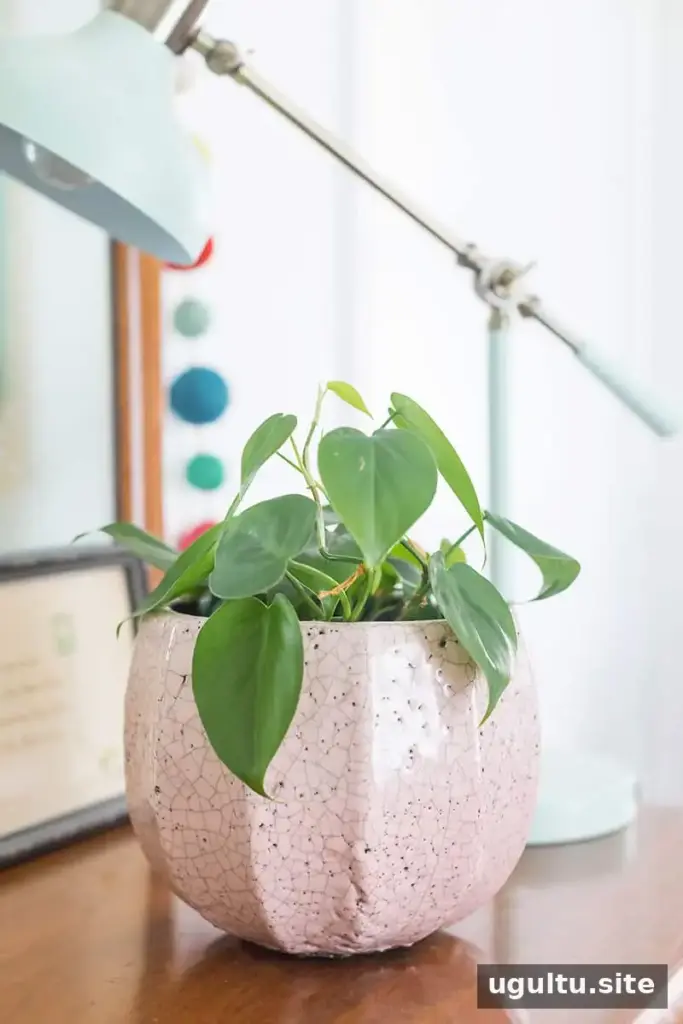
Pothos and philodendron are popular indoor plants that can produce roots from vine cuttings. Choose a healthy vine and cut a section about 4–6 inches long. A cutting with four or more leaves is recommended, although cuttings with fewer leaves may also grow. The important detail is to include a couple of nodes—the small bumps on the stem where leaves and roots can emerge.
Let the cut end dry for a couple of hours, then place it in water with the nodes submerged. When roots begin to form, you can transfer the cutting to potting soil. Moving it once it has rooted can make the transition easier than leaving it in water for a long period. Pothos and philodendron can also be kept growing in water if you prefer; monitor the water and replace it as needed.
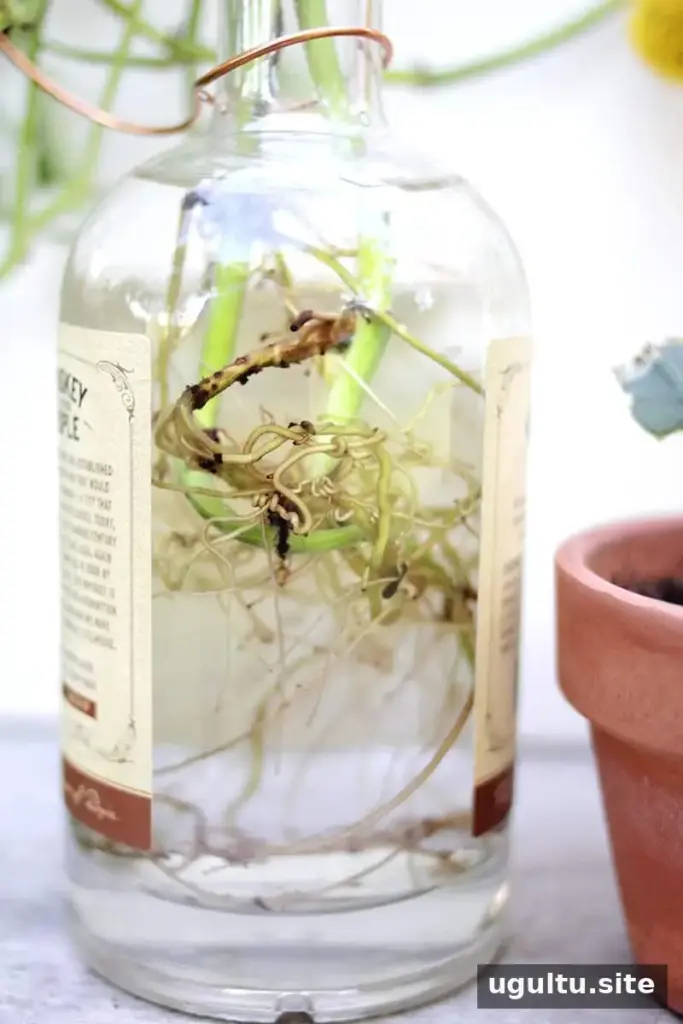
These vines are easy to share as cuttings. Keep in mind that pothos and philodendron can be toxic to children and pets, so place them well out of reach.
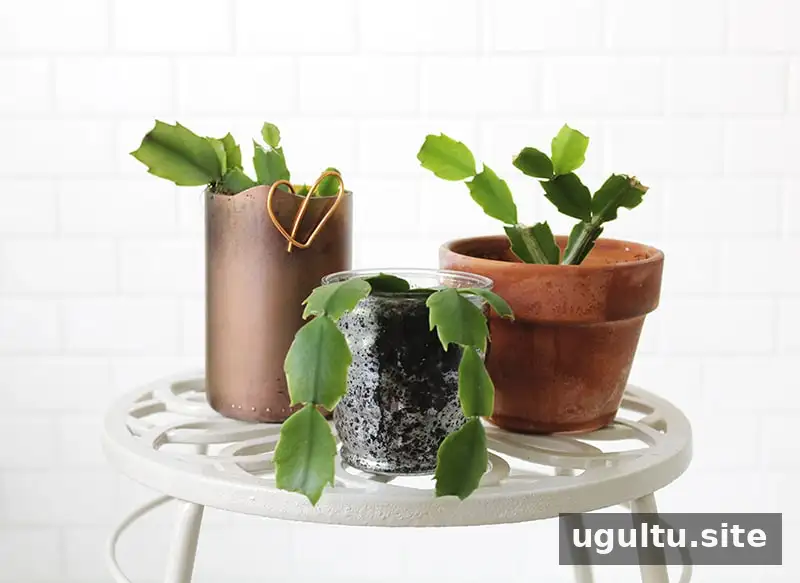
2. Holiday Cactus (Easter, Thanksgiving, and Christmas)
Propagating holiday cactus in water
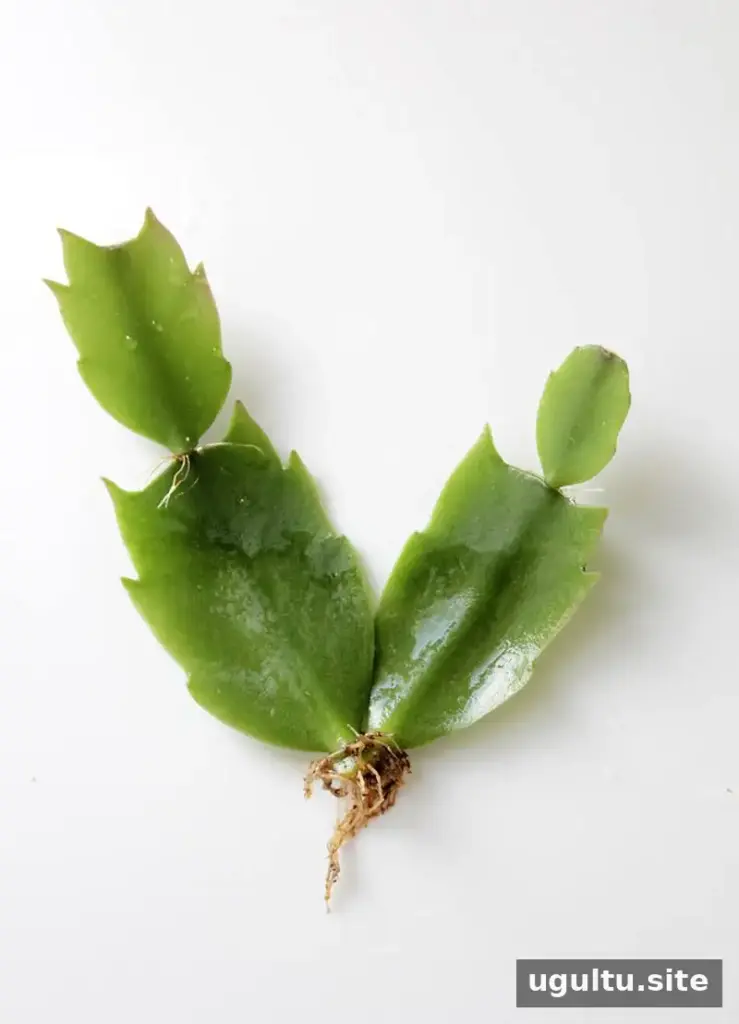
Holiday cacti can also be started from cuttings, despite being cacti. Take a section with three or more attached leaf groupings and let the cut end callous over for a few hours. Then place the cutting in a glass of water, keeping the leaves out of the water.
Roots may appear after a few weeks. Once the cutting has rooted, transfer it to soil. Holiday cacti are jungle cacti and generally need more moisture than desert cacti, but avoid keeping the soil overly wet, as excess moisture can contribute to root rot. The source article describes these holiday cacti as non-toxic to children and pets; still, supervise children and pets around houseplants.
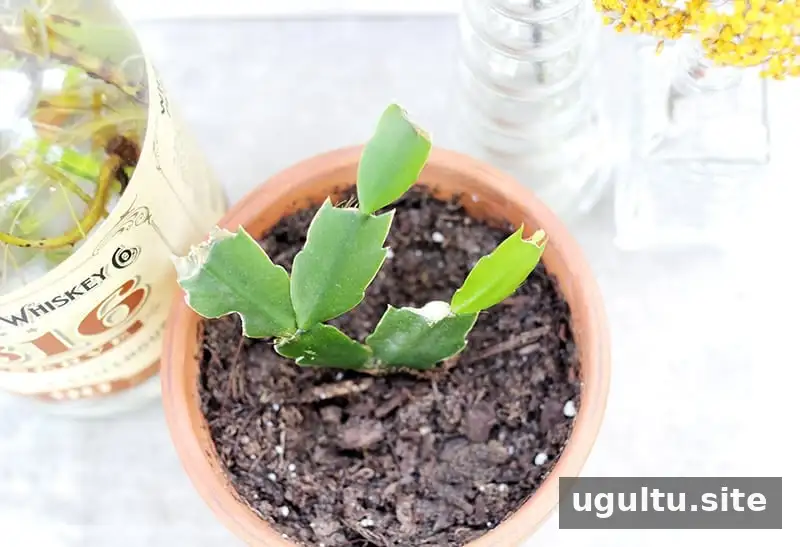
After planting a rooted cutting, give it suitable care and allow it time to settle. Check the soil before watering rather than watering on a fixed schedule, since conditions in each home can differ.
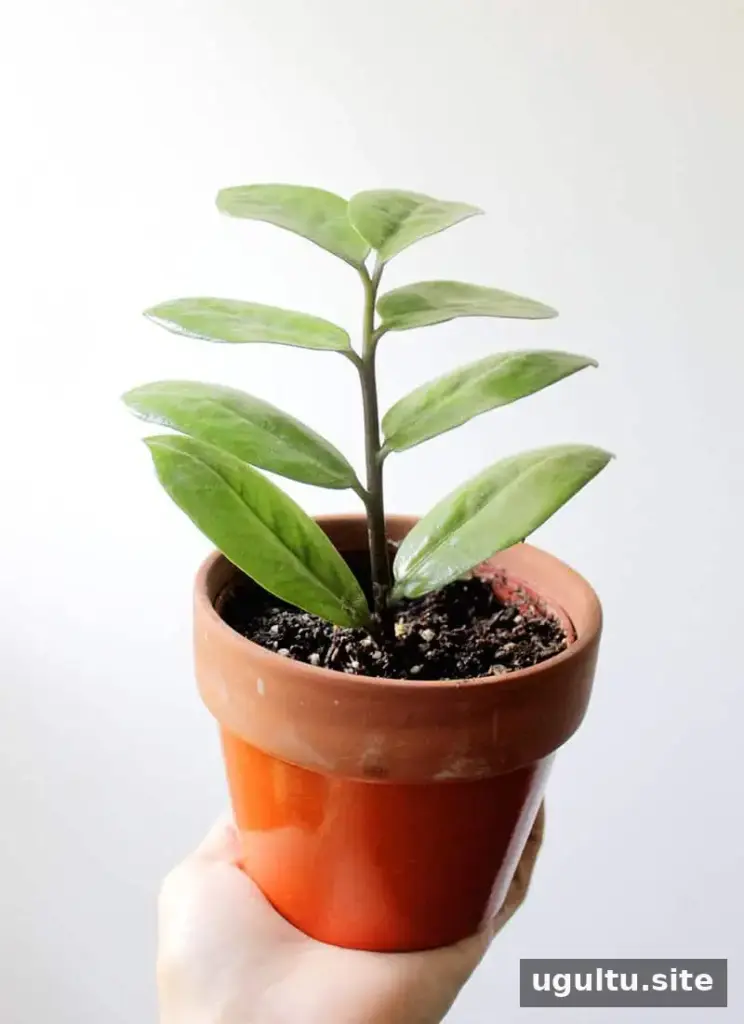
3. ZZ Plant (Zamioculcas Zamifolia)
Starting a ZZ plant cutting in water
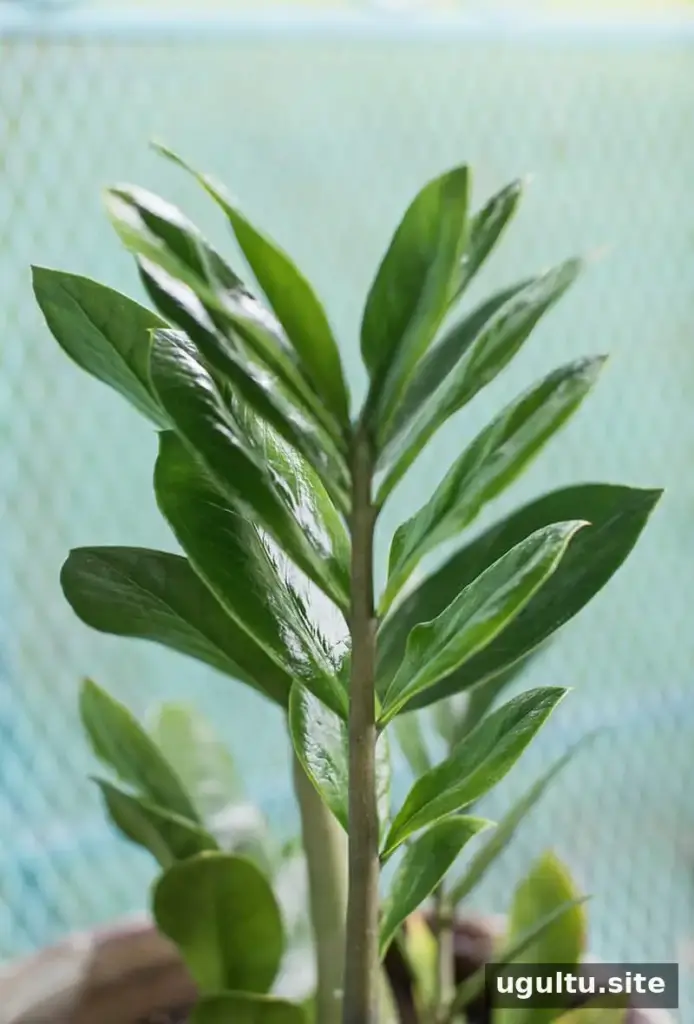
ZZ plants are known for their glossy leaves and ability to grow in a range of indoor light conditions. To try water propagation, use a sharp knife to remove a section from a healthy plant. Let the cut end callous over for a few hours, then place the cutting in water.
ZZ plant cuttings may take longer to root than the other plants in this guide. Be patient and check the cutting periodically rather than disturbing it often. Once roots have developed, move it into a pot with soil. ZZ plants can be toxic to children and pets, so keep them out of reach.
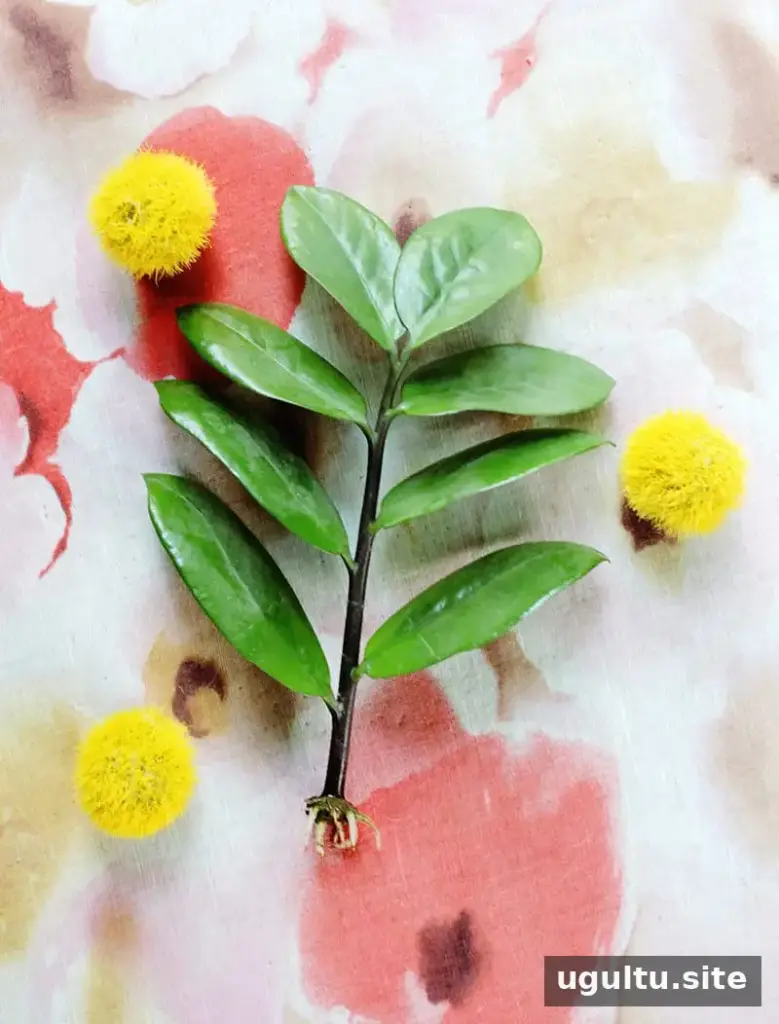
When roots appear, handle the cutting gently during planting to avoid damaging them. A container with drainage helps prevent excess water from sitting around the roots.
Water propagation is a straightforward way to multiply these common houseplants, but rooting speed varies by plant and growing conditions. To recap how to propagate plants: choose a suitable cutting, include the required nodes or leaf sections, keep leaves above the water, and transplant after roots form. With a little patience and attention to water and plant safety, you can grow new plants to keep or share.


