
 admin
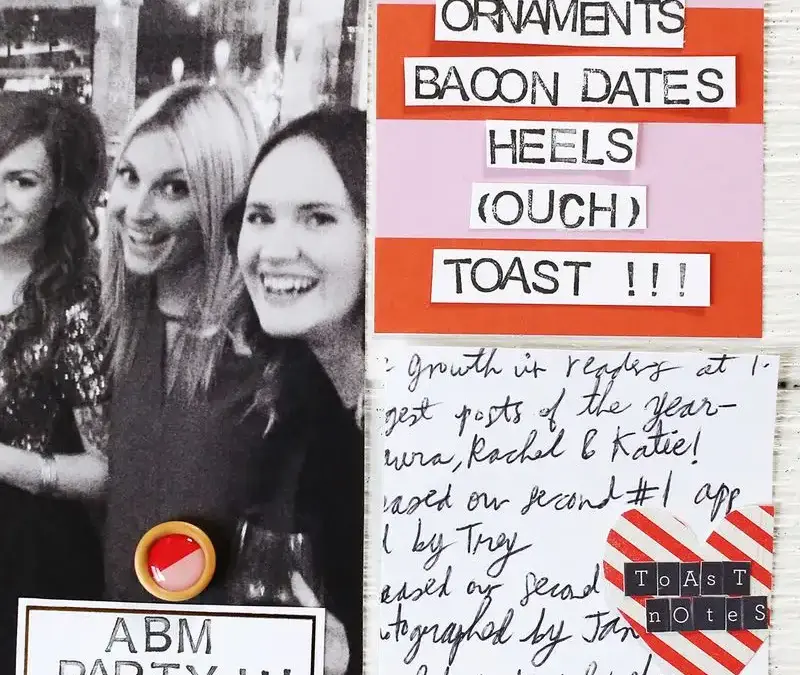
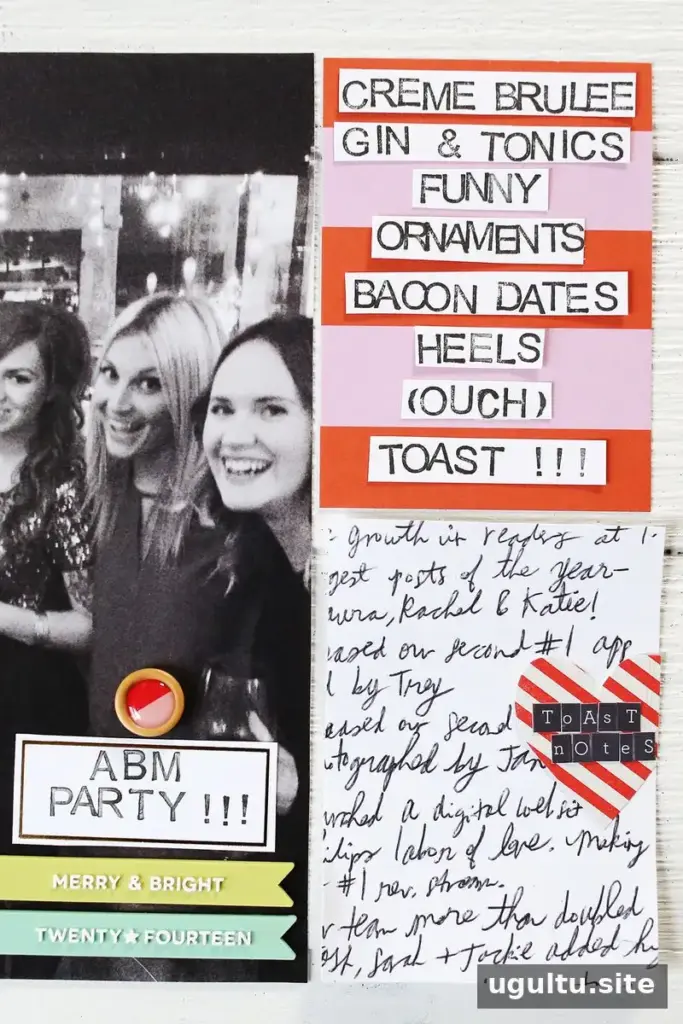
Scrapbooking with bad photos can feel challenging, especially when a celebration was memorable but the pictures turned out grainy, dark, or few in number. It can also happen that you enjoy an event without taking any photos at all. That is perfectly fine: being present with friends and family matters more than documenting every moment. A scrapbook can still tell the story through small keepsakes, words, and simple illustrations.
Low light, busy gatherings, and early sunsets can make it difficult to capture clear pictures. Instead of letting photo guilt stop you from making a page, use the details you do have to bring the memory back. These ideas can help you create a personal record even when the photos are less than perfect.
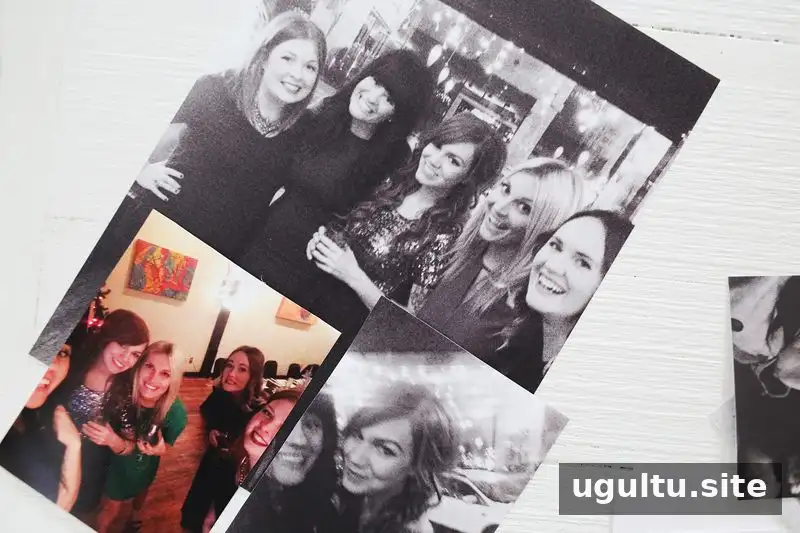
A holiday party can be full of good conversation, food, and drinks, even if only a few blurry photos survive the evening. The available pictures can still provide a starting point. Build around them with details that recall what happened, rather than expecting every image to carry the whole story.
Scrapbooking with bad photos: four ideas
1. Stamp the moments you missed
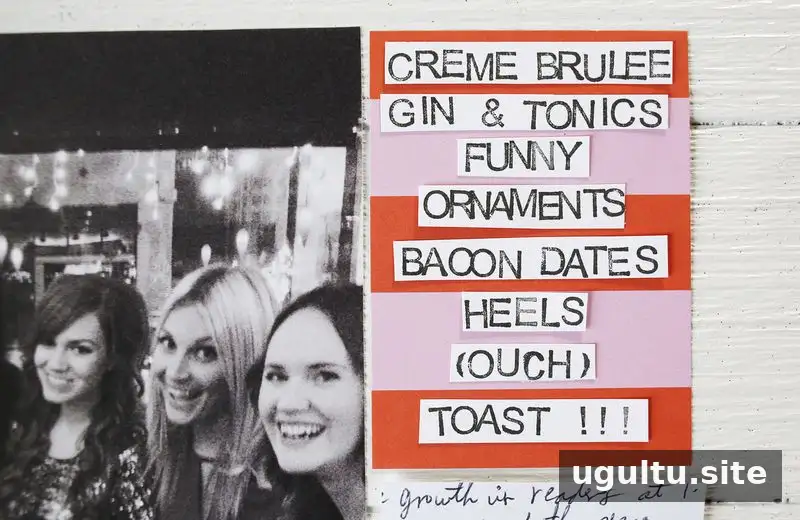
Think about the small scenes you wish you had photographed: a favorite dish, a toast, or a conversation with friends. Use stamps to represent those moments, then cut out the stamped images and arrange them on a card or scrapbook page. This adds visual interest while giving the page details the photos cannot show.
Practical tip: Choose a few specific moments instead of filling the page with unrelated designs. That keeps the stamped images connected to the event.
2. Add paper keepsakes
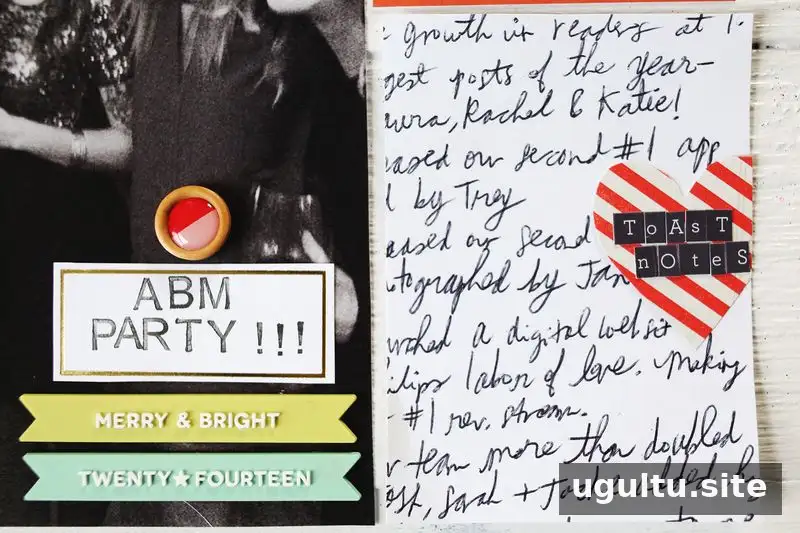
Receipts, menus, and handwritten notes can make meaningful scrapbook elements. For example, a shortened section of toast notes can preserve a detail that may seem ordinary to anyone else but brings the evening back when you revisit the page. Before adding an original item, make sure it fits the page and can be attached without obscuring important writing.
3. Journal directly on a photo
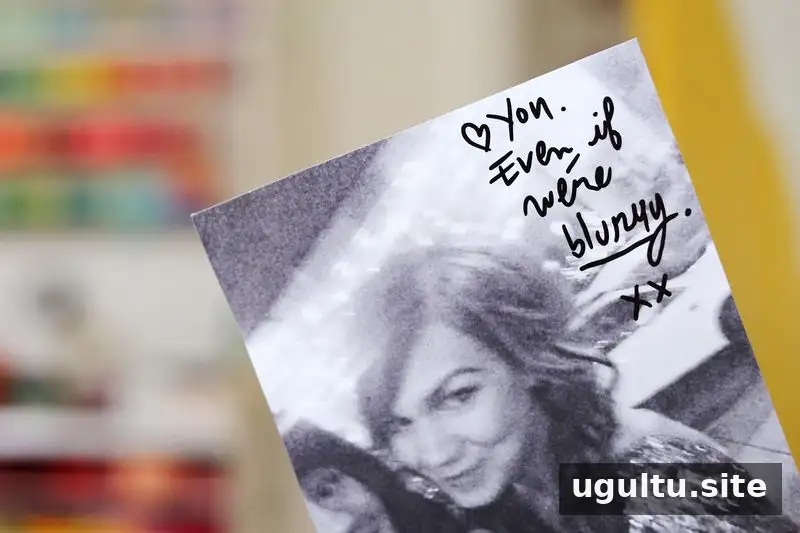
A short handwritten caption can give context to a photo that is blurry or poorly lit. Note who was there, what was happening, or a small detail you want to remember. Use a pen labeled as safe for photographs, and test it on a spare print or an inconspicuous area first. Keep the writing brief so the image remains visible.
4. Doodle details to complete the story
When a few pictures do not capture the whole experience, draw simple details on a card or in the open space around the photos. A brunch page, for instance, might include small sketches that remind you of the morning. Doodles work well for everyday events that do not need extensive journaling but still deserve a place in your scrapbook.
Practical tip: Keep the drawings simple and add a short label if you might not remember what each one represents later.

Make the memory, not the photo, the focus
Clear photos are lovely to have, but they are not a requirement for meaningful scrapbooking. Combine the images you do have with stamps, paper keepsakes, brief notes, and doodles to preserve the details that matter to you. Scrapbooking with bad photos can still result in a warm, complete record of a celebration or an ordinary day. — Elsie


