
 admin
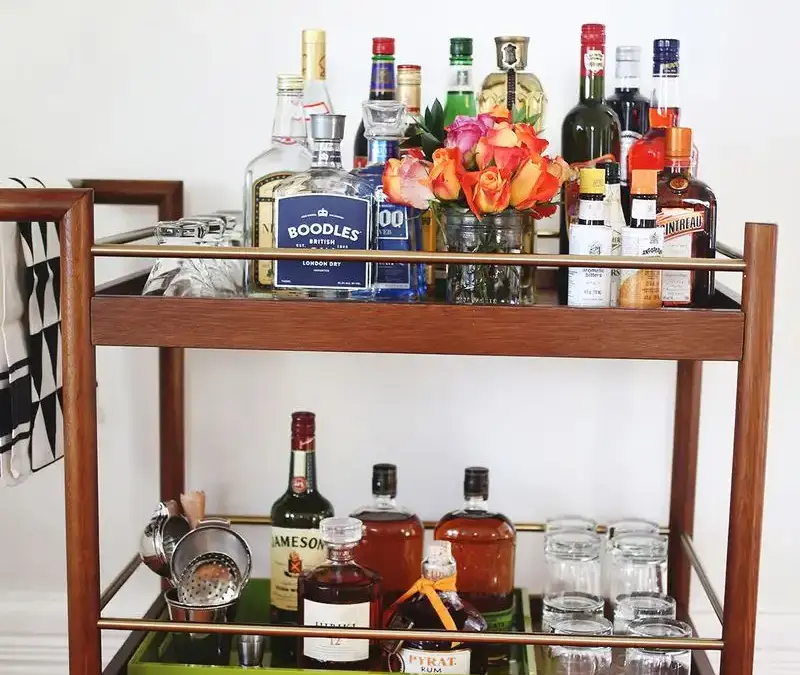
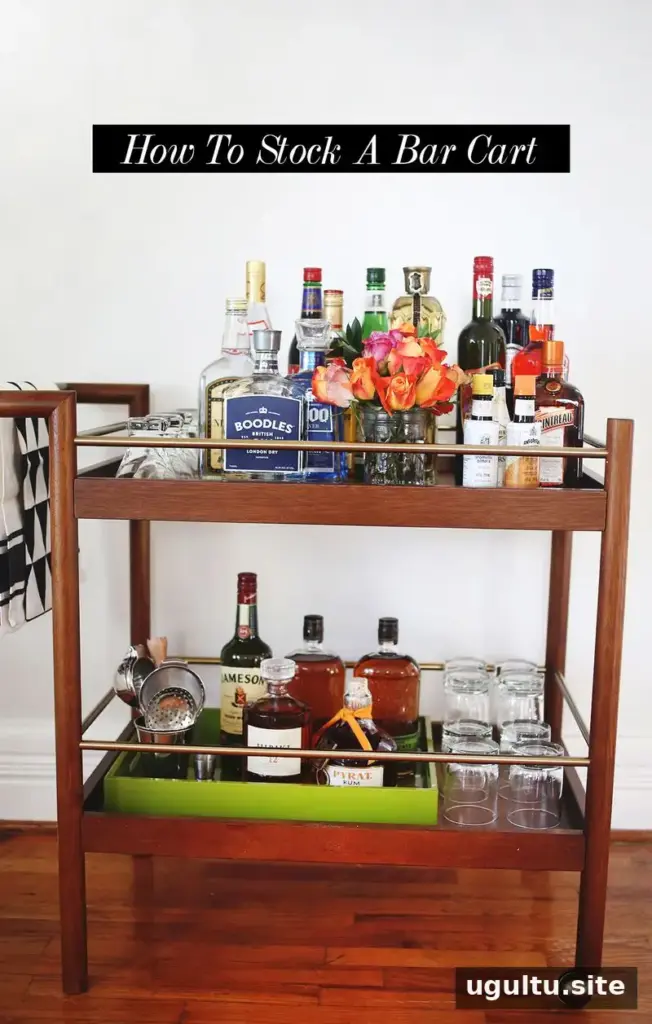
Learning how to stock a bar cart can make it easier to mix a variety of drinks at home without buying every ingredient at once. Start with spirits you enjoy, add versatile staples over time, and choose new bottles based on the cocktails you actually plan to make. The budget suggestions below offer a practical starting point; prices and availability vary by location.
How to Stock a Bar Cart Without Overspending
- Start with unflavored base spirits. Whiskey, vodka, tequila, gin, and rum work in a wide range of cocktails. Highly flavored bottles can be less flexible, so consider adding them after you have the basics.
- Try small bottles first. Mini bottles, often around 1.7 ounces, can help you test an unfamiliar spirit or liqueur before buying a full-size bottle.
- Prioritize your favorites. If you already know which spirit you enjoy most, put more of your budget toward a bottle you will use often. You can choose simpler options for less familiar categories.
- Build gradually. A useful bar cart does not need to be completed in one shopping trip. Add ingredients as new recipes interest you.
For a first purchase, a medium-shelf or higher option can be a dependable place to begin. The least expensive bottles may vary in flavor, so choose according to your taste and intended use. The budgets below cover spirits and cocktail ingredients, but not fresh mixers such as cranberry juice or club soda, or garnishes such as mint, lemons, and limes.
Cocktail ideas: Classic Mojito, Classic Gimlet, and other simple cocktails made with ingredients you already have.
Bar Cart Suggestions for a $50 Budget
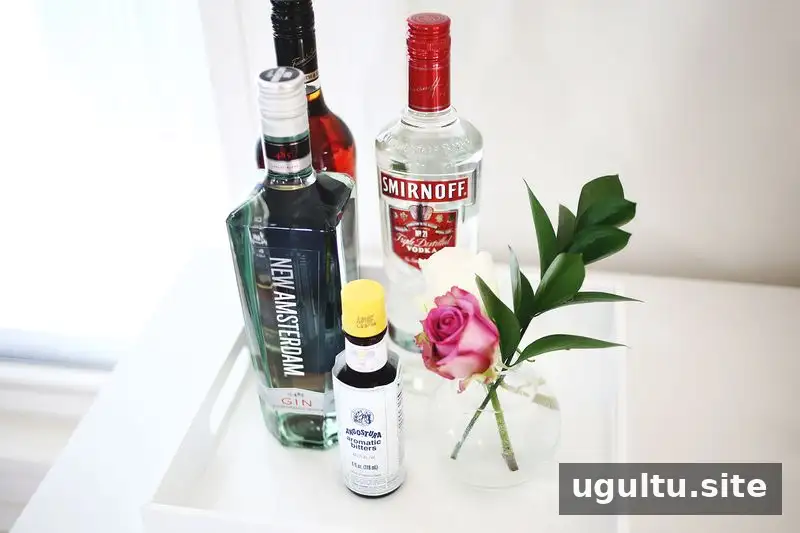
Choose three base spirits from whiskey, vodka, tequila, gin, and rum. If you are unsure which ones to buy, check the ingredients in cocktails you already like. One bottle of aromatic bitters is another versatile addition and can be used in many recipes.
With gin and common kitchen ingredients, you can make a Tom Collins, Gimlet, or Gin Sour. Rum can be used for a Mojito, Hurricane, or Painkiller. Vodka works in drinks such as a Bloody Mary, Screwdriver, or Salty Dog. Practical tip: Pick spirits that share ingredients across several recipes to get more use from a small selection.
Bar Cart Suggestions for a $100 Budget
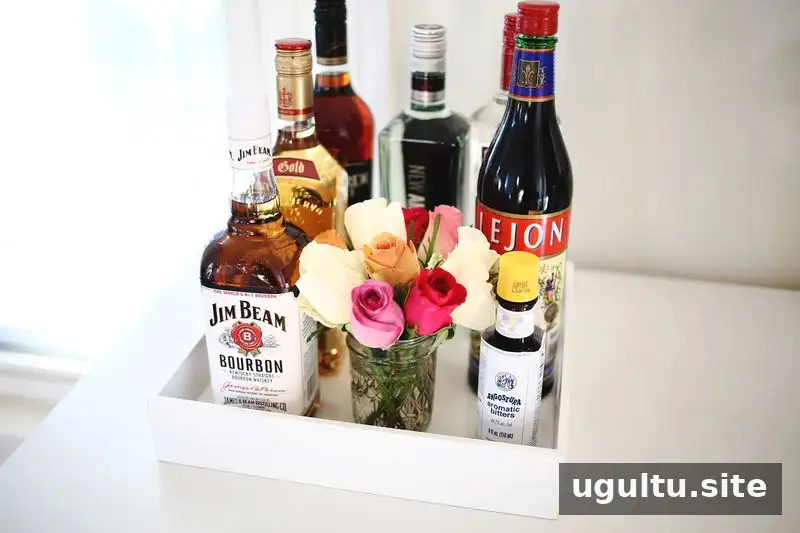
With a larger budget, consider buying five or six bottles of base spirits. You could also add two types of bitters, or replace one with dry and sweet vermouth. Vermouth should be refrigerated after opening; follow the bottle’s storage guidance to help preserve its flavor.
This selection can expand your options to include a Whiskey Sour, Manhattan, and Old Fashioned. Tequila can be used for Margaritas, a Tequila Sunrise, or a Bloody Maria. Before buying additional bottles, check which recipes you expect to make most often.
Bar Cart Suggestions for $250 and Beyond
A more extensive setup can be collected over time. One possible plan includes nine bottles of base spirits, six types of bitters, and three to five liqueurs or mixers. Choose these additions based on preferred flavors and recipes rather than trying to purchase everything at once.
This is also a good stage to consider bar tools and a few types of glassware. Keeping a short list of recipes you want to try can help you decide which specialty ingredients are worth adding.
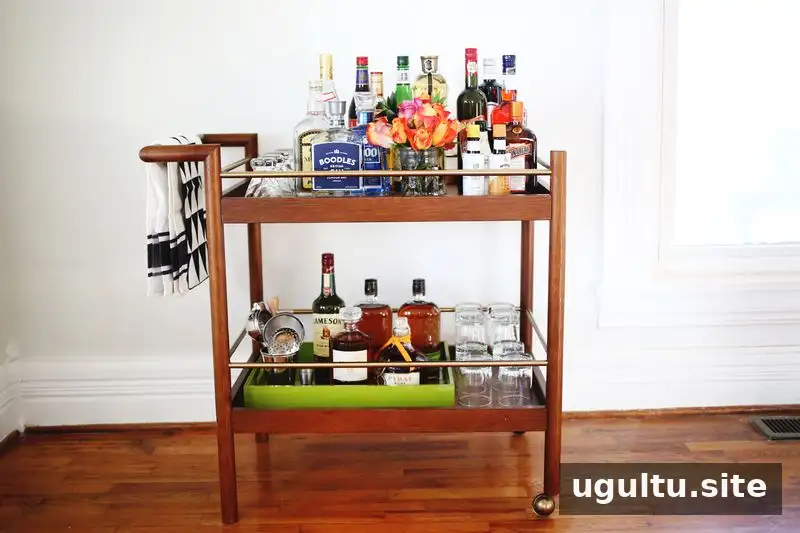
Expand Your Collection with Specialty Bottles
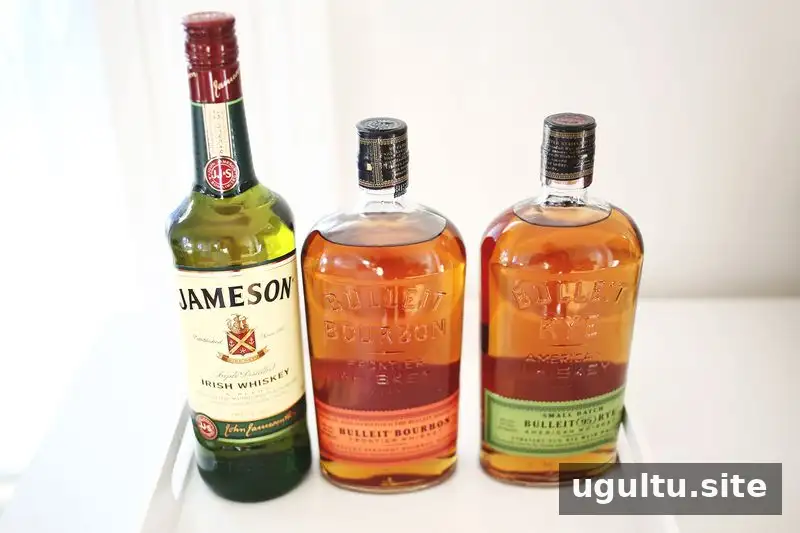
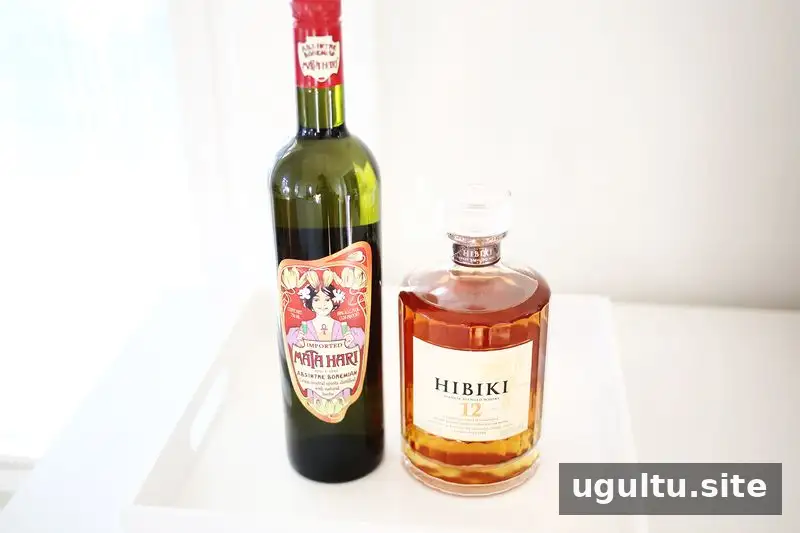
After establishing the basics, explore different styles and regional varieties of whiskey, gin, rum, and tequila. A Japanese whiskey, for example, may suit a hot toddy, while absinthe can be reserved for specific recipes. Specialty bottles are most useful when you have a plan for serving them. Store bottles according to their labels and keep them away from heat and direct sunlight.
Liqueurs and Mixers
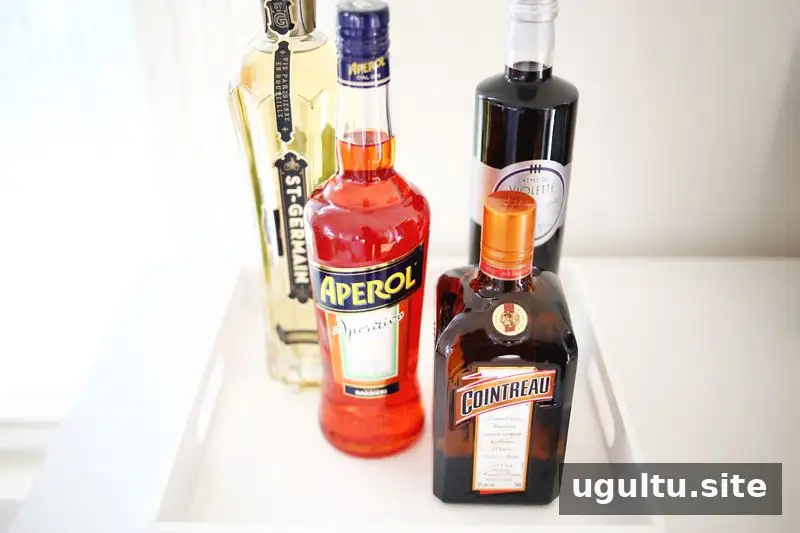
Liqueurs and mixers add distinctive flavor, but they are generally less versatile than base spirits. Add them after the essentials, especially when several recipes you enjoy call for the same ingredient. Check storage instructions, since some products need refrigeration after opening.
Useful Bar Tools
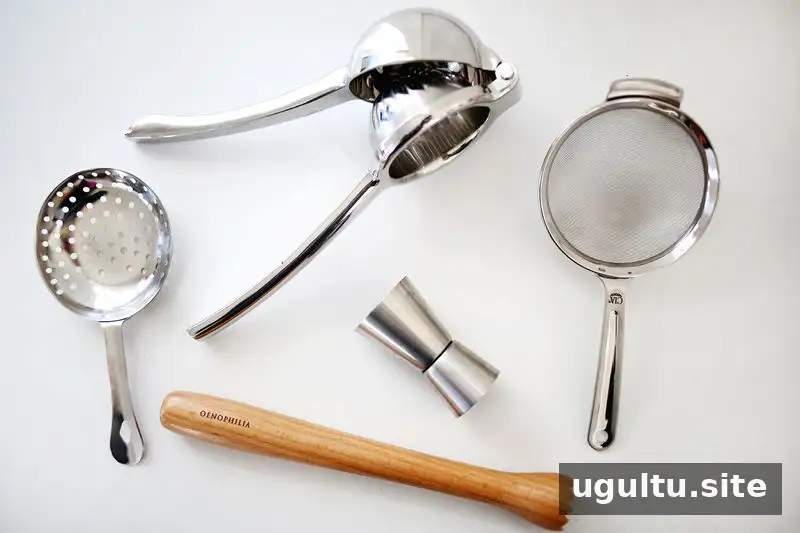
A citrus juicer, fine-mesh strainer, julep strainer, jigger, and muddler cover many common tasks. A muddler helps release flavor from mint or fruit, while a fine-mesh strainer is useful for filtering homemade syrups. A jigger makes measurements consistent; a suitable measuring cup can work as an alternative.
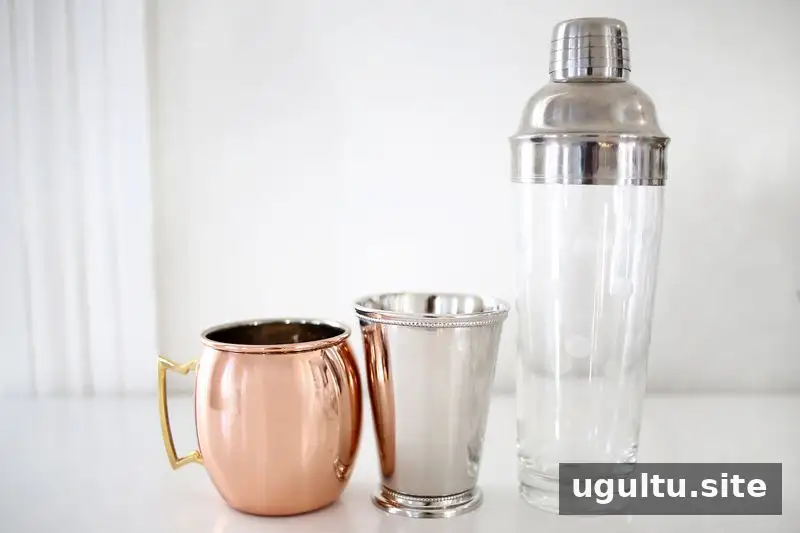
A cocktail shaker is convenient, but a clean, sealable jar can serve as a substitute when needed. Make sure the lid is secure and pour carefully to keep ice from falling into the glass.
Special-Occasion Serveware
Some drinks are traditionally served in distinctive cups, such as copper mugs for Moscow Mules and silver cups for Mint Juleps. These pieces are optional, so consider buying them only if you make those drinks regularly or enjoy collecting serveware.
Starter Glassware
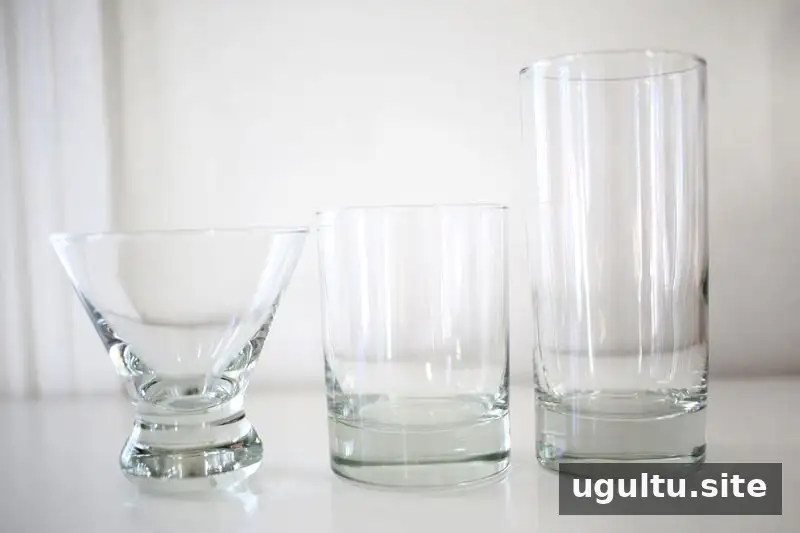
Three useful starting shapes are a cocktail glass, a rocks glass, and a Collins glass: one elegant option, one short glass, and one tall glass. They cover many familiar serving styles. You can add other shapes later, and secondhand shops may offer an affordable way to find varied glassware.
Make Your Bar Cart Work for You
The best way to stock a bar cart is to begin with a few versatile spirits, then add bitters, vermouth, liqueurs, tools, and glassware as your interests grow. Keep track of what you use, store ingredients as directed, and serve alcohol responsibly in accordance with local laws. A thoughtful collection can support plenty of cocktail options without requiring a large initial spend.


