
 admin
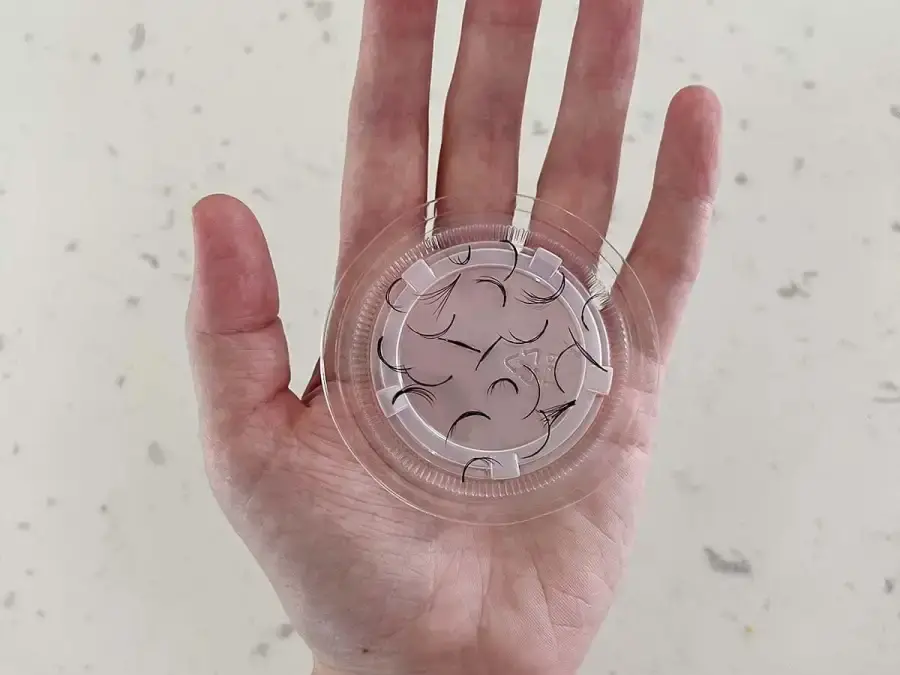
Knowing how to remove eyelash extensions safely can help you avoid pulling out or damaging your natural lashes. Professional removal is the safest option, especially if the extensions are still firmly attached or you have sensitive eyes. If extensions are already shedding and you choose to manage the process at home, be gentle and stop if you feel discomfort.
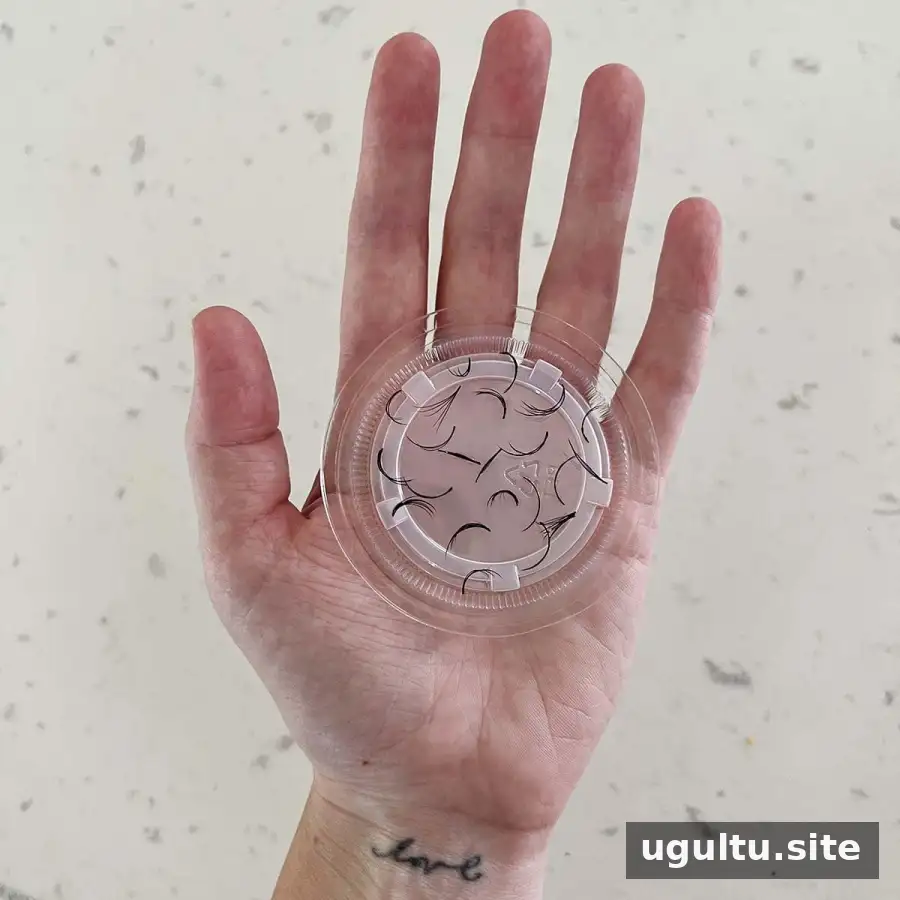
Supplies for removing eyelash extensions
Gather your supplies before you begin so you do not have to reach for items while working near your eyes:
- Lash shampoo
- An eyelash-extension glue remover specifically labeled for use around the eyes; check the product instructions and warnings
- Clean spoolies, also called eyelash brushes or mascara wands
- Micro applicator brushes or cotton swabs
- Water and clean washcloths
Use clean tools and a freshly washed cloth. Avoid sharing applicators, and do not use household solvents or products that are not intended for the eye area.
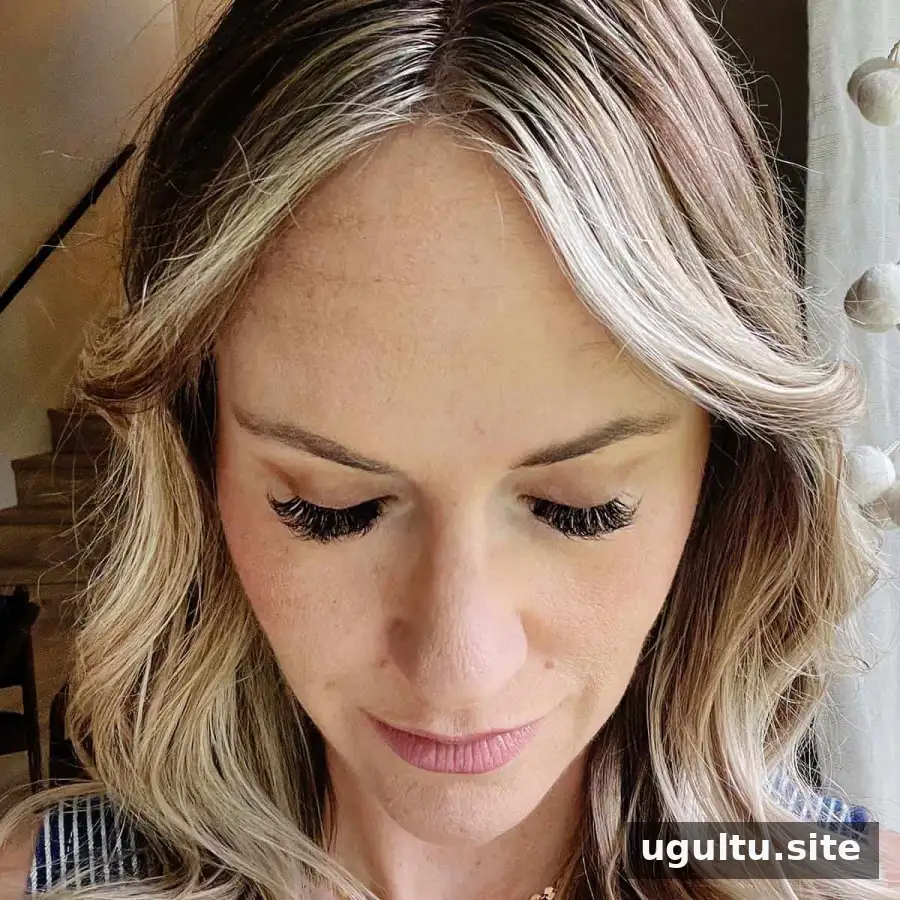
How to remove eyelash extensions gently
Start by washing your eyelids and the area around your eyes with lash shampoo and water. Clean carefully without scrubbing or rubbing the lashes. Unlike routine extension care, the aim here is to wash away residue and allow already-loose extensions to shed naturally.
With a clean spoolie, lightly comb through the lashes. Do not pull on extensions that resist. Pat your face dry with a clean towel, taking care not to rub your eyes.
If you use a remover, follow its label exactly. Apply it only as directed, using a clean micro applicator or cotton swab, and keep it out of your eyes. Do not improvise with a product that is not made for eyelash extensions. A spoolie may help guide away extensions that have loosened, but it should not be used to force them off. If they remain attached, arrange professional removal instead.
If remover gets into an eye, rinse promptly with plenty of clean water. Stop using the product. Seek medical advice if pain, redness, swelling, blurred vision, or irritation continues.
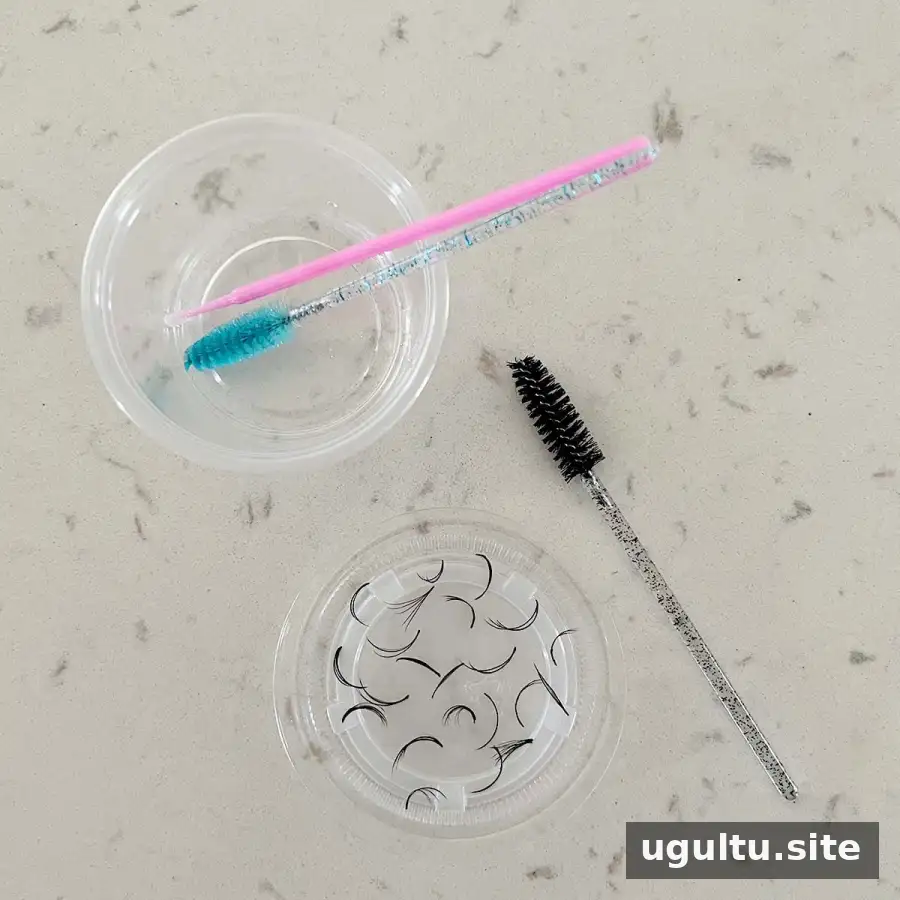
What not to do when you remove eyelash extensions
- Do not pull or pick at extensions. This can pull out natural lashes or irritate the eyelid.
- Do not tug with a spoolie. Comb only when lashes move easily; stubborn extensions should be handled by a professional.
- Do not scrub with a washcloth. Gentle cleansing is less likely to irritate the delicate skin around the eyes.
- Do not use acetone, rubbing alcohol, or other household solvents near your eyes. Use only a remover specifically intended for eyelash extensions and follow its directions.

Frequently asked questions about removing eyelash extensions
What dissolves eyelash extension glue?
Products made specifically to remove eyelash-extension adhesive are intended for this purpose. Formulas differ, so read the label and follow its instructions. Do not substitute household solvents or apply a product inside the eye.
Can Vaseline or baby oil remove eyelash extensions?
Oils such as Vaseline, baby oil, or coconut oil may soften some adhesives, but they are not a dependable removal method. Avoid getting them in your eyes, and do not use oil as a reason to pull at extensions. Professional removal is a better choice for lashes that will not shed on their own.
Do natural eyelashes grow back?
In many cases, eyelashes grow back as part of their natural growth cycle, often within 6–8 weeks. Timing can vary with individual factors, including health and genetics. Contact a healthcare professional if you notice ongoing lash loss or irritation.
Caring for natural lashes after extensions
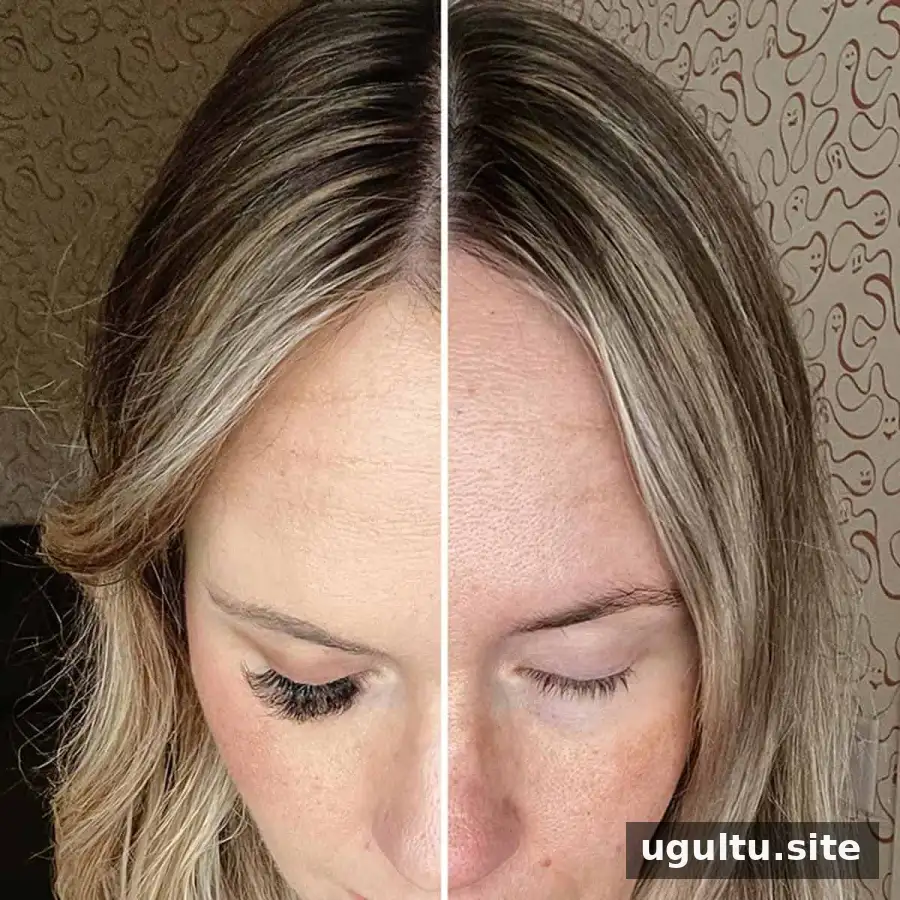
Once the extensions are gone, keep the eye area clean and avoid rubbing. Taking a break from extensions or heavy mascara may make it easier to care for your natural lashes, particularly if the eyelids feel sensitive. If you are considering a lash-growth product, check its instructions and consult a healthcare professional or eye-care provider first, especially if you have a history of eye irritation.
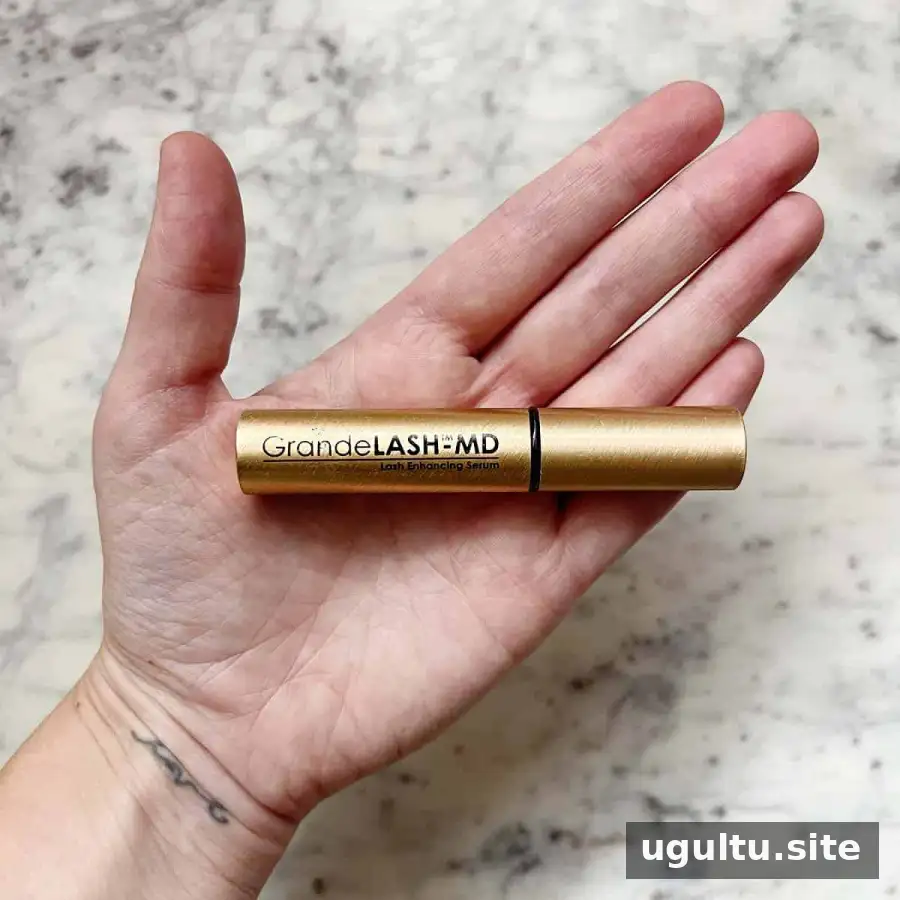
Products mentioned for lash growth include Grande Lash-MD, The Ordinary, Latisse, Babe Lash, and RevitaLash. These products are not interchangeable; Latisse, in particular, should be used only as directed by a qualified professional. Homemade rosemary sprays are not formulated for use near the eyes, so avoid applying them to your lashes.
Conclusion
To remove eyelash extensions with the least risk, let loose lashes shed naturally, avoid pulling, and use only eye-area products according to their directions. Professional removal is the safest option for extensions that remain firmly attached. If you choose to remove eyelash extensions at home, stop if there is pain or irritation and seek professional advice when needed.


