admin
Weatherproof metal furniture with a few practical steps to help it stand up to outdoor conditions. Vintage pieces can add character to a deck or patio, but chipped paint, dirt, moisture, and seasonal weather can gradually damage exposed metal.
How to Weatherproof Metal Furniture
Two habits make a difference: maintain the finish and protect furniture when it is not in use. Check each piece before placing it outdoors, especially around joints, edges, and areas where paint has worn away. Taking care of small problems early can help prevent them from getting worse.
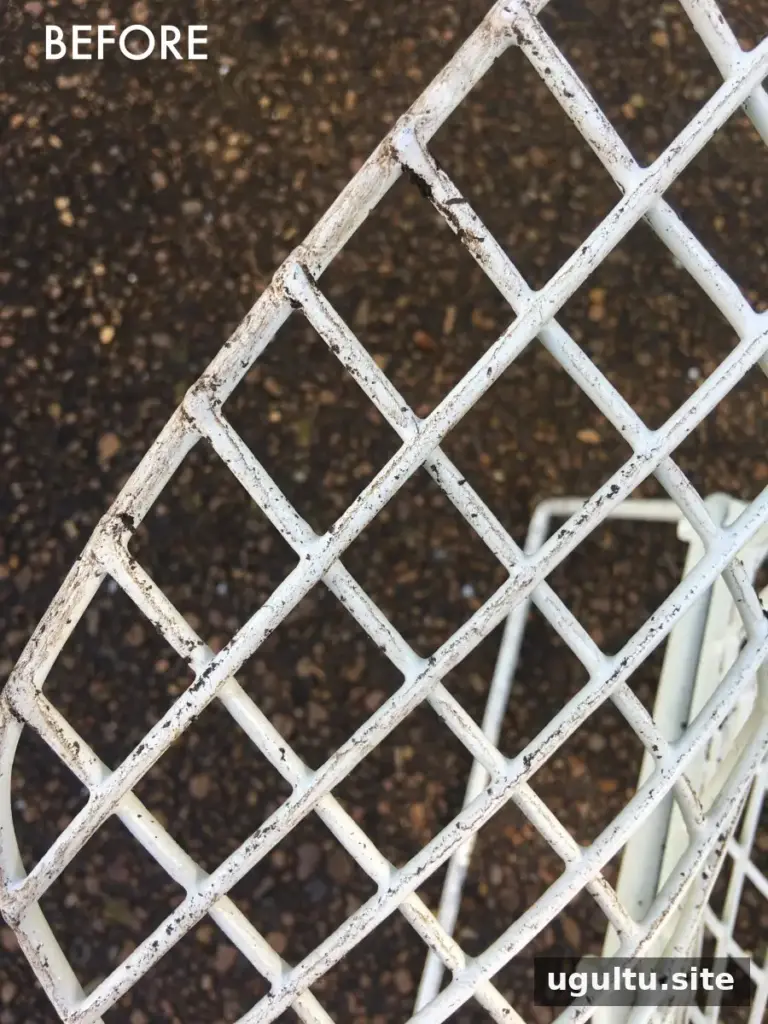
Vintage chairs may need a little preparation before they are ready for a deck or garden. The chairs shown here had some chipped paint and dirt from being outdoors. Even minor damage can expose the metal to moisture, so it is worth addressing before the furniture is left outside for an extended period.
1. Maintain the Paint Finish
Inspect metal furniture regularly for peeling or chipped paint. Smooth damaged areas with sandpaper, then clean away dust and let the surface dry before repainting. If the furniture may have very old paint, check for lead before sanding and follow appropriate safety guidance.
Use an outdoor-appropriate protective enamel and follow the product label for surface preparation, application, drying, and curing times. Work in a well-ventilated area, and allow the finish to cure fully before putting the furniture back into service. The chairs in this project were repainted with a white semi-gloss protective enamel.
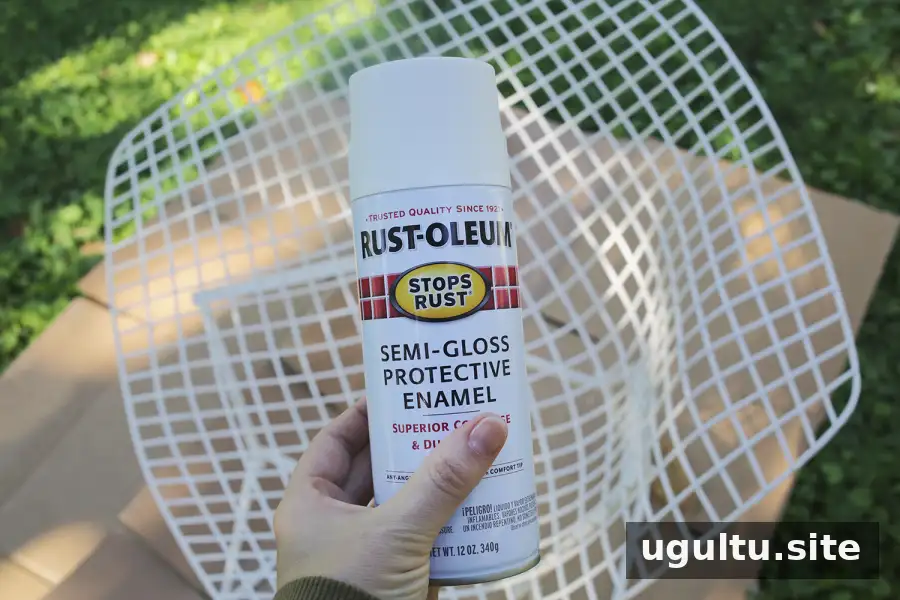
A quick inspection and touch-up can help keep small chips from becoming larger maintenance issues. Pay particular attention after wet or cold weather, and repair fresh damage as soon as conditions allow.
2. Store or Cover Furniture Seasonally
If your area has a cold, rainy, or snowy season when outdoor furniture is rarely used, store the pieces indoors or in a shed if possible. Keeping them out of prolonged exposure can reduce weather-related wear. When indoor storage is not available, use a well-fitting waterproof cover designed for outdoor furniture.
Make sure furniture is reasonably clean and dry before covering it, and follow the cover instructions so moisture is not trapped underneath. Check the pieces periodically during storage, particularly after storms. These simple checks can help catch problems before the next season begins.
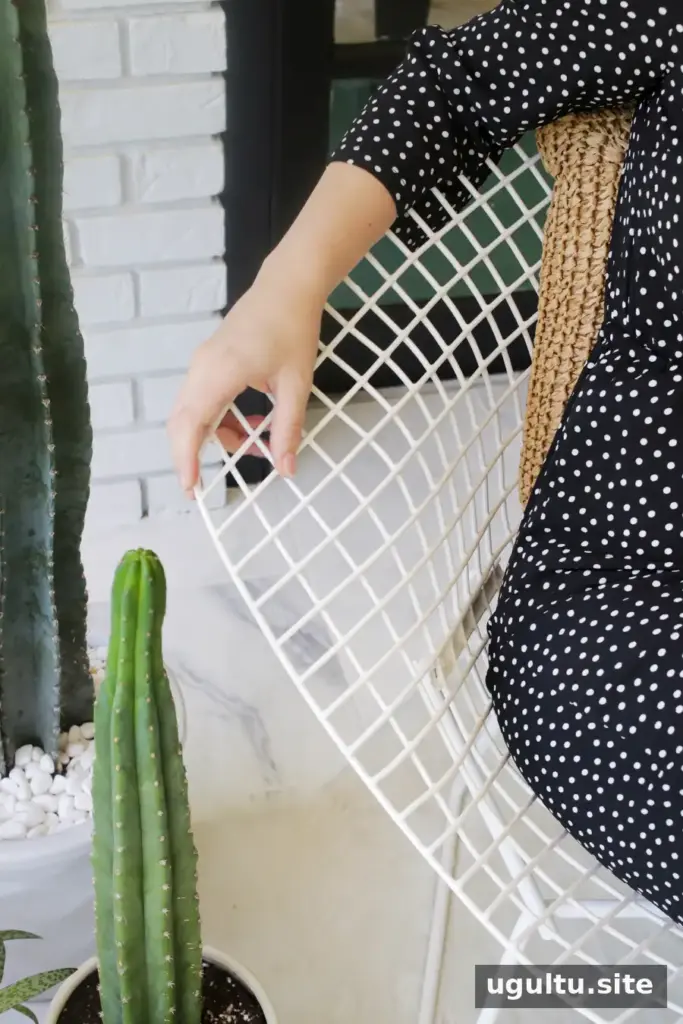
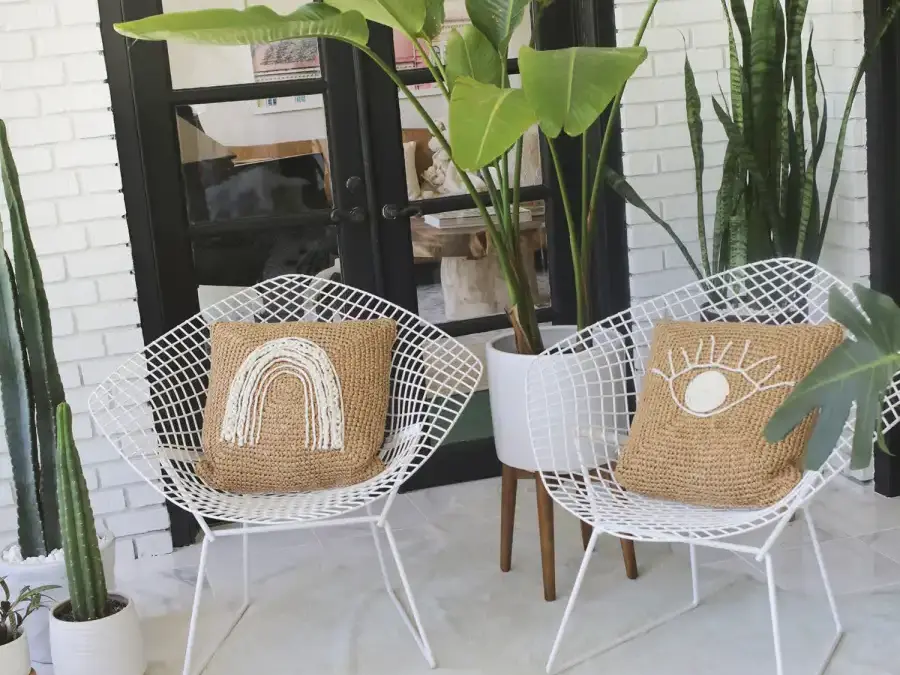
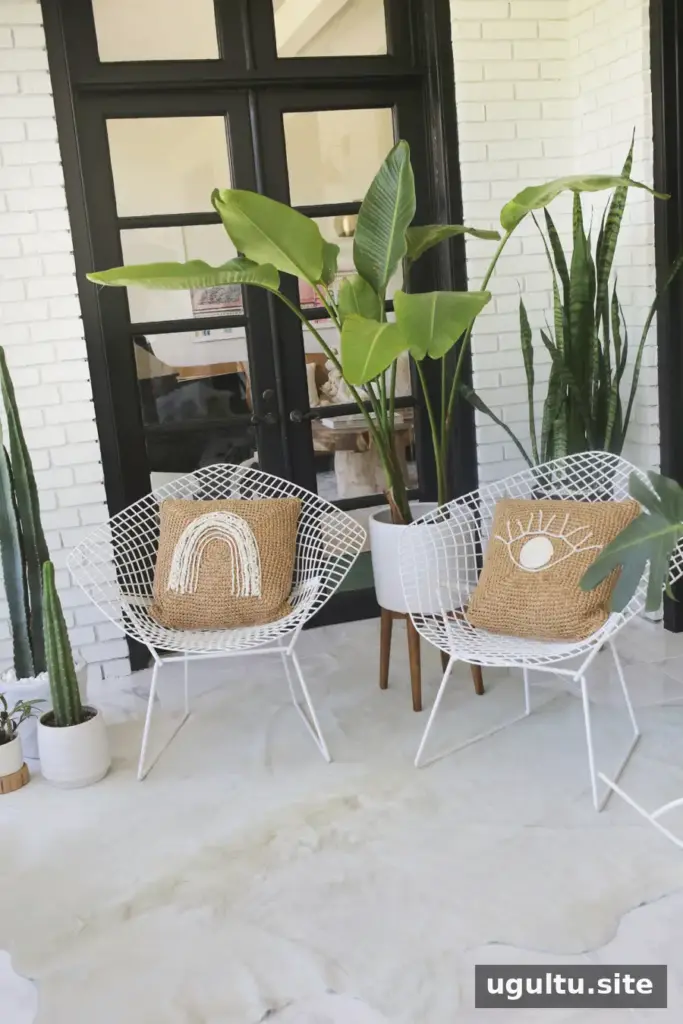
After the chairs were cleaned and repainted, they were ready for the planned outdoor space.
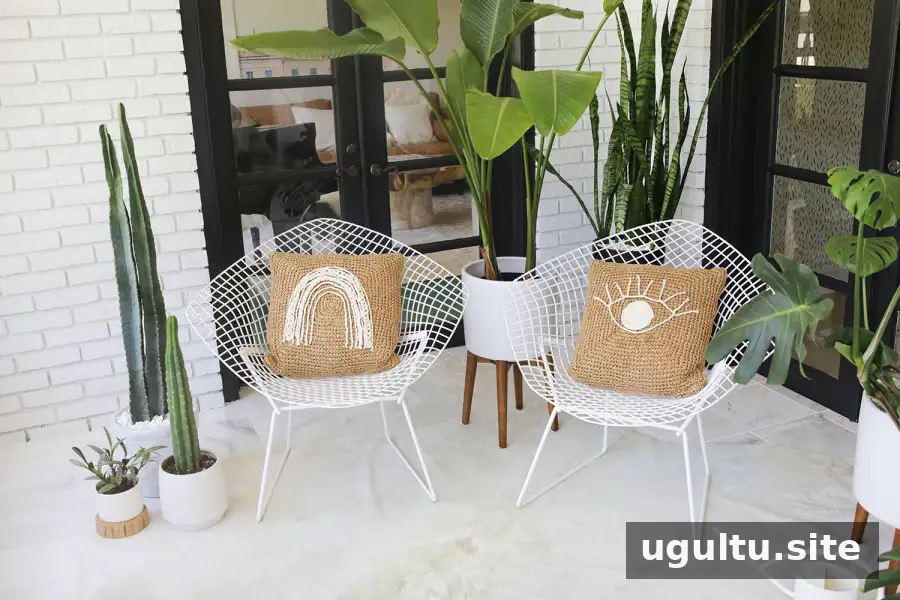
Simple DIY Pillows for an Outdoor Seating Area

Decorative pillows can add color and texture to a seating area. For this project, plain pillows were embellished with yarn attached using glue. The design used layered yarn and knots, without the extra stitching originally considered.
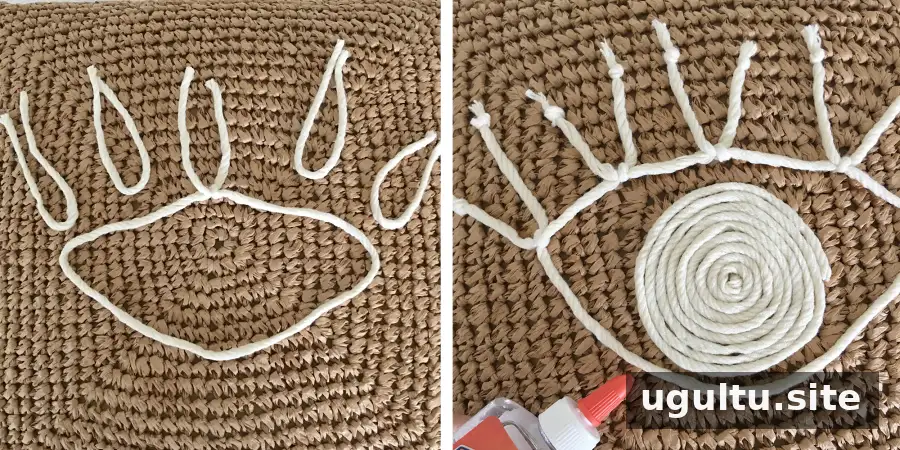
Keep embellishments simple and make sure any materials are suitable for the conditions where the pillows will be used. Store decorative pillows indoors when they are not in use, especially during wet weather.
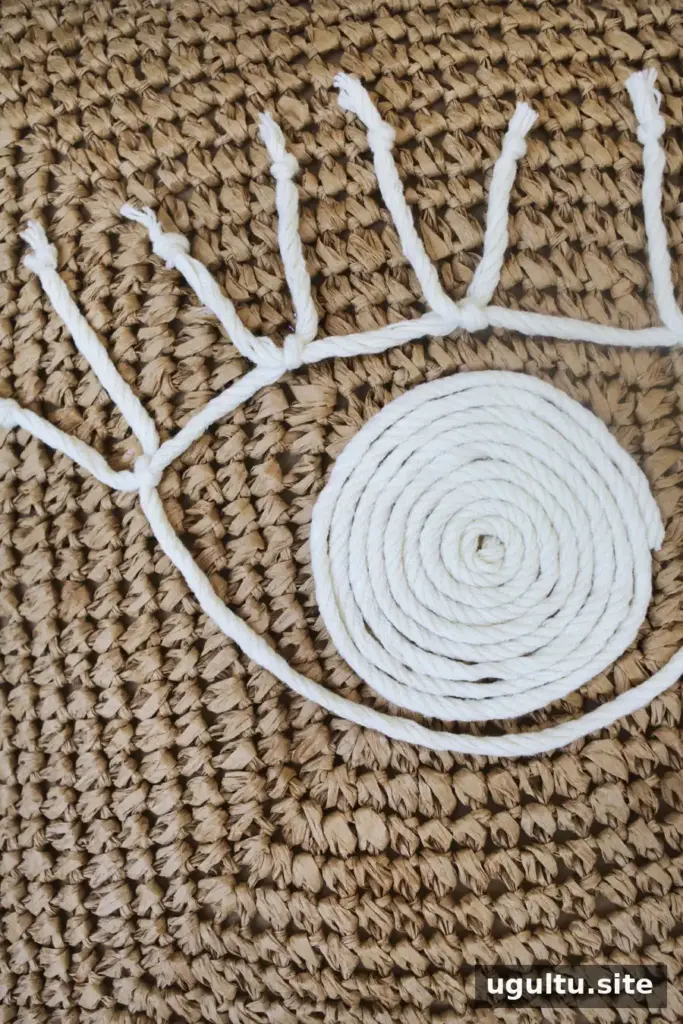
This close-up shows the yarn detail on the finished pillow.
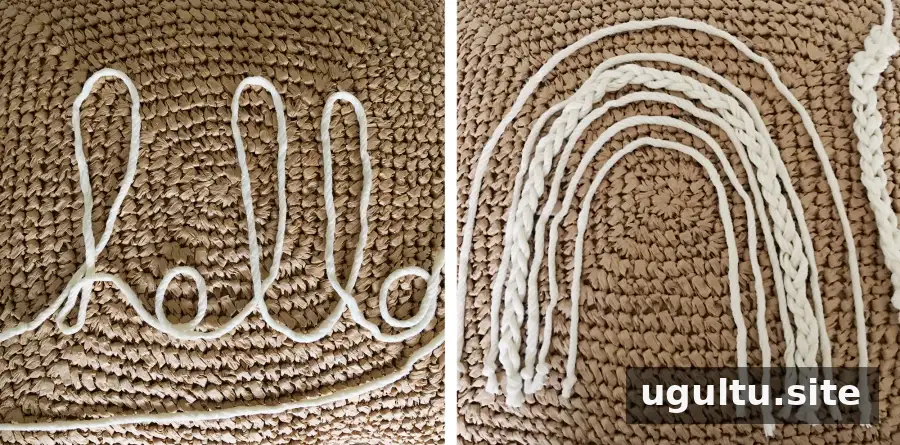
Yarn can also be arranged into simple shapes or words. The rainbow design combines five knotted strands, a braid, and a hand-crocheted section made using a finger instead of a crochet hook.
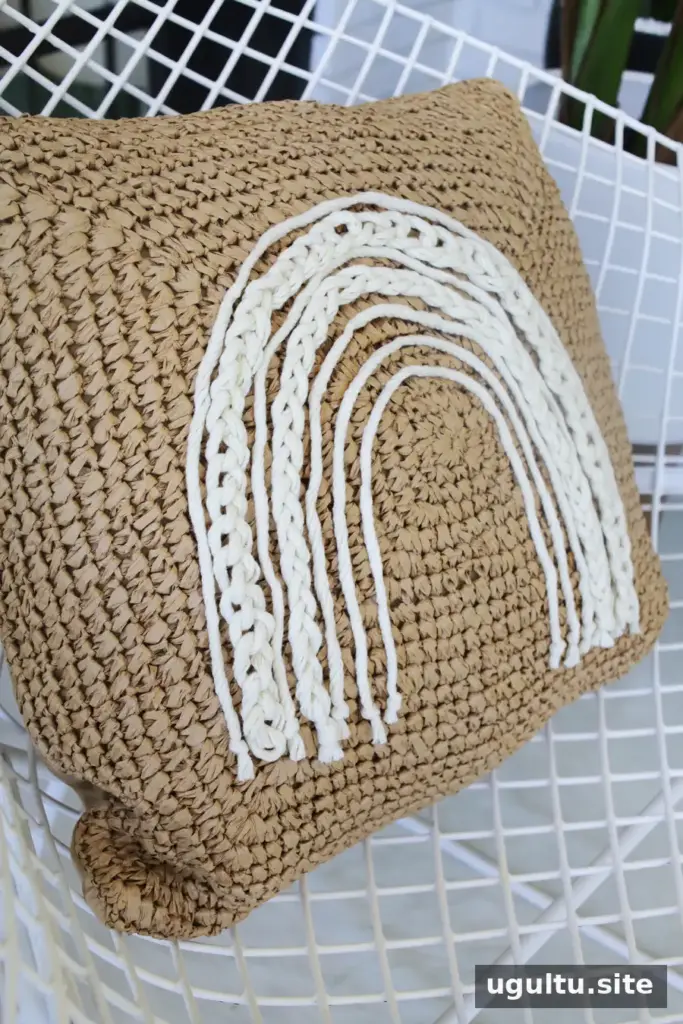
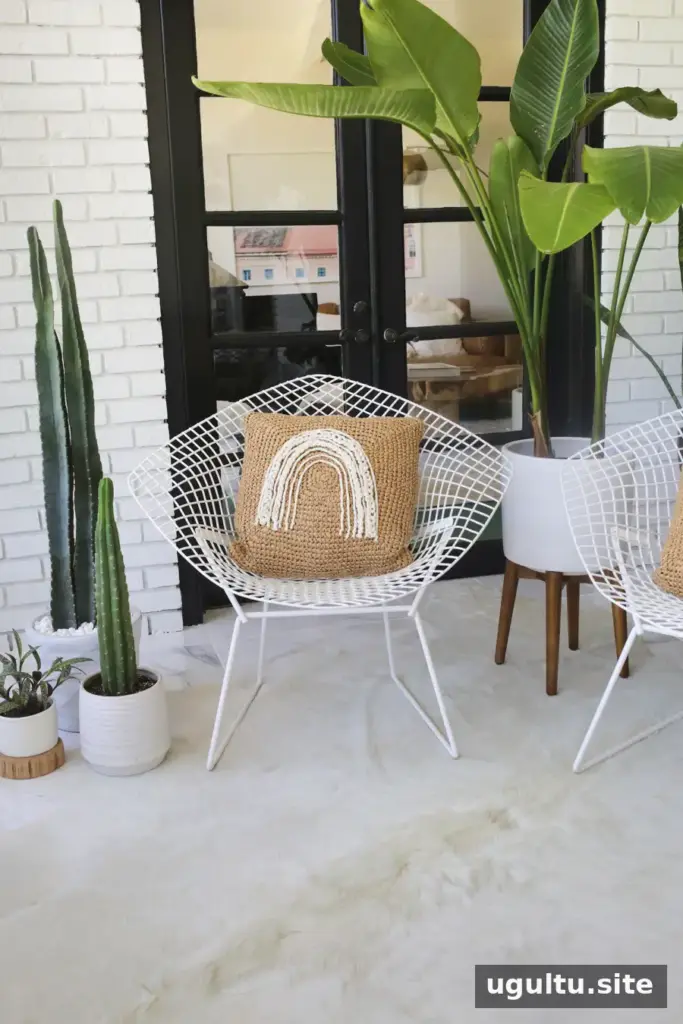
Regularly checking the finish, repairing chips, and storing or covering furniture during harsh seasons are practical ways to weatherproof metal furniture. A little routine care can help vintage and newer pieces remain ready for outdoor use.
— Elsie