
 admin
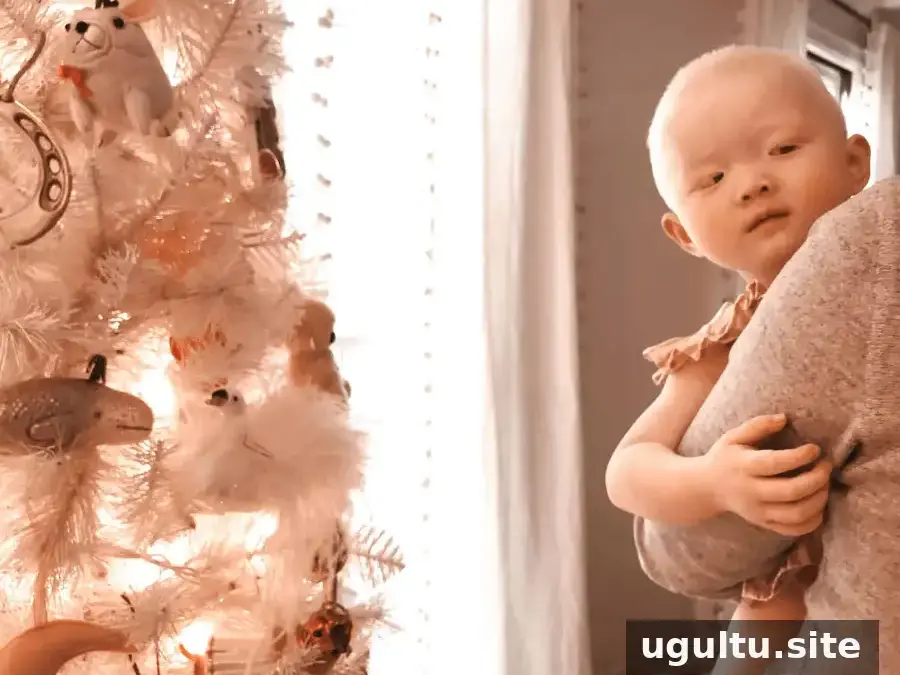
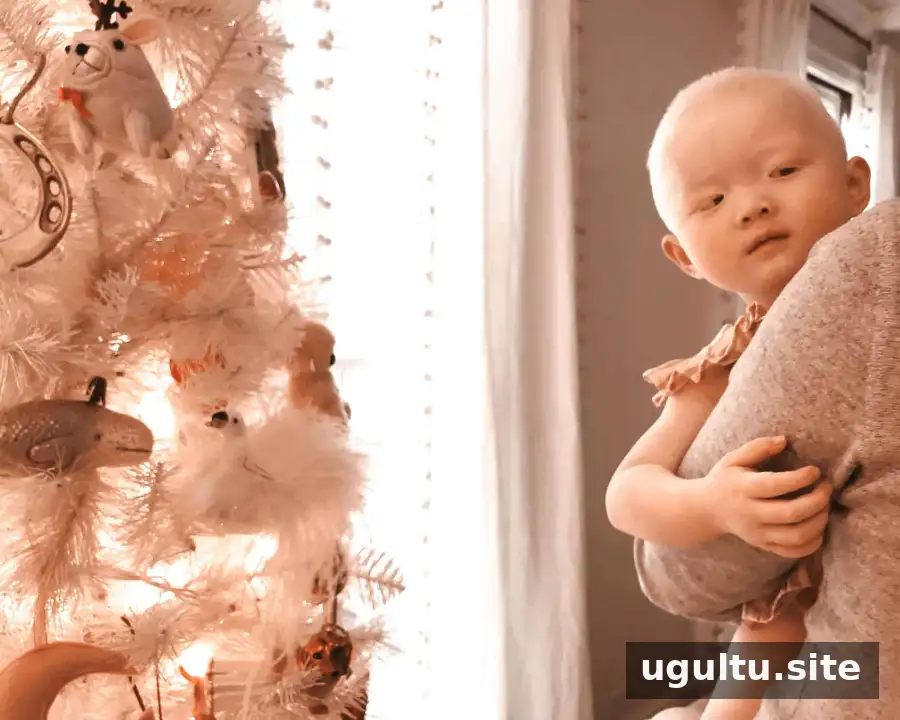
The Nova Winter Larson adoption brought a new family together in China on December 4 at 10 a.m. The family described Nova as their “Christmas miracle” and shared an update about her first days together, travel home, and the transition to life as a family.
Nova Winter Larson adoption and the first days together
After meeting Nova, the family spent 11 days in China completing paperwork and waiting for her visa. They then traveled home, including a 14-hour flight. The family said Nova became a U.S. citizen after arriving in the United States.
In their experience, the adoption meeting and transfer of care happened on the same day, with the family returning to their hotel with Nova within hours. The first days brought a mix of intense emotions as everyone adjusted. Their account highlights how useful it can be for new parents to allow time and space for a child and family to settle into unfamiliar routines.
The family also shared that they grew fond of China, its food, and the people who had cared for Nova during the two and a half years before the adoption. Keeping familiar routines and foods can help make a major transition feel more manageable for a young child.
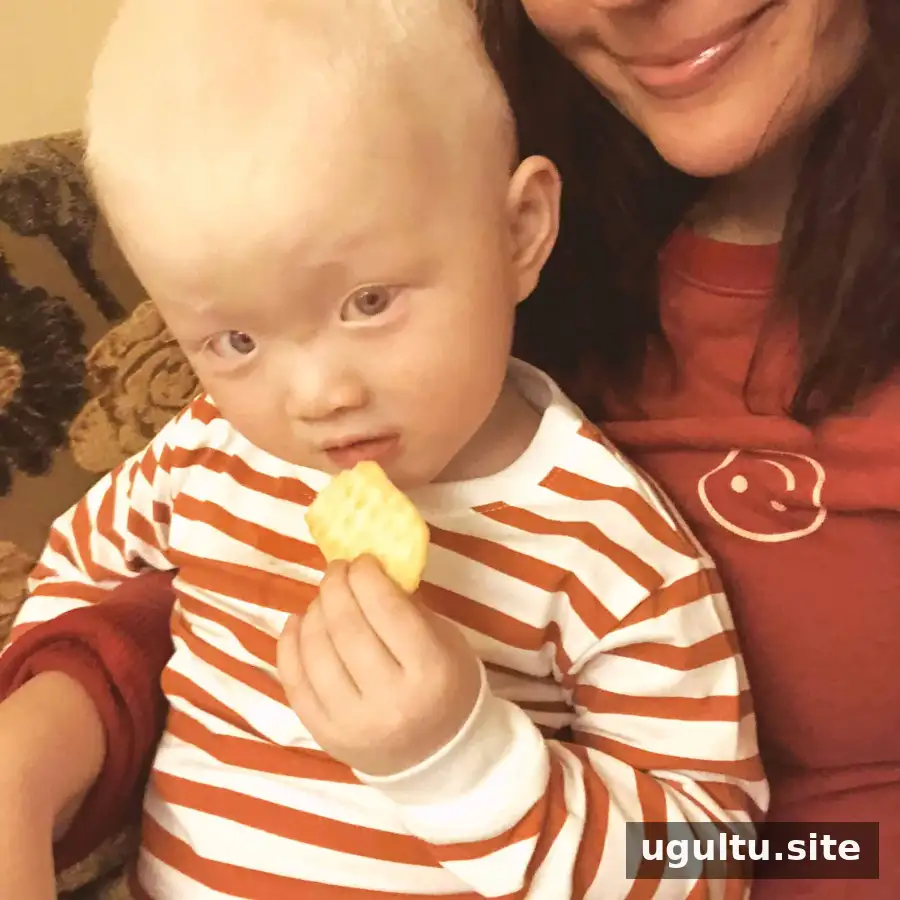
This photograph was taken on the family’s first night together in their hotel room. At the time of writing, they had been together for 15 days. The family described each day as bringing new moments of connection and discovery.
Getting to know Nova’s personality and routines
Nova’s family said they were learning more about her personality each day. She enjoyed music and often copied what the adults around her did. They also introduced her to the family dogs gradually. Nova was not afraid of them, and both the child and dogs were slowly becoming more comfortable together.
Nova’s hair had been buzzed while she was in the orphanage. Her family noted that some orphanages do this to simplify hair care and help prevent lice. Her hair had already begun to grow back in the first two weeks after they met.
Nova was born with albinism, a condition that affects pigmentation in the skin, hair, and eyes. Her family shared that her eyes are very sensitive to bright natural and artificial light, so they were helping her get used to wearing sunglasses. For children with light sensitivity, following advice from their healthcare professionals can help families choose appropriate everyday eye protection.
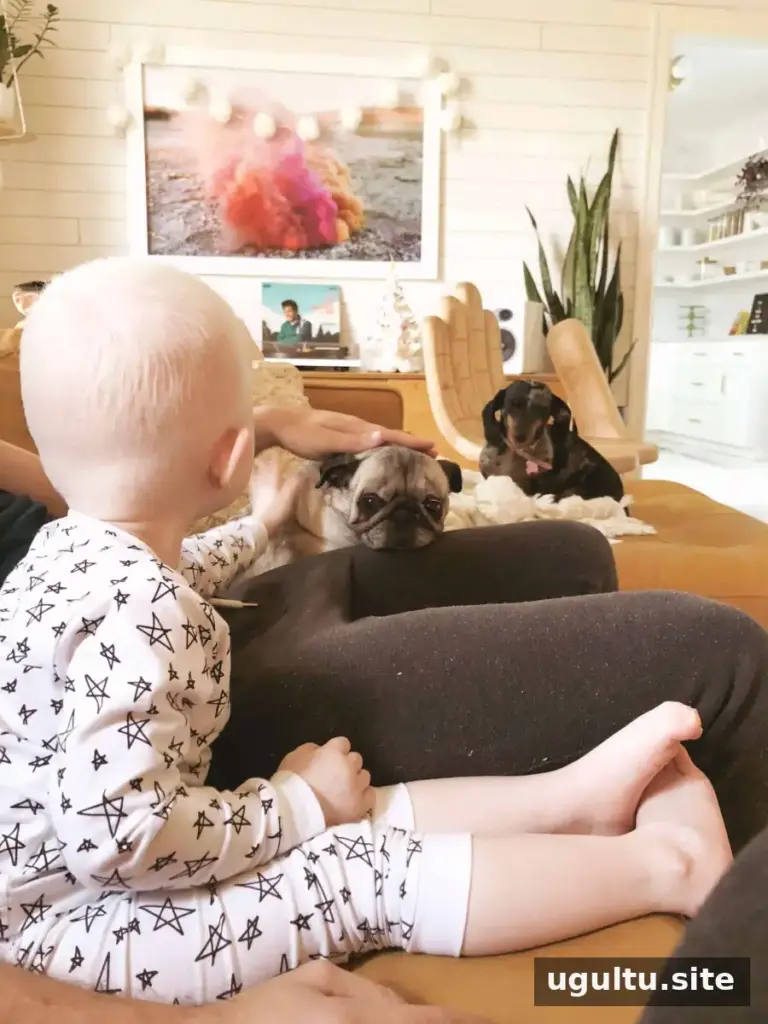
The family continued serving foods Nova had eaten before the adoption, including noodles, while also offering other familiar and new options. They reported that she was generally open to trying foods and had only rejected a few. Keeping preferred foods available can provide a reassuring option while a child adjusts to a new home.
Language learning after adoption
Nova spoke Mandarin and began using English words after four days with her family. Mandarin-speaking people helped the family communicate during their 11 days in China, and they also had contacts who could translate videos after they returned home. The family hoped Nova would continue learning Mandarin and played Chinese children’s songs she enjoyed.
Her first English word was “Dada,” followed by “Nova” among her early words. By the time of the update, she had also said the three-word phrase “Here you go!” Her family kept a journal of new words, skills, and bonding milestones. A simple record of changes can help caregivers notice progress during a period of rapid adjustment.
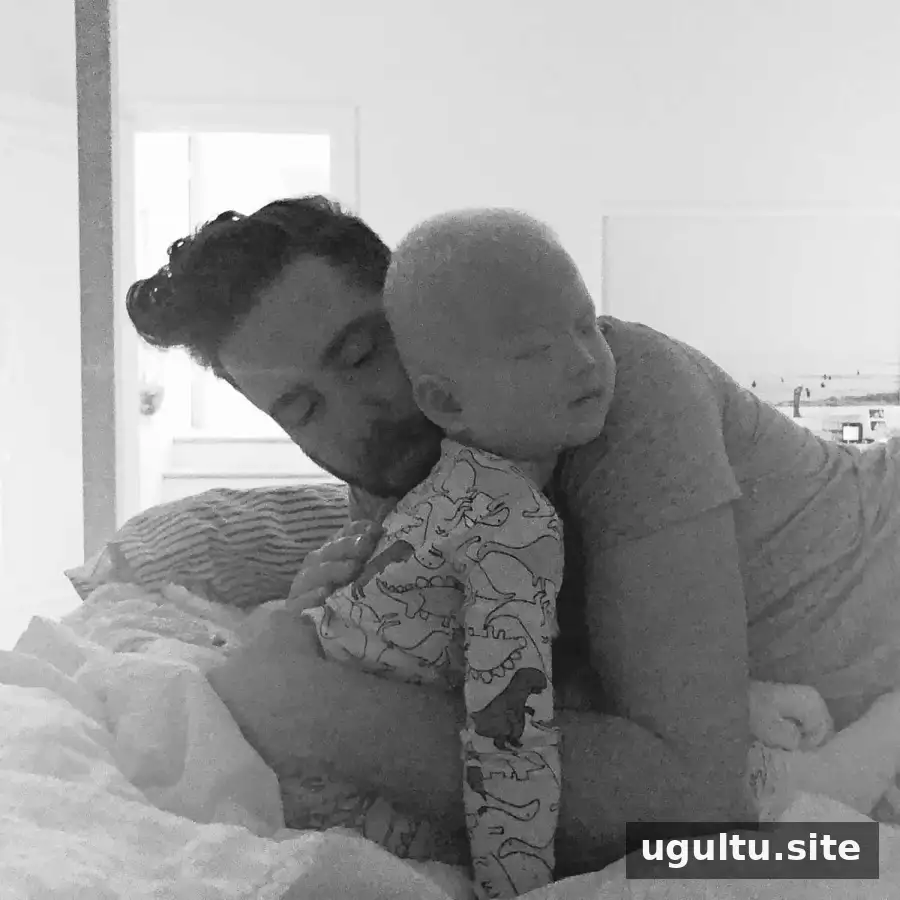
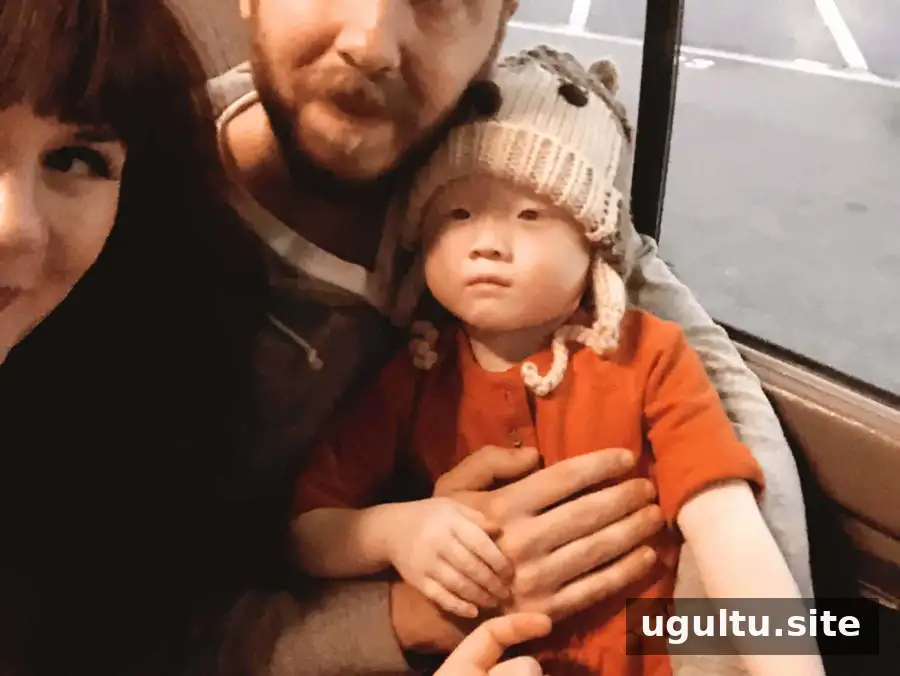
The image was taken on Nova’s first morning at home.
Adoption awareness and support
Sharing the family’s experience helped bring attention to children who were still waiting for permanent families. The family had heard about adopters in their group welcoming children of different ages, including an 11-year-old boy. Adoption journeys vary, and people considering adoption can learn about eligibility, timelines, and a child’s needs from qualified adoption professionals and relevant authorities.
— Elsie
The Nova Winter Larson adoption story is a snapshot of one family’s early adjustment: travel, paperwork, new routines, language learning, and gradually building relationships at home.


