
 admin
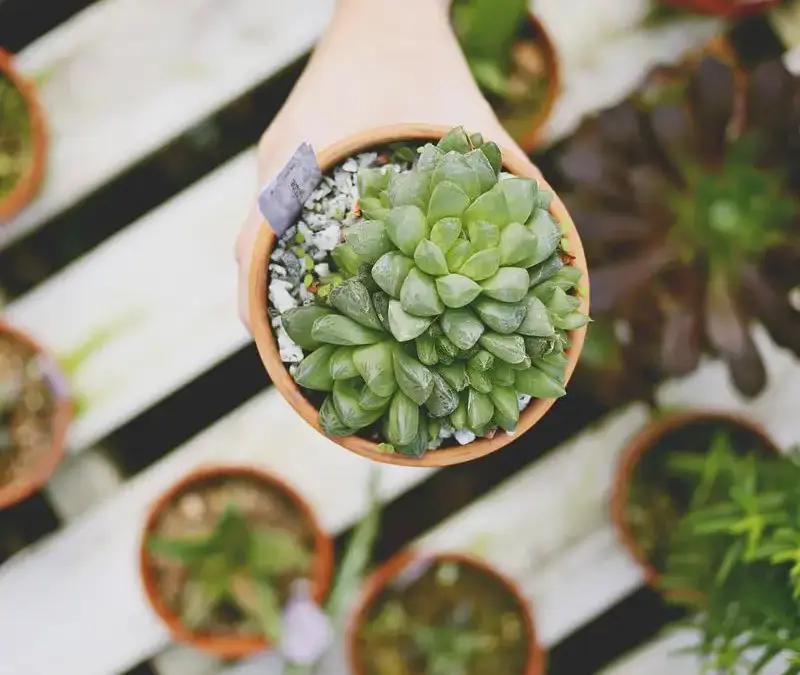
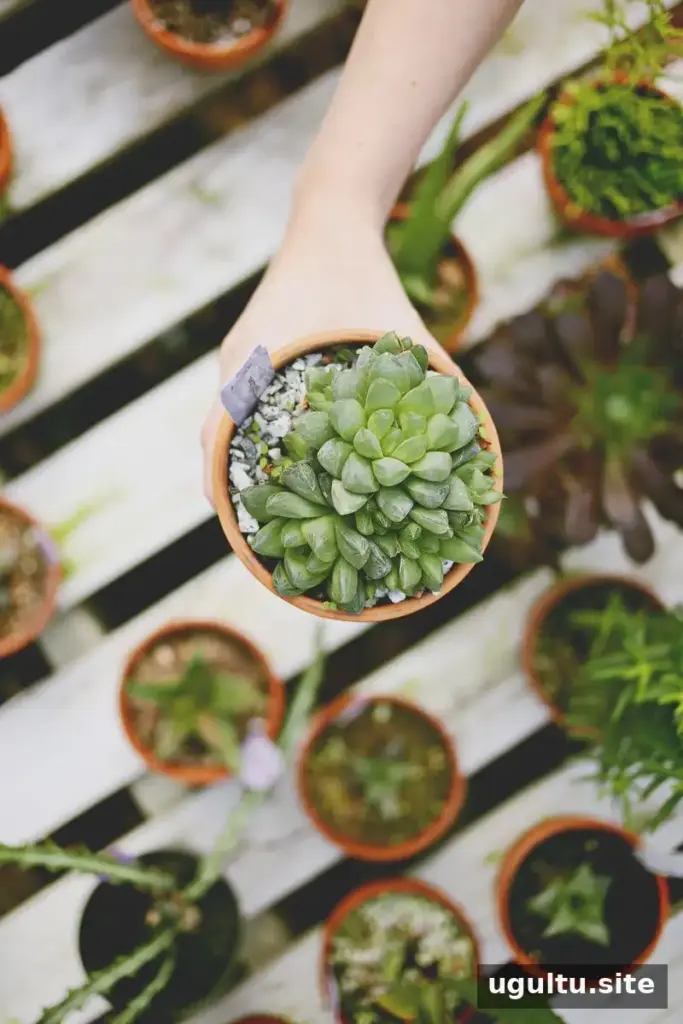
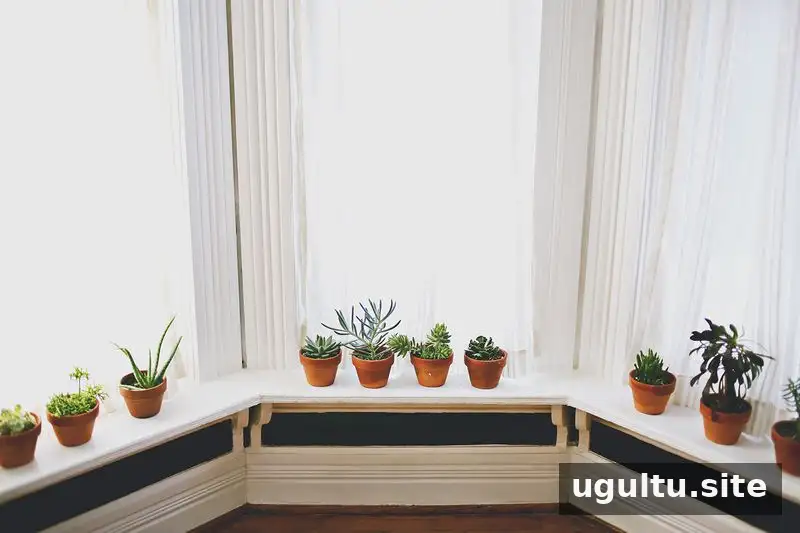
Indoor plants can make a room feel more welcoming and bring a natural touch to a home. They can also help define empty corners, soften shelves, and add color to a space. If you are choosing plants for a new or refreshed room, start by considering the light available and how much time you can spend on care.
Indoor Plants: Choose Varieties That Suit Your Space
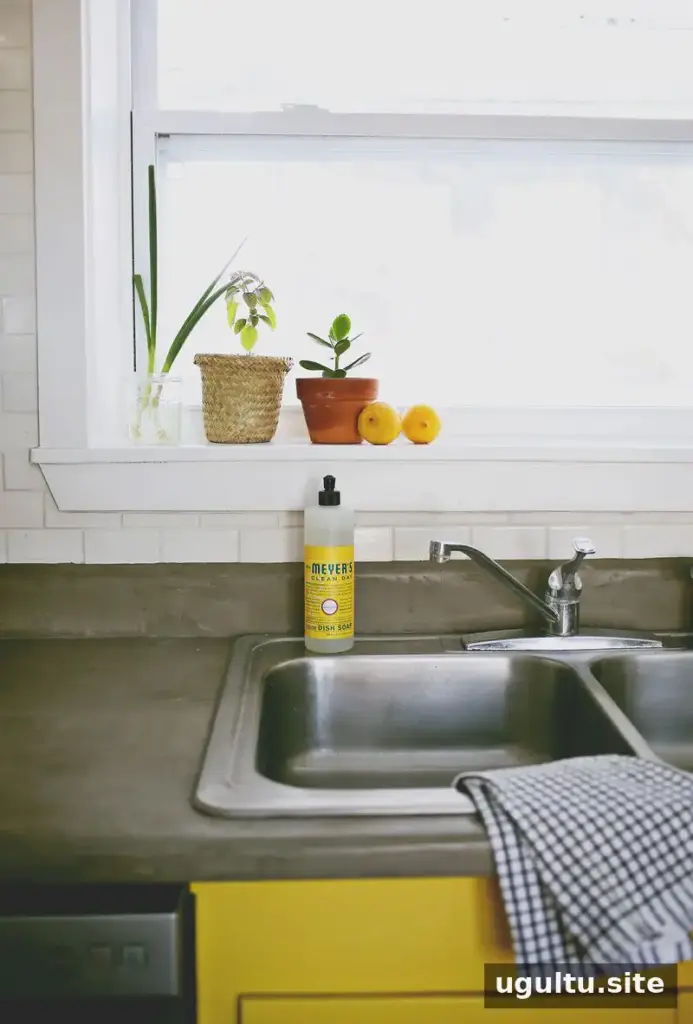
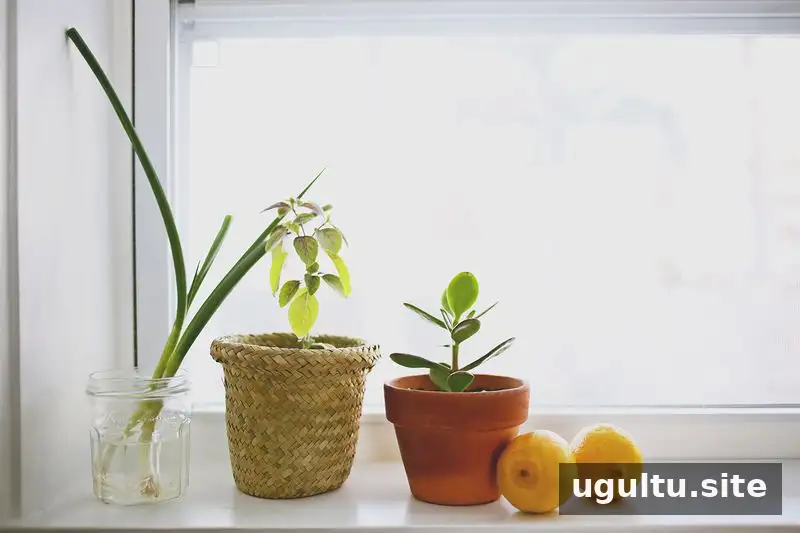
The best plant for a room is one that can thrive in its conditions. Before buying, observe how much natural light the area receives and whether it changes throughout the day. A bright windowsill, a spot with indirect light, and a dim corner offer different growing conditions, so check the plant’s care label or a reliable plant-care reference.
- Check the light: Match the plant’s stated needs to the location rather than choosing by appearance alone.
- Consider the space: Allow room for the plant to grow, and make sure leaves will not be pressed against a wall or blocked by furniture.
- Start small: If you are new to plant care, try one or two plants first. This makes it easier to learn their needs before adding more.
For beginners, keeping plants healthy is mostly about learning to notice their conditions. There is no single watering schedule that works for every plant or home. Check the potting mix and the plant’s care guidance before watering; excess water can be as problematic as too little. Pots should also have suitable drainage so water does not remain trapped around the roots.
Simple Indoor Plant Care Tips
Light, water, temperature, and the container all affect a plant’s health. Keep care manageable by checking plants regularly instead of relying on a fixed routine. If leaves change color or growth slows, review the plant’s light and watering conditions before making several changes at once.
- Place plants where their light requirements can be met.
- Use a pot with drainage appropriate for the plant and its growing mix.
- Keep plants away from sudden temperature changes and strong drafts.
- Remove fallen leaves and check occasionally for signs of pests.
- Look up care instructions for each variety, since needs differ.
People learning about houseplants may also find it useful to explore beginner plant guides, straightforward care advice, information about indoor window gardens, and tips for people who have struggled to keep plants alive. Treat claims about air-purifying benefits carefully: plants can contribute to a pleasant indoor environment, but they should not be considered a replacement for ventilation or other measures that support indoor air quality.
Arrange Plants for a More Lived-In Room
Plants can be grouped at different heights to add visual interest, or placed individually where a room needs a natural accent. Make sure each plant still receives appropriate light and can be reached for watering. A decorative location is only practical if the plant’s basic needs can be met there.
Indoor plants are a rewarding way to bring greenery into a home, especially when choices are based on the room’s conditions and the care available. Start with a suitable variety, observe how it responds, and adjust your routine thoughtfully. With a little attention, indoor plants can become a lasting part of a comfortable space.


