
 admin
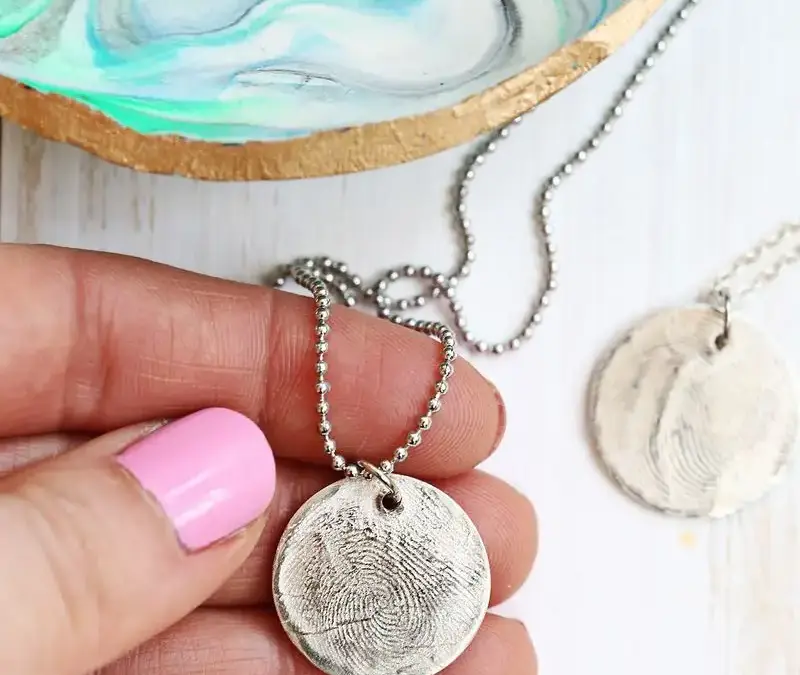
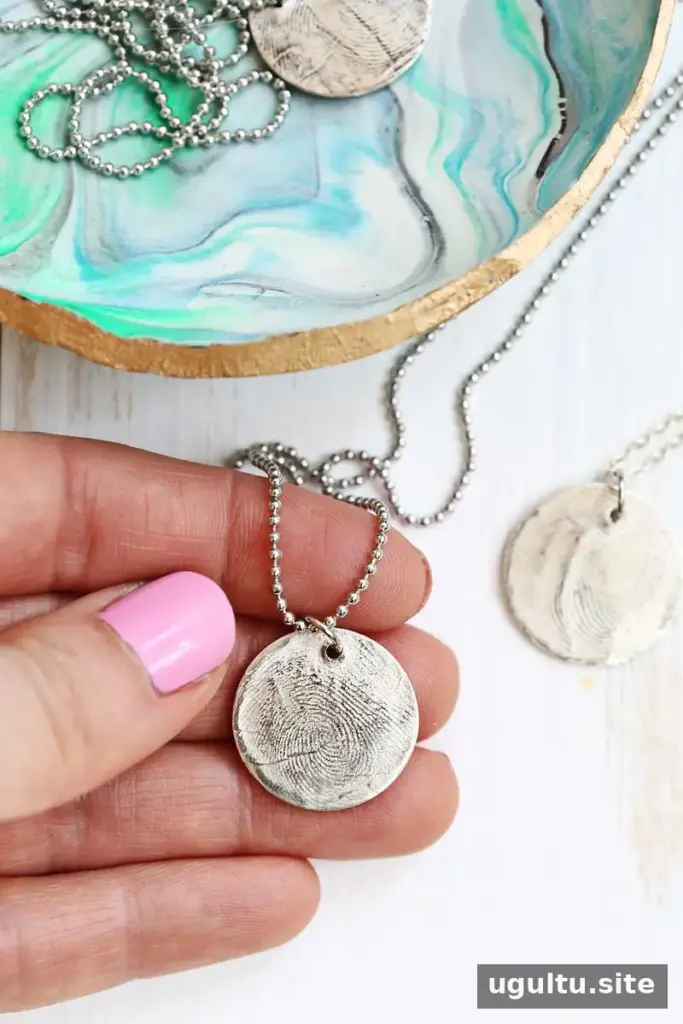
Silver metal clay jewelry makes it possible to create a detailed pendant without starting with solid silver. The clay combines silver particles with organic binders and water; after it is shaped, dried, and fired, the binders and water burn away, leaving a piece that is 99.9% pure silver. This guide covers how to make a fingerprint pendant using low-fire clay and a butane torch.
Materials for silver metal clay jewelry
Prepare your tools before opening the clay, because it begins to dry when exposed to air. You will need:
- Art Clay Silver 650 (low fire)
- Polishing papers
- A small piece of plexiglass
- Card stock or playing cards to guide the clay’s thickness
- An acrylic roller
- A small round cutter, slightly larger than the desired pendant
- A firing block and a small butane torch
- A wire brush and fine-grade sandpaper
- A small spray bottle of water
- Plastic clay knives
- An agate burnisher (optional)
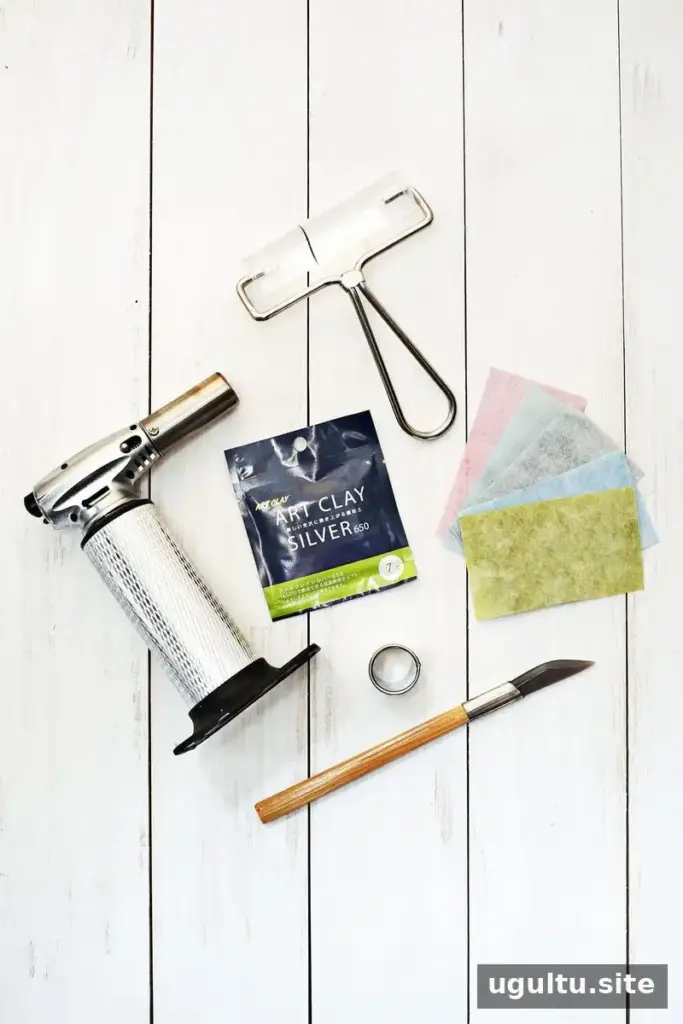
A starter kit may include several of these supplies, so compare its contents with what you already have. Fired clay shrinks by about 8–10%; choose a cutter that accounts for this difference.
Roll out the clay and make the fingerprint
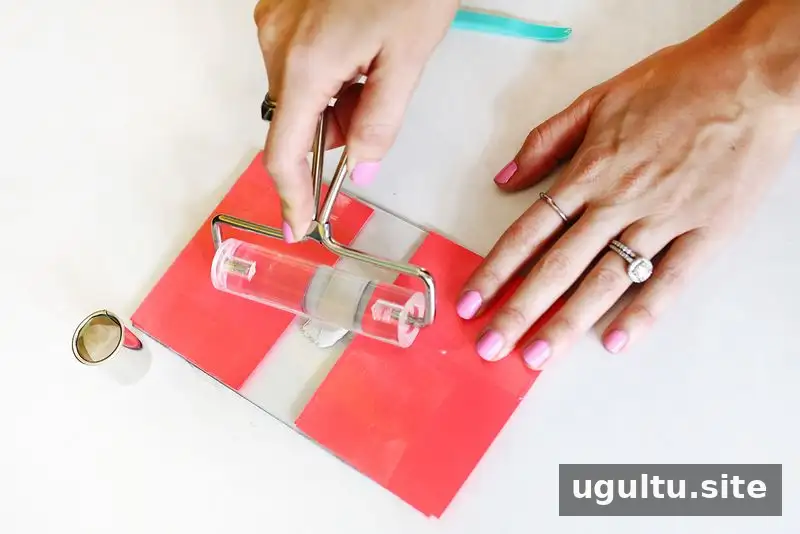
Make a rolling guide by placing equal stacks of cards on either side of the clay, leaving about 1 1/2 inches between them. Four to five cards thick is a suitable guide for this project. Secure the stacks to the plexiglass, then unwrap the clay and roll it evenly between them. A very thin coating of olive oil on your fingers can help prevent sticking, though the clay can also be washed off with water.
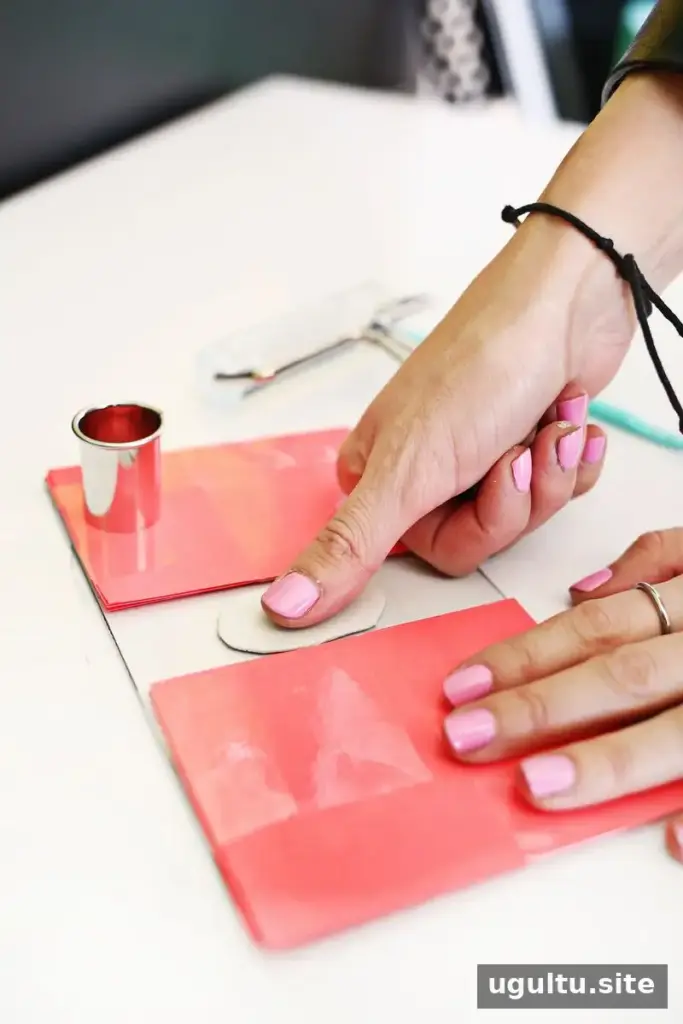
Press a thumb into the clay and roll it from one side to the other, as you would when taking an ink fingerprint. Use enough pressure to capture the ridges without pushing the clay out of shape. If the impression is unclear, lift the clay with a plastic knife, gently knead it, roll it again, and retry. If it starts to dry, mist it lightly with water.
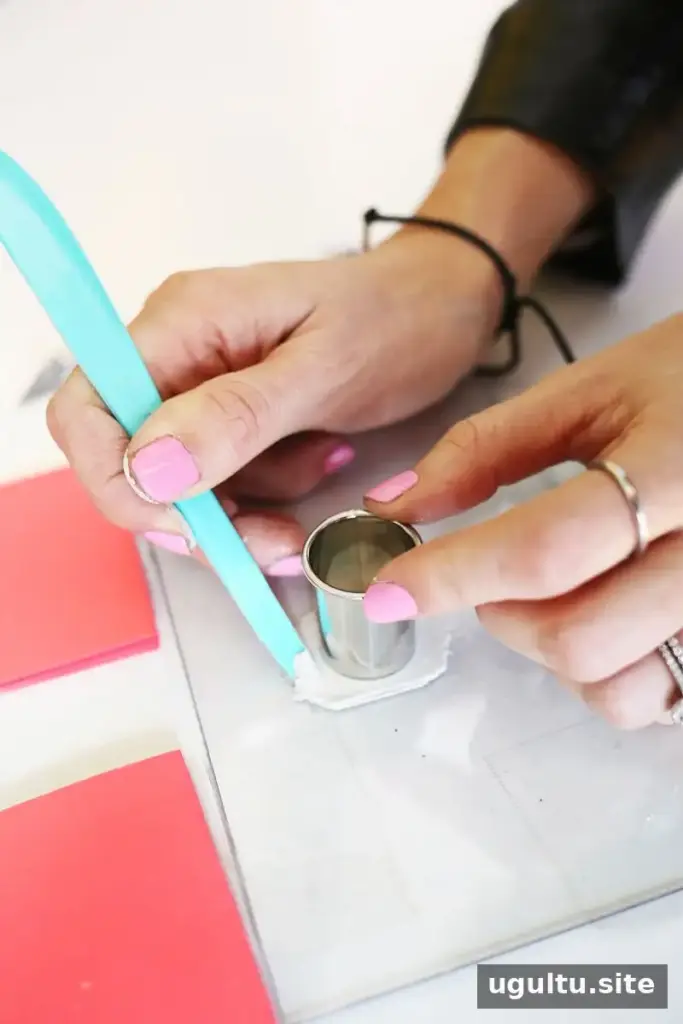
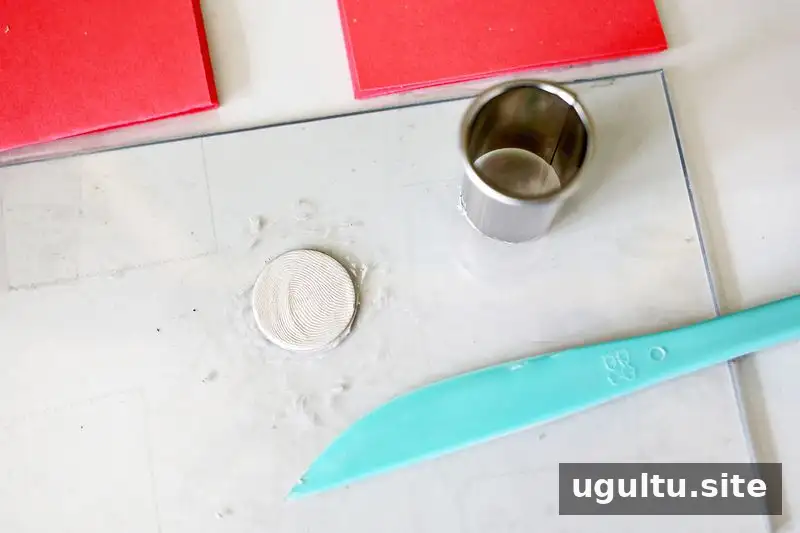
Place the round cutter over the part of the print you want to feature and press down. With the cutter still in place, remove the surrounding clay. Wrap leftover clay in plastic wrap and store it in a sealed plastic bag with a damp paper towel at the bottom, in a dry, dark place.
Dry, refine, and fire the pendant
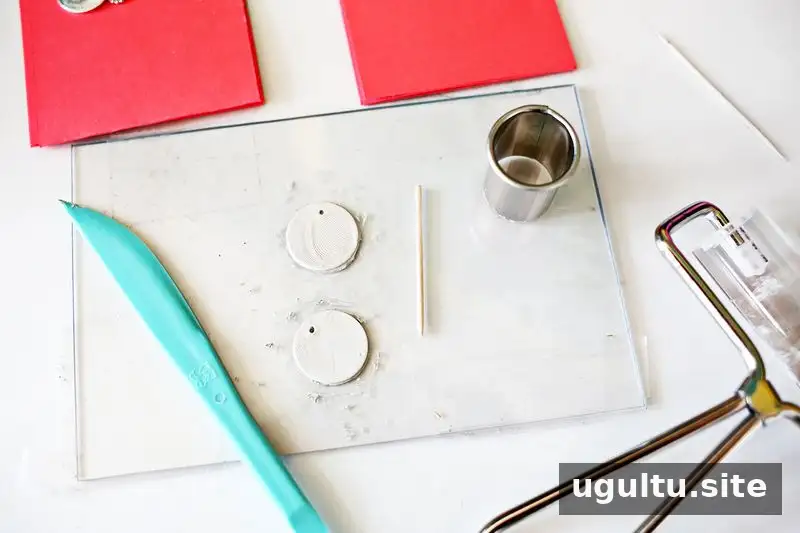
Make a small hole for the jump ring with a toothpick or narrow straw, then let the pendant air-dry completely for 24 hours. Once dry, smooth uneven edges with fine sandpaper, such as 220 grit, or the fine side of an emery board.
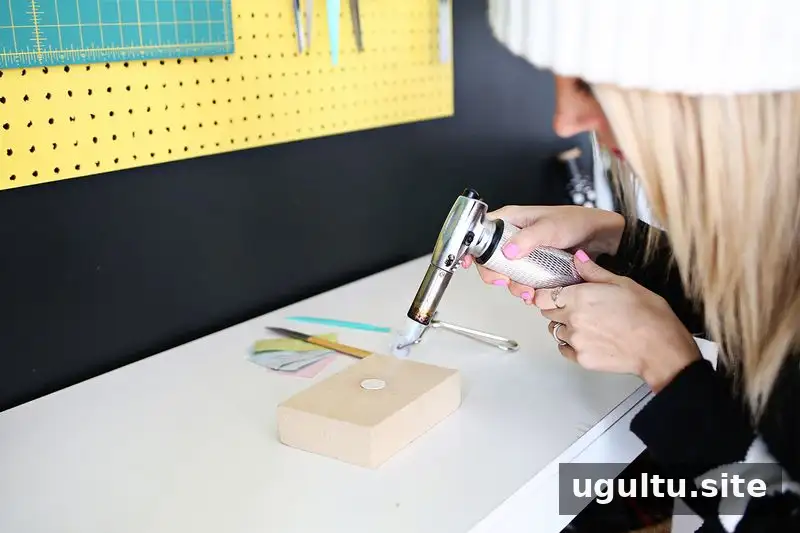
Before using a torch, work on a stable, heat-resistant firing block in a well-ventilated area. Keep flammable materials away, use appropriate eye protection, and follow the clay manufacturer’s firing directions. The source instructions describe using a dim room to make the clay’s glow easier to see; never compromise safe lighting or visibility to do so.
Hold the torch about 2 inches from the piece at a 45-degree angle, moving the flame continuously so the clay heats evenly. The piece may smoke or briefly catch fire as the organic binders burn away. Continue until it glows peach-colored, then maintain that glow for the required time. The stated firing times are 1–1.5 minutes for a 5-gram piece and 1.5–2 minutes for a piece weighing 6–15 grams. Turn off the torch and let the pendant cool completely.
Brush and polish the finished silver
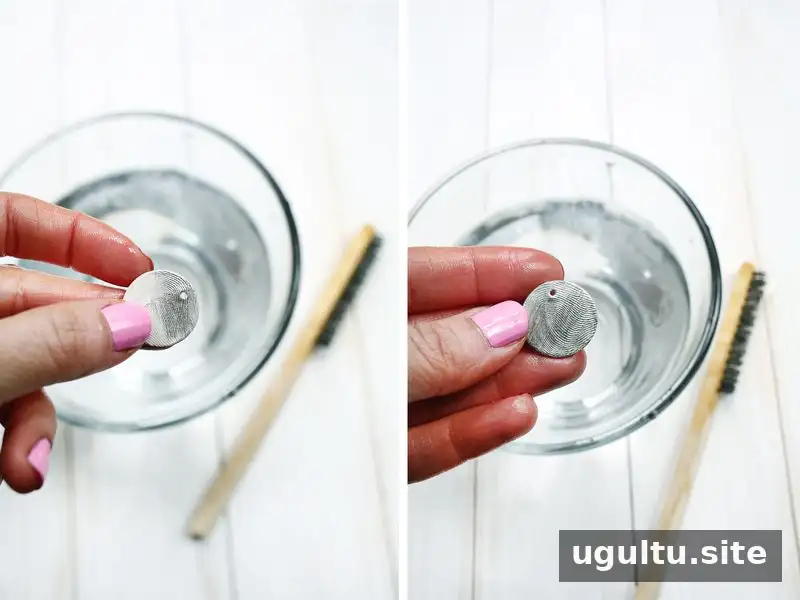
After cooling, place the piece in water and brush away the white outer layer with a wire brush. Dry it with a cloth, then use polishing papers from coarse to fine, dampening them and polishing in one direction. For a brighter finish, an agate burnisher can be rubbed over the surface. A liver-of-sulfur treatment can darken the recessed fingerprint lines; apply it before polishing.
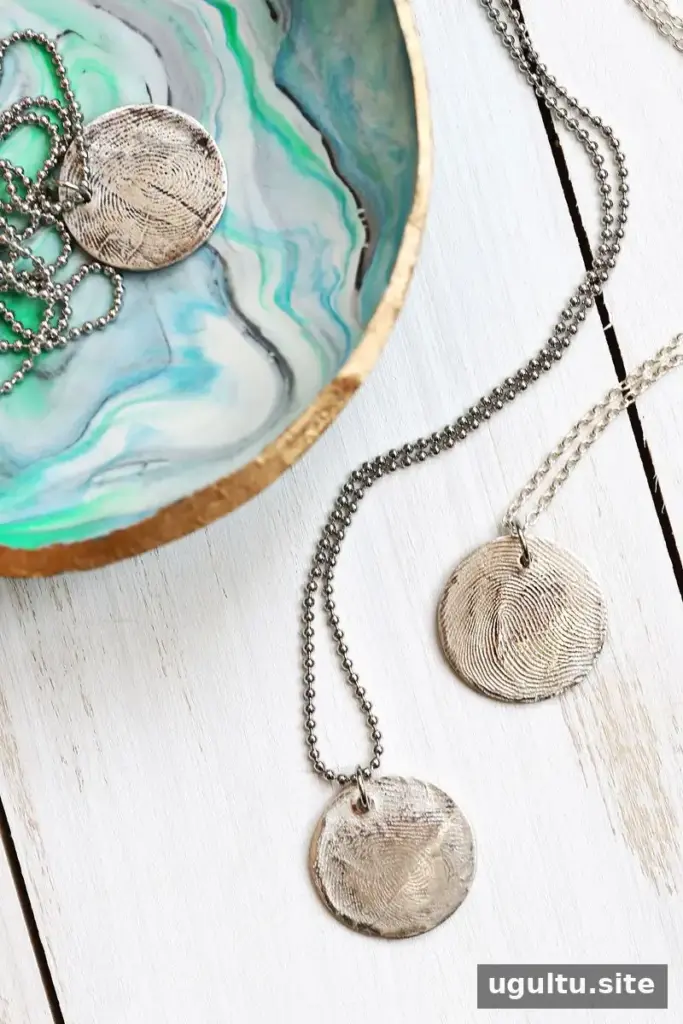
Make a personal fingerprint keepsake
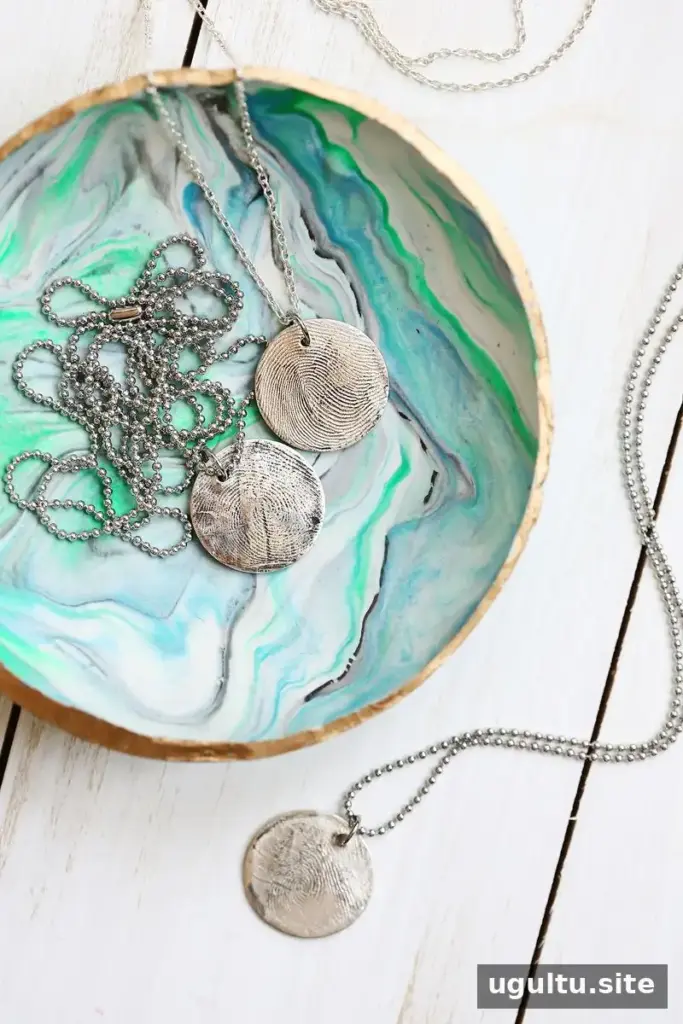
A fingerprint pendant can be adapted into a charm or key-chain pendant, and the same basic process can be used for other small keepsakes. Plan for the clay’s drying time and shrinkage, and take care during torch firing. With those details in mind, silver metal clay jewelry offers a practical way to turn a meaningful impression into a lasting handmade piece.
By Laura


