
 admin
Moving takes careful planning, especially when you are packing a household with children or pets. These moving and packing tips cover sorting belongings, choosing supplies, arranging transport, and preparing for the first days in a new home. Starting early can make it easier to avoid rushed decisions, reduce the number of items you move, and keep essentials easy to find.
Moving and Packing Tips for a More Organized Move
Packing your own belongings can give you more control over what you keep and what you donate. It also takes time, so begin well before moving day and work in short sessions on evenings or weekends if needed. In one move involving two children and pets, sorting while packing helped reduce belongings and save thousands of dollars in moving fees.
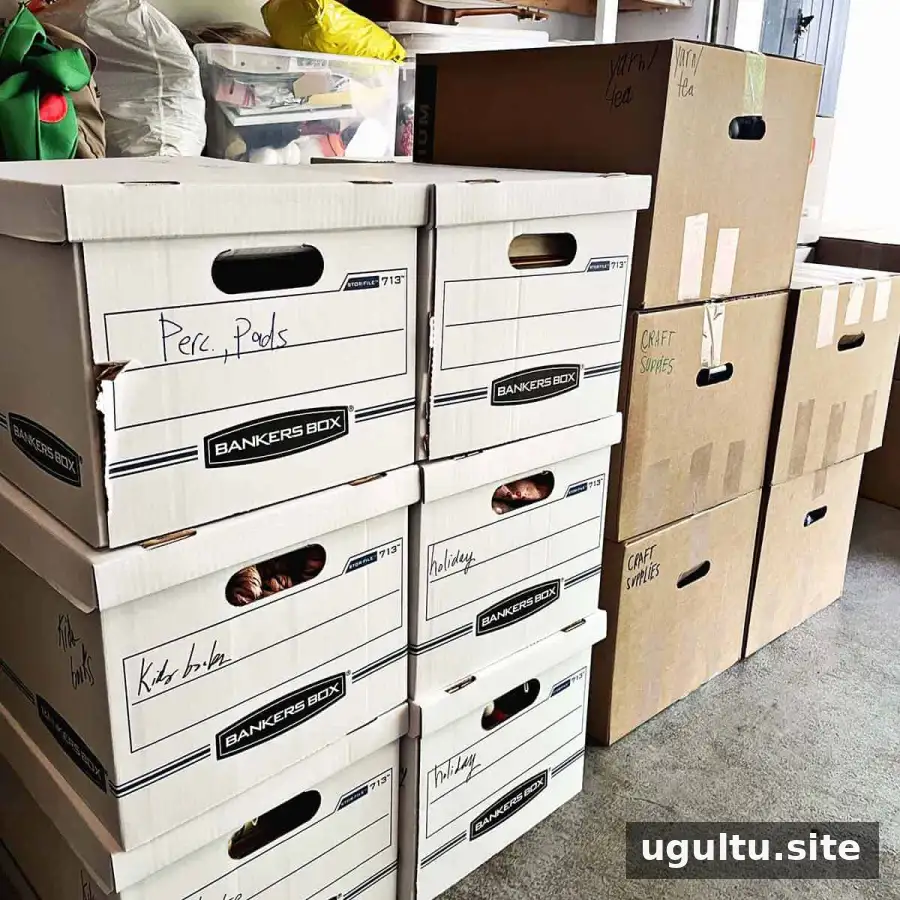
- Choose boxes of similar sizes. Uniform boxes are easier to stack and can help use space efficiently. Medium boxes with handles work well for many household items, while sturdy bankers boxes are useful for books and paperwork. Keep heavy items in smaller containers so they are easier to lift.
- Use bags for soft items. Clothing and storage bags can hold linens, pillows, clothing, and some toys. Soft items can also provide padding between furniture and fragile belongings, but do not rely on them alone to protect delicate items.
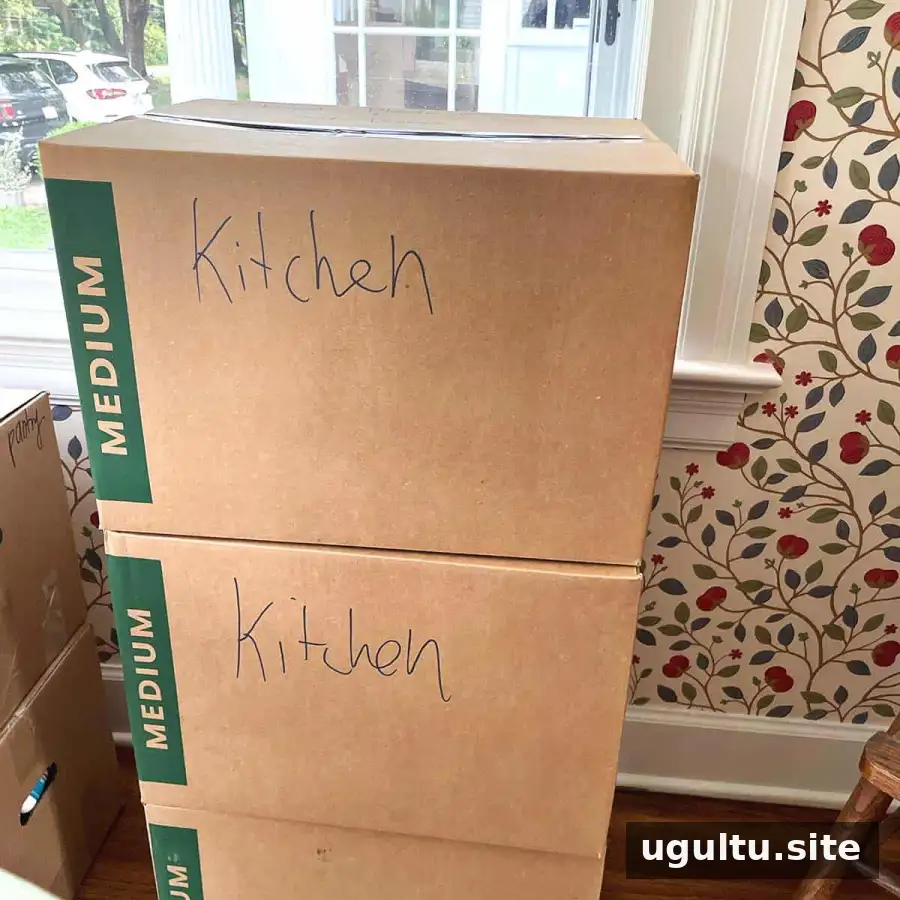
- Label boxes clearly. Note the room, general contents, and any items you may need soon. A color-coded system can make it quicker to direct boxes to the right rooms.
- Declutter as you pack. Set aside items you no longer use or want, then donate or sell what is in good condition. Sorting before packing means fewer things to transport and unpack.
Choosing a Moving Service
Compare the cost, schedule, and responsibilities involved in each moving option. A portable storage container can be delivered to your home, packed there, and transported to your destination. Unlike driving a rental truck yourself, this approach lets you travel separately from your belongings. Delivery dates may come with a time window, so plan to manage without some household items for several days or longer.
One household used a hybrid approach: they packed most boxes over about a month, loaded the container, and hired a local crew to handle large, heavy items. Around 10 bulky items took less than an hour for the crew to move. The container was filled to 100% of its available space, and the total move cost was under $4,000. Costs and availability vary, so request a clear estimate and confirm what is included before booking.
Protect belongings in transit
Items inside a container may shift during a long journey. Place heavy boxes at the bottom, pack rows tightly, and secure furniture with suitable padding. Keep valuable equipment, such as computers and televisions, with you if possible. Plants may not tolerate the trip, and candles or other temperature-sensitive items can be damaged because storage containers are not temperature controlled.
Pack a few weeks of clothing and daily necessities in your vehicle or overnight bags. Include toiletries, medication, chargers, important documents, and bedding so you can manage if delivery is delayed.

Practical Moving Tips and Hacks
- Prepare a comfort box for each family member. Include familiar items for the first night, such as a favorite blanket, snacks, tea or coffee, and a pet’s usual supplies.
- Keep important documents separate. Store passports, essential bills, and other irreplaceable paperwork somewhere secure and easy to access.
- Fill empty space in boxes. Use towels or extra clothing to limit movement, while avoiding boxes that are too heavy to carry safely.
- Transport hanging clothes together. Bundle clothes on hangers and cover them with an unscented bag, leaving an opening for the hooks.
- Mark first-day supplies clearly. Label boxes containing towels, sheets, toiletries, and everyday kitchen items so they are easy to locate.
Buying consistent supplies can make stacking easier, and many boxes and bags can be passed on for reuse after the move. Keep a small supply reserve, especially of tape and labels, to avoid unnecessary last-minute trips.
Get Organized Before Moving Day
A short checklist can help prevent missed services and address changes. Schedule utilities, internet, lawn care, and other services for the new home. Arrange stop dates for services at the previous address, and coordinate timing with the next occupants when appropriate.
- Arrange mail forwarding and update your address with banks, bill providers, and frequently used services.
- Change the delivery address for recurring subscriptions.
- Schedule grocery delivery or plan a simple first meal for moving day.
- Confirm access, delivery timing, and any building or parking requirements at the new home.
Moving Boxes and Packing Supplies
Gather supplies before packing begins. Medium handled boxes suit many kitchen appliances and toys; smaller sturdy boxes are better for books, files, and other heavy items. Clothing bags can also hold linens, pillows, and seasonal decorations. Labels and a safer box cutter can make packing and unpacking more manageable. Check each box’s weight before sealing it, and keep sharp tools away from children.
Tips for Moving Across the Country
Long-distance moves require extra planning because you may have limited space in both the moving container and your vehicles. Prioritize essential belongings and load them before optional items. If space runs short, having a plan for selling, donating, or leaving behind lower-priority items can help avoid stressful last-minute decisions.
Consider shipping useful essentials separately if they will be needed before the main shipment arrives. For example, an air mattress, cleaning supplies, and toilet paper can make the first few nights easier. Arrange a home cleaning before move-in if possible, and ask trusted family or friends for help with groceries or other practical tasks.
Moving with Children and Pets
Children may feel sad about leaving familiar friends, schools, and places. Make room for those feelings without assuming they mean a child dislikes the new home. In some families, emotions may come in waves and become more noticeable weeks after the move.
- Offer choices where possible. Let children help choose room colors, themes, or new furnishings to give them a sense of involvement.
- Plan enjoyable activities. A walk, a visit to a local bookstore, or an outing for ice cream can help children begin to feel at home.
- Keep pets’ routines familiar. Offer extra walks and attention, and set up a consistent sleeping place from the first night. Keep food, medication, and familiar items accessible during travel.
Moving can be tiring even with careful preparation. Focus on the essentials first, take breaks when possible, and allow time for everyone to adjust. These moving and packing tips can help make the transition more organized, protect important belongings, and create a more comfortable start in your new home.
— Elsie


