admin


Choosing home decor together can feel challenging when two people have different tastes. A shared mood board gives everyone a visual starting point and helps turn individual ideas into a more cohesive plan. It can also make everyday decisions easier, from selecting furniture to deciding whether an accessory fits the room.
You can create a mood board digitally, arrange images and samples on a physical board, or keep inspiration in a folder. The format matters less than being able to review it together. Save a copy on your phone as well, so you can refer to your ideas when shopping.
How a Mood Board Helps with Choosing Home Decor Together
Before furnishing or updating a space, take time to talk through the overall look and feel you both want. Compare ideas for colors, materials, and styles, and agree on a general direction. A shared reference can reduce repeated discussions about the same choices and help you avoid purchases that do not work with the rest of the room.
Keep the board flexible. It is a guide, not a strict set of rules, and you can update it as your needs or preferences change.
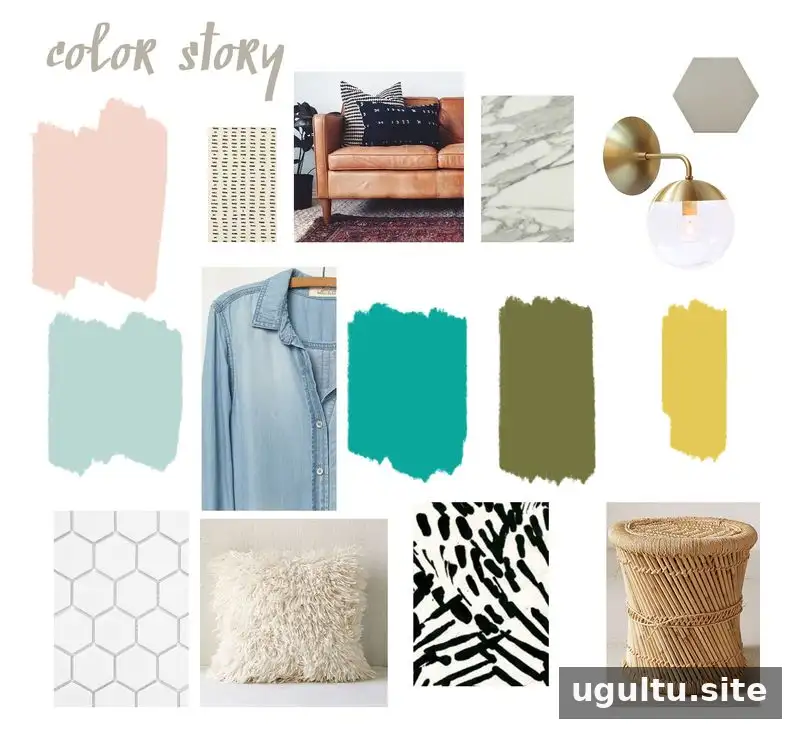
Five Things to Include on Your Mood Board
1. Choose a color scheme
Start with one to three main colors, then add accent shades if you want more variety. A consistent color story can make it easier to move furniture or accessories between rooms and helps separate purchases feel connected. It does not mean every room needs to look identical; repeated colors can simply provide a visual link throughout the home.
Practical tip: Keep color samples or reference photos with you when comparing paint, fabric, or furnishings. Colors can look different under various lighting conditions, so check samples in the room where they will be used.
2. Describe your style in three words
Choose three words to clarify what you both want. One can describe a furniture style, such as mid-century, reclaimed, or Scandinavian. Another can capture the atmosphere you want, such as cozy, lively, or relaxing. Use the third to express a shared interest or a quality that makes the space feel personal.
If your descriptions differ, look for common ground. For example, two people who like different furniture styles may still agree that the room should feel calm and comfortable.
3. Settle on one or two wood finishes
Wood finishes help tie furniture and other elements together, especially when pieces are collected over time. Pick one or two finishes to use as a general guide. Not every item has to match exactly; a few exceptions can add character without making the room feel disjointed.
Consider the existing floor color when making this choice. Use images of rooms with similar floors as references, and compare how different furniture finishes look beside them.
4. Select a main metal finish
Mixing metals can work well, so matching every fixture and accessory is not essential. Choosing one finish to use most often, however, creates a consistent thread. A second finish can be introduced in smaller amounts for contrast.
5. Identify your statement pieces
Decide which pieces should draw attention in each room. These might be oversized artwork, a distinctive sculpture, a brightly colored sofa, or another item that feels meaningful to you. Once you know the focal points, choose simpler supporting pieces so the room does not feel crowded with competing features.
For instance, if a room already has a striking floor or a large statement object, comfortable, quieter furnishings can help balance the overall look. Think about how each new item will relate to the focal points before bringing it home.
Use the Board While You Shop
Before buying something, compare its color, material, scale, and style with the shared plan. Ask whether it supports the direction you agreed on and whether it works with items you already own. This small pause can help prevent impulse purchases and keep your budget focused on pieces that serve the room.

A mood board does not need to settle every detail in advance. Its purpose is to make choosing home decor together more straightforward while leaving room for personal touches. Review it as you make decisions, and adjust it when both people agree that a new idea better suits the space.
Author: Elsie