
 admin
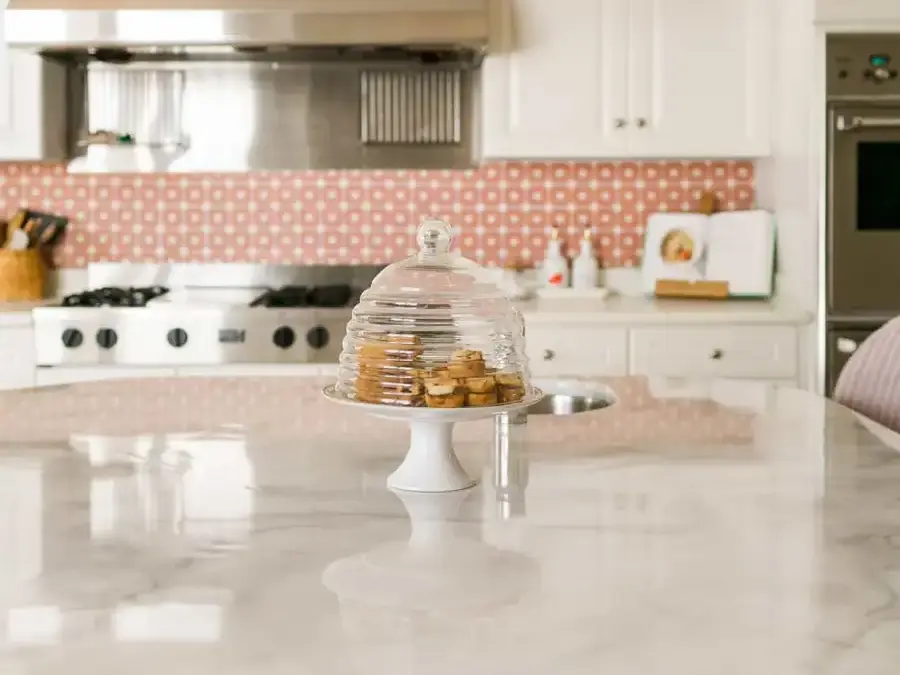
A faux marble countertop can refresh a kitchen without the cost or commitment of replacing the counters. A countertop painting kit can create a veined, glossy finish, but the project takes careful preparation and the finished surface has important limits. This guide covers the process, realistic expectations, maintenance, and points to consider before getting started.

Before and After: Why Paint a Countertop?
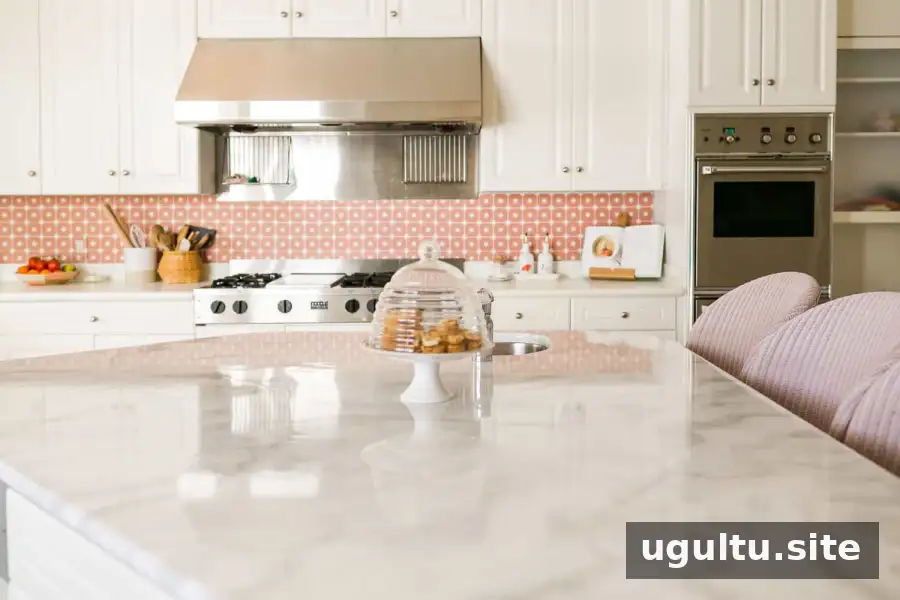
In this makeover, an existing kitchen island had a stone finish that did not suit the home. Since a full remodel was planned for a few years later, replacing the counter right away did not seem worthwhile. Painting offered a lower-cost way to improve the kitchen in the meantime.
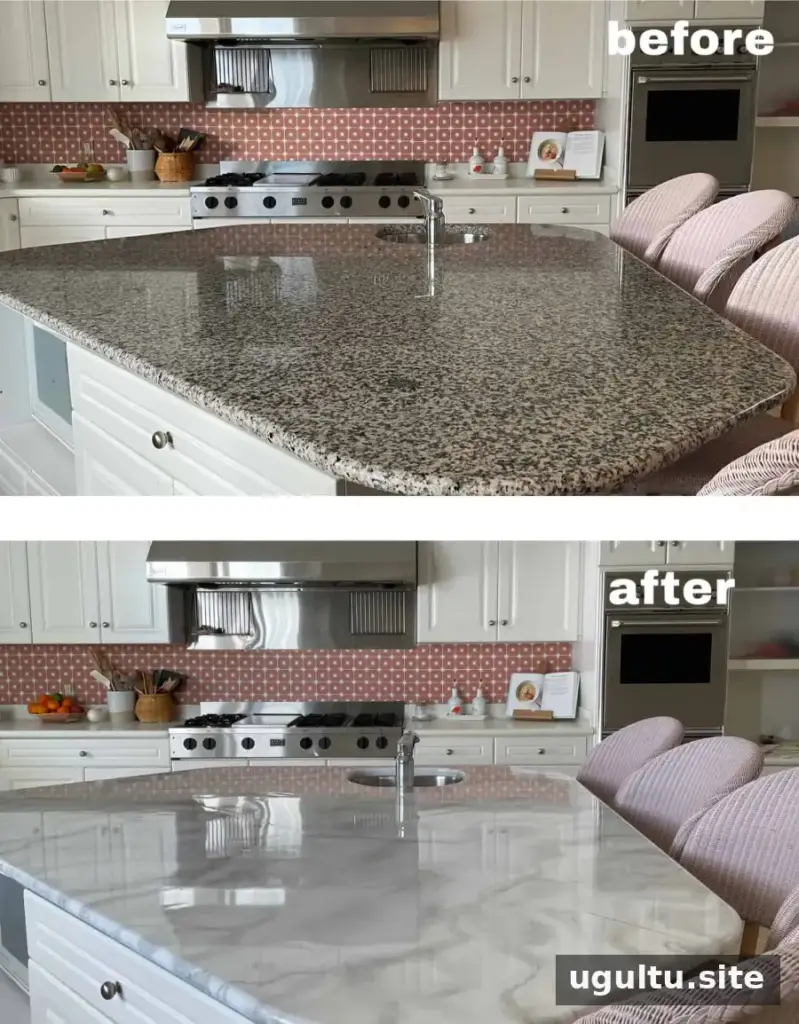
The island was used frequently for family meals, so durability mattered. The painted surface remained in use for almost two years before the counters were replaced. During that time, the family reported one small scratch. That result is useful context, but it is not a guarantee: wear can vary with the surface, preparation, application, and everyday use.
The project cost less than $200 and took two to three days overall. The actual marbling took about three hours. A glossy finish can be easy to wipe clean, but a painted counter is not a substitute for natural stone when it comes to heat resistance or food preparation.
Faux Marble Countertop Tips
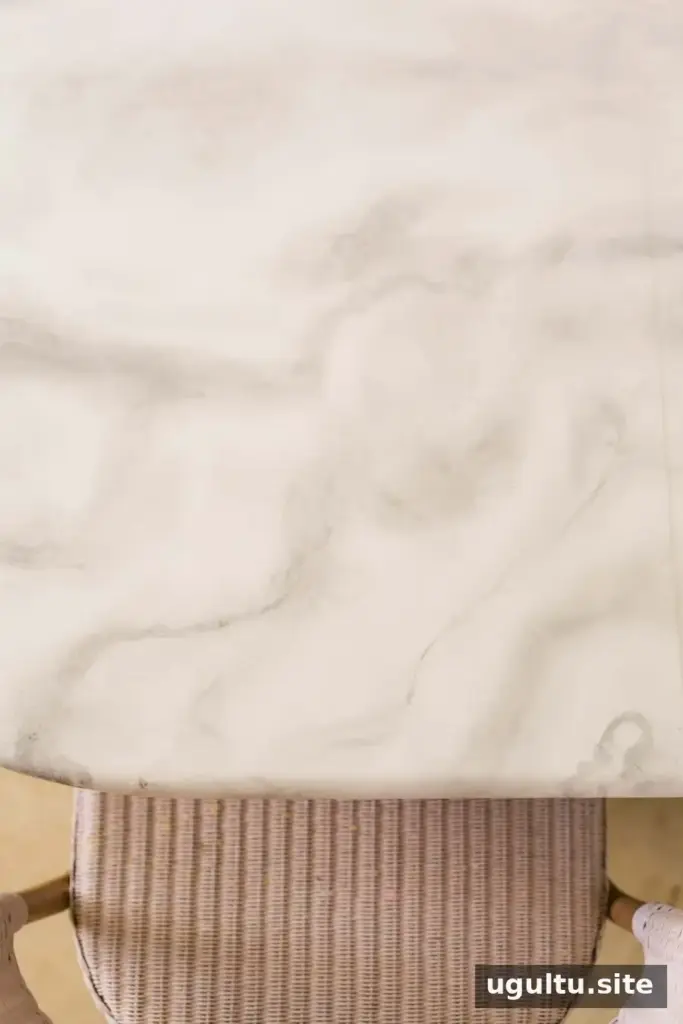
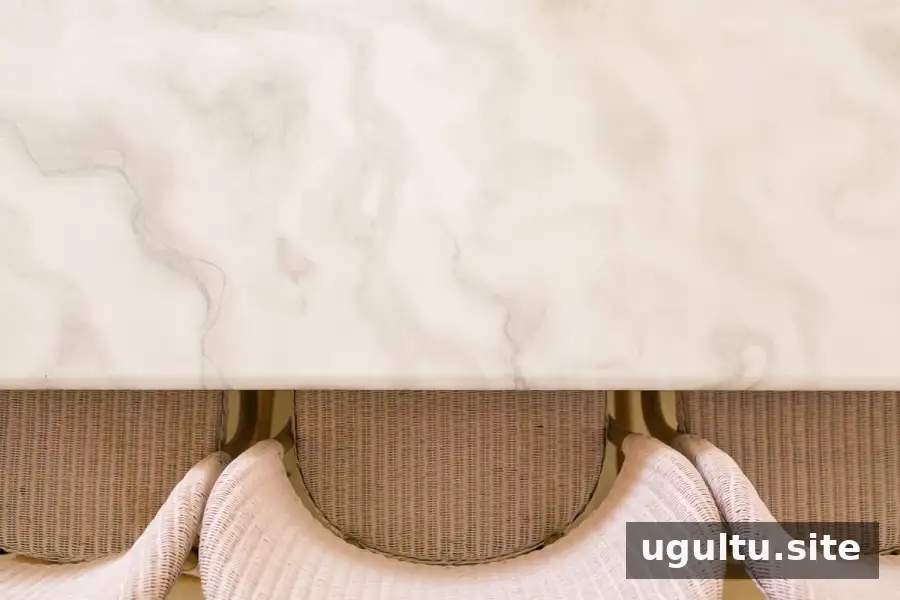
You do not need to be an experienced painter to create a faux marble look. Patience and attention to detail are more important than artistic skill. The process involves making veins that look natural, so a little variation is helpful; perfectly uniform lines can look less like real stone.
Before beginning, read the instructions for your specific kit and watch its complete instructional video. The kit used for this project included the main materials, while painter’s tape and tweezers were the only additional supplies needed. Product contents and requirements differ, so check the label and directions before setting up.
Allow enough time for each stage and follow the product’s drying and curing instructions. Keep the work area ventilated as directed on the product label, and protect nearby surfaces from drips. A short break can also help if the painted veins start to look wrong after working on them for a while.
How to Make the Marble Effect Look Real
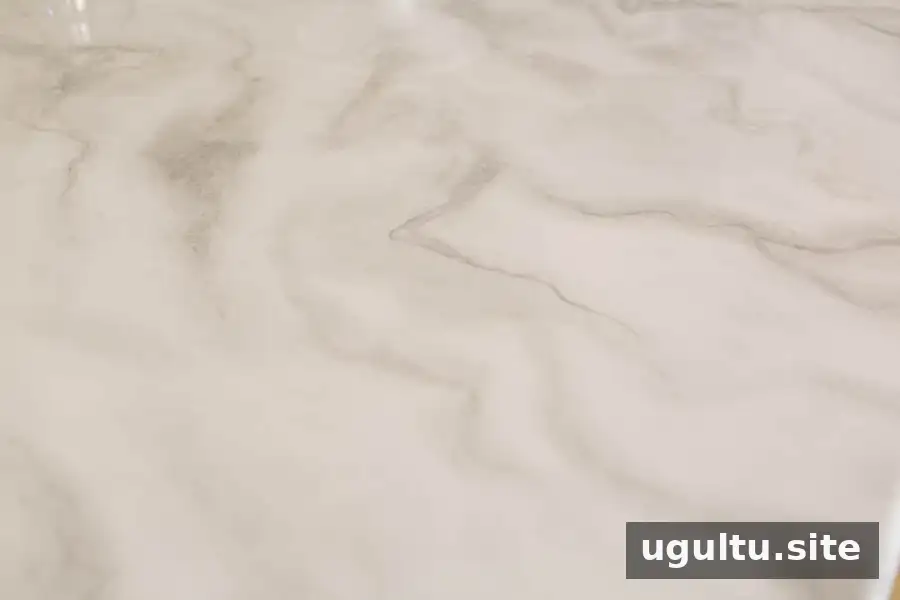
Use photographs of real marble as a reference while painting. Look at how the veins branch, fade, and vary in width rather than trying to reproduce a perfectly regular pattern. Reference images can help the finished design look more natural and keep the effect from becoming too uniform.

Work the edges as you go so that veins continue naturally across the counter’s edges. If the counter has a backsplash ledge, plan how the pattern will carry over there as well. Consistent placement helps the painted design appear connected from one surface to another.
Helpful painting pointers
- Choose a lower-contrast pattern if you are unsure. Subtle veining can be easier to make convincing than strong, dramatic lines.
- If a section does not look right, check the kit instructions to see whether it can be wiped away and repainted before sealing.
- If a vein looks too dark, blend in a little more white paint, following the kit’s method.
- Try the technique on white foam board before working on the counter. This lets you practice without risking the finished surface.
- Use tweezers to remove loose brush hairs. Picking them off with fingers can leave marks in the delicate paint.
Until the protective coating is applied, the painted design can be easily marked. Handle the surface carefully during this stage and repair any small imperfections before sealing, as directed by the kit.
Frequently Asked Questions About a Faux Marble Countertop
Can you put hot pans directly on the surface?
No. Use a potholder or trivet, and do not place hot cookware directly on the painted finish. This kind of coating does not provide the heat resistance of granite.
Is the finished counter easy to clean?
The completed surface in this project had a glossy finish and was easy to wipe clean. Follow the care guidance supplied with your kit, and avoid cleaning methods that could scratch or damage the coating.
Can you paint over any kind of countertop?
The counter does not have to be granite. Some countertop kits are designed for surfaces such as laminate, vinyl, wood, and certain types of stone, but compatibility depends on the product. Check the instructions for your specific kit and prepare the surface exactly as directed.
Consider the existing material before painting over stone. Covering granite may affect its value and removes the benefit of its original heat resistance. A worn laminate counter, or a surface already scheduled for replacement, may be a more suitable candidate.
Does the epoxy have a strong smell?
In this project, the primer had the strongest odor, similar to ordinary wall paint, while the epoxy had no noticeable smell. Odors can differ between products and workspaces, so follow the label’s ventilation and safety instructions.
Is this a good long-term solution?
It may suit a counter that needs an inexpensive update before a future remodel, especially if the existing surface is in poor condition. Think carefully before coating stone you plan to keep, since the painted finish changes how the counter can be used and maintained.
What mistakes can happen, and can they be repaired?
Loose brush hairs can scratch the design if they are pulled off by hand; tweezers are a better choice. Small marks may be touched up before the protective coating is applied. In this project, a few small holes appeared in the epoxy near the seams and were filled later with a small additional amount of coating. Follow your kit’s repair directions rather than adding material without checking its instructions.
What does the surface feel like?
The finished counter felt smooth, glossy, and slick, similar to an epoxy-coated tabletop, though the coating was not as thick.
Can one person complete the project?
The work can be divided among helpers, but the steps in this project were manageable for one person as well. Having another person available may make it easier to handle stages that involve working quickly or applying a coating across a large area.
Will the finish turn yellow?
The surface in this project showed no yellowing during almost two years of use. Results depend on the product and conditions, so check the manufacturer’s information about discoloration and long-term care.
Is the surface food-safe?
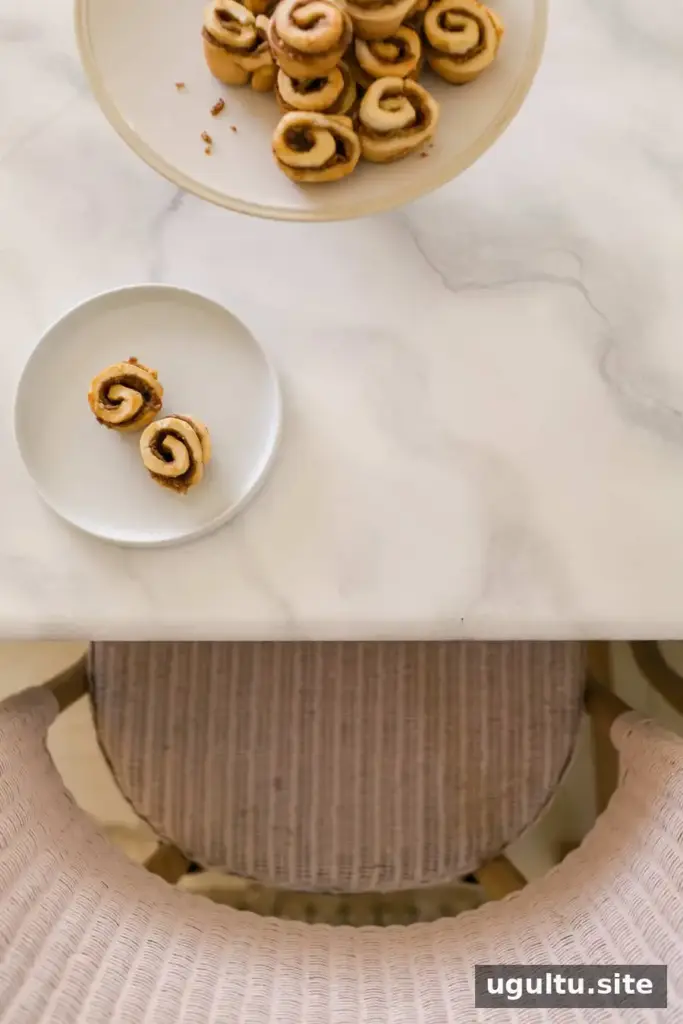
No. Use plates and cutting boards, and do not cut or serve food directly on the coated counter. Knives can scratch the finish, and the surface should not be treated as a food-preparation surface.
Do you need to remove the sink?
For this project, the sink was left in place and the surrounding area was taped off. Check the kit directions for advice about your sink and counter layout.
Can the coating drip over the counter edges?
Some dripping occurred, but protective tarps caught it. The edges were painted with a brush, and the coating was poured into the center of the counter. Protect cabinets and floors before starting, and follow the application instructions to manage excess coating.
Does the result look different in person than in photos?
The finished counter in this project looked much the same in person as it did in photographs. Lighting and camera settings can affect how colors appear, so assess the surface in the room where it will be used.
Pros and Cons of Painting a Countertop
Pros
- It can cost less than replacing a counter; this project cost under $200.
- The makeover took two to three days and made a noticeable difference to the kitchen.
- The marbling process can be approachable for beginners who are patient and follow the instructions.
- It can be a temporary update while saving for a larger renovation.
Cons
- Creating convincing veins may feel intimidating if you have not tried faux painting before.
- Hot pans need a trivet or potholder.
- The surface is not food-safe and should not be used as a cutting surface.
- Painting over natural stone can mean giving up some of its original properties and may affect its value.
Who Should Consider This Countertop Project?
A painted faux marble finish may be worth considering if you want the look of marble on a limited budget, have a worn laminate or vinyl counter, or need a temporary improvement before a planned remodel. It is less suitable if you regularly place hot cookware directly on the counter, prepare food on the bare surface, or want to preserve the original character of natural stone.
Before starting, compare the kit’s surface requirements with your counter material, set aside enough time for the full process, and make sure you are comfortable using trivets, plates, and cutting boards. Practicing the marbling technique on a sample board is a low-risk way to decide whether the look is right for your kitchen.
How Did the Painted Counter Hold Up?
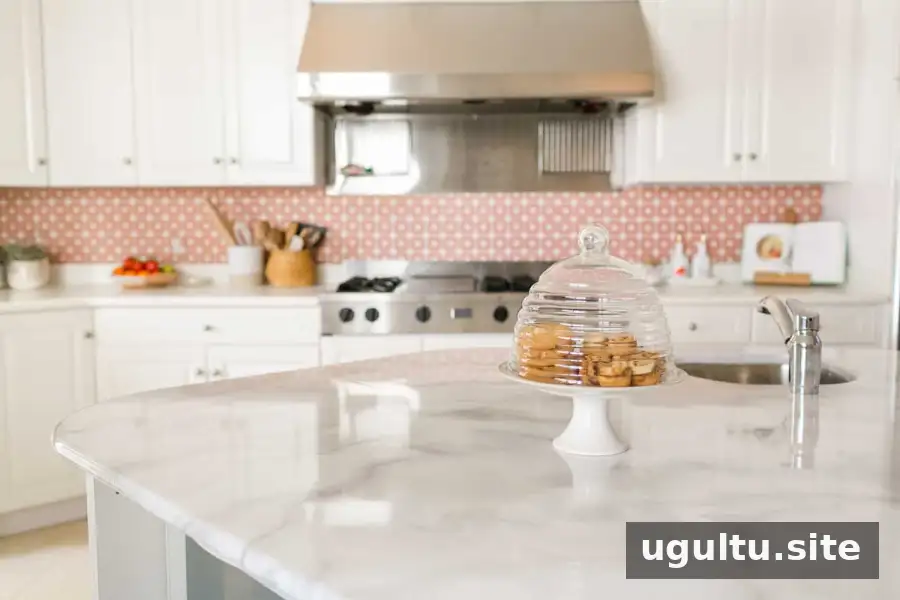
The counter was used heavily for almost two years, including daily family meals at the island. Only one small scratch was reported before the counter was replaced ahead of a move. For that household, the project provided a practical way to enjoy the kitchen while postponing a full renovation. Keep in mind that another home’s results may differ depending on preparation, product, and use.
Overall, a faux marble countertop can be a budget-conscious makeover for the right surface and household. Its glossy appearance and relatively low cost are appealing, but it is not heat-resistant or food-safe. Weigh those limitations against the look and temporary improvement you want before beginning.
More Kitchen Makeover Ideas
- The Best Paint for Kitchen Cabinets
- Faux Marble Painted Countertop
- How to Paint a Tile Backsplash


