
 admin
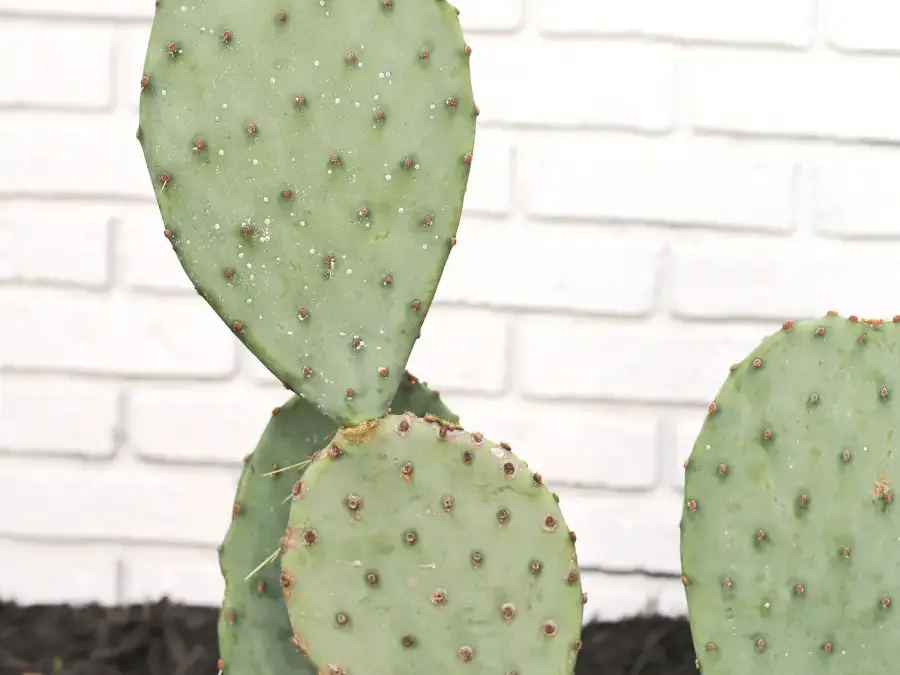
Planting outdoor cacti in Tennessee can bring a distinctive look to a garden, but choosing a variety suited to local winters is essential. A cactus growing in a neighbor’s yard through cold weather may spark curiosity, yet not every cactus can tolerate the region’s changing seasons. Start by asking a knowledgeable local nursery which varieties are hardy in your area.
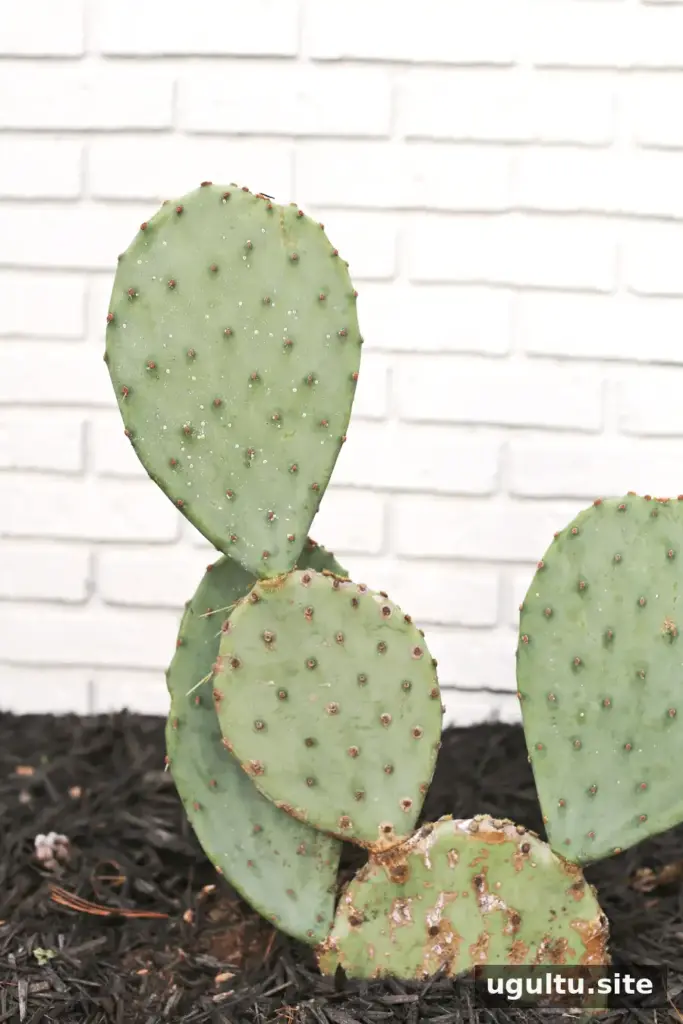
Choosing outdoor cacti in Tennessee
In this garden project, the variety selected was Texas prickly pear, described by the local nursery as a traditional-looking cactus that can grow outdoors in Tennessee. Check the plant label and confirm the identification and hardiness with a local expert before buying. Local conditions can vary, so advice for one part of the state may not apply equally everywhere.
Smaller plants may be easier to find than mature, large specimens. That means establishing a cactus garden is a gradual project: allow time for the plants to grow, and plan the layout with their eventual size in mind. If you are unsure how much space to leave, ask the nursery about the variety’s mature spread.
Preparing a garden bed and setting expectations
The planting area for this project was a backyard bed where existing bushes had already been removed. Starting with a smaller or less prominent part of the yard can make it easier to see how the plants settle in before deciding whether to add more. It also avoids making a new planting look out of scale while the cacti are still small.
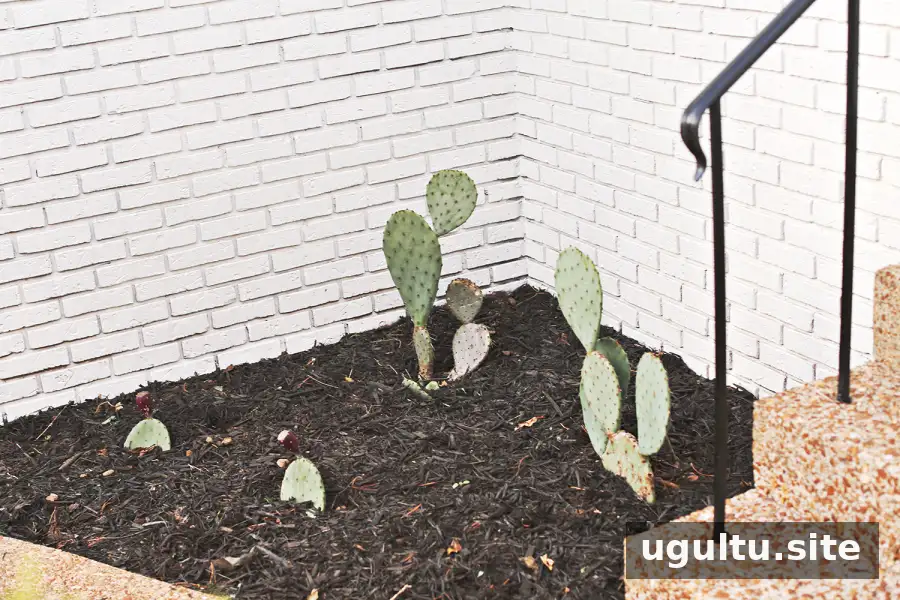
The bed may look sparse right after planting, so take a photo to use as a reference when checking growth in later seasons. Cacti generally grow during warmer periods and may show little growth in winter. Growth depends on the variety and conditions, including sunlight and moisture, so follow care guidance for the specific plant rather than relying on a fixed watering schedule.
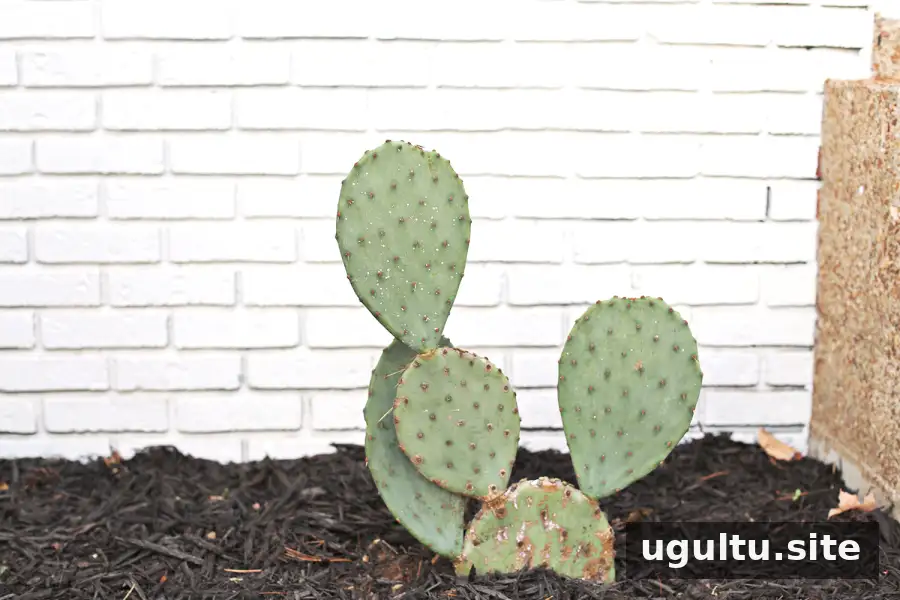
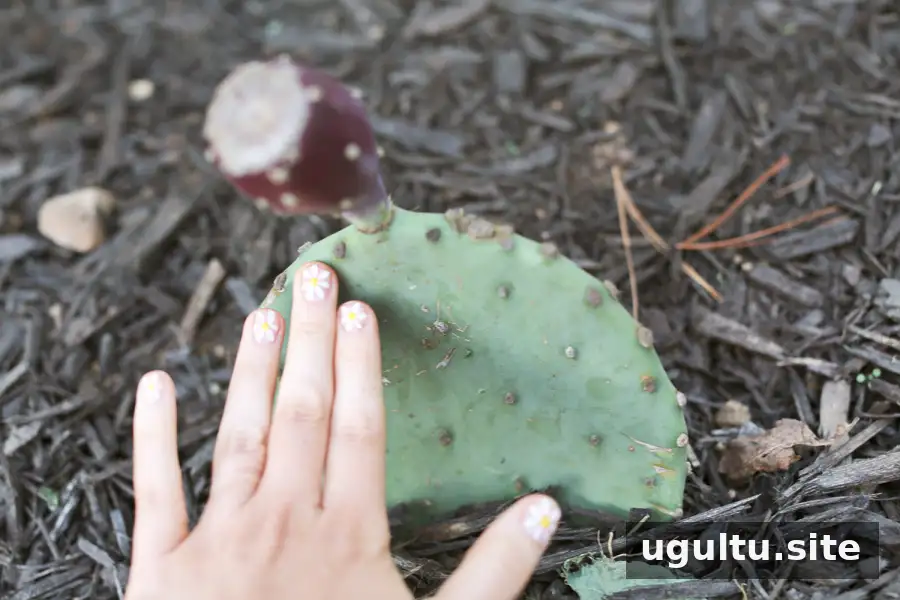
Young plants can appear quite small in a new bed. Give them room to develop, and avoid crowding them with other plants before you know how much space they will need. When handling prickly pear, use sturdy gloves and take care around the spines.
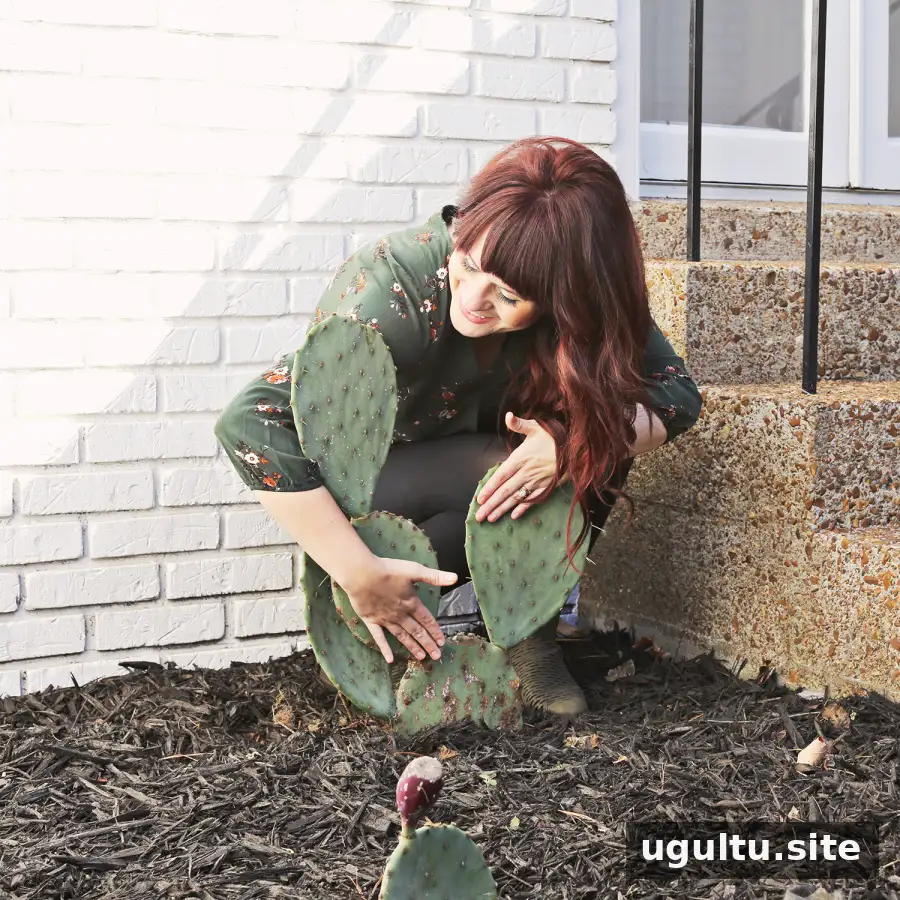
Practical tips for planting prickly pear
- Ask locally: Visit a nursery with staff familiar with your area and ask which cactus varieties can withstand local winter conditions.
- Check drainage: Cacti are generally better suited to soil that drains well than to ground that stays waterlogged. Ask how to improve the bed if water tends to collect there.
- Choose the location thoughtfully: Consider available sunlight and the plant’s mature size before deciding where to put it.
- Be patient: Small cacti can take years to create the fuller effect of a mature planting.
- Review care through the seasons: Follow variety-specific advice for watering and winter conditions, since needs can differ by species and site.
Conclusion: planting outdoor cacti in Tennessee
Planting outdoor cacti in Tennessee is most successful when the variety is confirmed as suitable for local conditions and the planting site has the right light and drainage. Start with a few small plants, allow for slow growth, and use guidance from a local nursery to care for them through warm and cold seasons.
Author: Elsie


