
 admin
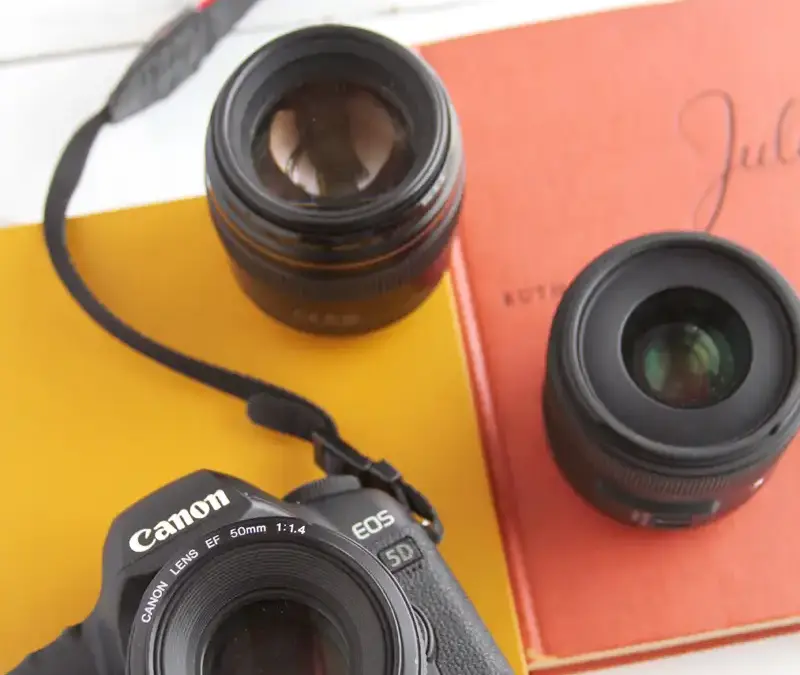
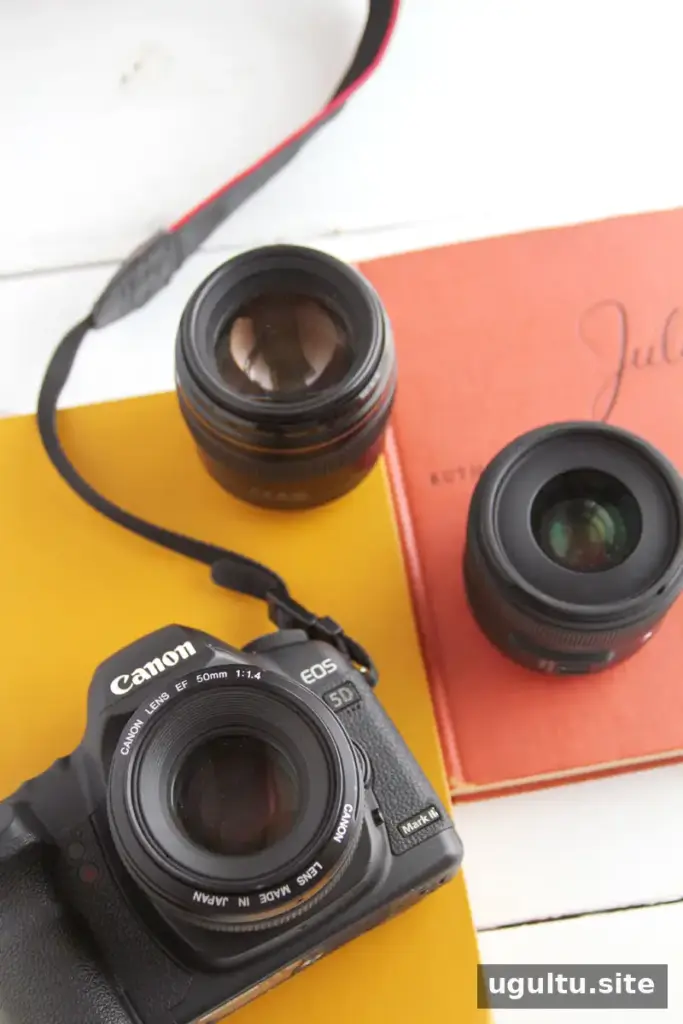
Choosing prime lenses can be an affordable way to expand your photography options and improve low-light performance. Because each prime lens has a fixed focal length, it cannot zoom; instead, you frame a shot by moving or choosing a different lens. Understanding focal length, camera sensor size, and the subjects you photograph can help you select a lens that fits your needs.
Prime lenses are available for many interchangeable-lens cameras, including entry-level DSLR models. Their fixed design can offer a wide maximum aperture at a lower price than some zoom lenses, although price and performance vary by model. Before buying, consider how you usually shoot and whether you have enough room to move around your subject.
What Are Prime Lenses?
A prime lens has one fixed focal length, such as 30mm, 50mm, or 85mm. Unlike a zoom lens, it cannot change its angle of view by zooming. Focal length is an optical measurement, expressed in millimeters, that helps determine how much of a scene appears in the frame. The camera’s sensor size also affects the view captured by a lens.
One advantage of many prime lenses is a wide maximum aperture. A lower f-number, such as f/1.4, allows more light to reach the sensor than a narrower aperture, which can be useful in dim conditions. A wide aperture can also create a shallower depth of field, making the subject sharp while parts of the background appear blurred. The final result depends on factors such as focus distance, subject distance, and framing.
Fast zoom lenses are available, but they may cost considerably more than a prime lens with a similar maximum aperture. In the examples discussed here, prime lenses range from $100 to $500 depending on glass quality, while some premium zoom lenses can cost well over $1,000. Compare prices and specifications for lenses compatible with your camera before deciding.
A fixed focal length does mean changing your position to adjust composition. Moving closer or farther away can also change the relationship between foreground and background, so it does not always produce the same perspective as switching to another focal length from one spot.
Depth of field describes the range that appears acceptably sharp in an image; areas outside it may look blurred.
Which Prime Lenses Are Used in These Examples?
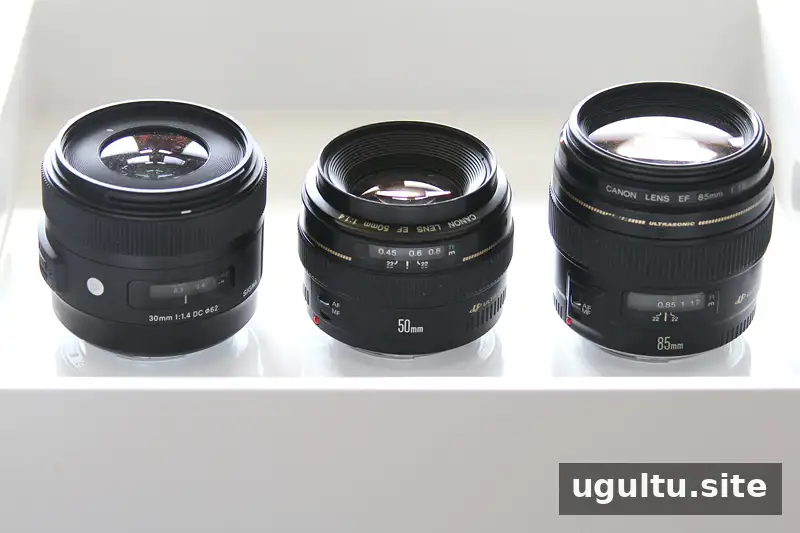
The examples in this guide use three lenses with different focal lengths and maximum apertures:
- Sigma 30mm f/1.4
- Canon 50mm f/1.4
- Canon 85mm f/1.8
These focal lengths offer different framing options. The 30mm captures a wider view, the 50mm provides a middle ground, and the 85mm frames a narrower portion of a scene. Results depend on whether the camera has a cropped or full-frame sensor.
Consider Your Camera’s Sensor Size
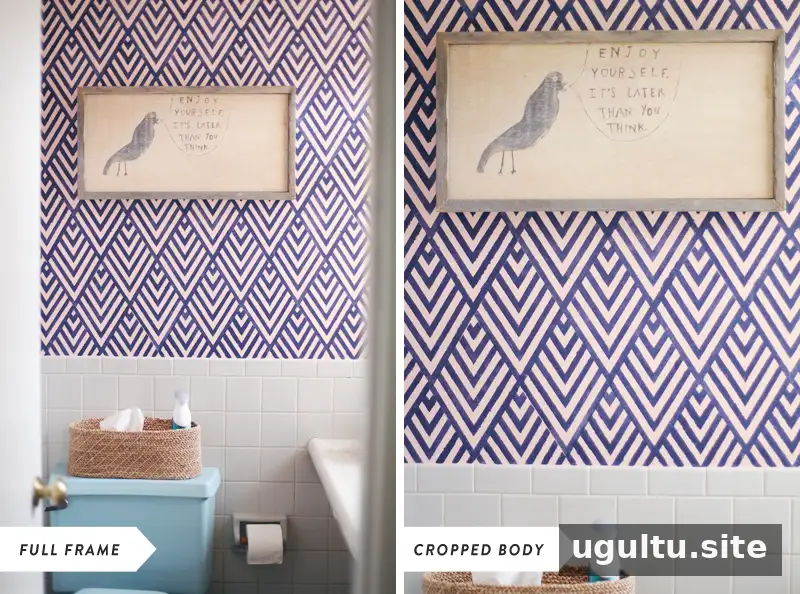
Sensor size is an important factor when selecting a lens. A cropped-sensor camera records a narrower angle of view than a full-frame camera using the same lens from the same position. As a result, a 50mm lens can appear more tightly framed on a cropped-body camera than it does on a full-frame model.
If you use a cropped-body DSLR and want a wider view, consider a shorter focal length, such as 28mm or 30mm, rather than starting with a 50mm lens. The right choice depends on your camera, the crop factor, and the subjects you photograph. Check your camera and lens specifications for compatibility, and if possible, compare sample images made with your sensor format.
Choose a Focal Length for Your Subject
Your typical subject matter can help narrow down the options. Think about how much background you want in the frame, how close you can get, and whether you have space to step back.
Food and Small Products
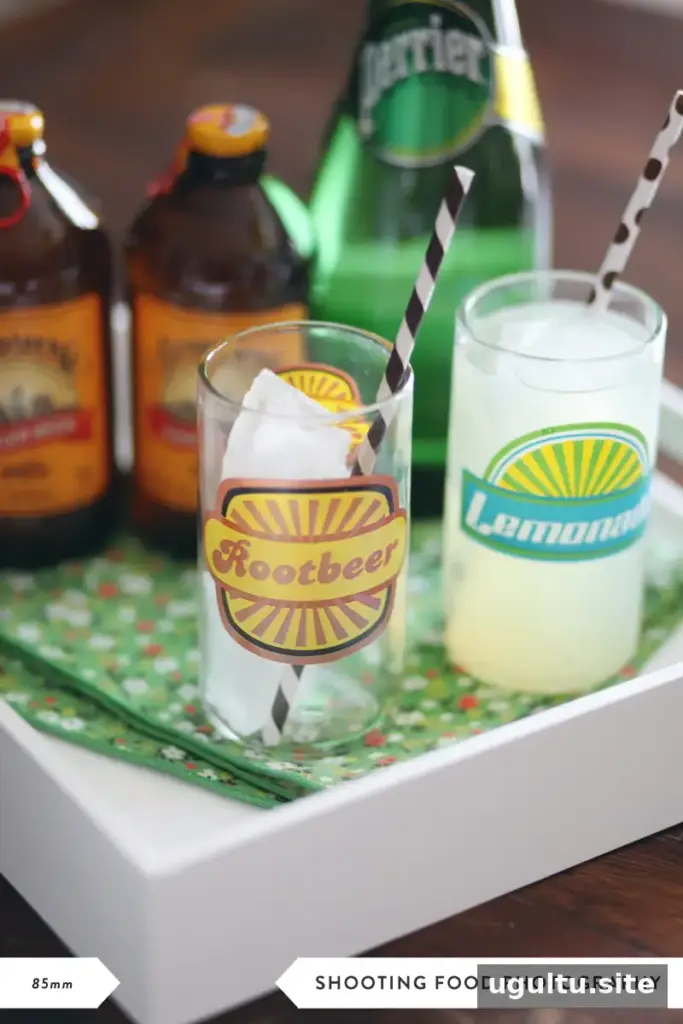
An 85mm lens can be useful for close detail shots of food or small products because it frames a narrower part of the scene and can keep more background out of the composition. A 30mm lens includes more of the surroundings, but when used very close to a subject, it can exaggerate the apparent size of nearby objects compared with the background. This effect is related to shooting distance and perspective. A 50mm lens offers a middle option.
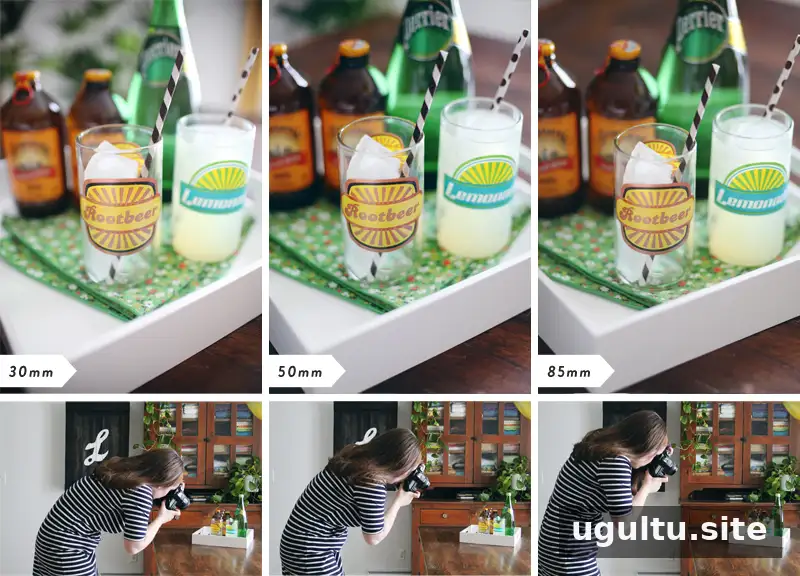
The comparison shows how framing changes across the three focal lengths. To keep the subject similarly sized in each image, the camera position needs to change. When a wide lens is used close to a subject, foreground features may look more prominent. Moving farther away can reduce this effect, but changes how much of the scene fits in the frame.
An 85mm lens can help isolate details, while a shorter focal length may be more practical when the subject is part of a larger scene. Leave enough working distance to focus comfortably and avoid blocking the available light.
Portraits
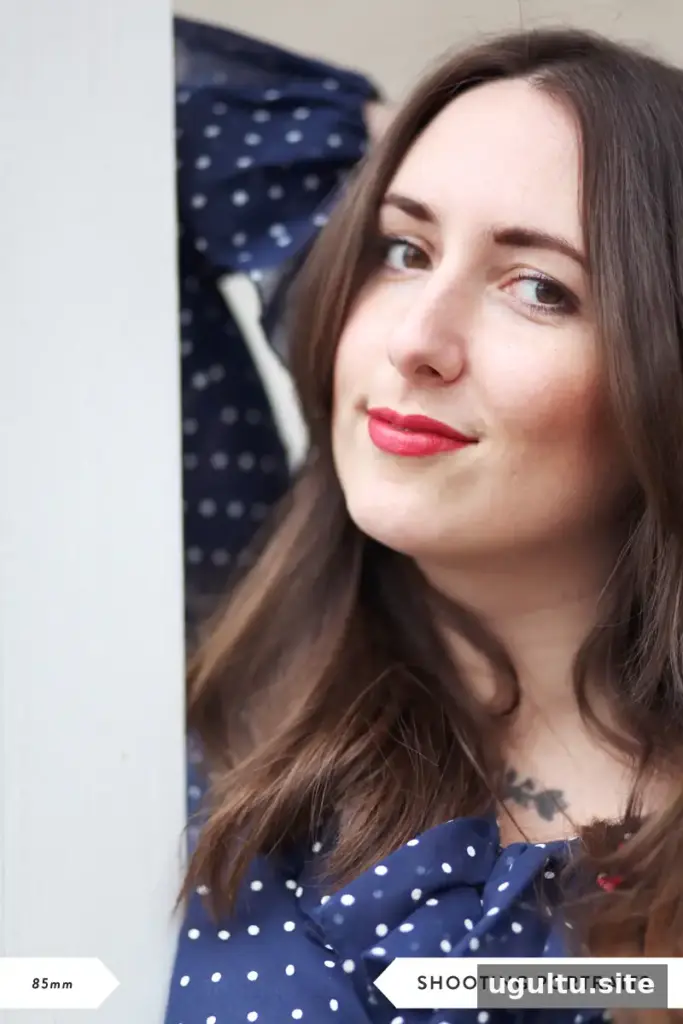
Focal length affects both the framing and the working distance for portraits. A 30mm lens includes more of the surroundings and can help when space is limited or a full-body portrait is needed. At close distances, however, facial features nearest the camera may look more prominent, so avoid placing the camera extremely close to the subject.
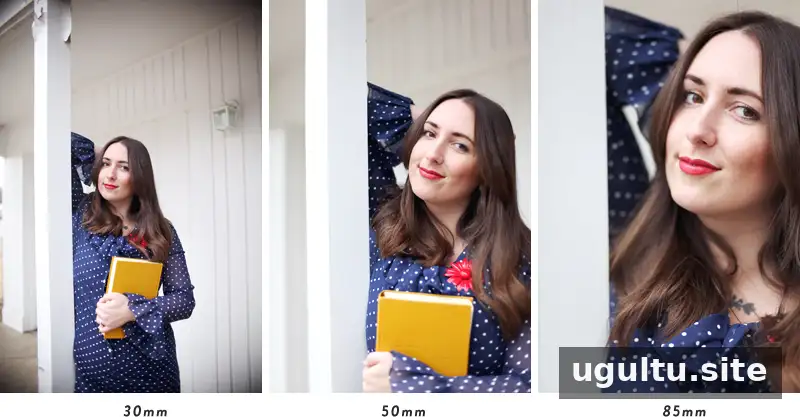
A 50mm lens can balance the subject and background, while an 85mm lens provides tighter framing and is often useful for head-and-shoulder portraits or candid photographs taken from farther away. For natural-looking portraits, pay attention to camera distance as well as focal length; moving back and using a longer lens can produce a different perspective from shooting close with a wide lens.
Vignetting is darkening near the corners of an image. It can be caused by lens design or shooting conditions and may sometimes be reduced with image-editing software. Check the edges of the frame, especially when using a wide lens or a large aperture.
Overhead Photography
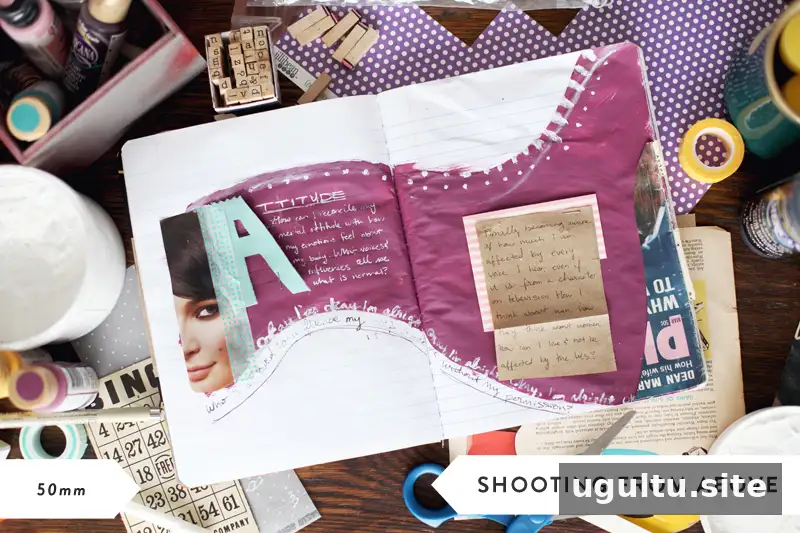
For overhead images of food, craft materials, or other arrangements, choose a focal length based on how much of the scene must fit in the frame and how high the camera can be positioned.
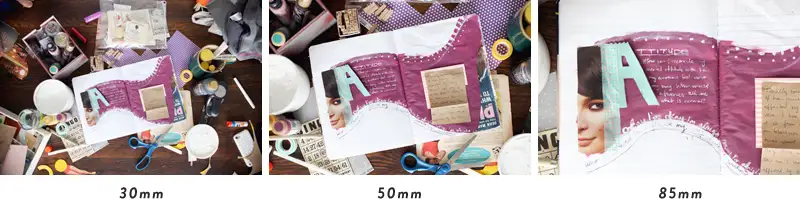
A 30mm lens can capture a broad arrangement when working space is limited, though the photographer or nearby objects may enter the frame. A 50mm lens provides a tighter view if there is room to raise the camera. An 85mm lens is less suited to large overhead arrangements because it includes less of the scene, but it can work well for a small subject or a close detail.
Lifestyle Photography
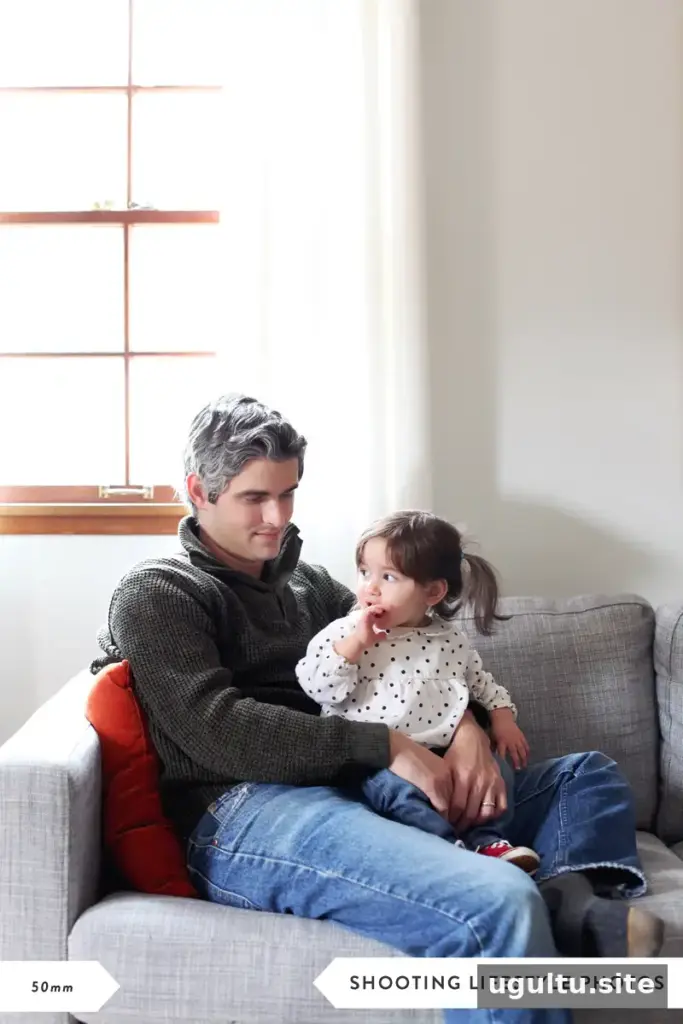
Lifestyle photography can include portraits, everyday activities, and environmental details, so the best lens depends on the setting and intended composition. In a tight indoor space, a 30mm lens can help include more of the surroundings. Outdoors, where there is room to move, a 50mm or 85mm lens may also be practical.
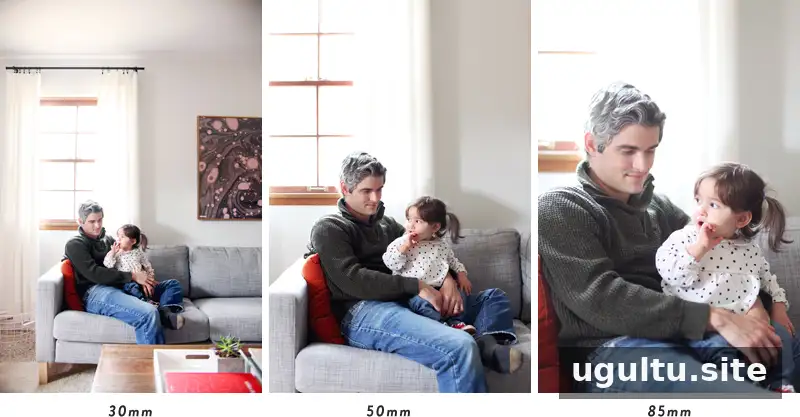
Use a wider focal length when the background is an important part of the story. Choose a longer focal length for a tighter, more focused composition, and use a 50mm lens as a flexible middle option. Before a shoot, consider the space available and how much background you want to show.
Interior Photography
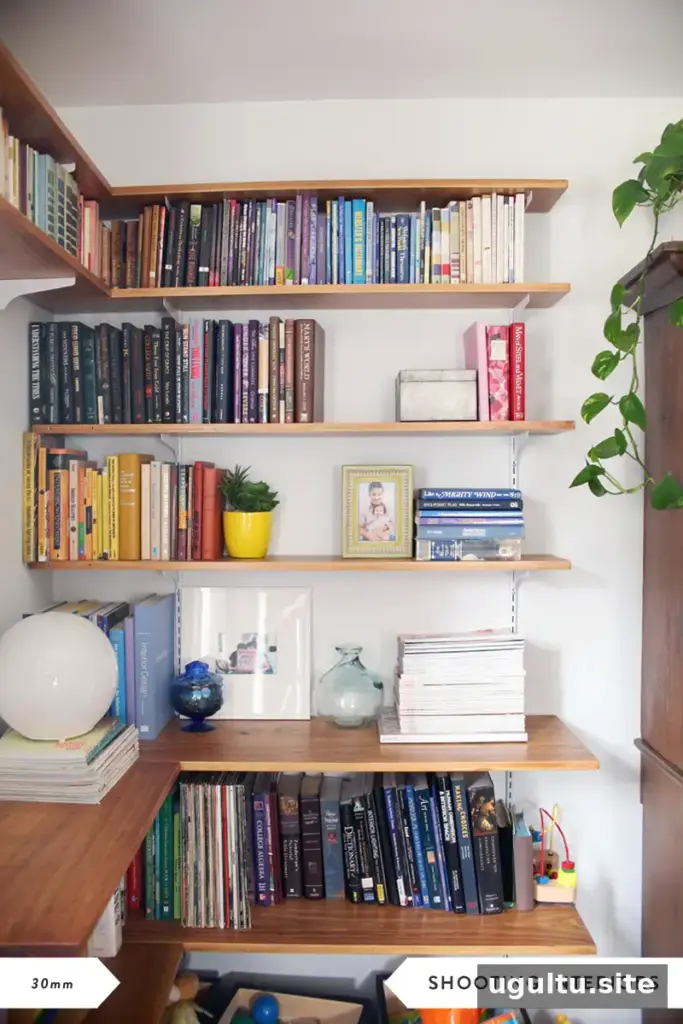
Photographing a room can be challenging because a camera captures a limited frame rather than the full experience of standing in the space. A wider lens can include more of the room, but objects near the edges may look stretched or distorted, particularly when the camera is tilted.
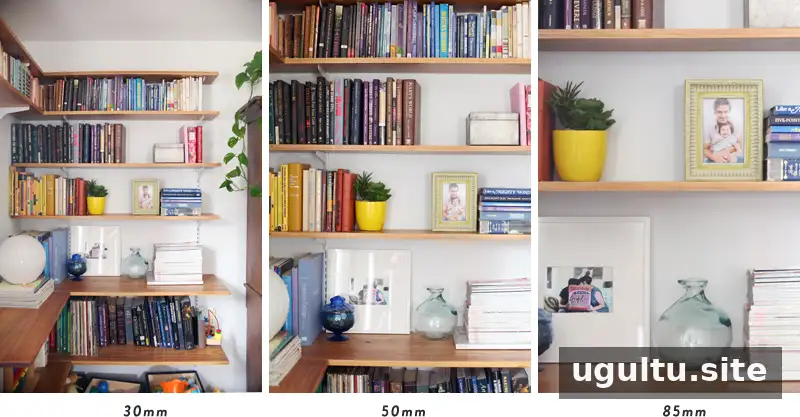
A 30mm lens can be helpful when there is little room to step back. A 50mm lens can produce a more natural, tighter view if the room offers enough working distance. An 85mm lens is generally better suited to a small interior detail or styled vignette than to showing an entire room. Keep the camera level when possible and check vertical lines along the frame edges.
Try a Lens Before You Buy
If you are undecided, borrowing or renting a lens can help you understand its framing and handling before making a purchase. Test it with the subjects you photograph most, and pay attention to working distance, low-light performance, and how much of the background appears in the image.
The photographer featured in these examples most often uses a 50mm lens. On a cropped-body camera, a Canon 28mm f/1.8 served as a frequently used option; the Sigma 30mm f/1.4 is a comparable alternative mentioned here. Compatibility and framing can vary by camera, so verify the specifications for your particular setup.
Conclusion: Choosing Prime Lenses
Prime lenses can offer a useful combination of fixed focal length, wide-aperture options, and straightforward composition. Start by checking your camera’s sensor size, then match the focal length to your usual subjects: a wider lens for more of the scene, a 50mm for flexible framing, or an 85mm for tighter portraits and details. Comparing or borrowing lenses before buying is a practical way to find the right fit for your photography.
— Mandi


