
 admin
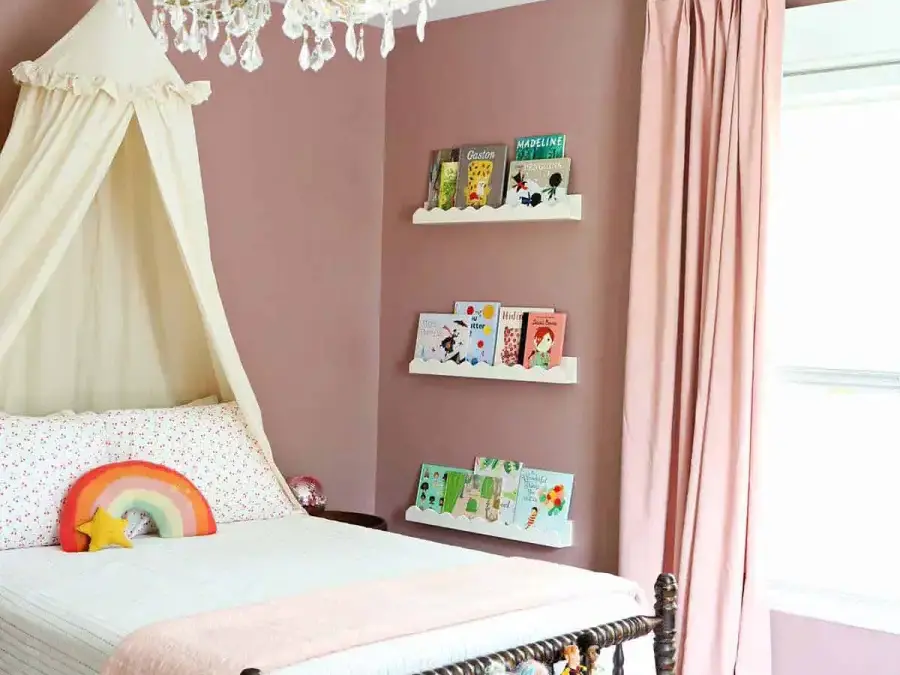
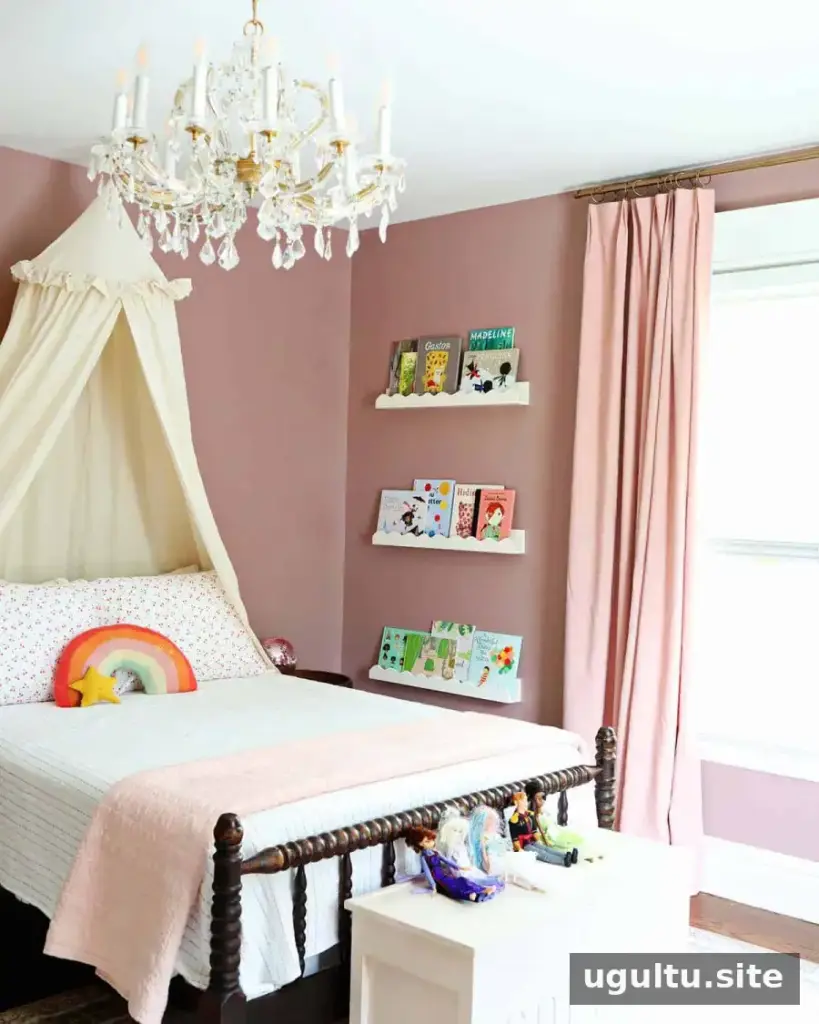
A thoughtfully designed princess bedroom can feel magical while still leaving room for a child’s interests to change over time. This room combines rosy walls, antique-inspired furniture, playful toys and personal artwork. The key is balancing a few whimsical details with flexible pieces that can be updated as a child grows.
Creating a princess bedroom with lasting style
The walls were painted Sulking Room Pink before the family moved in. The shade can look deep or almost brown in certain lighting, but curtains and lighter decorative details help balance its richness. When choosing paint, test a sample on more than one wall and observe it at different times of day; natural and artificial light can change how a color appears.
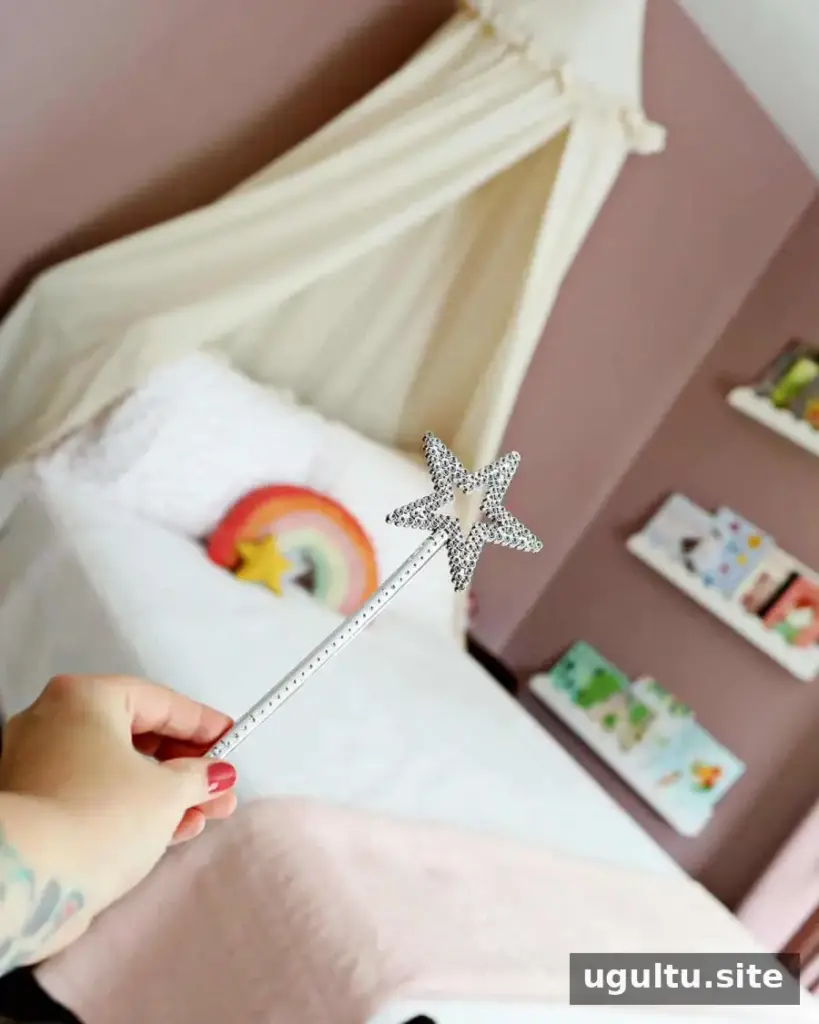
An antique bed found through a local resale listing became the room’s centerpiece. A canopy adds a storybook feel, while a mattress in Cinnamon was selected for the bed. When furnishing a child’s room, check that the bed and canopy are securely installed and suited to the child’s age.
Pleated curtains contribute a classic look. Ordering fabric swatches before choosing a color makes it easier to compare the material with the wall paint and other textiles. This is especially useful when coordinating several shades of pink.
Display children’s art and favorite finds
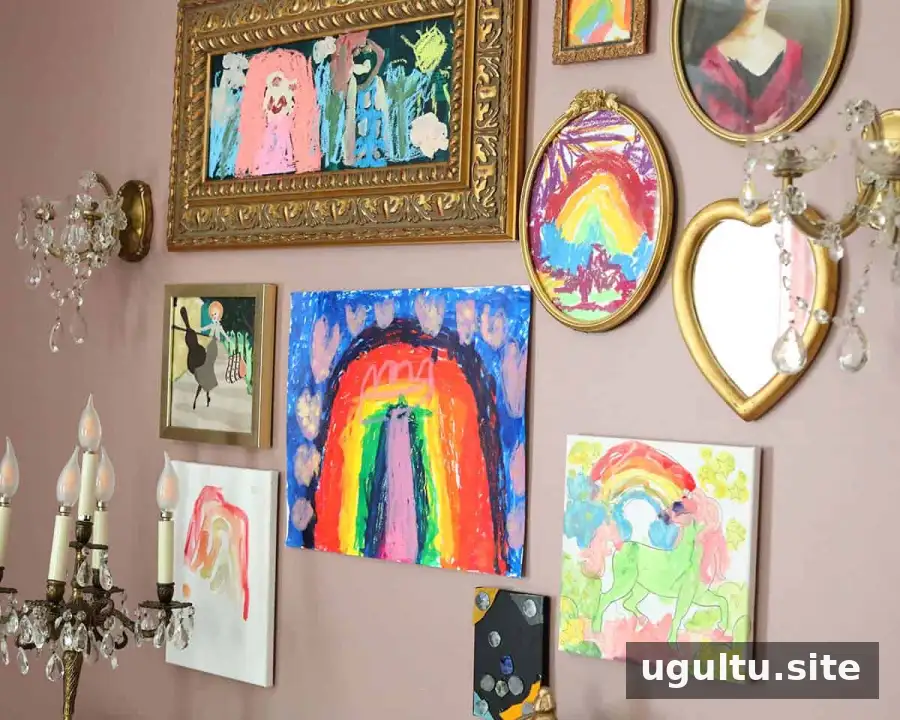
A small art gallery gives a young artist a place to see her work every day. Most of the pieces shown are the child’s own creations, alongside prints by Julie Andrews and Janet Hill. A gallery wall can change easily: use frames that open simply, then rotate drawings and prints as new favorites appear.
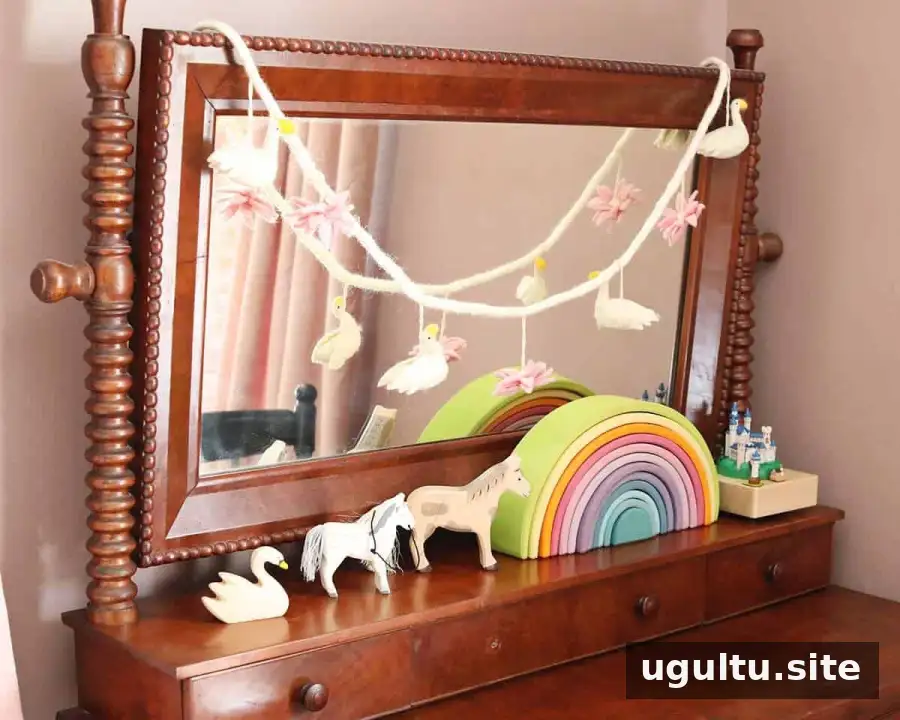
An antique vanity provides storage and a dedicated spot for pretend play. The family uses it to keep collected play makeup. For children’s rooms, keep small accessories organized in containers and choose age-appropriate items for the child using them.
Wooden toys for imaginative play
- Wood Stacked Rainbow
- Wood Animal Set
- Wood Play Camera
- Castle Music Box
- Wood Name Puzzle
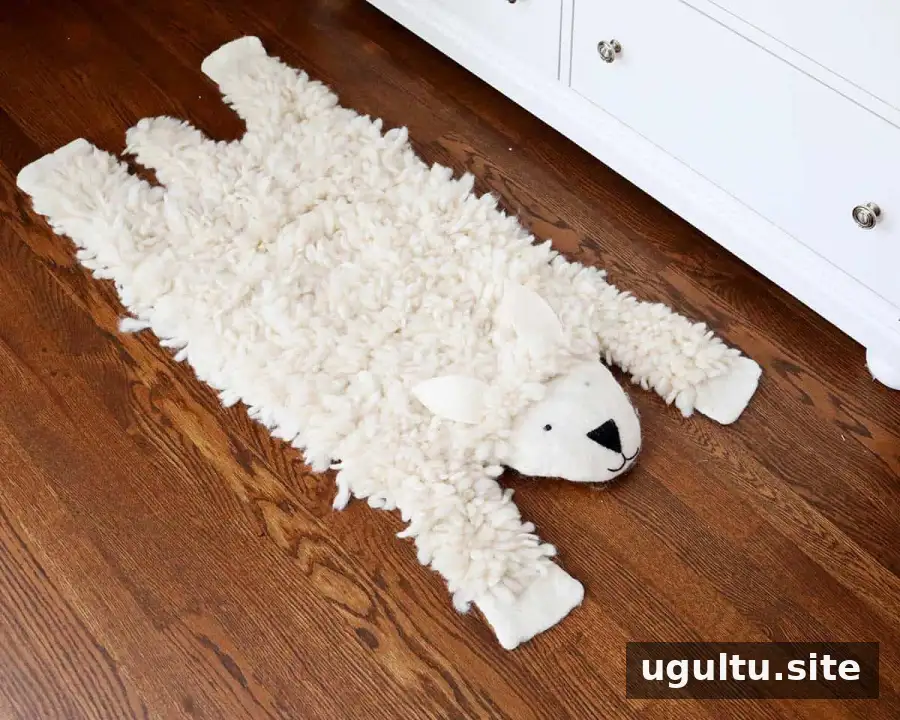
A bear-shaped rug was an early addition to the room, bringing a soft, cozy accent to the floor. Before placing any rug in a child’s bedroom, make sure it sits flat and does not create a tripping hazard.
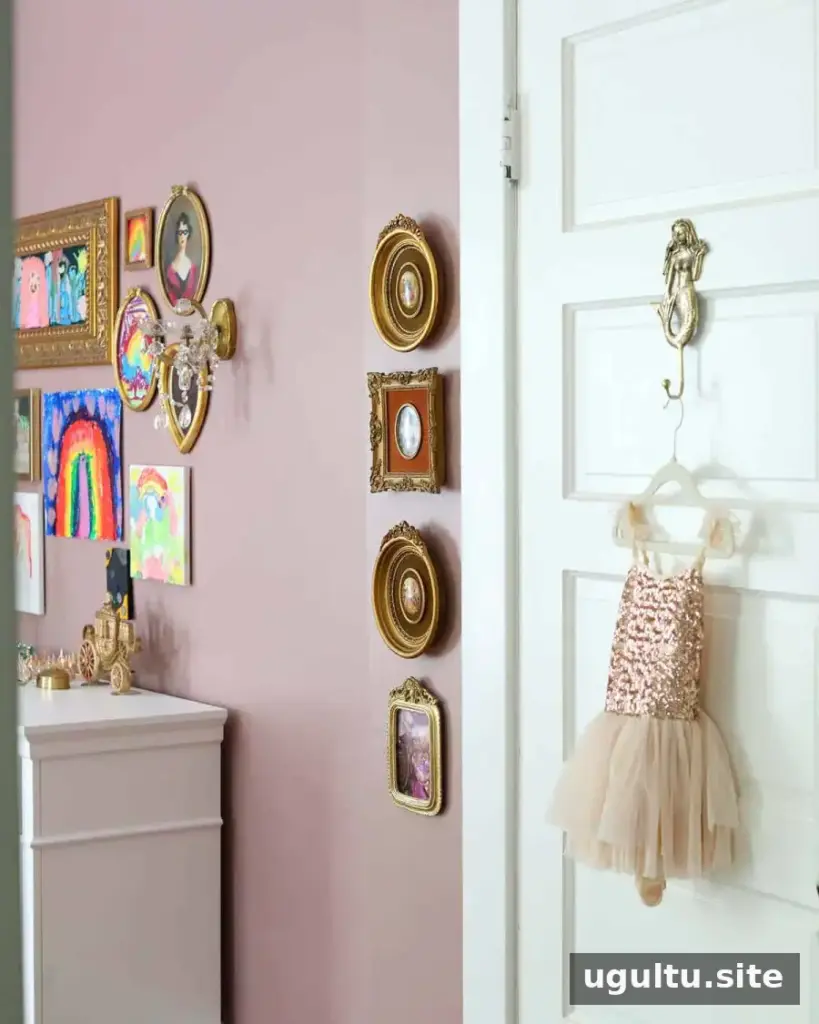
A row of flea-market art is displayed with a family photo. Mixing antique gold frames with newer ornate frames gives a collected look without requiring every piece to match. Keeping frame finishes related can help a varied gallery feel cohesive.
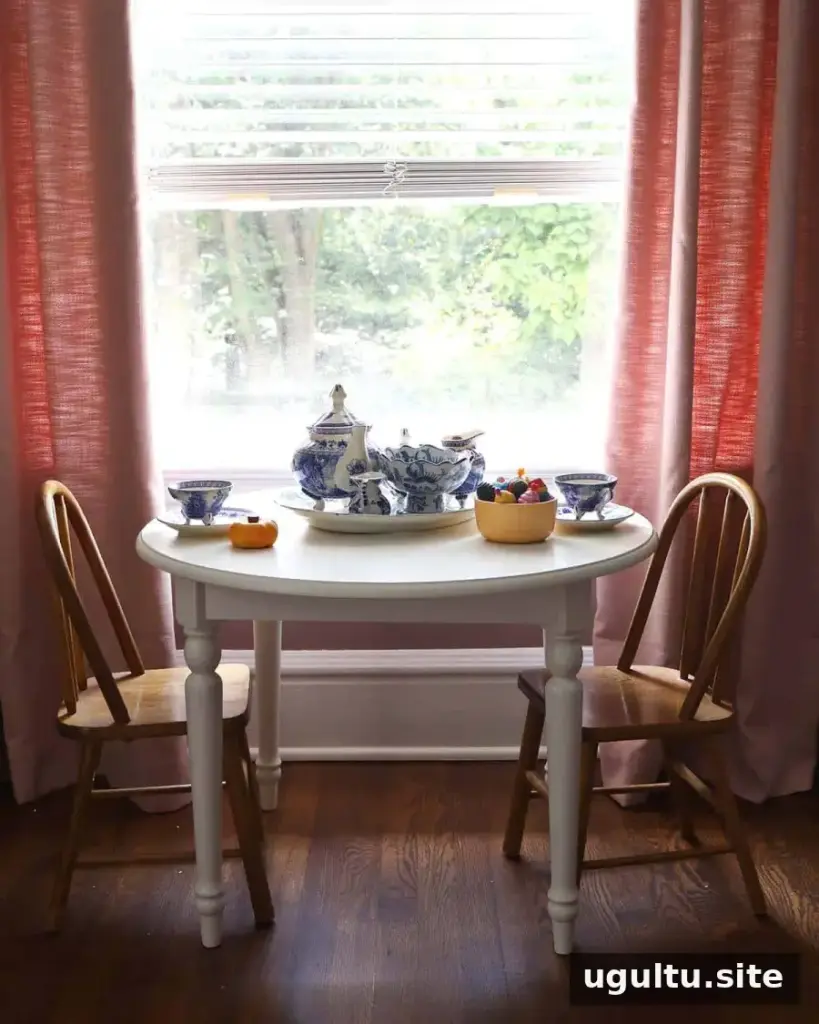
A tea-party corner with vintage character
A collection of blue china creates a mix-and-match tea set for pretend play. The white table is new, while the remaining pieces were found at flea markets. A small tabletop gives children room to arrange cups and plates themselves; choose sturdy pieces and supervise play when using fragile china.
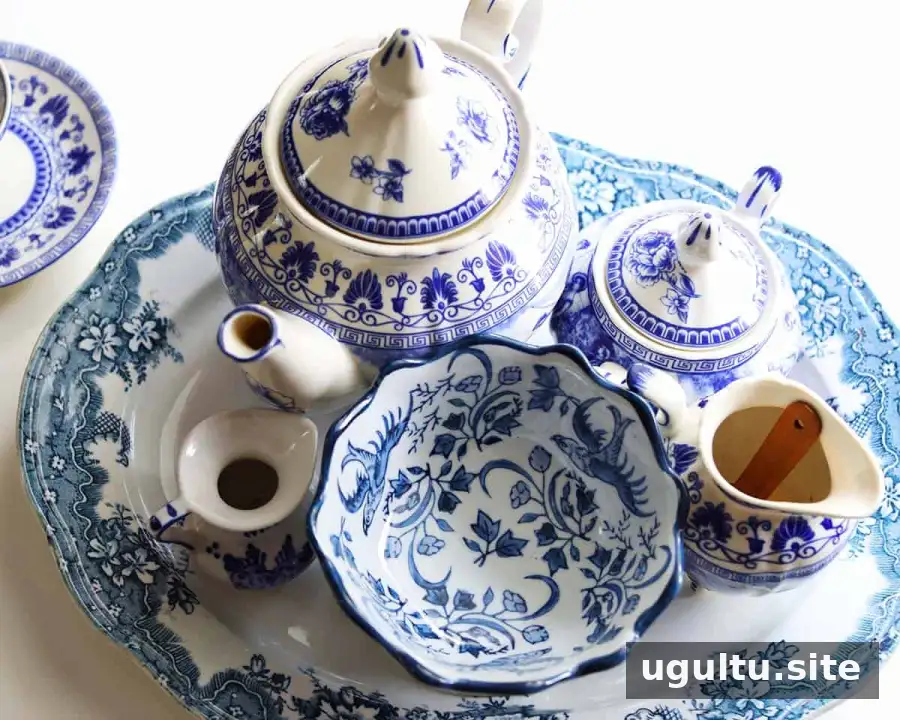
The carefully arranged cups and plates make the tea-party setup feel ready for pretend tea and cakes. Letting children rearrange a play area can make it more personal and encourage imaginative play.
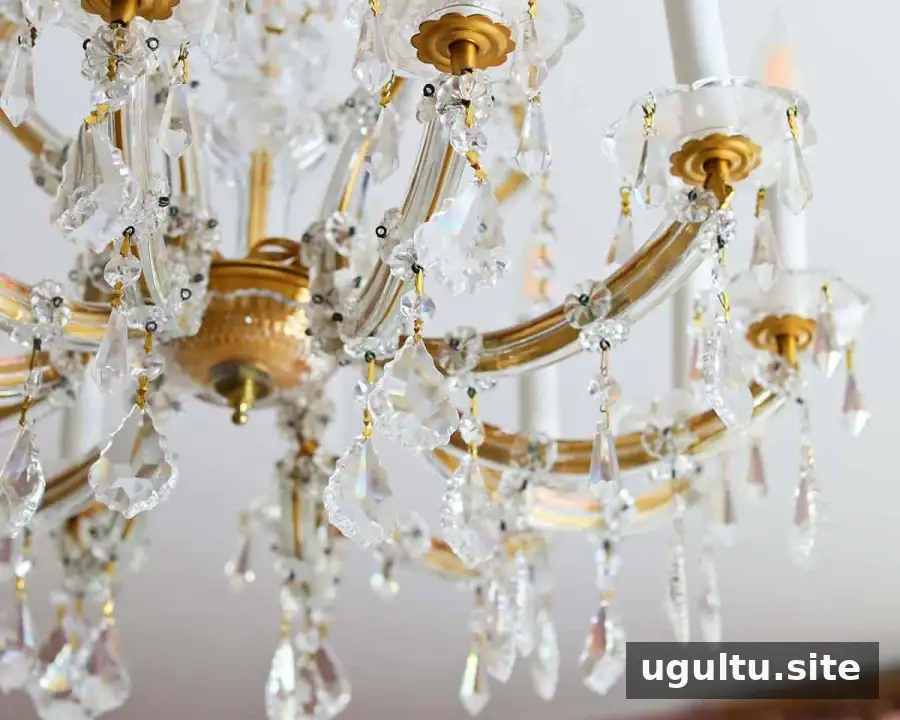
Vintage and antique-inspired light fixtures add character throughout the room. The chandelier and the matching sconces beside the art gallery bring a consistent historic detail to the space. For any overhead fixture or wall light in a child’s room, ensure installation is completed securely and that cords and bulbs are out of reach.
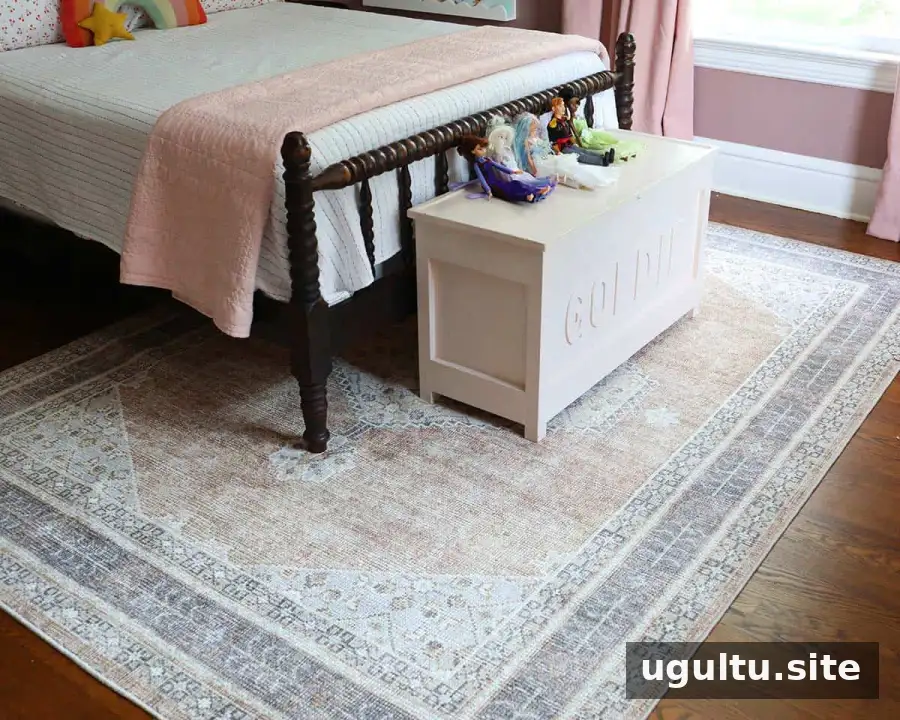
The Lila area rug helps define the floor space, and a DIY toy box provides a place to put toys away. Choose storage that is easy for a child to use, and keep frequently played-with items within reach.
Make space for your child’s personality
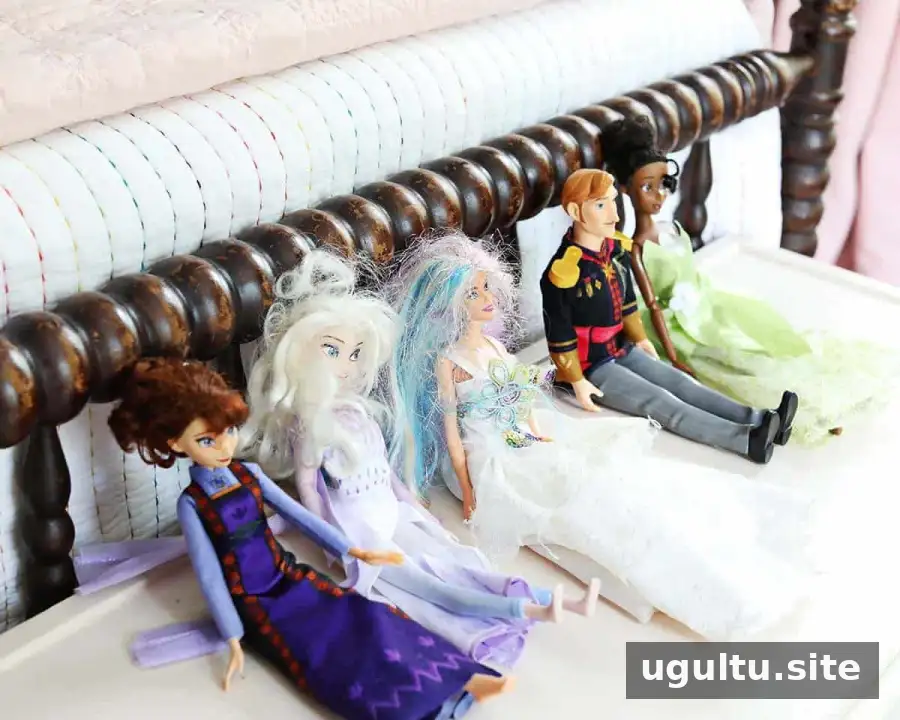
After returning from a sleepover, the child rearranged the room and added her dolls to the display. That small change reflects a useful decorating principle: children can help organize and personalize their own spaces, even when adults make most of the larger design choices. Leave a shelf, tabletop or section of the gallery wall available for their changing interests.

The room can continue to evolve with new mermaid and princess-themed treasures. Rotating small accessories is an easy way to refresh the look without replacing larger furniture or repainting the walls.
Conclusion
This princess bedroom combines a rich pink backdrop, vintage details, child-created artwork and inviting play areas. A few practical choices—such as swatching curtain fabrics, keeping storage accessible and leaving room for personal touches—help make a themed room both charming and adaptable as a child grows.


