
 admin
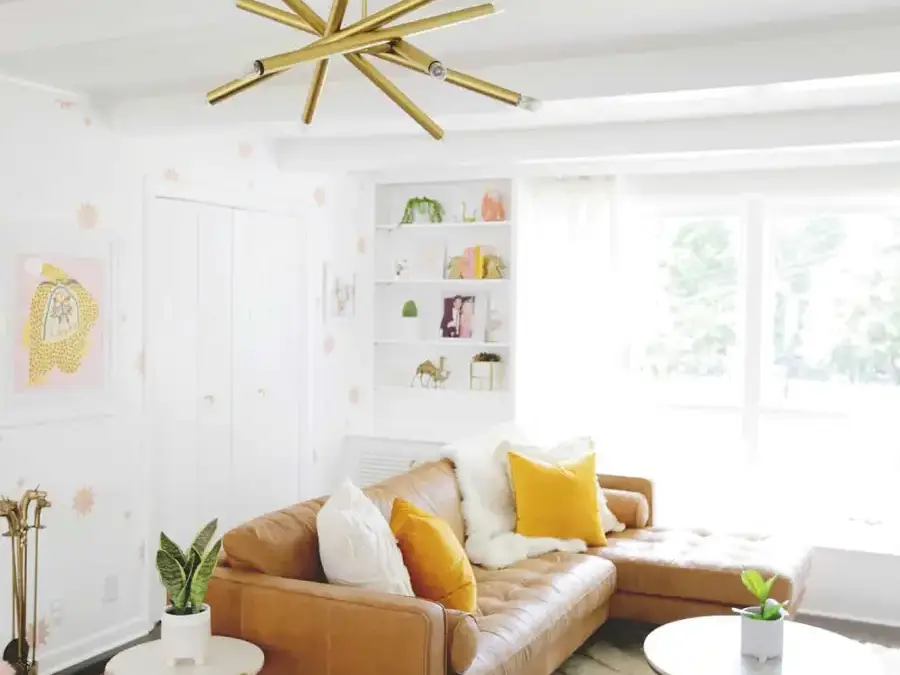
A sectional sofa can add generous seating, create a comfortable place to stretch out, and help define an open-plan living area. The best choice depends on your room’s dimensions, how you use the space, and whether you need a fixed or flexible layout. Before you buy, consider the shape, fabric, delivery route, and furniture that will sit nearby.
Is a Sectional Sofa Right for Your Home?
Compared with a standard sofa, a sectional combines multiple seating sections into one larger arrangement. It can be especially useful for households that often sit together, host guests, or want a built-in lounging spot.
- More seating: An additional section can accommodate more people during everyday use or gatherings.
- Useful room zoning: An L-shaped or curved design can fill an open area or help separate a living space from another part of the room.
- Room to lounge: A chaise or extended seat gives someone space to put their feet up without needing a separate ottoman.
- Guest flexibility: Some sectionals include a sleeper bed, which can provide an occasional place for visitors to sleep.
A sectional is not automatically the best option for every room. Compare its full footprint with a regular sofa and separate chair, especially if you need to keep pathways open or frequently rearrange furniture.
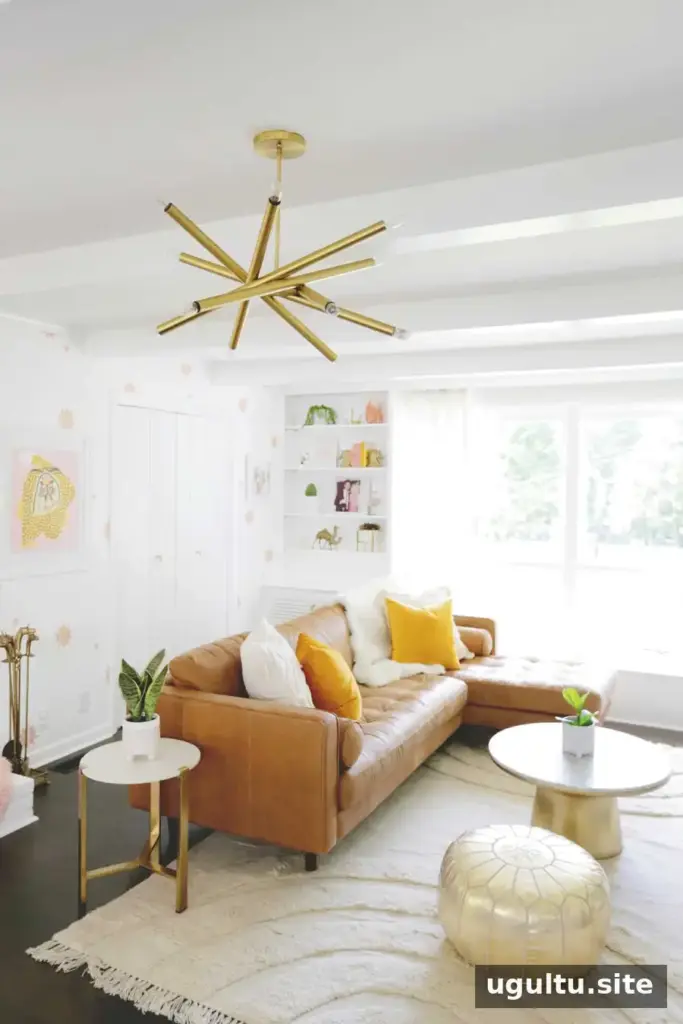
How to Measure for a Sectional Sofa
Measure the full width and depth of the sectional, including any chaise or curved sections. Then mark that footprint on the floor with painter’s tape. This simple layout test makes it easier to see how much room remains for a coffee table, side tables, accent chairs, and clear walking paths.
Also check the height of the piece. A tall back may feel visually heavy among low-profile furniture, while a lower design can be more suitable near a window where you want to preserve light and sightlines.
- Check whether the sectional will block a window, doorway, vent, or frequently used route through the room.
- If you may change your layout later, consider a reversible or modular configuration.
- Before ordering, confirm the dimensions of each separate section and how the pieces connect.
Delivery tip: Measure doorways, hallways, stairwells, and turns between the entrance and the room. A sectional may fit the living room but still be difficult to carry through the home if its components are too large.
Choosing a Coffee Table for a Sectional
A round coffee table often pairs well with a sectional because it is easy to reach from different seats and has no sharp corners to navigate around. For a right-angled L-shaped design, a square or rectangular table may fit the layout more naturally.
Use the taped floor plan to check the table’s position before buying. Leave enough room for people to sit down, stand up, and walk around without bumping into the table or blocking the route through the room.
Can You Customize a Sectional?
Modular sectionals are made from separate units that can be combined into different arrangements. Depending on the design, this can help you adapt the seating to an unusual room, make a larger or smaller setup, or rearrange the pieces later.
Some furniture makers also offer configurable sizes, fabrics, or layouts. Compare the available combinations with your measurements, and check whether the pieces can be rearranged after assembly. A modular design is most useful when its sections suit both your current room and the ways you may use the space in the future.
Types of Sectional Sofas
L-Shaped Sectional
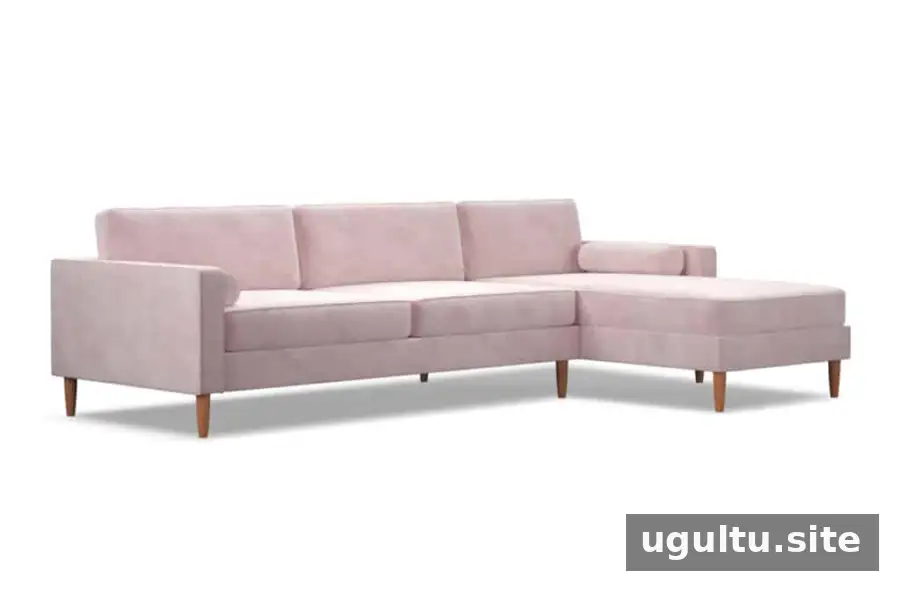
Apt2B Sampson L-Shaped Sectional
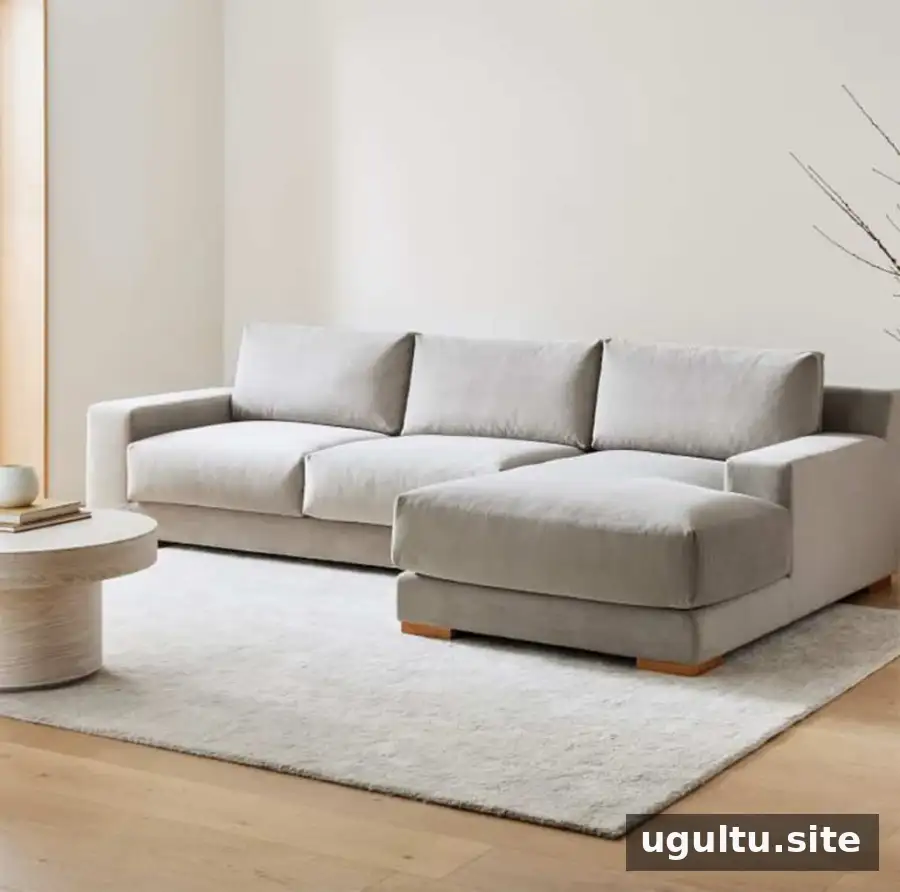
West Elm Dalton L-Shaped Sectional
An L-shaped sectional has a chaise or extended seat projecting from the main sofa. It provides a place to recline while taking up less room than many larger configurations. It can work well when you want extra seating and lounging space but have a compact living area.
U-Shaped Sectional
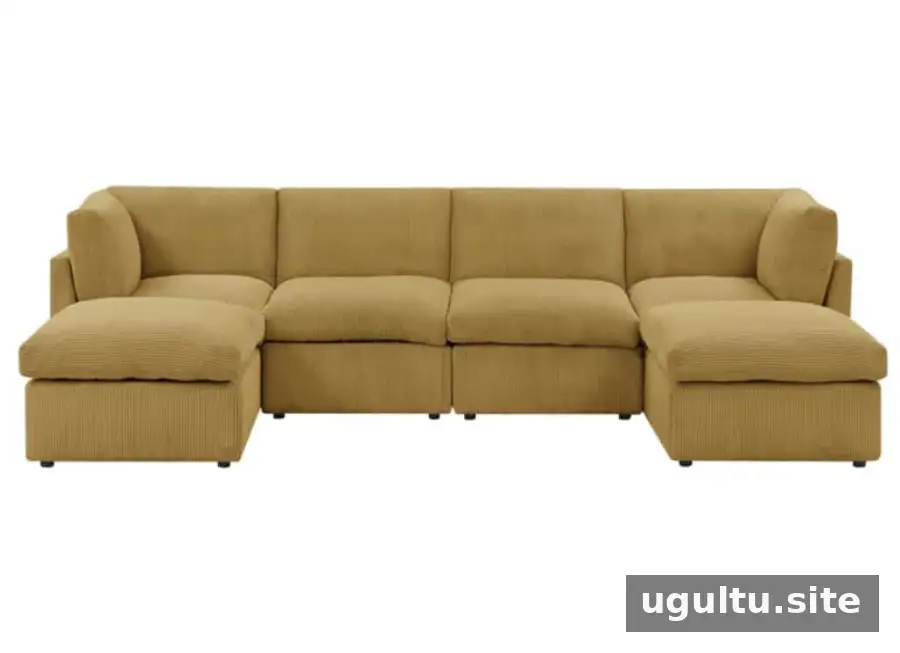
Twanisha Upholstered U-Shaped Sectional
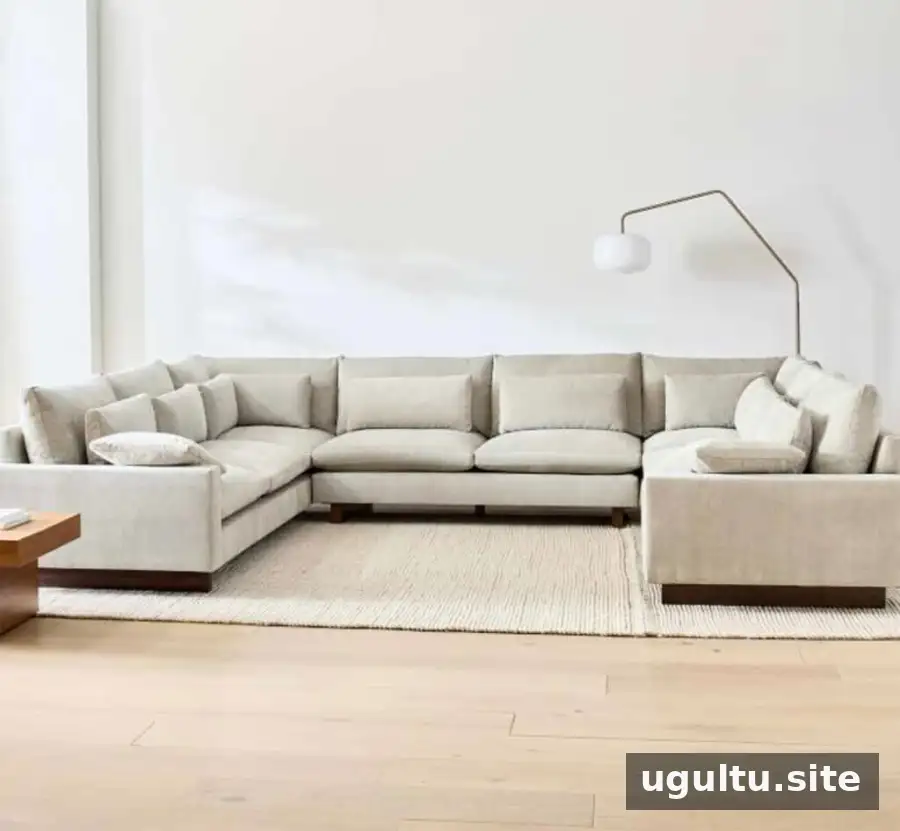
West Elm Harmony U-Shaped Sectional
A U-shaped sectional has seating sections extending from both sides of the central sofa. Its shape creates a shared gathering area and can seat a larger group, but it usually needs a more spacious room. Check that the arrangement does not make walkways feel cramped.
Corner Sectional
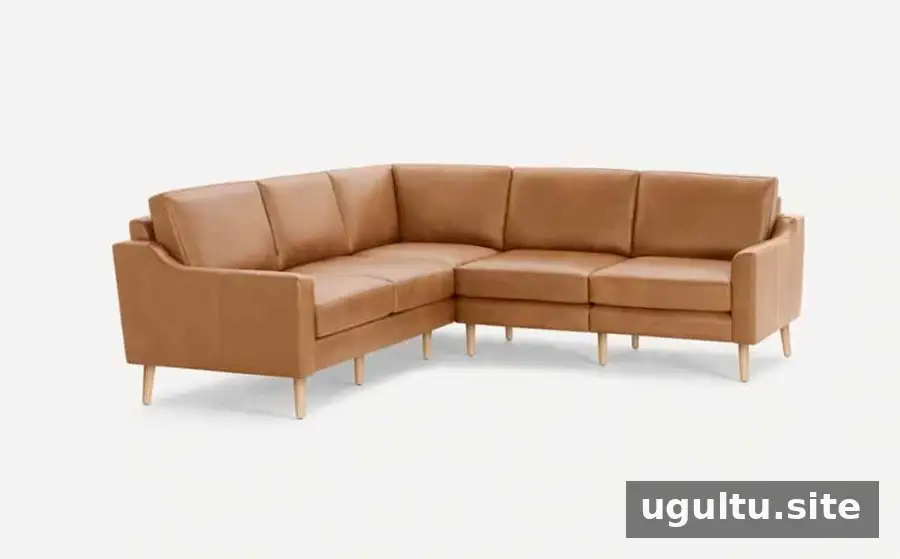
Burrow Slope Nomad Leather Corner Sectional
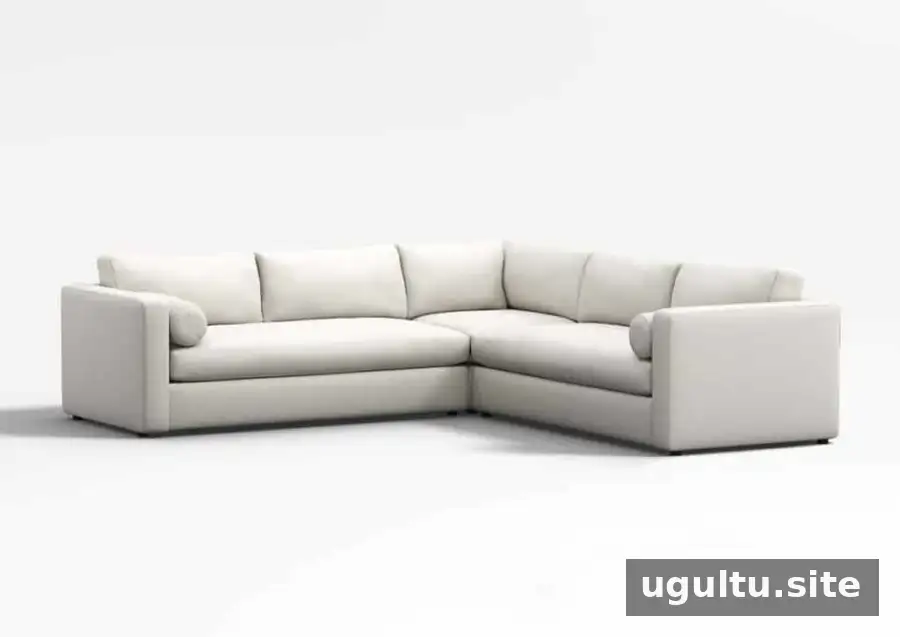
Crate and Barrel Aris Corner Sectional
A corner sectional forms a right angle with two backed seating sections. Unlike some chaise layouts, both sides can provide a backrest, making the corner useful for sitting as well as lounging. Review the arm and back placement to ensure the configuration faces the parts of the room you want to use.
Curved Sectional
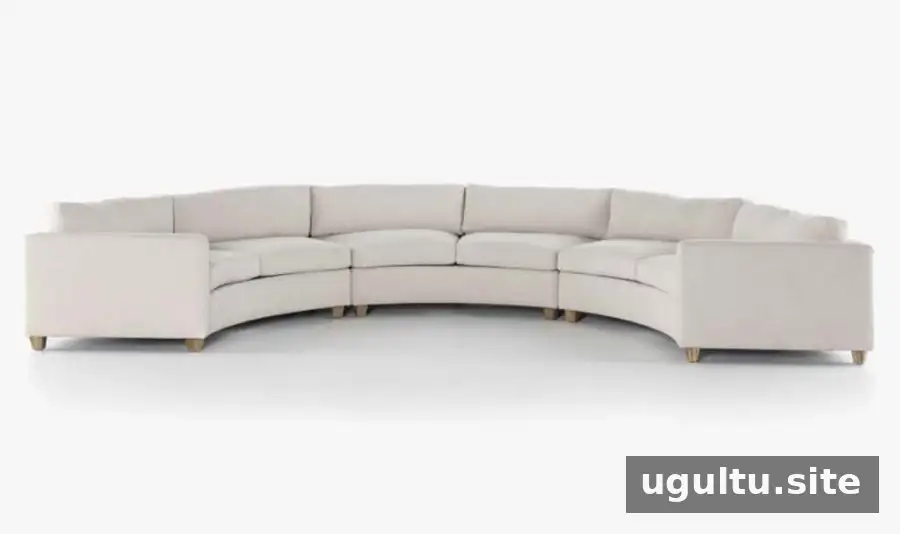
Pottery Barn Redondo Curved Sectional Sofa
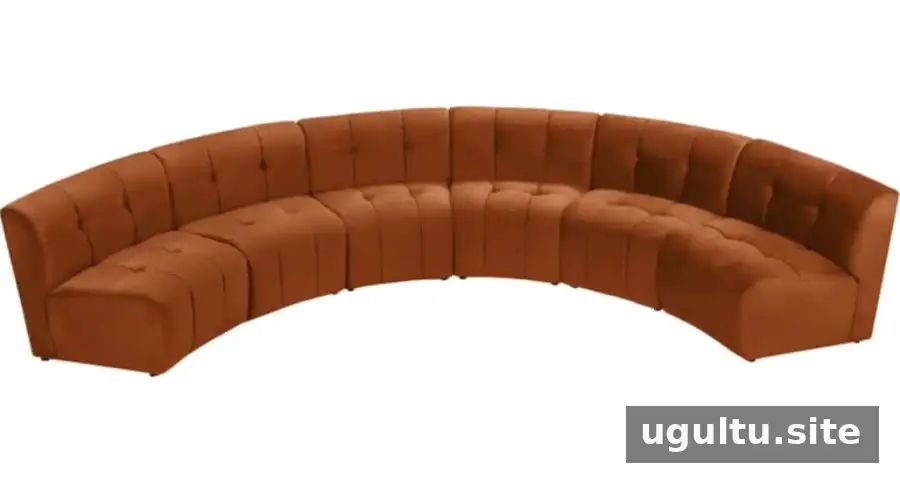
Jedson Curved Sectional Sofa
A curved sectional can create a conversational seating area where people face toward one another. It generally needs enough open floor space for its rounded outline to remain visible and comfortable to move around. A round or curved coffee table can complement the shape.
Modular Sectional
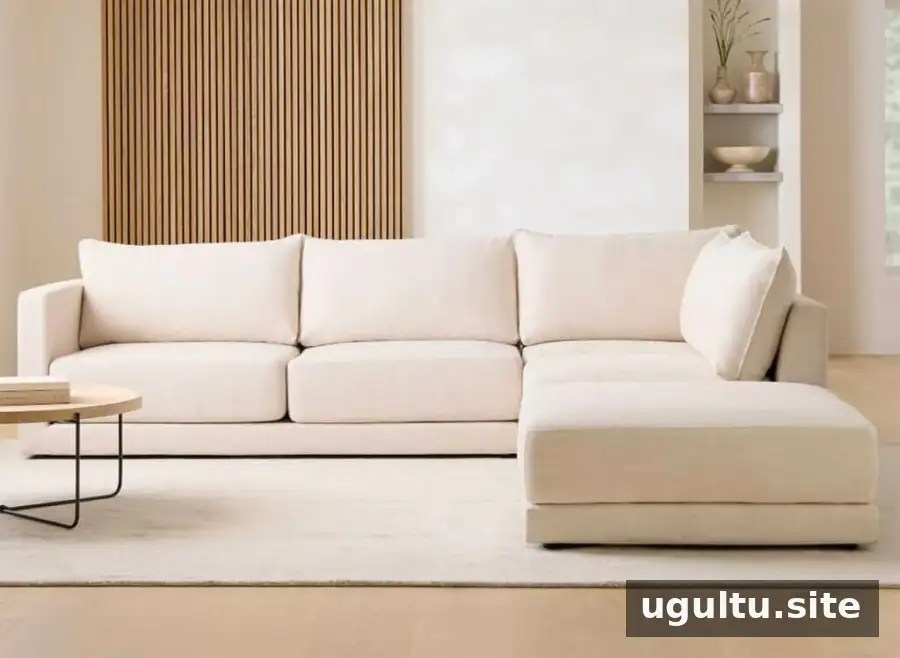
West Elm Melborne Modular Sectional
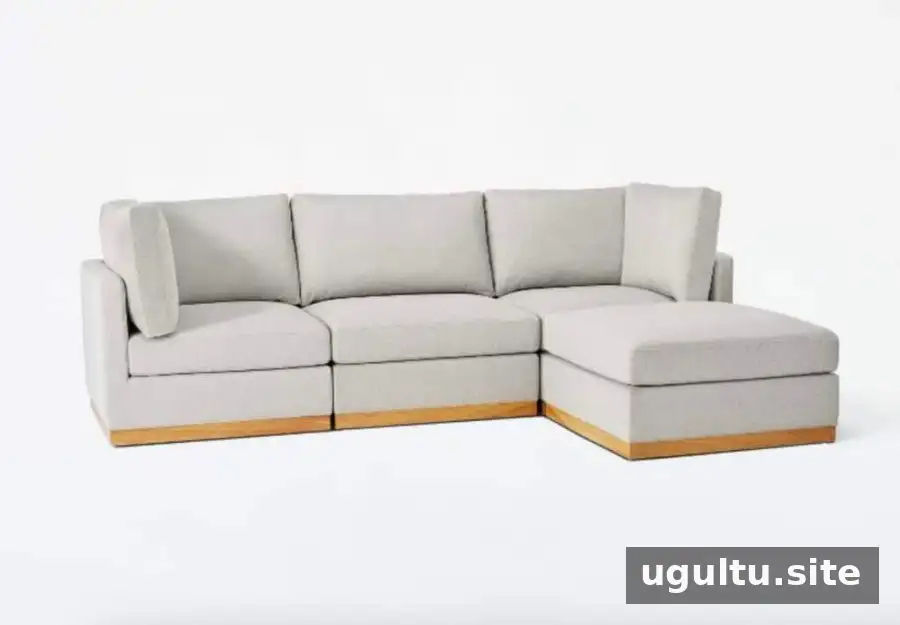
Studio McGee for Target Modular Sectional
Modular sectionals are assembled from separate pieces, giving you more options for building a layout that suits your room. Depending on the design, an individual section may also be used separately. Check how the pieces attach and whether the configuration you want is included in the available set.
Sleeper Sectional
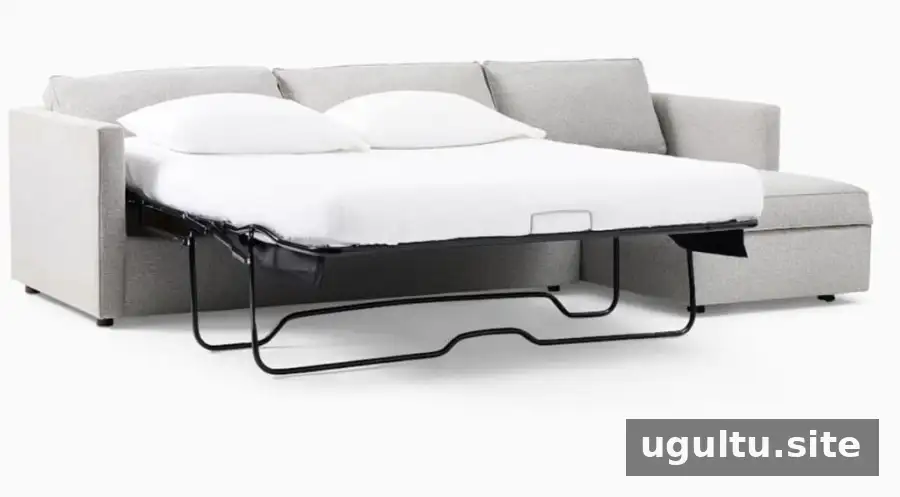
West Elm Harris Sleeper Sofa with Storage Chaise
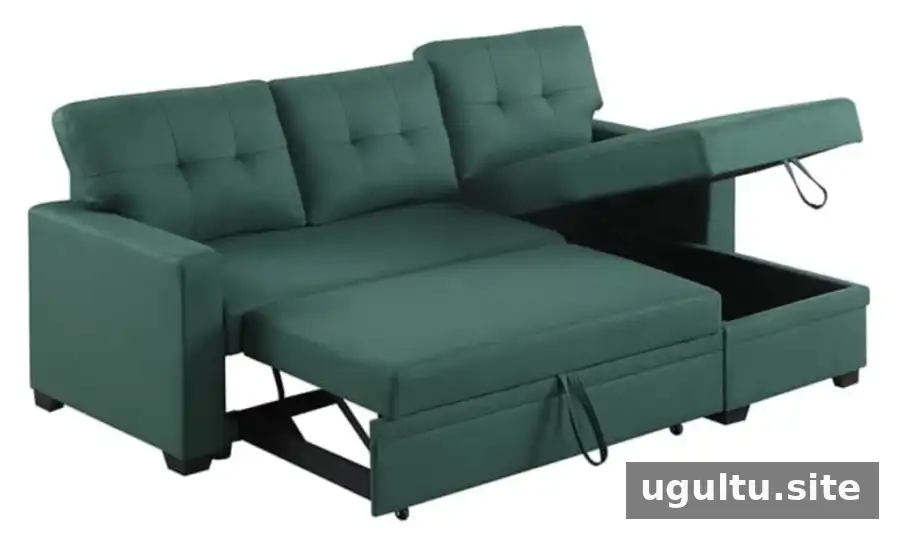
Devion Sleeper Sofa with Storage Chaise
A sleeper sectional can provide an extra bed for visitors while serving as everyday seating when it is not in use. Before choosing one, check the space needed to open the bed and whether nearby furniture will need to be moved. If the design includes storage, consider what you plan to keep there.
Reversible Sectional
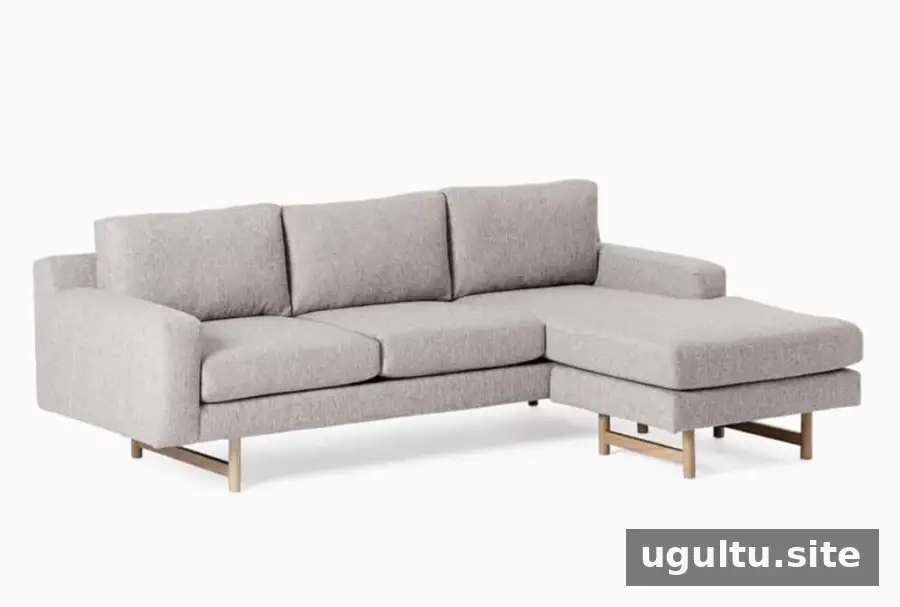
West Elm Eddy Reversible Sofa
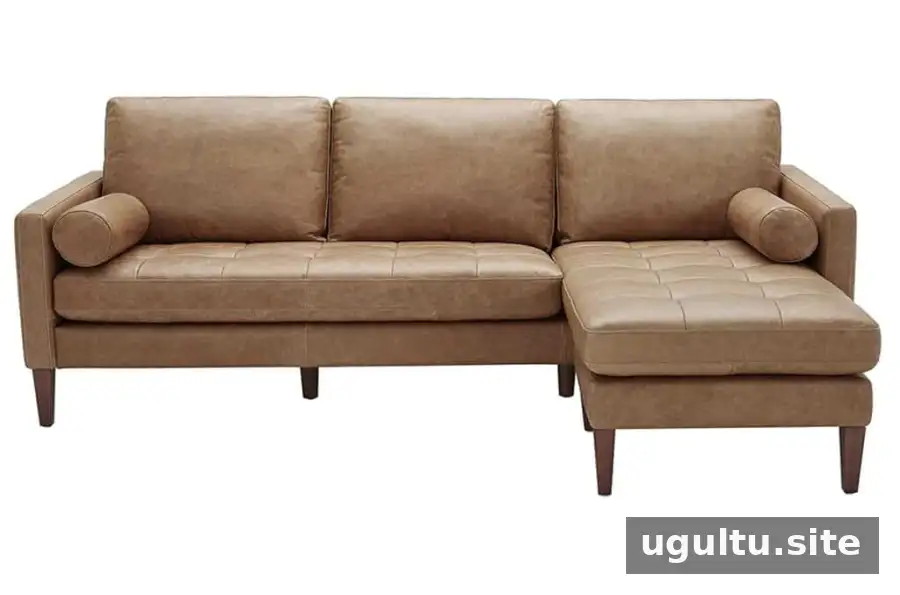
Rivet Aiden Reversible Leather Sectional
A reversible sectional typically lets you move the chaise from one side of the sofa to the other. This can be helpful if you move, change the room layout, or are not certain which orientation will work best long term. Confirm which parts can be switched and how the change is made.
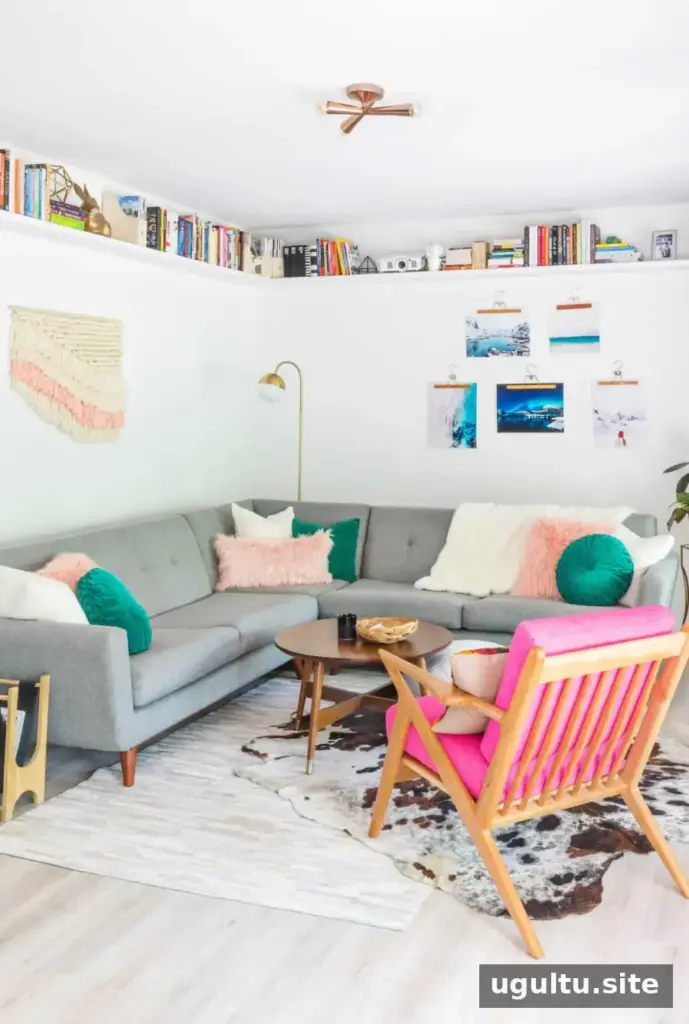
What Fabric Should You Choose?
Choose upholstery based on how often the sectional will be used and who will use it. A sofa in a busy family room has different needs from one in a rarely used sitting area.
- For frequent use: Look for fabric descriptions that explain cleaning and wear characteristics. Performance fabrics may be designed to make routine care easier, but check the specific care instructions for the material.
- For spills: Leather or a fabric with a stated stain-resistant finish may be easier to wipe or clean, depending on the product. Follow the manufacturer’s care guidance.
- For pets: Consider how the weave may collect hair and whether claws could mark the surface. A fabric that resists stains may still require regular vacuuming.
- For a low-use room: More delicate materials may be practical if the sectional will see limited use and you are comfortable with its care requirements.
Color and texture also affect the look of the room. Consider how the upholstery works with existing furniture, flooring, and natural light. If removable cushion covers are available, check whether they can be washed and what cleaning method the manufacturer recommends.
How to Decide Which Sectional to Buy
Start with your room measurements and the number of seats you need. Then compare sectional shapes, check the delivery path, and select upholstery that suits your household’s routines. A reversible or modular design may offer more flexibility, while a sleeper option can be useful when overnight guests need a place to stay.
The right sectional sofa is one that fits the room without obstructing movement and supports the way you actually live. Testing the footprint with painter’s tape and reviewing the dimensions of every section can help you make a more confident choice before placing an order.


