
 admin
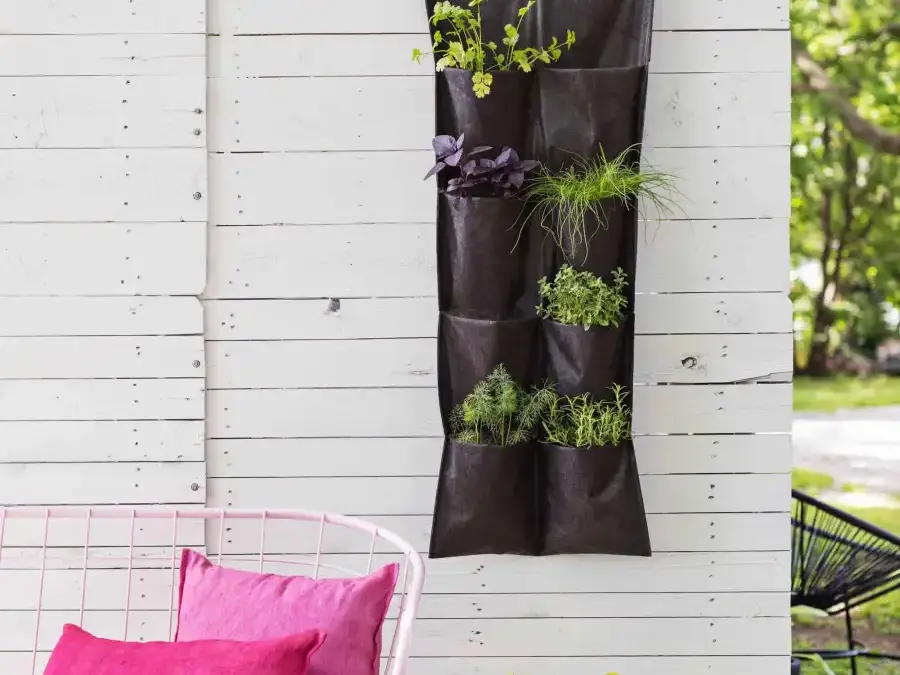
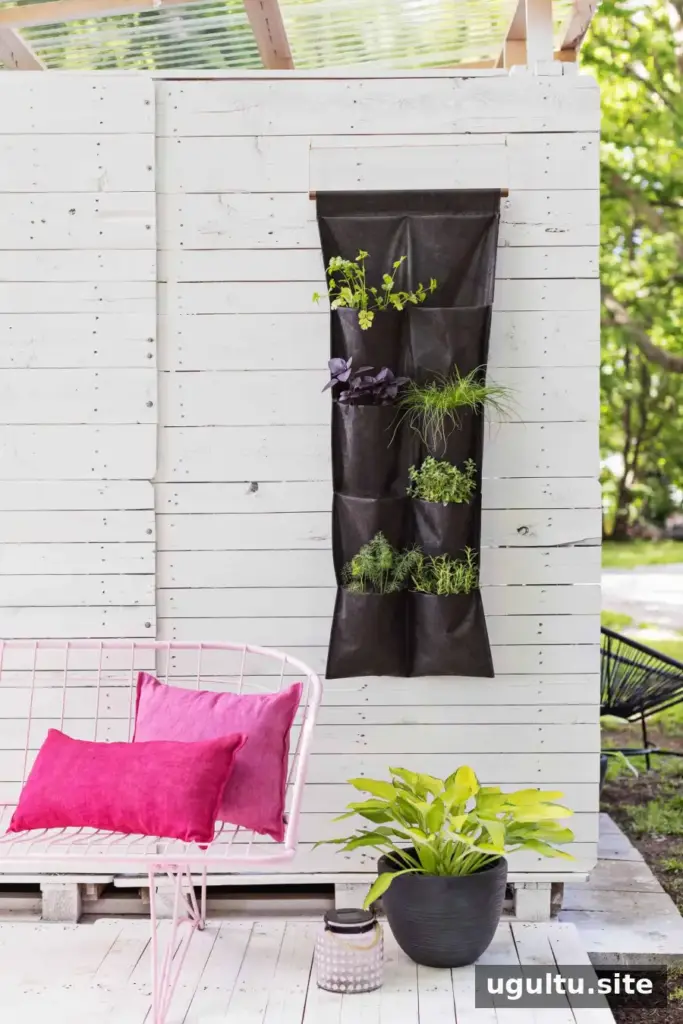
A small space vertical herb garden can make fresh herbs possible on a balcony, patio, or in a compact yard. This hanging fabric planter uses vertical space instead of a wide garden bed, making it a practical option for renters and gardeners with limited room. It can also be positioned where it receives suitable light, which is useful when trees or buildings shade much of the garden.
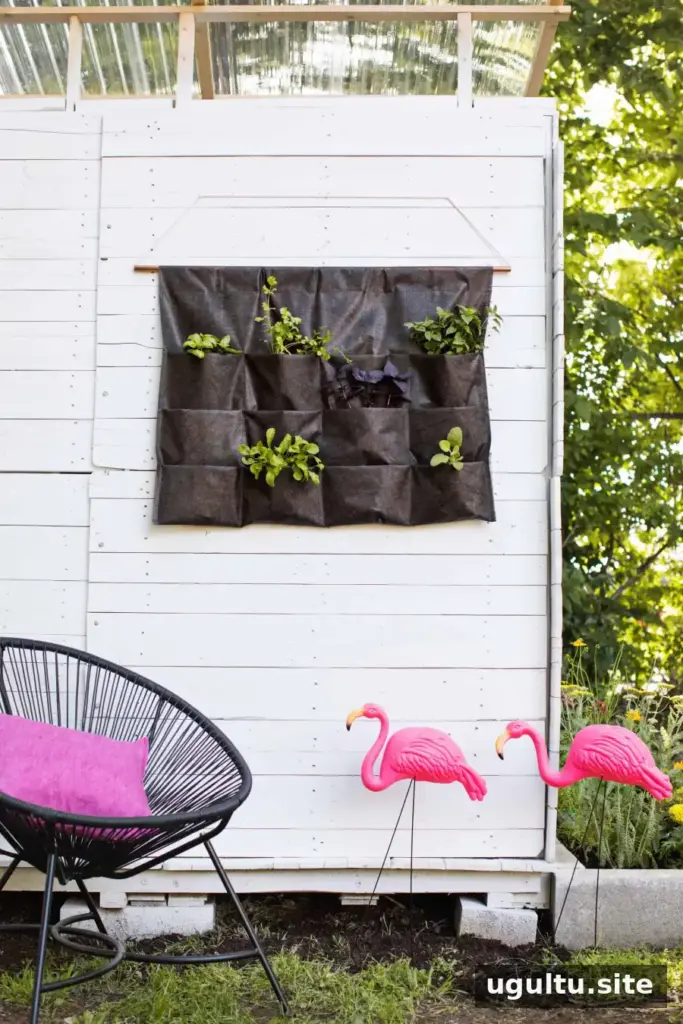
How to Make a Small Space Vertical Herb Garden
The project described here creates a hanging panel with five rows divided into ten planting pockets. The stated finished size is 2 feet by 4 feet. A smaller practice version can help you understand the folding and sewing steps before cutting the full length of fabric.
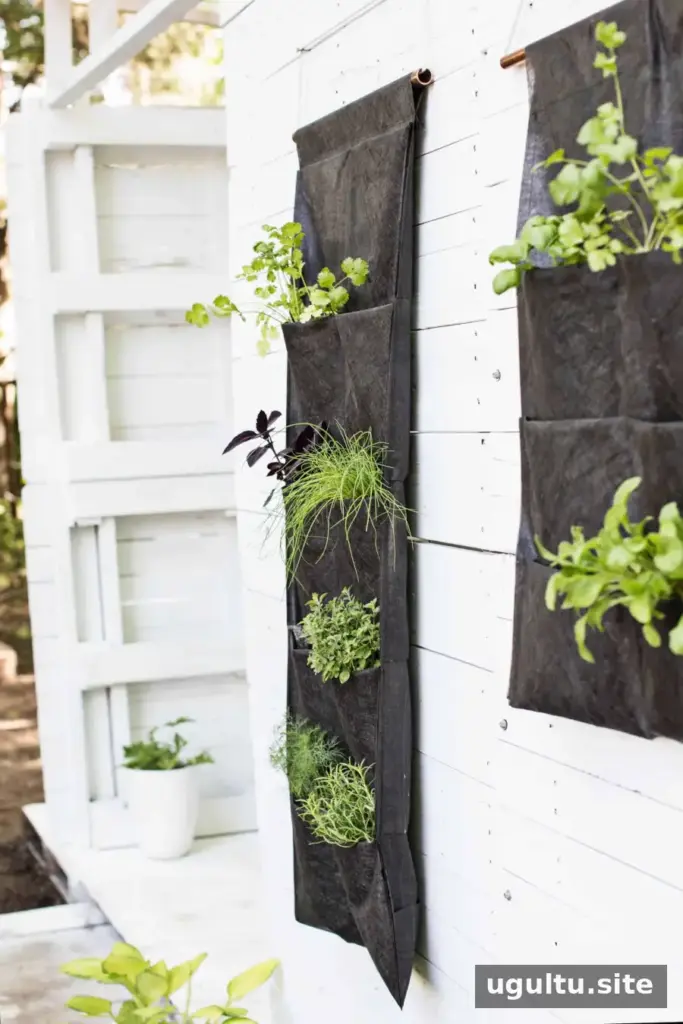
The instructions below follow the full-size measurements. If you need a different shape, adjust the fabric dimensions before sewing, while keeping enough material for the pocket folds and top hem.
Supplies
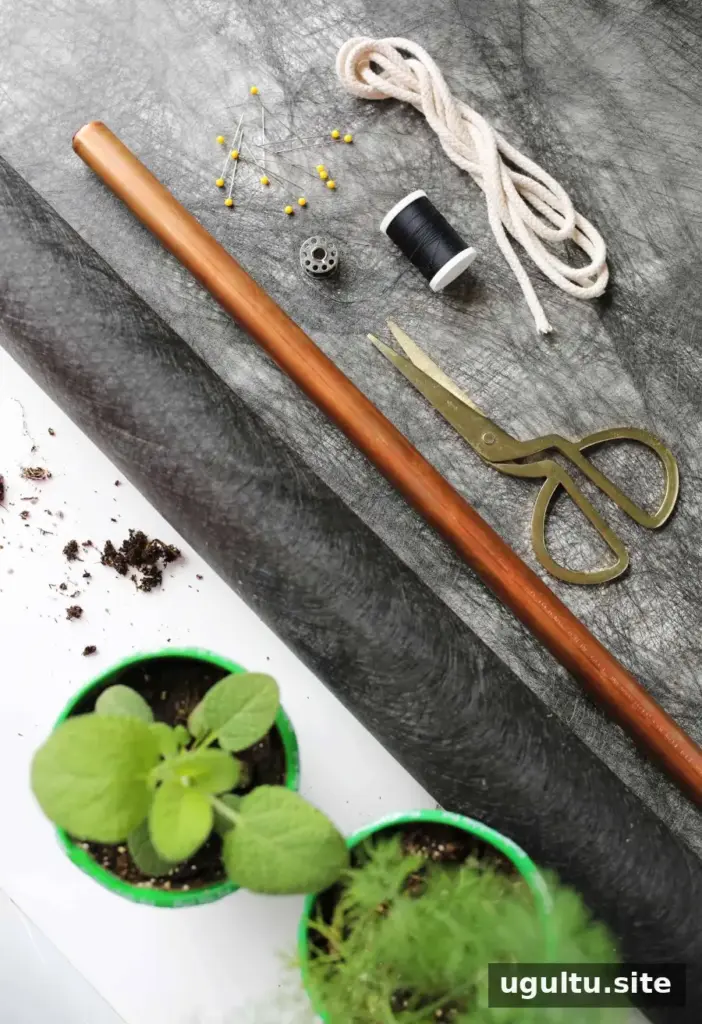
- One 3-foot-by-50-foot roll of weed barrier
- One 1-inch-by-2-foot copper pipe
- Sewing machine and straight pins
- 5 feet of cotton rope
- Scissors
- Herbs of your choice and potting soil
Cut and Sew the Fabric Panel
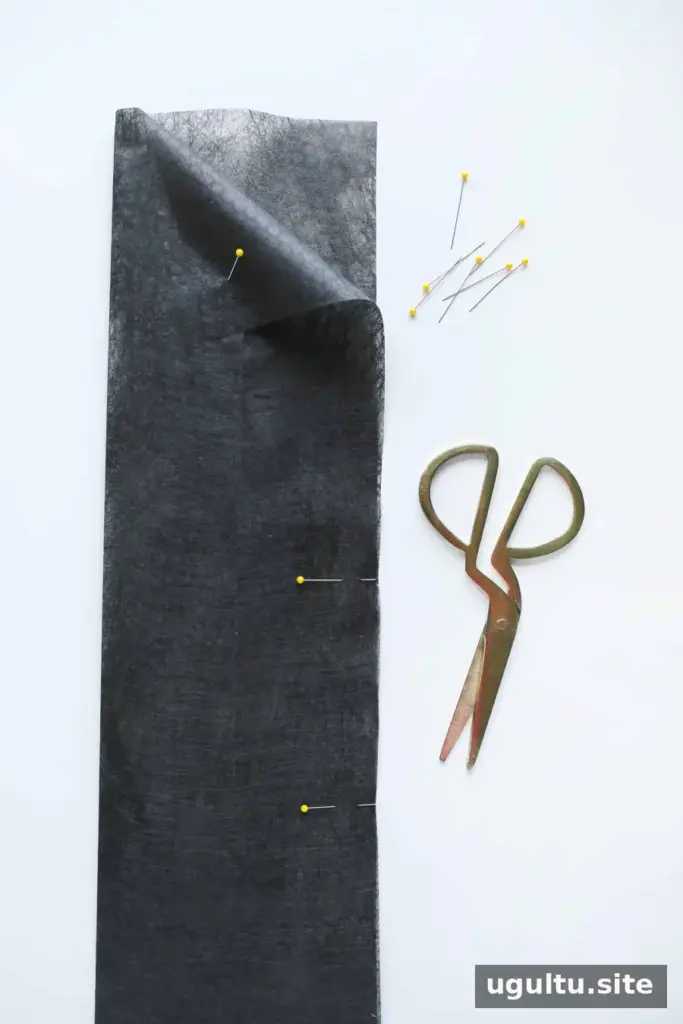
Cut 11 feet from the landscape fabric roll and set the remaining material aside. Fold the cut piece in half lengthwise, then pin the two edges together at 6-inch intervals. The fabric can be awkward to handle, so laying it on a clean floor gives you more room to keep the edges aligned.
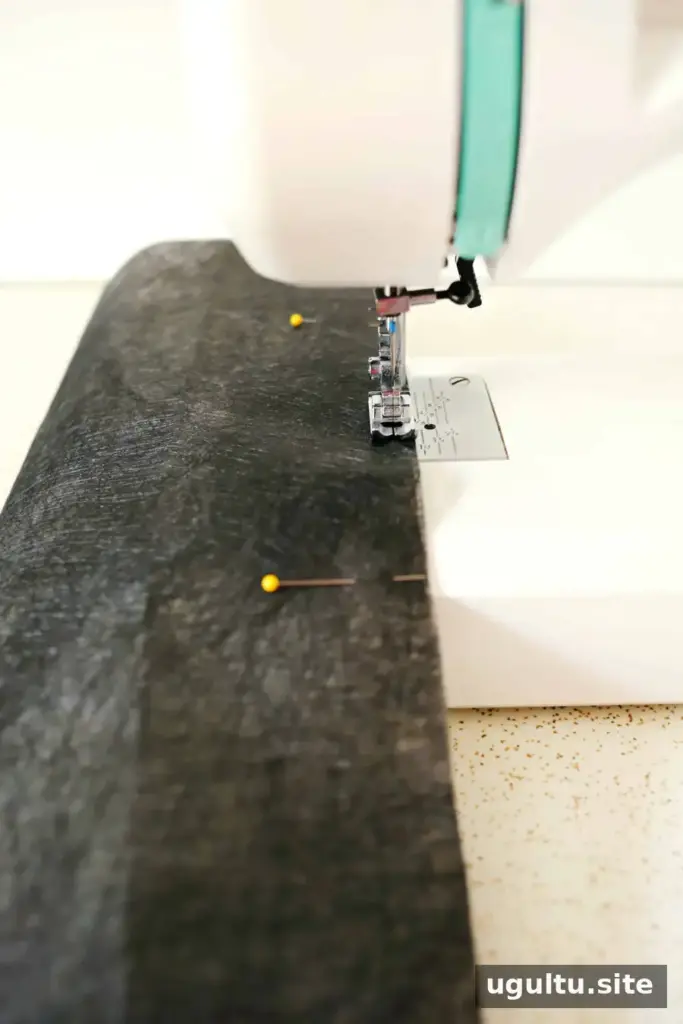
Sew along the pinned edge, leaving about 1/4 inch between the seam and the edge of the fabric. Remove the pins after sewing.
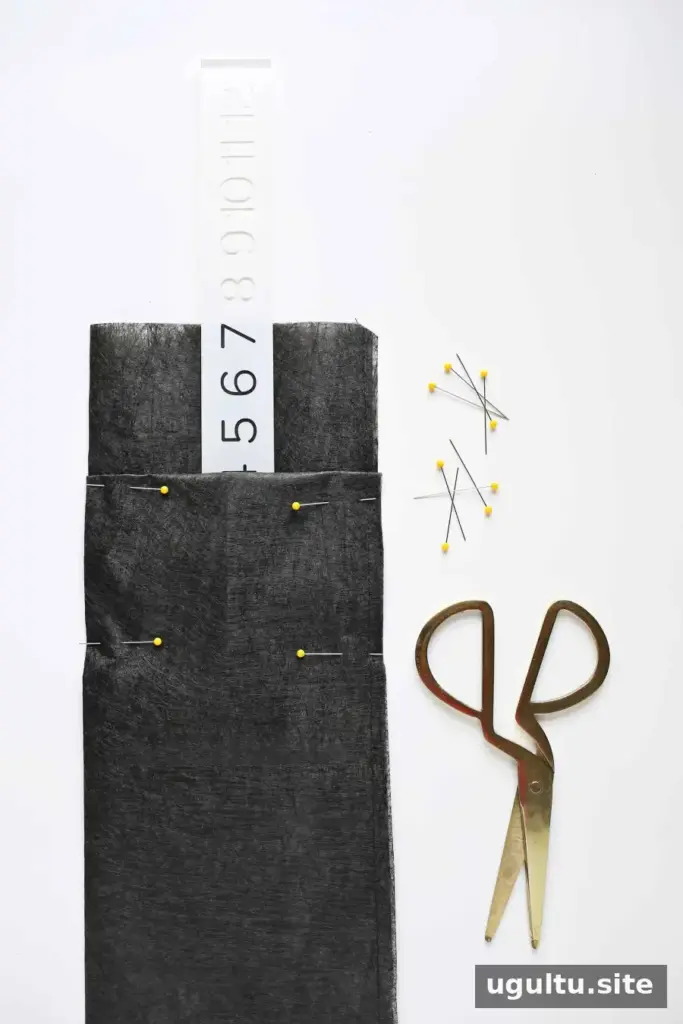
Measure 16 inches down from one short edge. Fold the fabric back up to form a pleat that reaches the 8-inch mark; the demonstration image uses a smaller scale. This fold forms the first pocket. Keep the pleat even across the panel and pin through all three fabric layers at the top and bottom of the pocket.
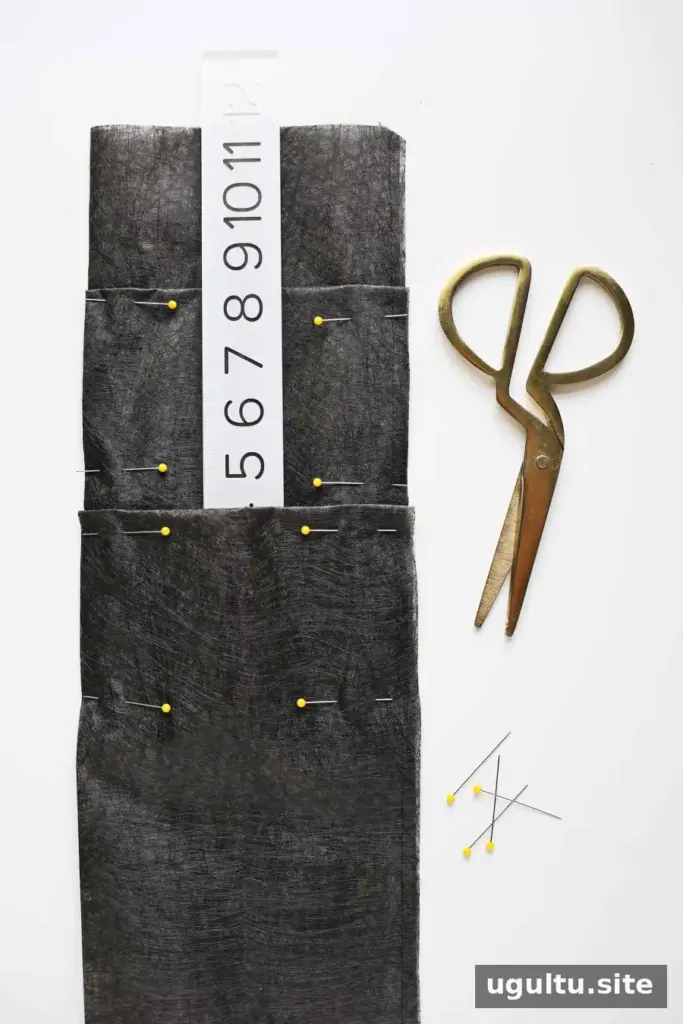
From the top of the first pocket, measure down 16 inches and fold another pleat up to just below the 8-inch mark. Pin through all three layers at the top and bottom. Repeat the same spacing until you have five pockets or have nearly used the fabric.
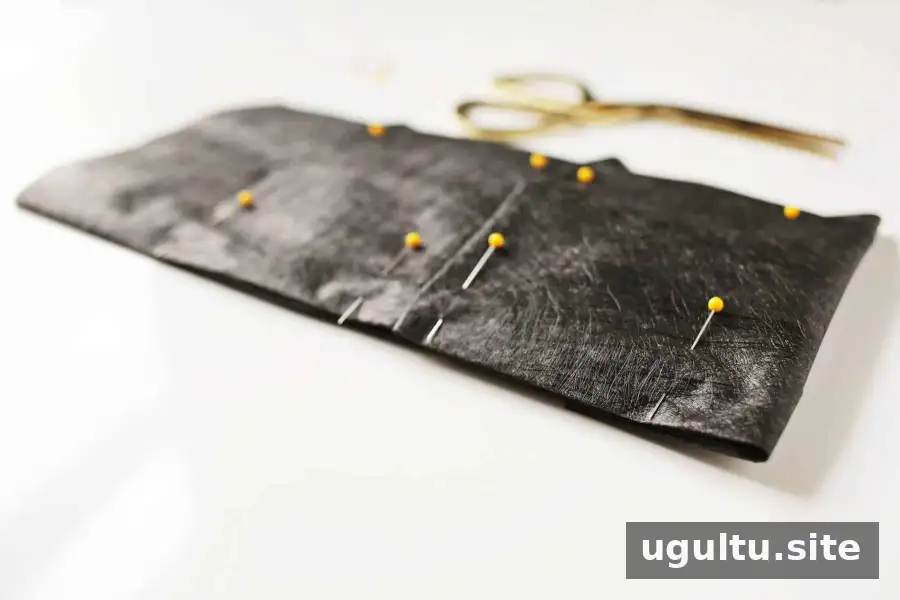
Fold any excess fabric under the last pocket and pin it in place. The image shows fewer pockets for demonstration; the full panel should have five rows before it is divided into two columns.
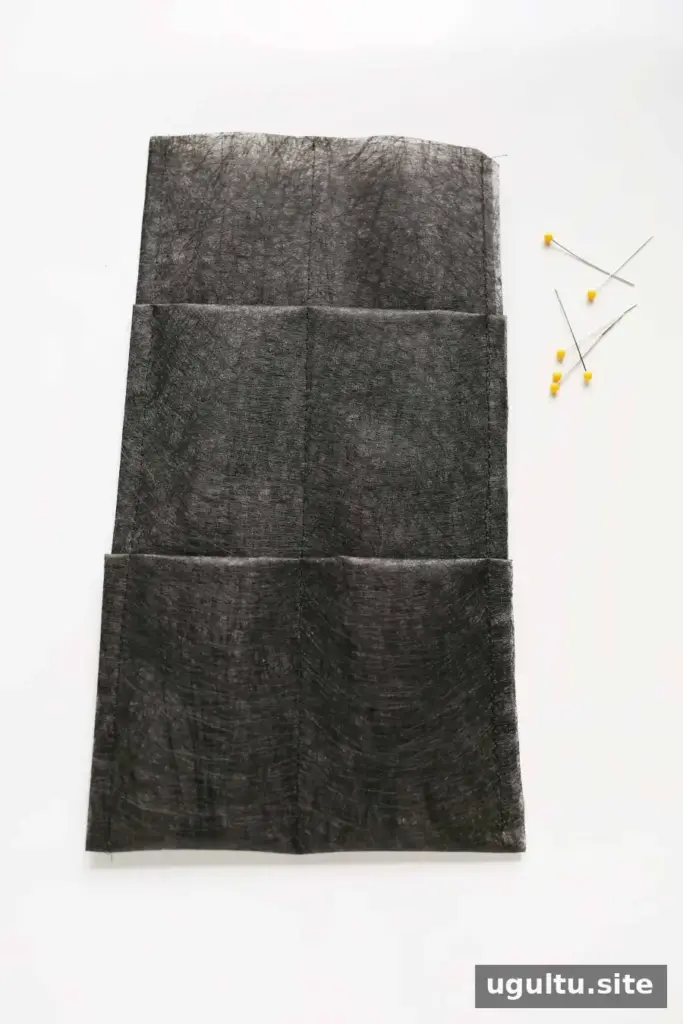
Sew down one long side, working from the bottom toward the top. Backstitch at the corners of each pocket to reinforce the seams. Remove the pins, fold or roll the opposite long edge toward the center, and sew the other side in the same way. Mark the center of the panel, then stitch from bottom to top along that line. This creates ten pockets in total.
Add the Hanging Support
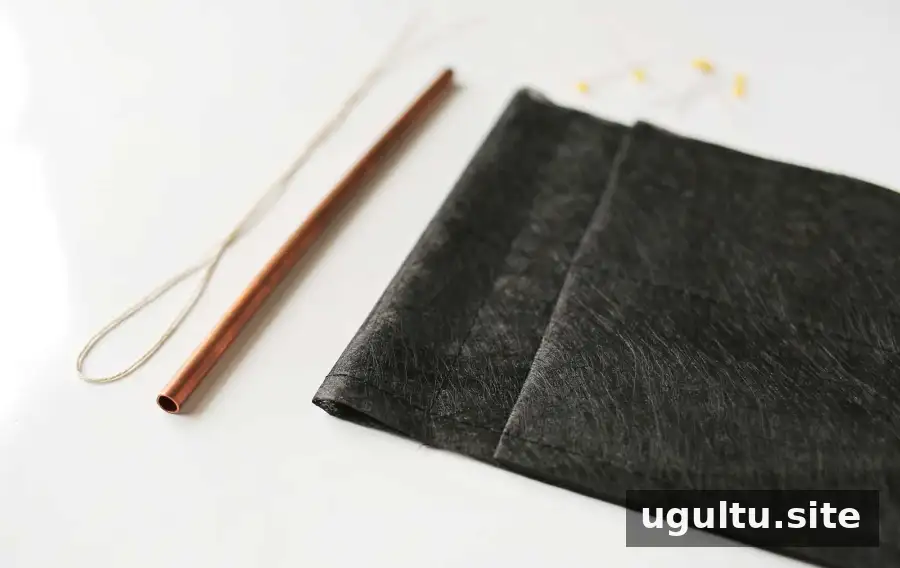
Fold the top edge toward the back by 1/2 inch, then fold it over another 2 inches and pin. Sew along the 1/2-inch fold on the back to make a channel for the pipe.
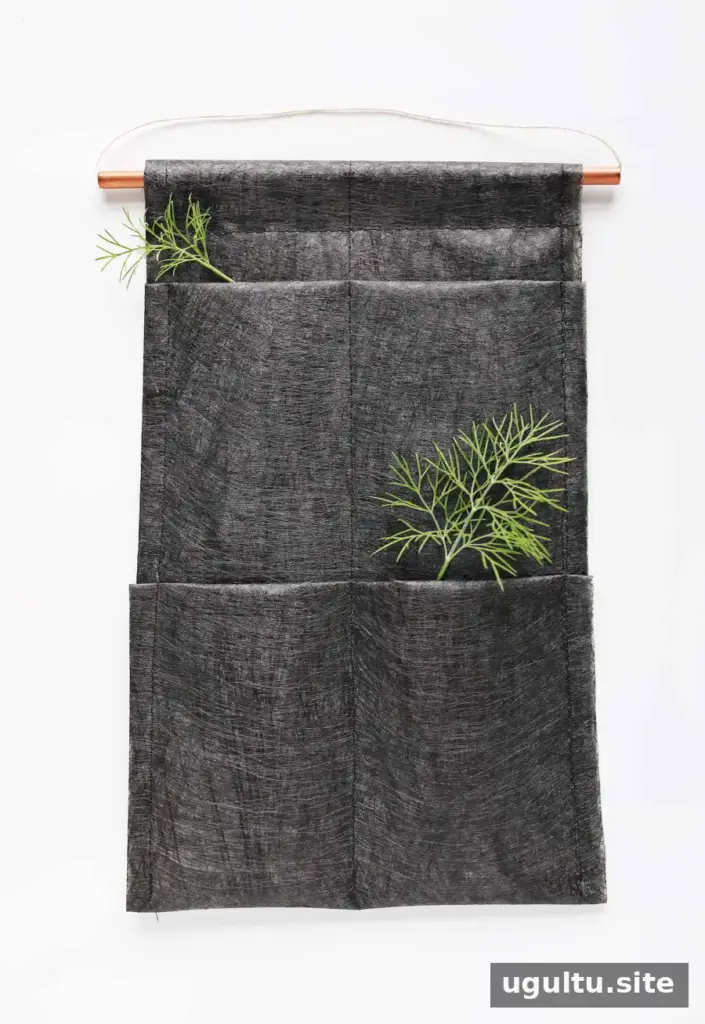
Slide the copper pipe through the channel. It should extend about 1 inch beyond each side of the fabric hanger. Cut the rope, thread it through the pipe, and tie a knot. Tuck the knot inside the pipe for a tidier finish.
Make a Shorter, Wider Version
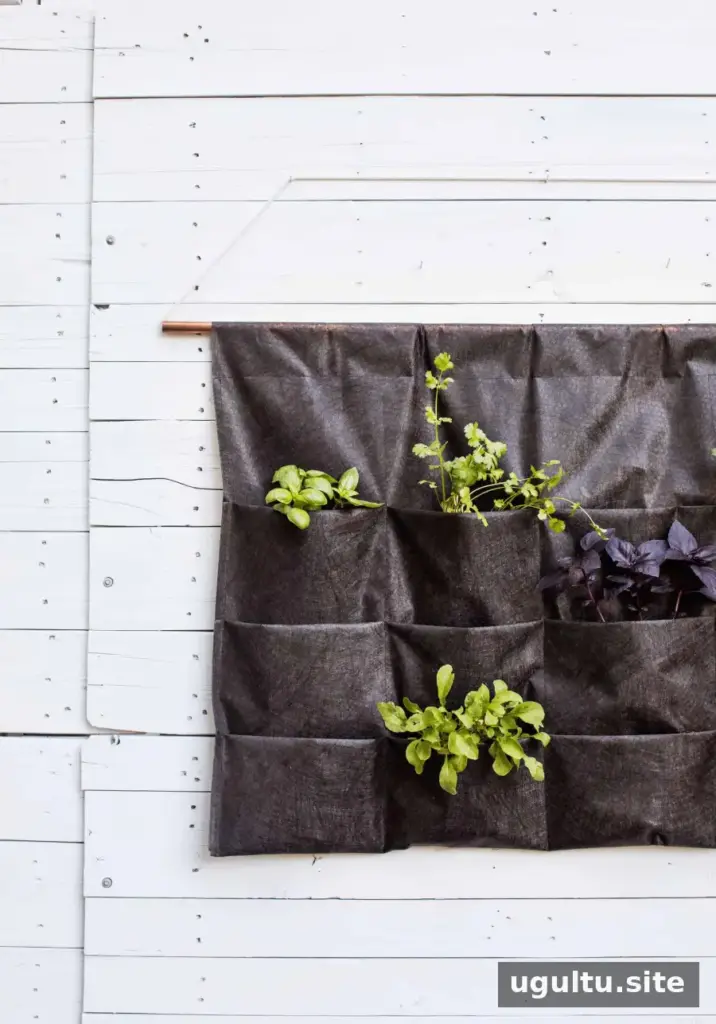
For a shorter and wider panel, cut about 8 feet of liner and do not fold it lengthwise. Fold it so the two short ends meet, creating a double-sided panel about 4 feet long. Measure about 20 inches down from the fold, pleat the fabric back up about 6 inches, and pin it. Measure 12 inches down from the top of that pleat, then make another 6-inch fold. Repeat once more, tuck under any excess, and sew the panel. Add a pocket hem at the fold for the copper pipe.
Planting and Caring for Your Hanging Herb Garden
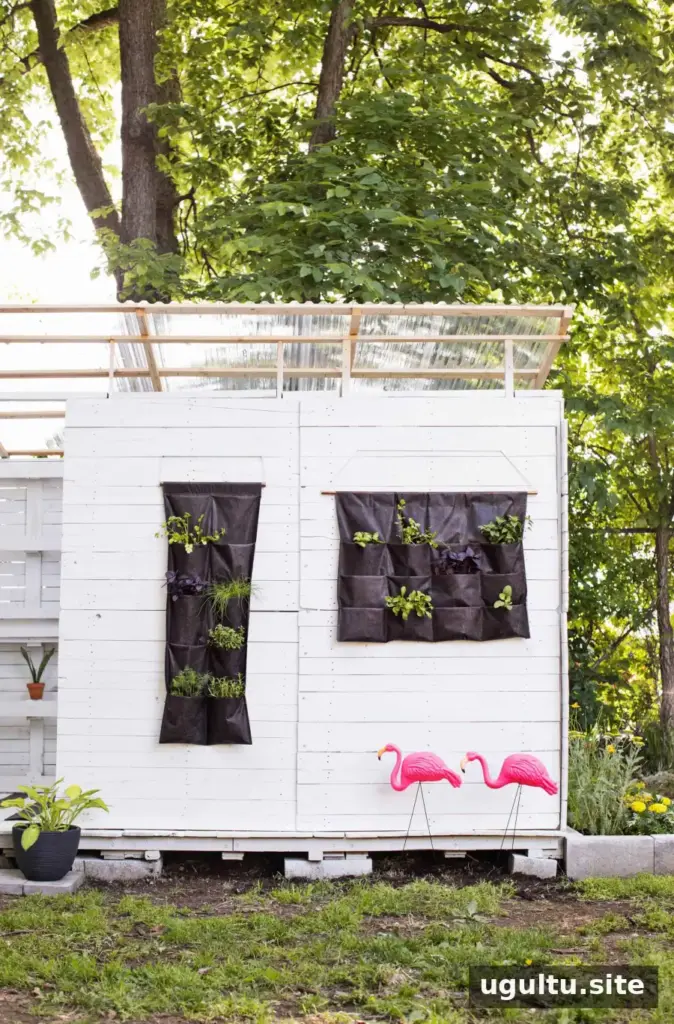
Choose a suitable spot in your yard or on a balcony, then fill the pockets with potting soil and herbs. Check the light needs of your chosen plants and place the planter where they can get appropriate conditions. A flowering plant can also be added alongside the herbs for extra color.
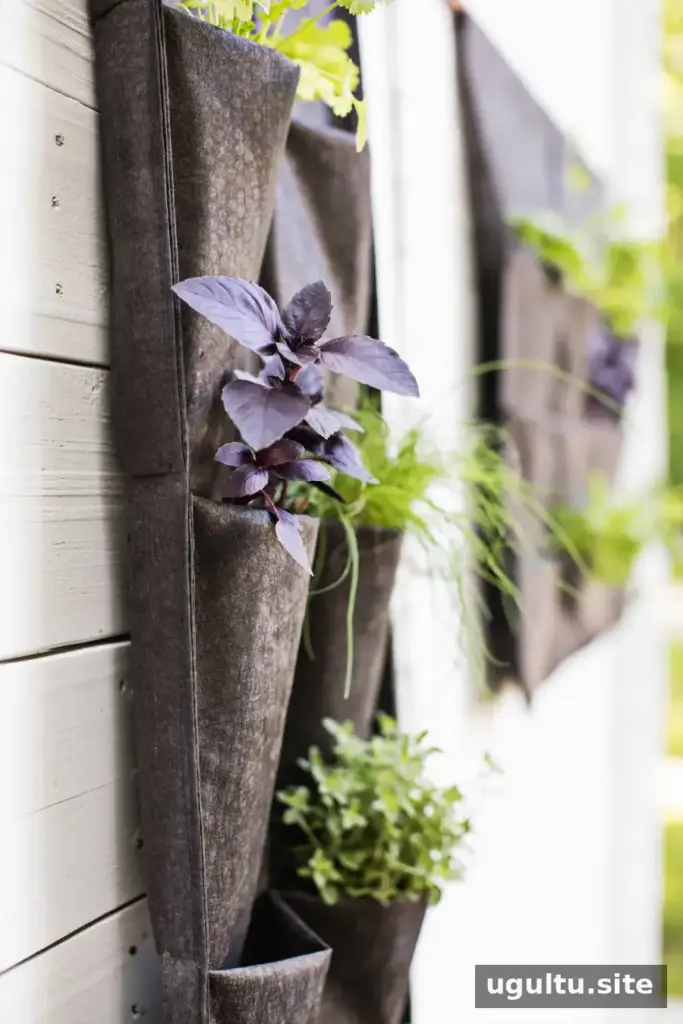
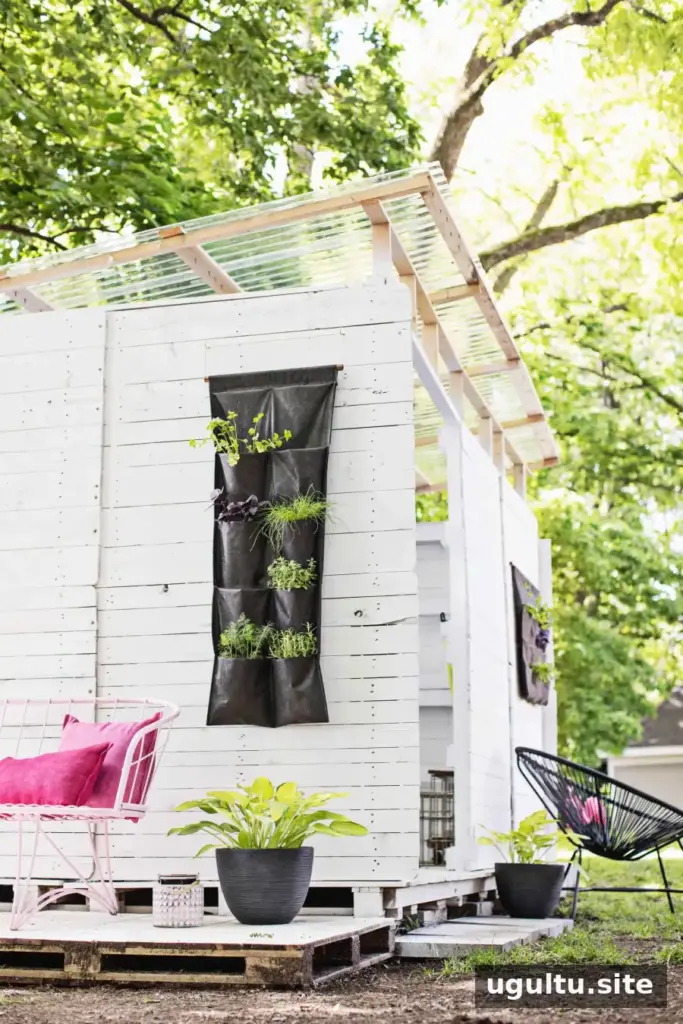
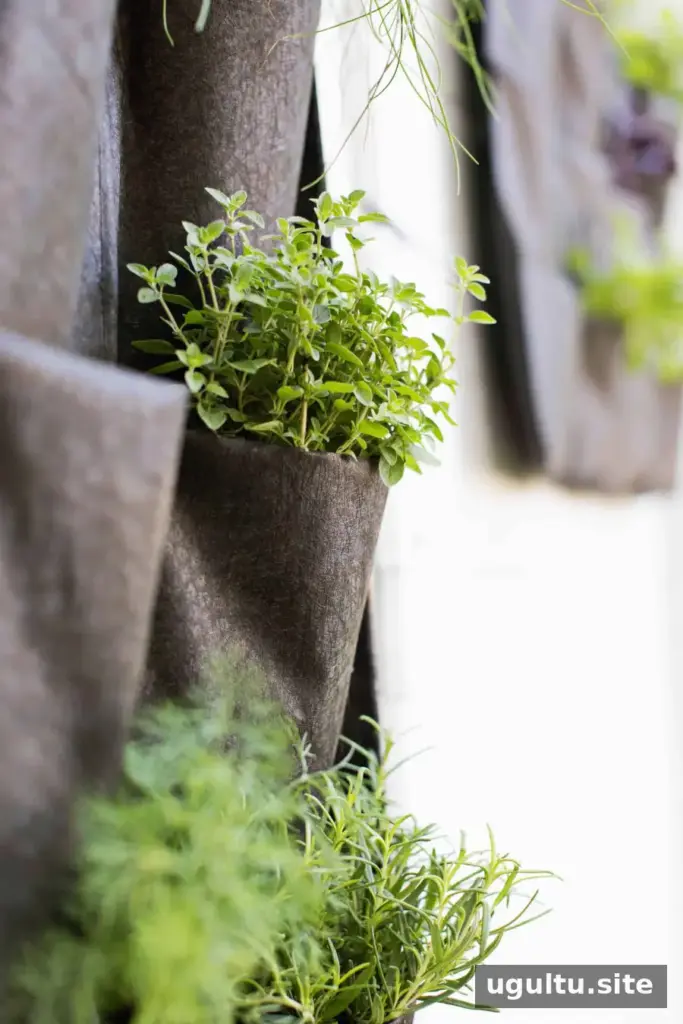
Water the planter regularly, checking the pockets often because fabric containers can dry out faster than larger garden beds. In especially dry climates, coco liner wrapped around each plant’s root area may help retain moisture. Choose herbs you expect to use so the garden stays practical; many can be enjoyed fresh in warm weather and dried when temperatures turn chilly. Rosemary, for example, can flavor grilled dishes when fresh and soups or stews after drying. — Rachel
Conclusion
A small space vertical herb garden is a space-conscious way to grow herbs on a balcony, patio, or in a small yard. With a fabric panel, sewn pockets, a copper-pipe support, and regular watering, the hanging planter can hold ten herb plants while using little ground space. Measure carefully before cutting, then select herbs that suit the light and conditions where you plan to hang it.


