
 admin

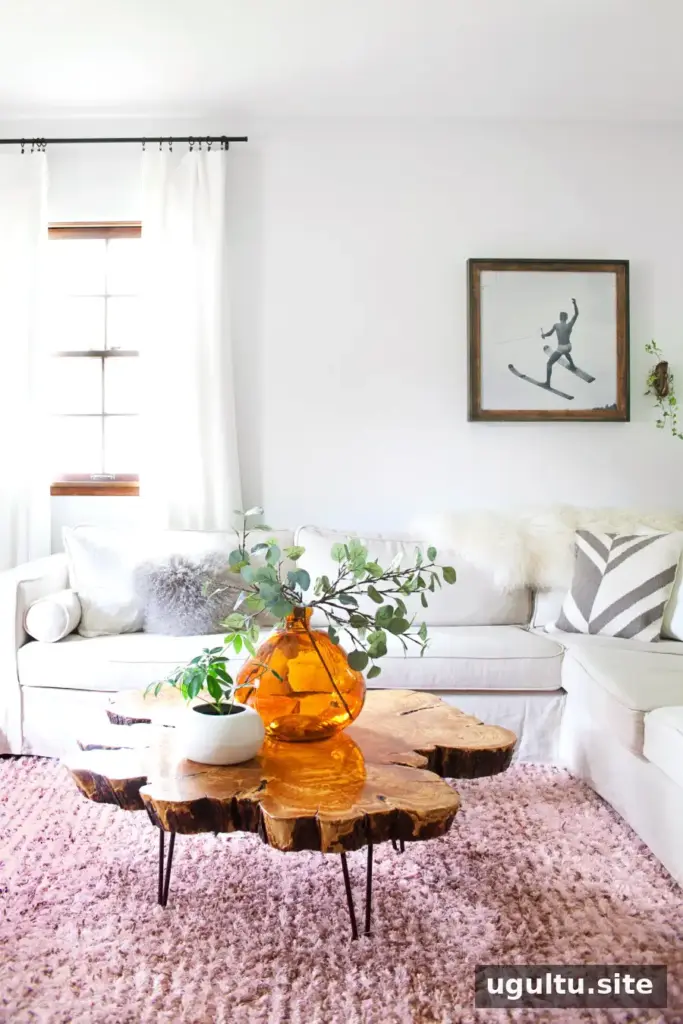
A live edge coffee table brings the natural outline and grain of a tree into a living room. Building one yourself can also cost less than buying a finished piece, but success depends on choosing the right slab, preparing the wood properly, and matching the base to the tabletop. This guide covers planning, lumber terminology, sourcing, finishing, and assembly. The original project cost about $215.
Plan the Live Edge Coffee Table
Start by measuring the space and deciding on the tabletop’s shape. A round or irregular slab can suit an open area beside an L-shaped sectional, while a long slab may fit better in front of a straight sofa. Before searching for wood, note the maximum width, length, and height that will work in the room.
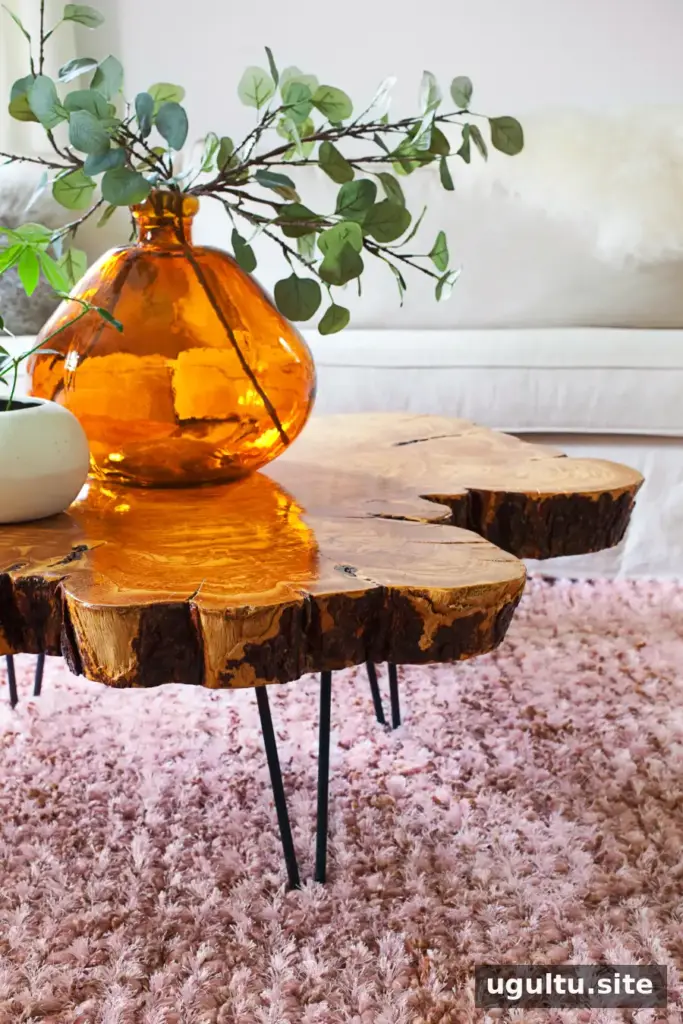
Live-edge slabs can look visually substantial, so a smaller tabletop may be a better choice if you are unsure about scale. Consider thickness as well: a thicker slab usually needs shorter legs to keep the finished table at a comfortable height. In the original project, the tabletop was a thick, roughly 3-by-3-foot slab, and the completed table sat a couple of inches below the sofa.
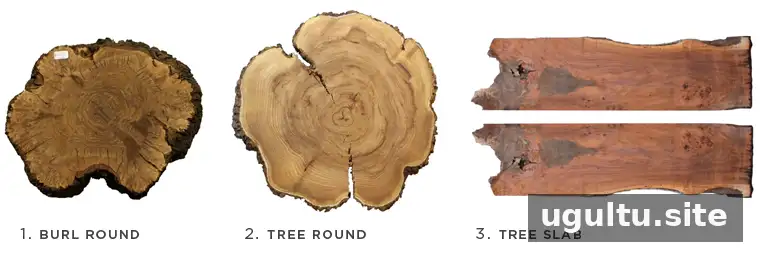
Understand Live-Edge Lumber Types
Knowing the terms used by sellers and tree services makes it easier to search for the right piece. Ask about the wood’s dimensions, condition, and drying history before arranging a pickup.
- Burl round: A slice cut from a burl, or unusual growth on a tree trunk. Burl often has striking, irregular grain patterns and can be difficult to find in large pieces. It is generally an expensive material used in fine woodworking and veneer.
- Tree round: A cross-section sawn horizontally through a trunk, showing the growth rings. Its outline varies with the tree and the height of the cut; rounds taken near the base may have a more irregular edge.
- Tree slab: A lengthwise cut from a log that retains a natural edge along its sides. It can suit a longer table, though the ends are cut across the wood and do not have live edges.
How to Source a Live-Edge Tabletop
Finding a slab that fits your preferred shape, thickness, condition, and budget can take time. Search local classified listings and regional woodworking or lumber groups using phrases such as “live edge,” “tree slice,” “tree round,” and “natural table.” Contacting a tree-removal service may also lead to usable wood or an opportunity to request a cut to your specifications.
For comparison, one unfinished oval slab measuring about 16 by 24 inches and 2 inches thick was listed at around $300. The selected curly ash slab was already finished, measured 3 by 3 feet, and cost $175. These are figures from the original project, not current market quotes; prices and availability vary.
Before agreeing to collect a slab, confirm its measurements and weight and check whether it is dry and finished. Plan transportation and lifting in advance: thick pieces of wood can be heavy, and a suitable vehicle and another person may be needed to move one safely.
Prepare and Finish the Wood
Dry freshly cut lumber
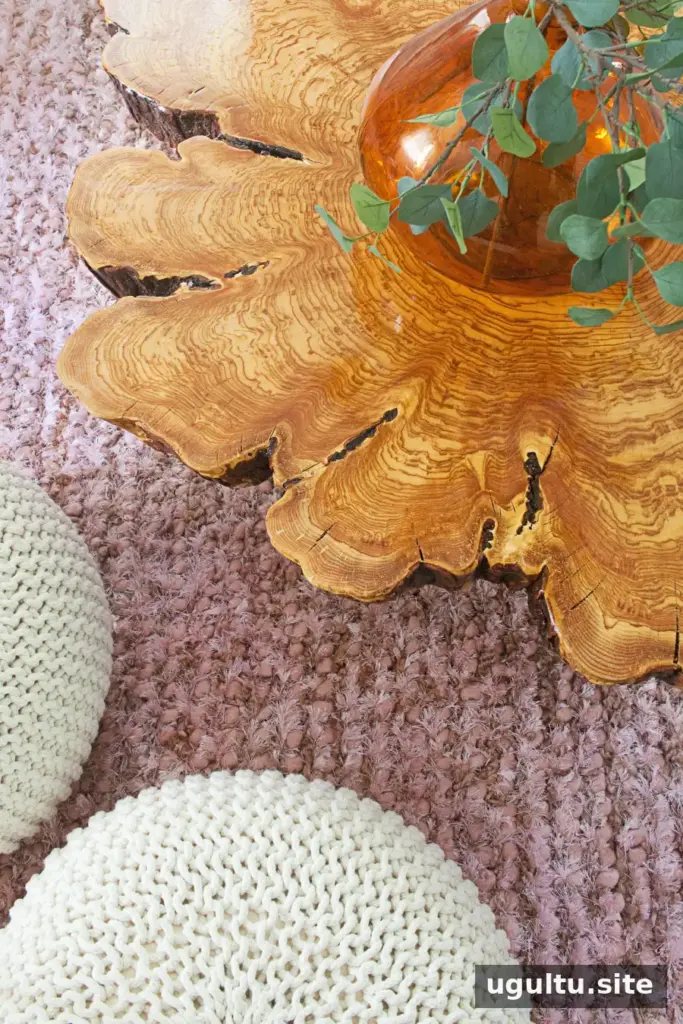
Freshly cut wood needs to be dried before it is sealed. If moisture remains, the wood can shrink as it dries and the finish may crack or chip. Ask a lumber mill about kiln-drying services. Drying a round can cause it to split in one place; some experienced woodworkers saw a round in half and rejoin it after drying, while others allow the wood to air-dry over a longer period.
Fill gaps and smooth the edges
If cavities could collect crumbs or small objects, they can be filled with epoxy. For a hole that passes through the slab, cover the underside securely with duct tape before pouring. Follow the product’s instructions and allow the fill to cure before sanding or finishing.
If you prefer a bark-free edge, remove the bark with a wood chisel and sand the edge smooth. A rough tabletop may need milling or sanding. A lumber mill can plane or drum-sand the surface; for less extensive smoothing, a belt or rotary sander and suitable sandpaper may be enough.
Choose a protective finish
Brush-on polyurethane is one option for protecting a tabletop. Tung oil and wax are alternatives, but they may need periodic maintenance to maintain protection. Finishes can deepen the wood’s color and bring out its grain, and wood can darken naturally over time. If a lighter appearance is the goal, consider pickling or whitewashing before applying a suitable protective finish.
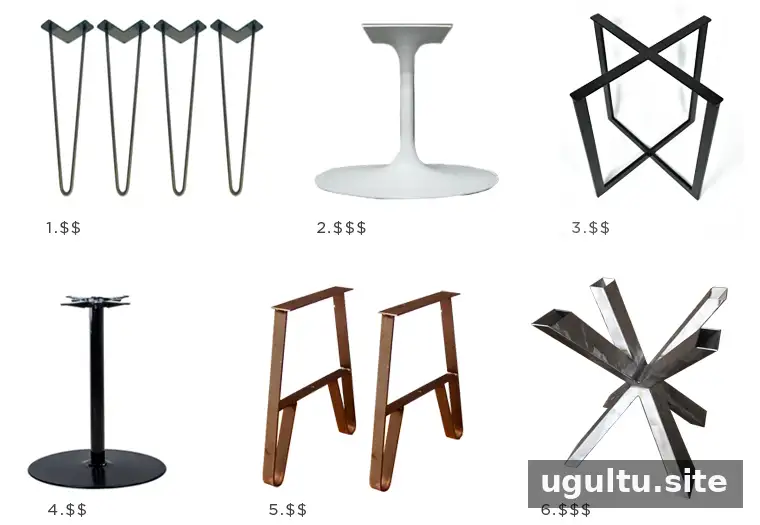
Choose a Suitable Table Base
The base should support the slab securely and suit its shape and weight. Common choices include hairpin legs, a tulip base, an X-frame, a café-style pedestal, industrial metal legs, and a steel spider base. A pedestal can work well with a smaller slab, while paired or multiple legs may be more appropriate for a larger top. Check that the base provides stable support before attaching it.
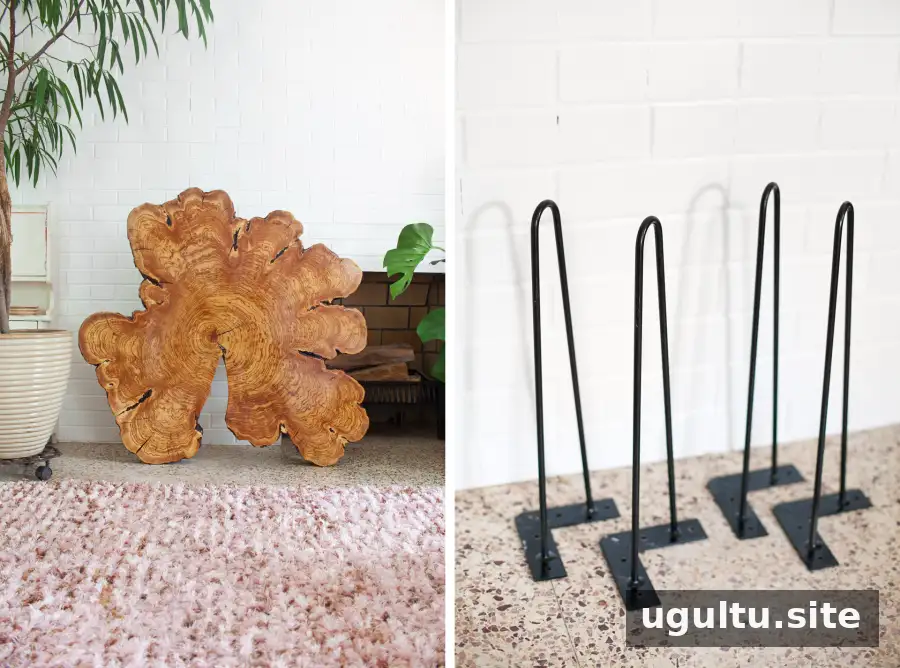
Attach the Legs and Check Stability
If the slab is already finished and the legs are ready to use, assembly may be the simplest part of the project. Position the base before drilling, then check the layout from several angles. On an irregular tabletop, a centered rectangular arrangement can provide visual balance, but the leg positions should also leave enough support near the slab’s wider areas.
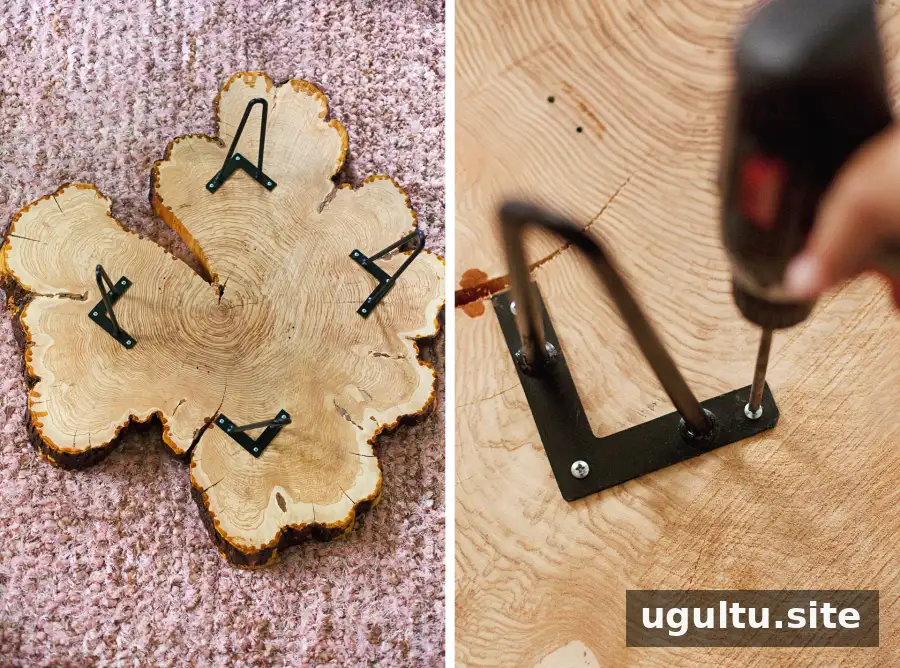
Use strong screws that are long enough to hold the legs securely but short enough not to break through the tabletop. Stainless steel screws are a practical option. A long driver can make it easier to reach the screw heads. Once assembled, check that every leg sits firmly and that the table does not rock.
Assembly tip: Avoid dragging the finished table, particularly if the legs are attached with short or weak screws. Lifting it when moving can help reduce strain on the fasteners.
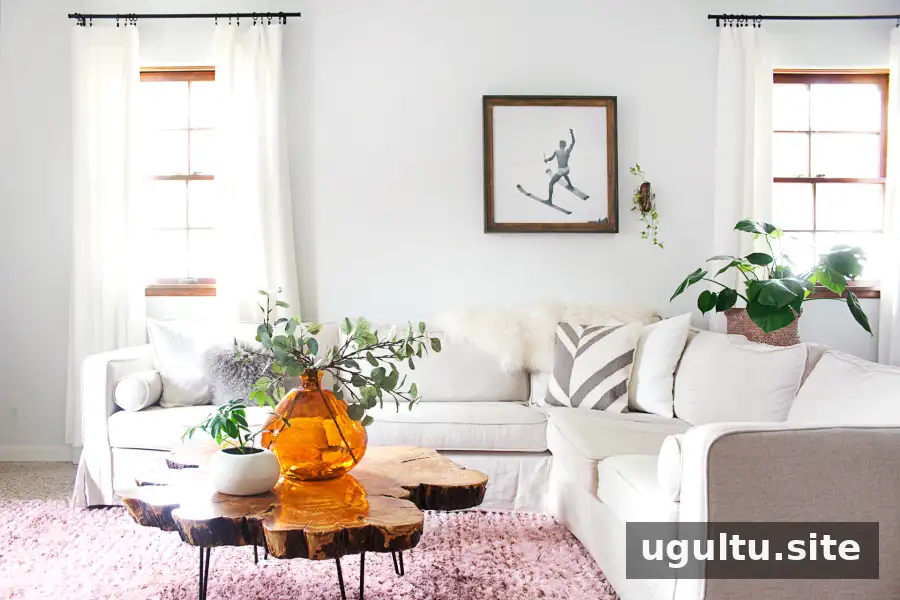
Conclusion
A live edge coffee table project starts with careful measurements and a realistic search for suitable lumber. Confirm the slab’s condition, dry fresh wood before sealing it, choose a finish that matches your maintenance preferences, and attach a stable base with appropriately sized screws. With those steps in place, a natural wood slab can become a functional centerpiece tailored to your living room.
— Mandi


