admin
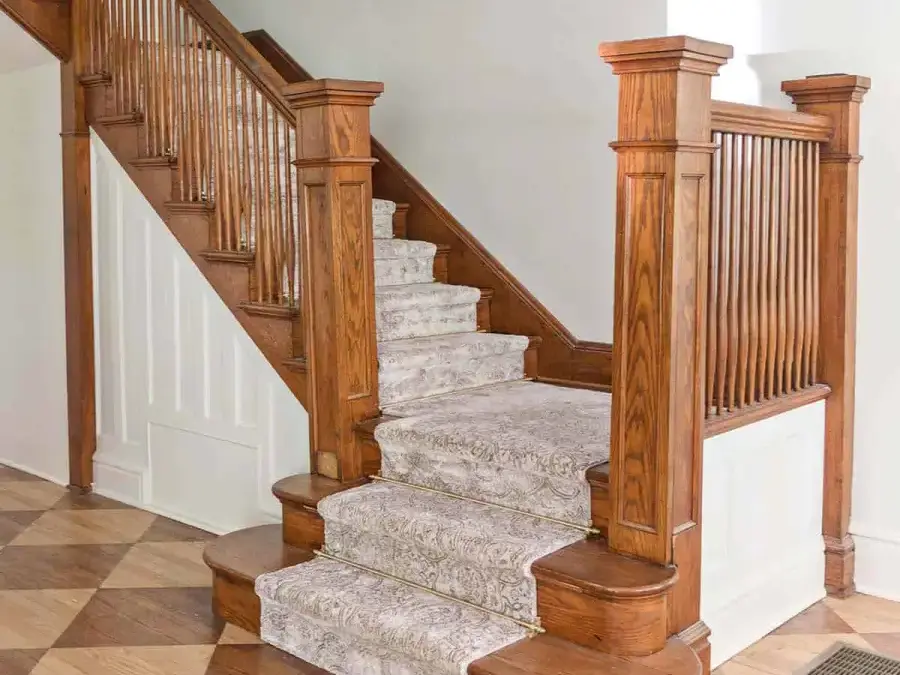
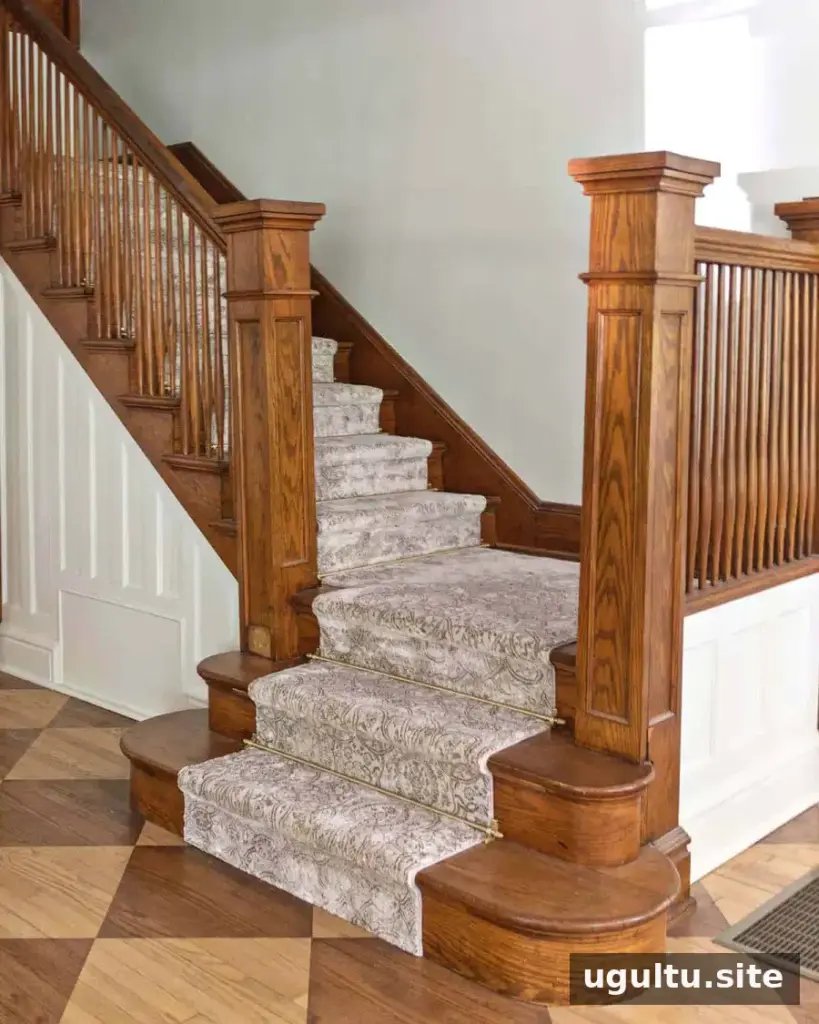
A stair runner carpet can add comfort, visual interest, and protection to a staircase while complementing the character of an older home. In this 1904 house, the entryway staircase became a focal point after the floors were refinished and the previous runner was removed. The aim was to create a fresh look that respected the home’s historic details.
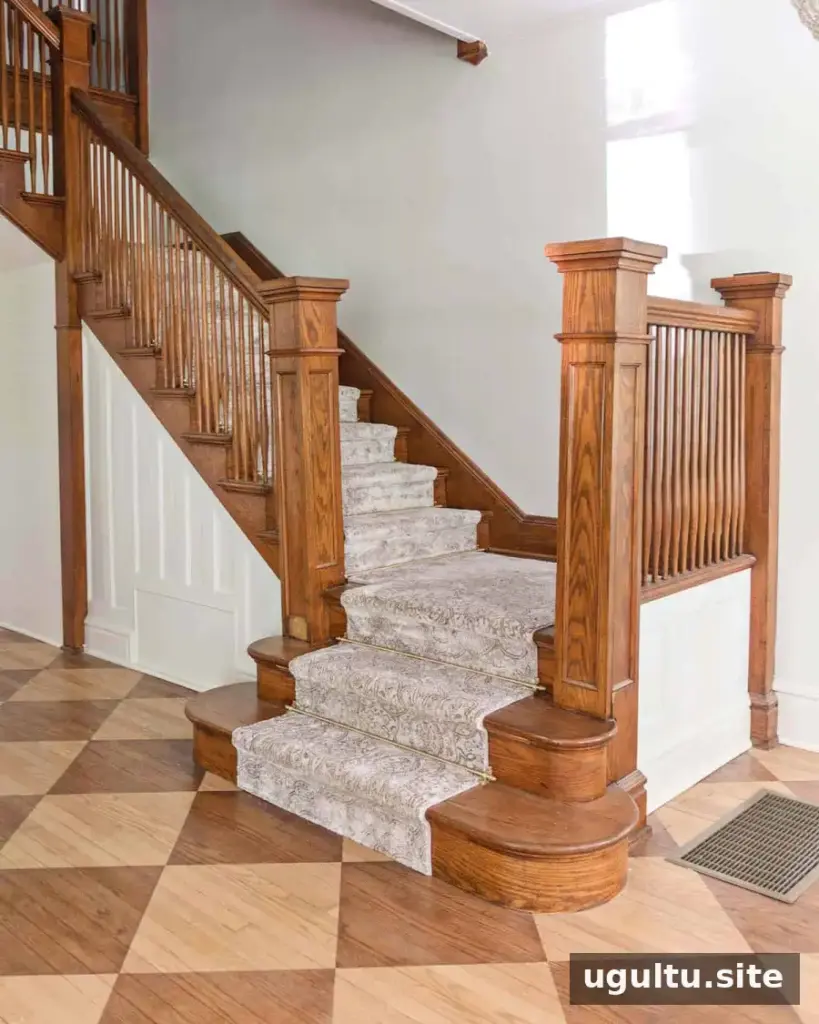
The Staircase’s History and Transformation
The staircase dates to the 1920s, when the home was rebuilt after a fire destroyed almost the entire structure. Although the house was originally built in 1904, many of its features reflect the later reconstruction.
The unpainted wood was an important feature to preserve, so the other finishes were selected to work with it. A dark stain was chosen to blend with the staircase’s original wood, while a neutral carpet helped balance the patterned entryway floor.
Practical tip: When planning a stair update, consider the wood tone, nearby flooring, and existing patterns together. This can help the runner feel connected to the space rather than competing with it.
Choosing a Stair Runner Carpet
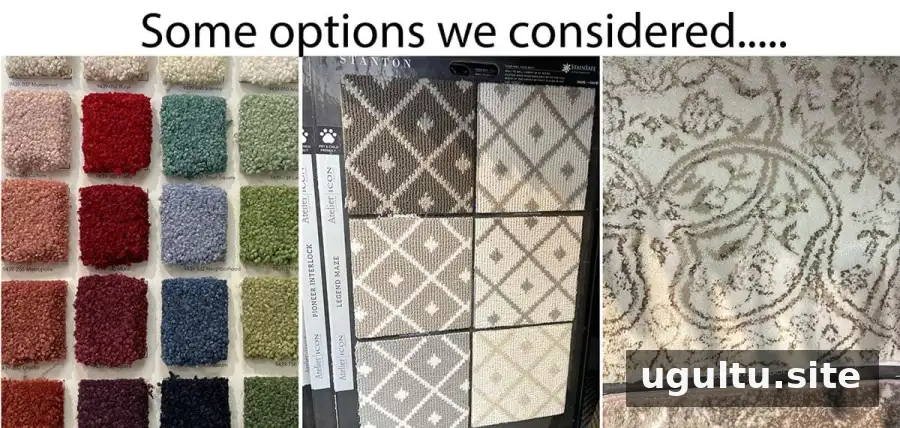
The runner was selected in person from carpet available in stock. Antique rugs had been considered as an alternative, but the project schedule made an in-stock carpet a more suitable choice before the move-in date.
A deep red or green runner was initially appealing, but a lighter neutral option offered a compromise that worked with the dark wood. Its pattern also helps disguise some marks and makes occasional spot cleaning less noticeable. The choice reflects the balance between appearance, timing, and day-to-day use.
Light-colored carpet can show dirt more readily than darker options, so consider how the stairs are used and how much maintenance feels manageable. Check the carpet’s care instructions before cleaning, and test any cleaning product in a discreet area first. A patterned design may help conceal minor marks, but it does not remove the need for regular care.
For a similar project, compare samples in the actual stairwell if possible. Lighting can change how a color appears, and viewing a sample beside the staircase’s wood and surrounding floor can make the decision easier.
How Much Did the Stair Runner Cost?
The custom carpet runner and installation cost $2,700. Stair runner rods and their hardware cost $1,150, bringing the total project cost to $3,850.
These figures describe this particular project; costs for another staircase may differ depending on the carpet, stair layout, materials, and installation requirements. Requesting an itemized estimate can help clarify what is included before work begins.
Stair Runner Rods
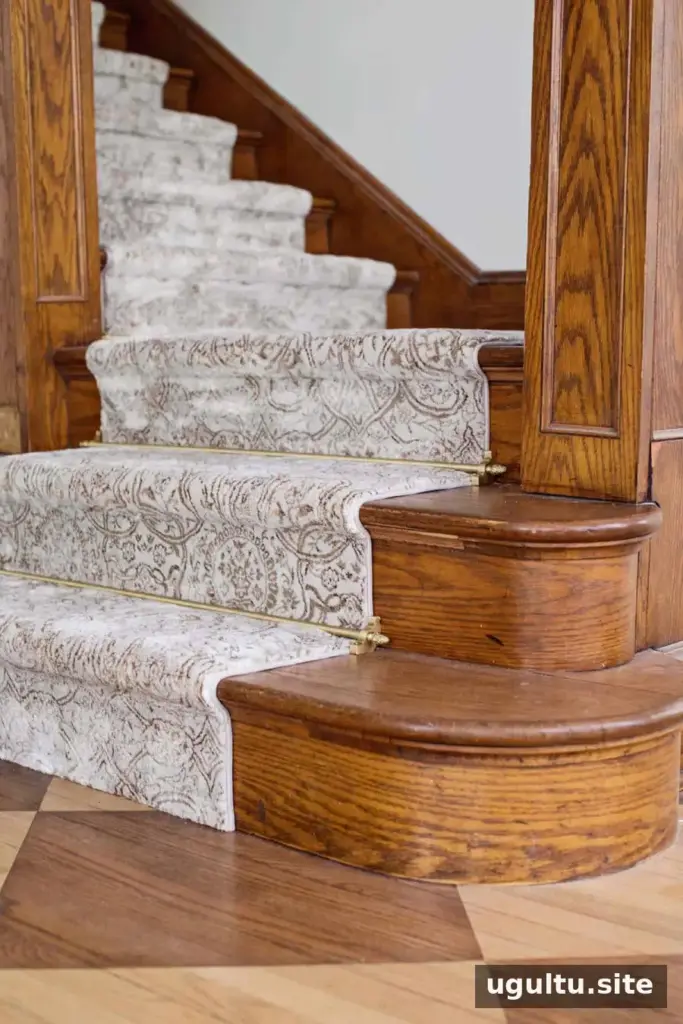
Stair runner rods were added for their traditional appearance and decorative detail. They can evoke the style of an older home, and finishes such as gold or brass may complement warm wood tones.
Rods are primarily an aesthetic feature in this project: the carpet can be secured without them. They should not be treated as a substitute for properly fastening the runner. For safety, the carpet needs to be securely installed on every step, whether decorative rods are used or not.
Planning tip: Choose rod finishes alongside other visible metal details in the entryway, and confirm that the selected hardware suits the staircase before installation.
Final Thoughts on This Stair Runner Carpet
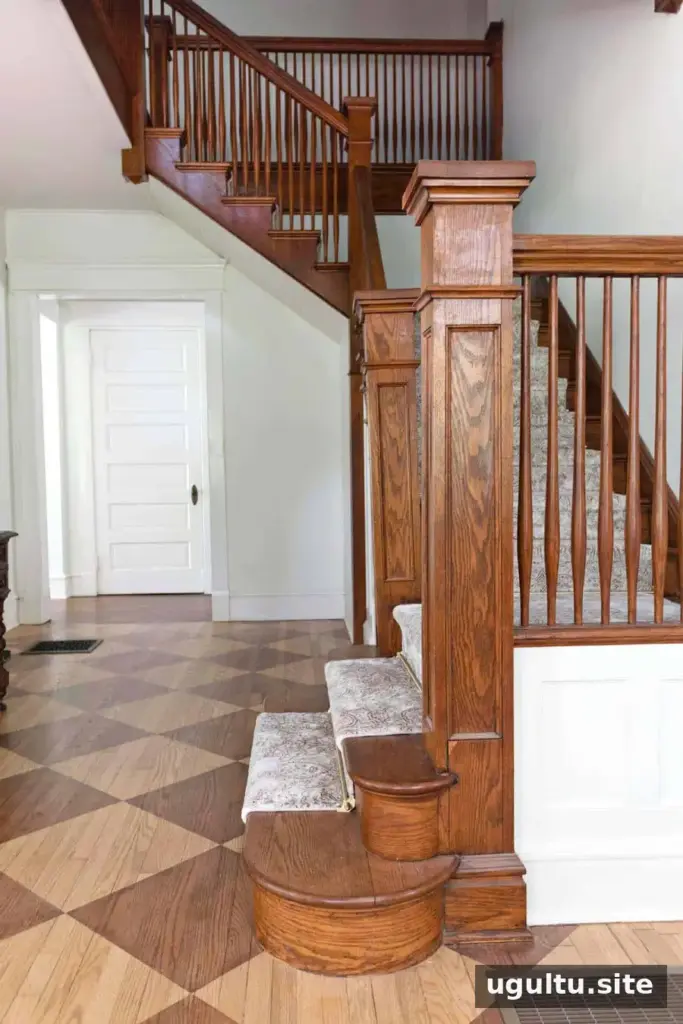
This stair runner carpet brings together the staircase’s dark, original wood and the patterned entryway floor, while the decorative rods reinforce the home’s historic character. The project’s total was $3,850, including the custom runner, installation, rods, and hardware.
When choosing a runner, weigh style against maintenance, compare samples in the space, and make secure installation a priority. These considerations can help create a staircase that looks cohesive and works well for everyday use.
— Elsie