
 admin
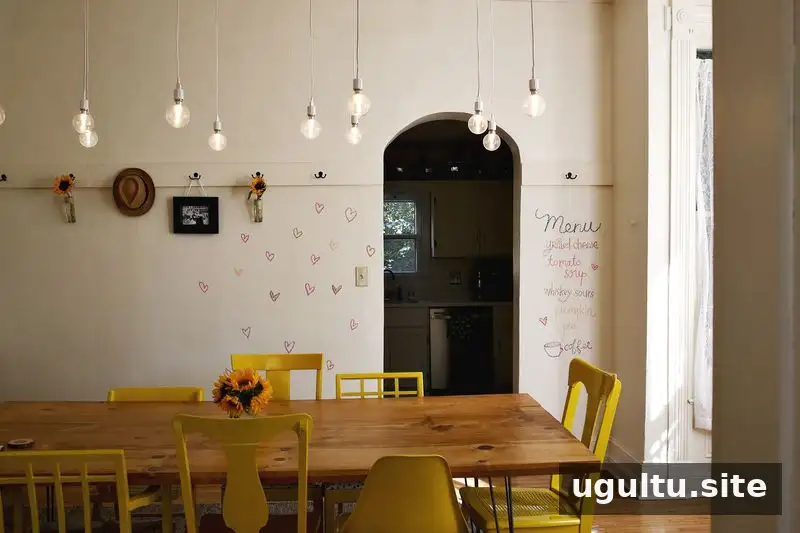
A white chalkboard wall offers a lighter, fresher alternative to the traditional dark chalkboard. It can blend into a bright room when blank, then become a useful surface for notes, menus, or drawings when written on. This approach can also suit homes where a dark accent wall would feel too bold.
Why choose a white chalkboard wall?
Light-colored chalkboard paint combines the familiar writing surface with a clean, understated appearance. When the wall is not in use, it can look more like a regular painted surface; once marked with chalk, it becomes a functional feature. That makes it a flexible option for kitchens, dining areas, family spaces, or other rooms where a changeable message board could be useful.
It can be used for dinner-party menus, reminders, short messages, or simple illustrations. For a tidy result, keep a small set of chalk and an eraser nearby, and decide in advance where frequently updated information should go.



Paint colors used for this chalkboard wall
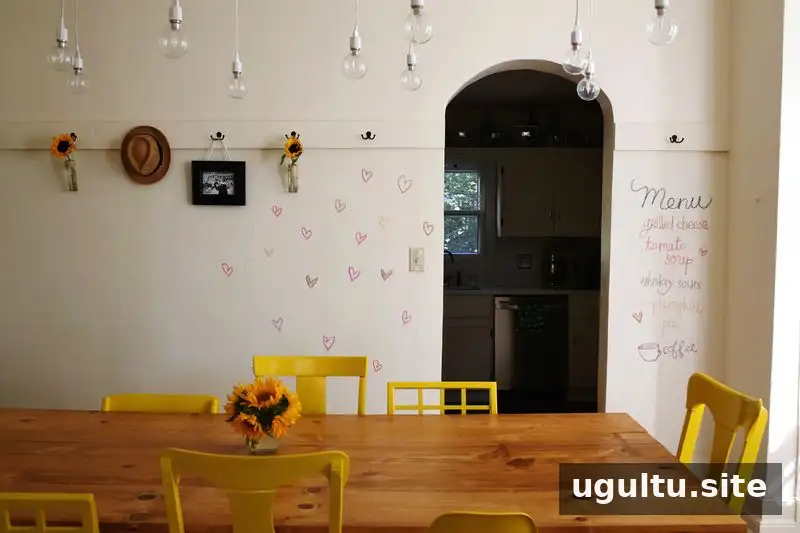
The white used throughout the home is Valspar’s Thistle Seed. The chalkboard paint on the lower part of the wall around the room is Benjamin Moore’s chalkboard paint in Woodmont Cream. The two colors coordinate closely, creating a subtle transition rather than a strong contrast.
These specific shades show how a chalkboard surface can work alongside nearby wall colors. Before choosing paint, compare samples in the room’s lighting and check the product label to confirm that the paint is suitable for the intended surface. Follow the manufacturer’s instructions for preparation, application, and drying before writing on the wall.
Choose chalk that shows up clearly
On a white or light-colored chalkboard wall, chalk visibility matters. Bright Crayola sidewalk chalks were found to show up more clearly than the regular colored chalks tested, which looked faint. Sidewalk chalk can also come in colors such as black, brown, and red, giving a wider range of contrast options.
Try a small test area first: chalk colors can look different depending on the paint shade and room lighting. Darker or brighter colors may be easier to read from across the room, while lighter shades can work better for subtle decoration.
Season the wall before writing
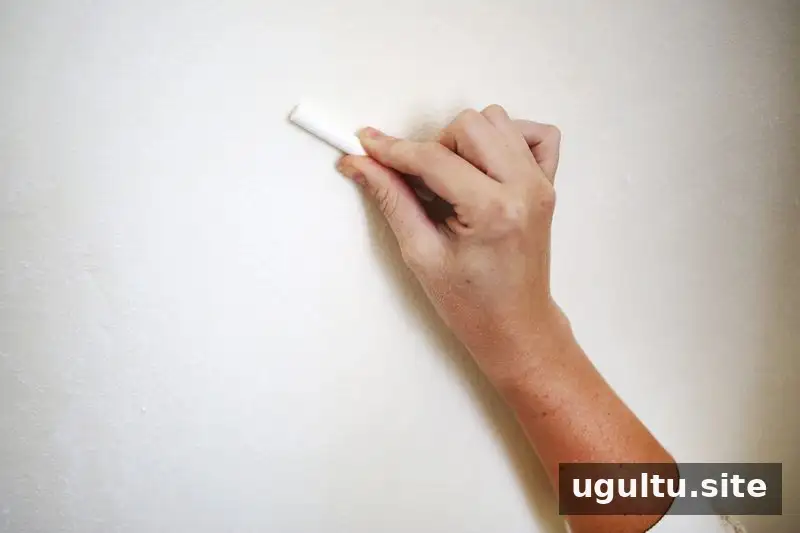
Before using a new chalkboard wall, season it by rubbing the side of a piece of chalk over the surface and then erasing it. This primes the wall and can make later marks easier to erase. Skipping this step may leave the surface harder to clean evenly.
Use a soft, suitable eraser and follow the paint manufacturer’s care guidance. If marks remain, test any cleaning method in an inconspicuous spot before treating the whole wall.
Is a white chalkboard wall right for your room?
A white chalkboard wall is a practical choice for anyone who wants a reusable writing surface without the strong visual effect of a traditional dark wall. Coordinated paint colors, high-visibility chalk, and proper seasoning help make it both attractive and easier to use. With a little planning, it can balance a clean interior style with a playful, changeable feature.
— Elsie


