
 admin
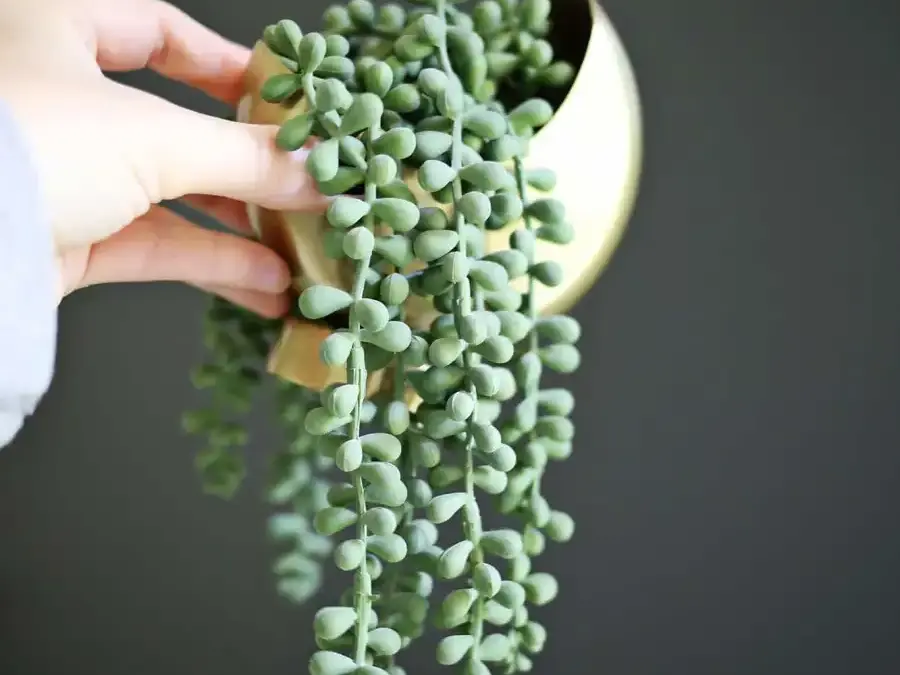
Faux plants can bring a touch of greenery to corners where living plants struggle, such as dim hallways, high shelves, and rooms with little natural light. The best faux plants look convincing from a normal viewing distance and suit the space without requiring watering or other plant care.
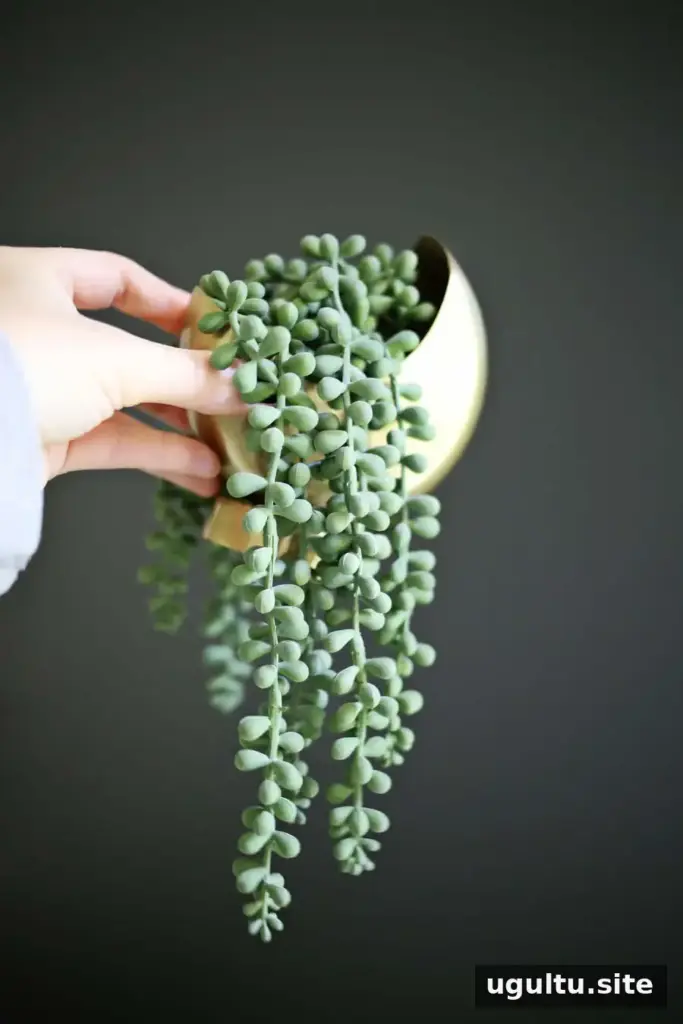
They can also be a practical choice for people who travel often or find it difficult to keep certain varieties alive. Unlike real plants, artificial ones do not need sunlight or watering, although occasional dusting helps them look their best. Choose a size and shape that fit the location, and consider whether the plant will be viewed up close before deciding how realistic its finish needs to be.
Why choose faux plants?
Some areas of a home are simply difficult places for living greenery. A dark corner, a shelf that is hard to reach, or a bathroom with limited fresh air may not provide suitable conditions. Faux plants can add color and texture to these spots without the risk of wilting when care is inconsistent.
They are also useful for filling high shelves that are awkward to water. Succulents and air plants are popular decorative choices, but they still need appropriate care. If a particular plant repeatedly struggles in your home, an artificial version can offer a similar visual effect with less upkeep.
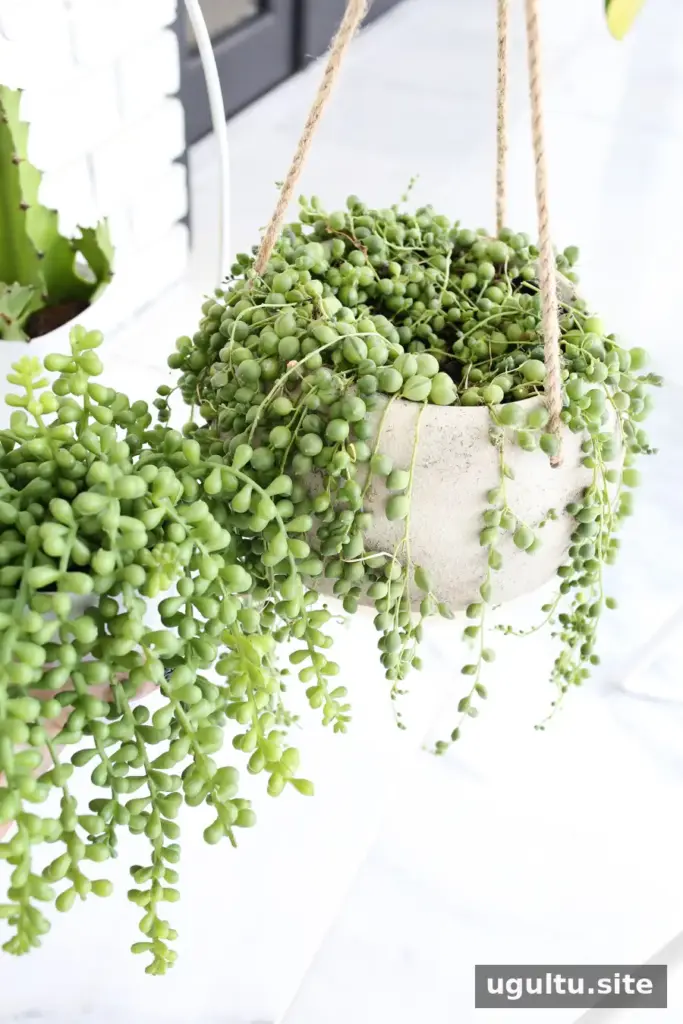
A comparison between an artificial succulent and a real one can help show how materials, details, and surface texture affect the overall appearance.
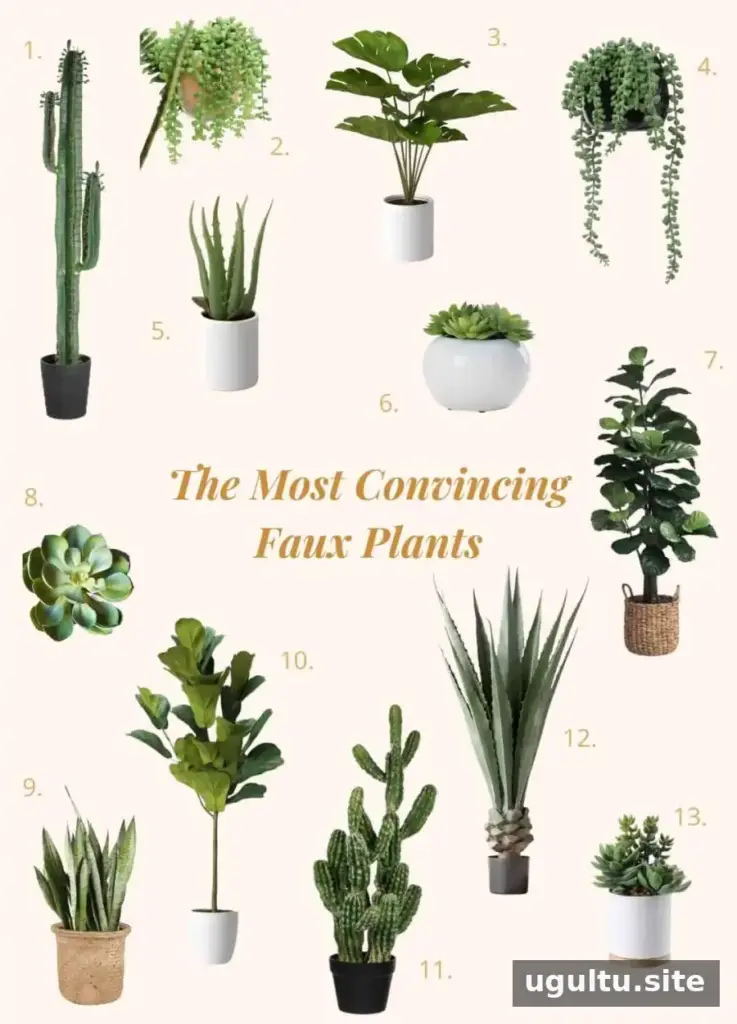
1 / 2 / 3 / 4 / 5 / 6 / 7 / 8 / 9 / 10 / 11 / 12 / 13
When comparing options, look closely at leaf shape, color variation, and visible seams. A plant that looks natural from across the room may appear less convincing when examined up close or touched. Keep the intended viewing distance in mind when choosing a style.
Where to display faux plants
Faux plants work particularly well on high shelves, in naturally dark rooms, and in spaces where windows are rarely opened, such as some bathrooms. They can also replace a real plant in a spot where it has repeatedly failed to thrive.
- High shelves: Use lightweight arrangements that are easy to place and remove for cleaning.
- Dim corners: Choose greenery that adds contrast without making the area feel crowded.
- Bathrooms: Consider the room’s style and available space, and wipe the leaves periodically to remove dust.
- Mixed displays: Arrange artificial plants alongside real ones for a varied, natural-looking collection.
How to choose convincing faux plants
Compare the price with what you would typically spend on a real plant of a similar size, and check options at craft stores and home-goods shops. A higher price does not automatically guarantee a more realistic look, so inspect the details whenever possible. Avoid placing artificial foliage in strong direct sunlight if its materials may fade, and dust it as needed to keep the colors clear.
A home can include both real and artificial greenery. Keeping most plants real—around 75% in this example—can help the faux varieties blend naturally into the overall display, while still making difficult spaces easier to decorate.
Final thoughts on faux plants
Faux plants are a useful option for dark rooms, hard-to-reach shelves, and households where regular plant care is not always practical. Choose them for locations where real plants struggle, pay attention to realistic details, and keep them clean. Used thoughtfully alongside living greenery, faux plants can make a home feel more inviting without adding watering tasks.
— Elsie


