
 admin
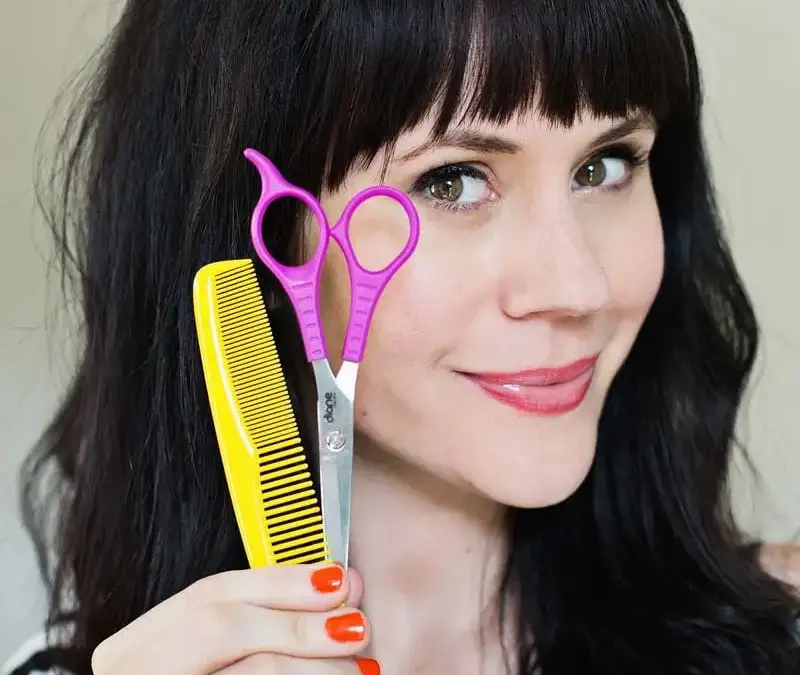
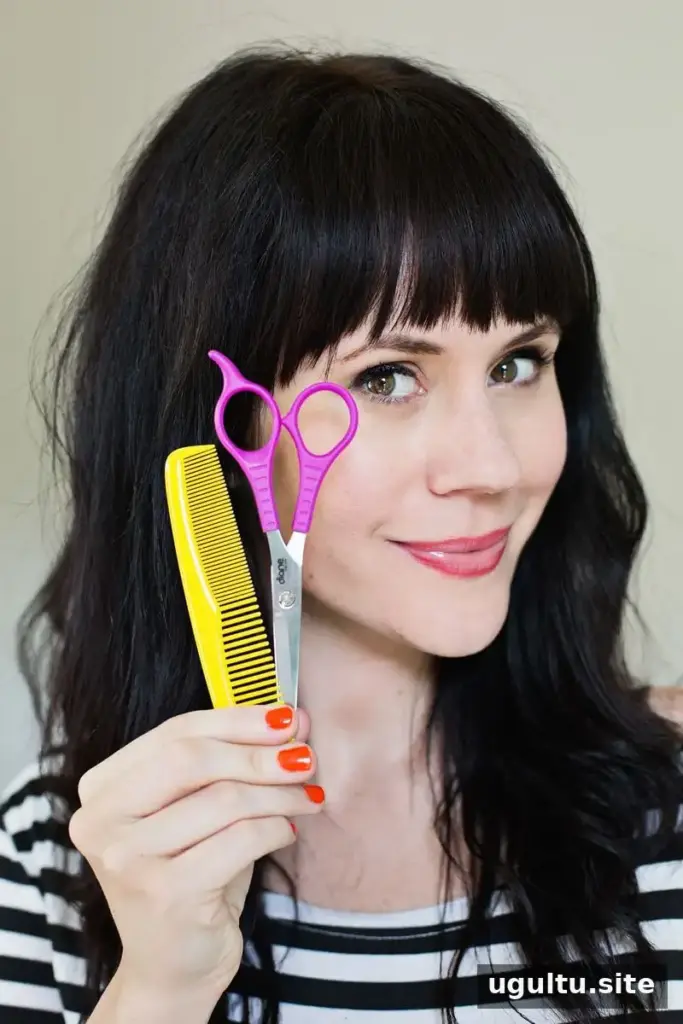
Cutting bangs at home can feel like a quick fix when they start getting in your eyes, but even a small trim can change their shape. Professional hairstylist AnnaRose generally recommends having a stylist maintain your fringe. If you decide to make a minor adjustment yourself, use proper tools, work slowly, and stop before you think you need to cut more.
Cutting bangs at home: choose the right tools
Use scissors made for cutting hair rather than kitchen or craft scissors. Hair-cutting scissors are designed for this purpose and can help you make more controlled cuts. A regular comb is also useful for separating and arranging the hair evenly.
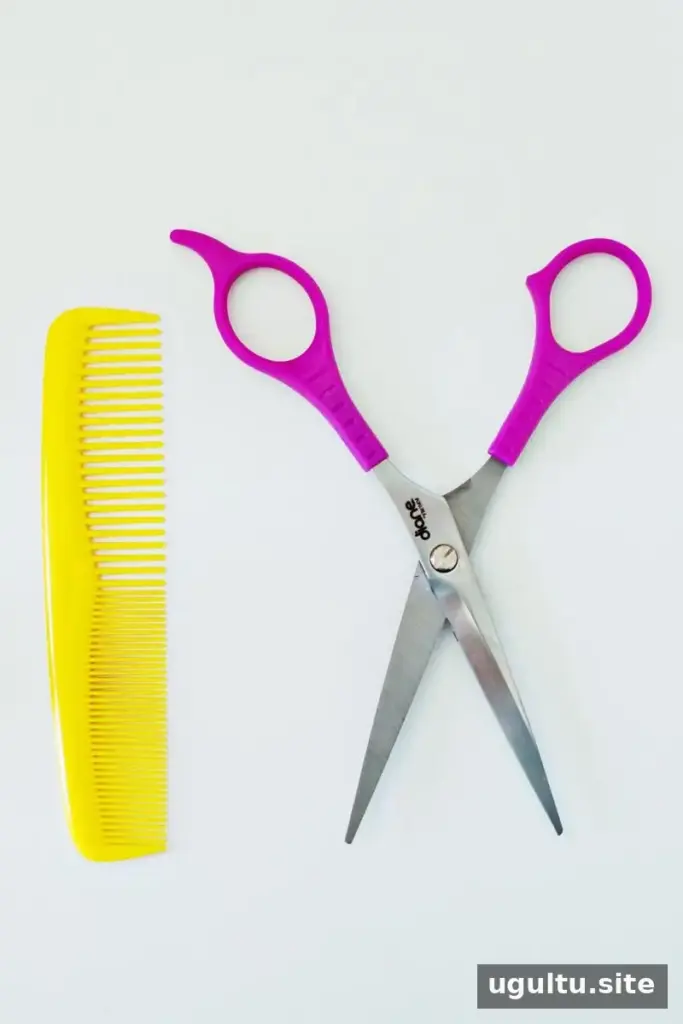
- Use clean hair-cutting scissors.
- Keep a regular comb nearby to guide small sections.
- Avoid substituting household scissors, which may make it harder to get a neat, controlled trim.
Good tools do not guarantee a perfect result, so keep the goal modest: tidy the ends rather than trying to reshape your bangs.
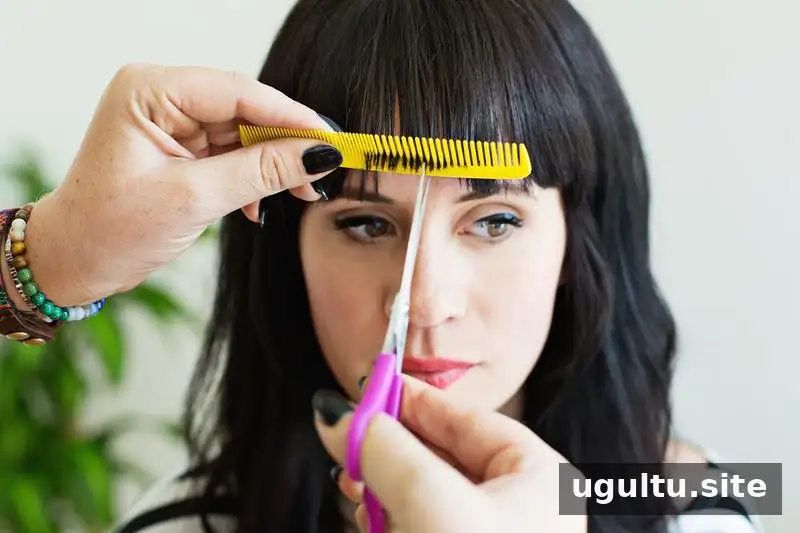
Prepare your bangs before trimming
Trim your bangs when they are clean and completely dry. Hair can sit differently when wet, and its length may look shorter once it dries. Let your bangs fall into their usual position, then comb them gently into place. Avoid pulling them tight; tension can make it difficult to judge where the hair will sit naturally.
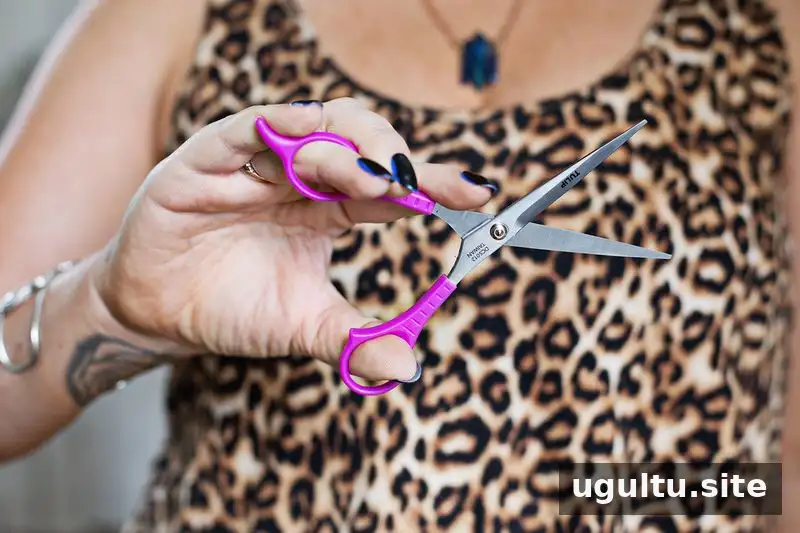
Hold the scissors with one loop around your ring finger and the other around your thumb. This grip lets your thumb move the blades and can offer more control, though it may take a little practice to feel comfortable. Keep your fingers and the scissors steady, and work in good light.
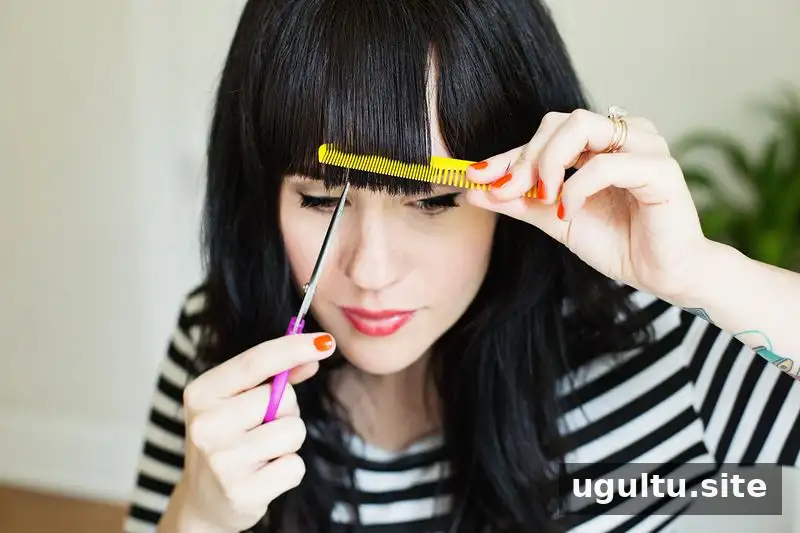
Trim in small, vertical snips
Rather than cutting straight across the fringe, point the scissors vertically into the ends and make tiny snips. Work gradually from one side to the other, checking the length and balance as you go. Use the comb to hold the hair lightly without stretching it.
Take off less than you think is necessary. You can always make another small adjustment, but hair cannot be put back once it has been cut. Pause often, step back from the mirror, and check how the bangs fall before continuing. Avoid making a large cut in one go, especially if you are unsure about the shape.
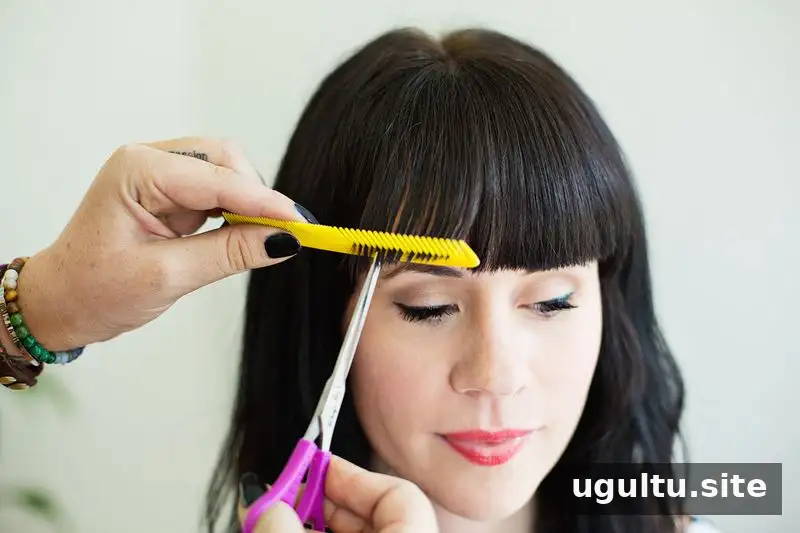
Know when to leave the trim to a professional
If your bangs need a new shape, are uneven, or are difficult to manage because of their natural growth pattern, it is safer to book an appointment with a hairstylist. A professional can assess how the hair falls and make a more substantial correction. For a small maintenance trim, patience and a light touch are essential.
In short, cutting bangs at home is best approached as an occasional, minimal tidy-up—not a full haircut. Use hair-cutting scissors, work on clean, dry hair, and make small vertical snips. When in doubt, leave the next step to your stylist.
Tips by AnnaRose, professional hairstylist.


