
 admin
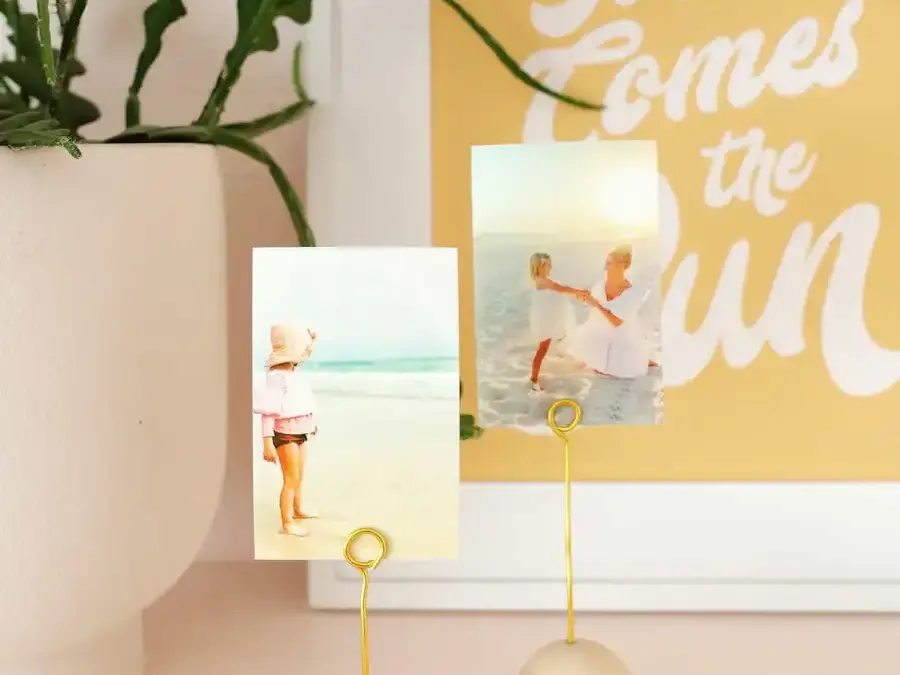
Family photo displays bring favorite memories into your everyday spaces and add a personal touch to your home. Printed photographs can work on a large gallery wall, in a frame on a shelf, or as a small accent on a desk. With a little planning, you can make a display feel intentional without needing every frame or photo to match exactly.
Start by choosing a location and deciding how much space you want the photos to occupy. A wall can hold a growing collection, while a mantel or shelf is better suited to a smaller arrangement that is easy to refresh.
Family Photo Displays: Choose a Frame or Format
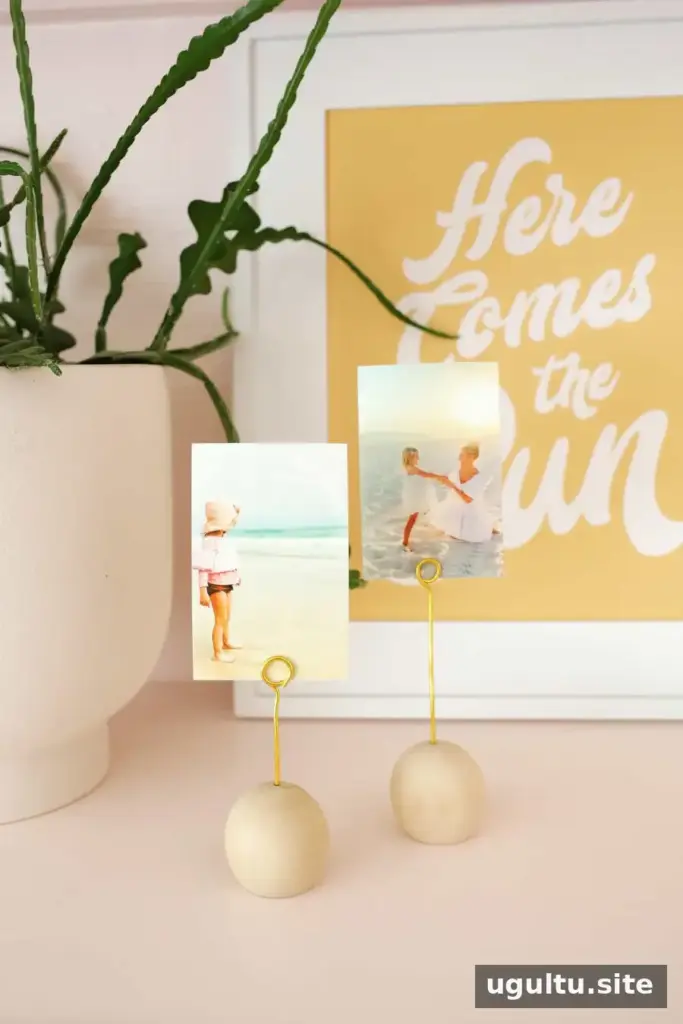
Frames are only one way to show photographs. You can use a single frame, a multi-opening mat, a photo holder, or a simple hanging display. If you enjoy hands-on projects, consider making a wooden circle frame, a pom-pom frame, a clear block frame, a floating acrylic frame, or a wooden hanger-style frame.
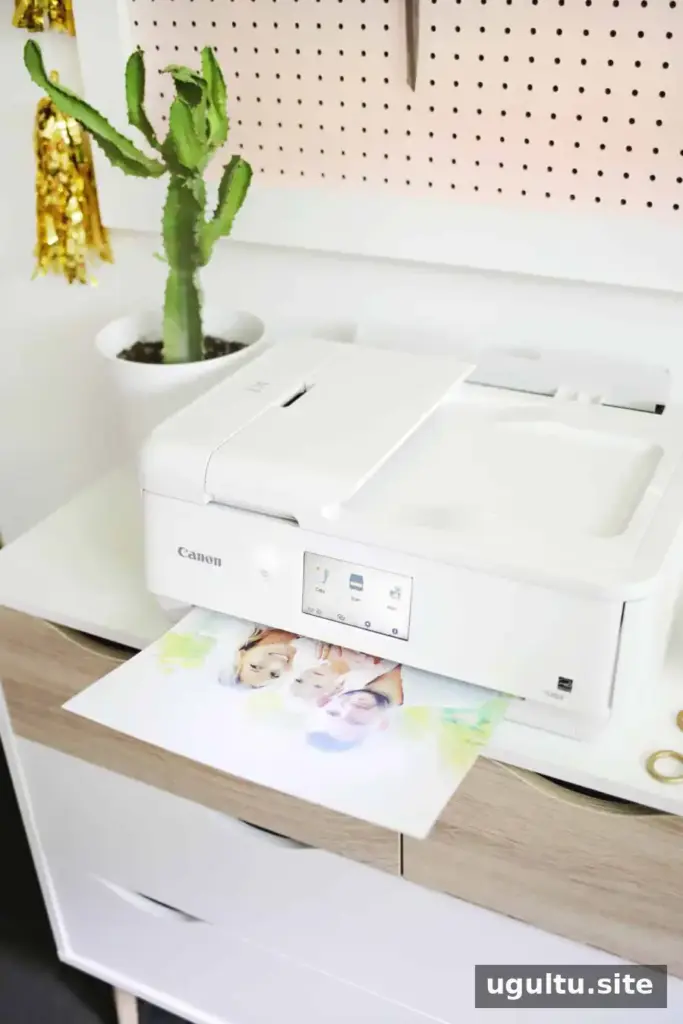
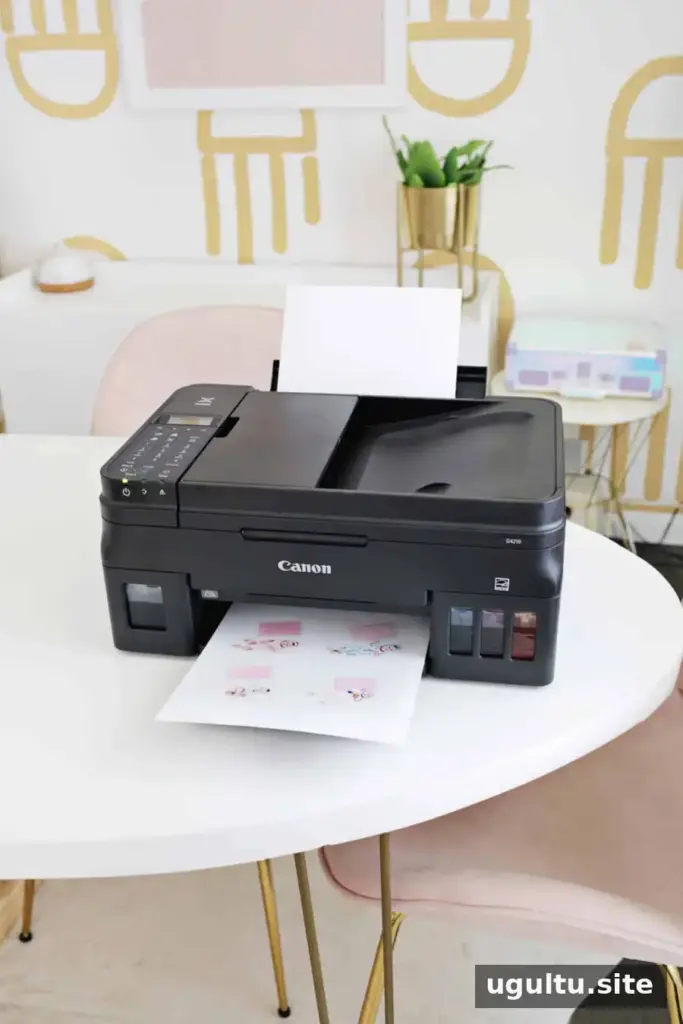
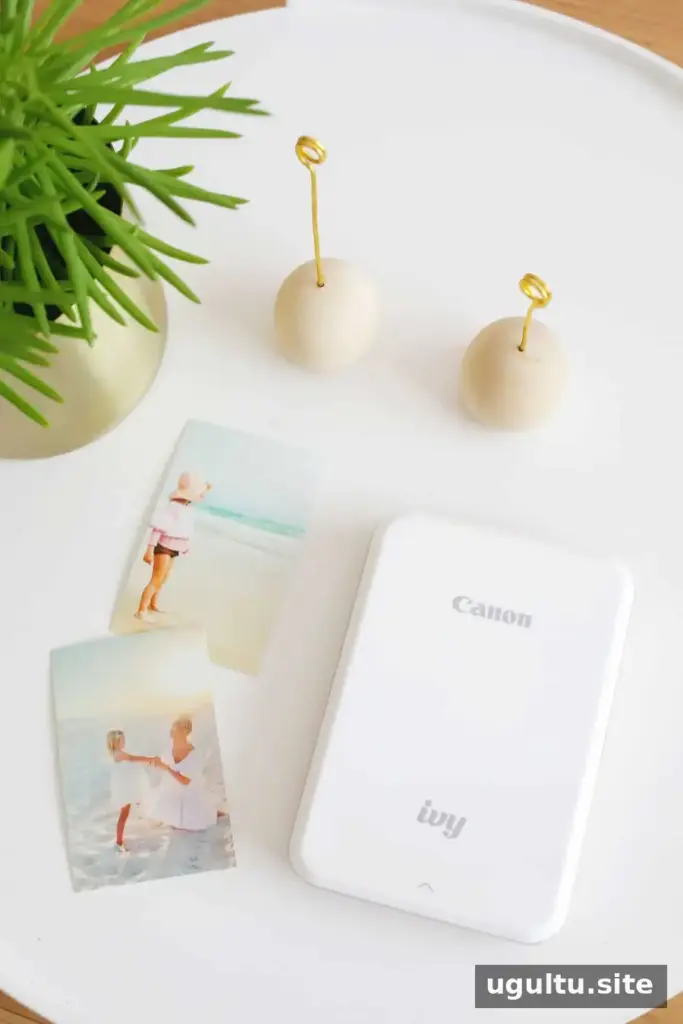
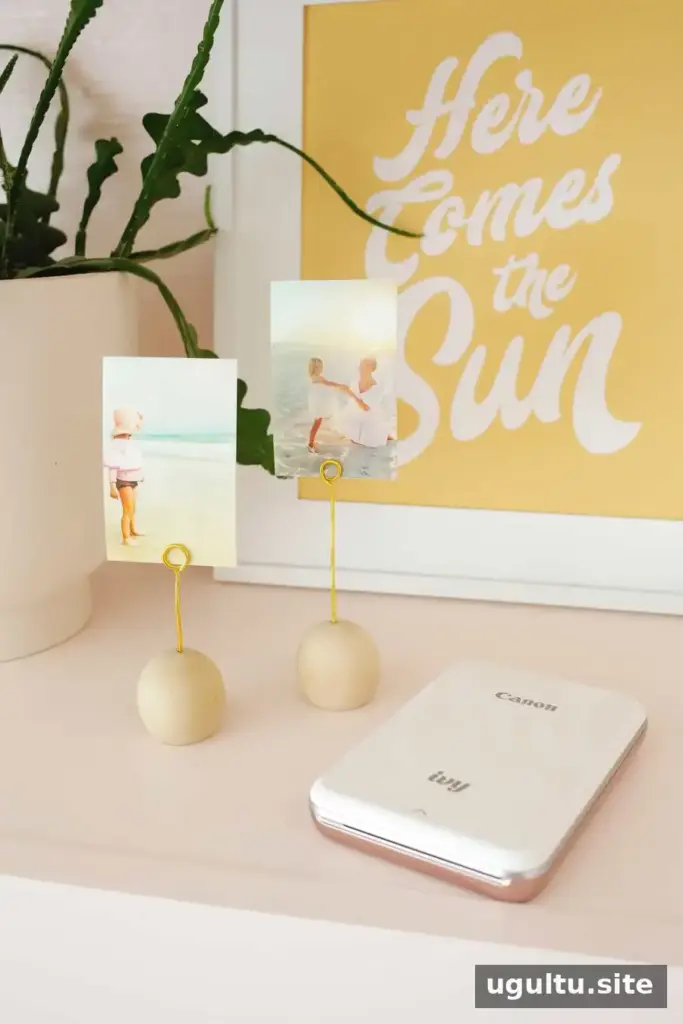
Before printing, check the dimensions of your frame or display and make sure your chosen print size will fit. Small 2 × 3-inch prints can suit compact displays, while larger formats can create a focal point. Home printing also makes it easier to replace a photograph when you want to show a newer memory.
For a tidy result, measure the available area and test your arrangement with paper cutouts before putting holes in the wall. This helps you check spacing and overall balance in advance.
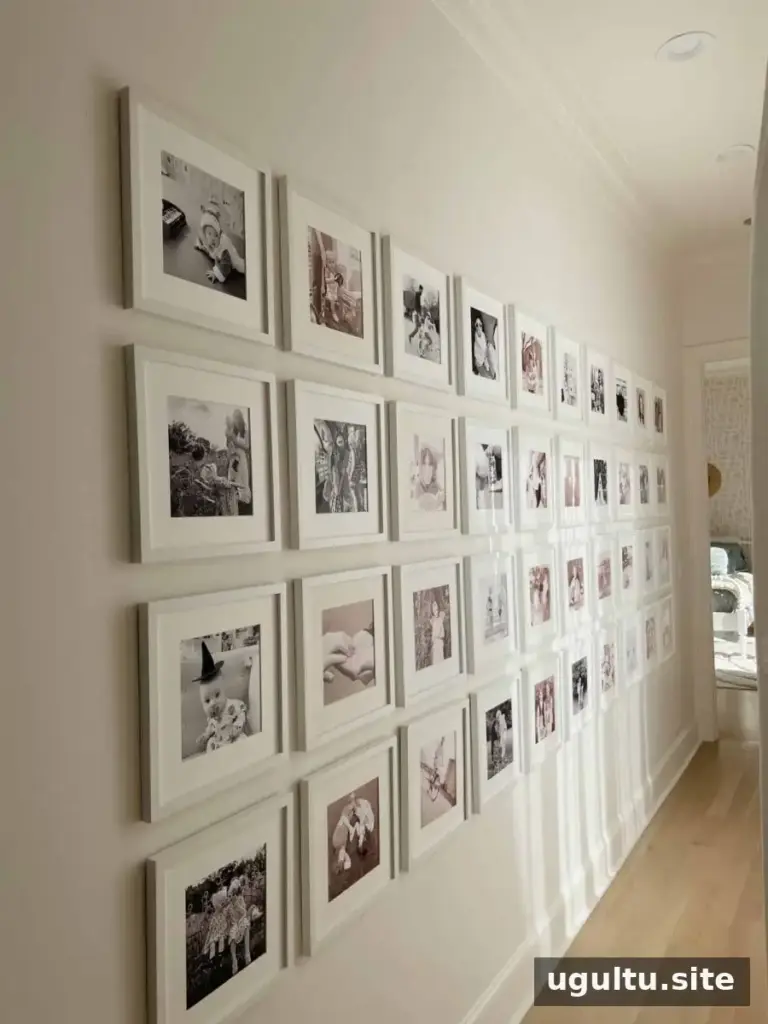
Use matching frames for a coordinated gallery wall
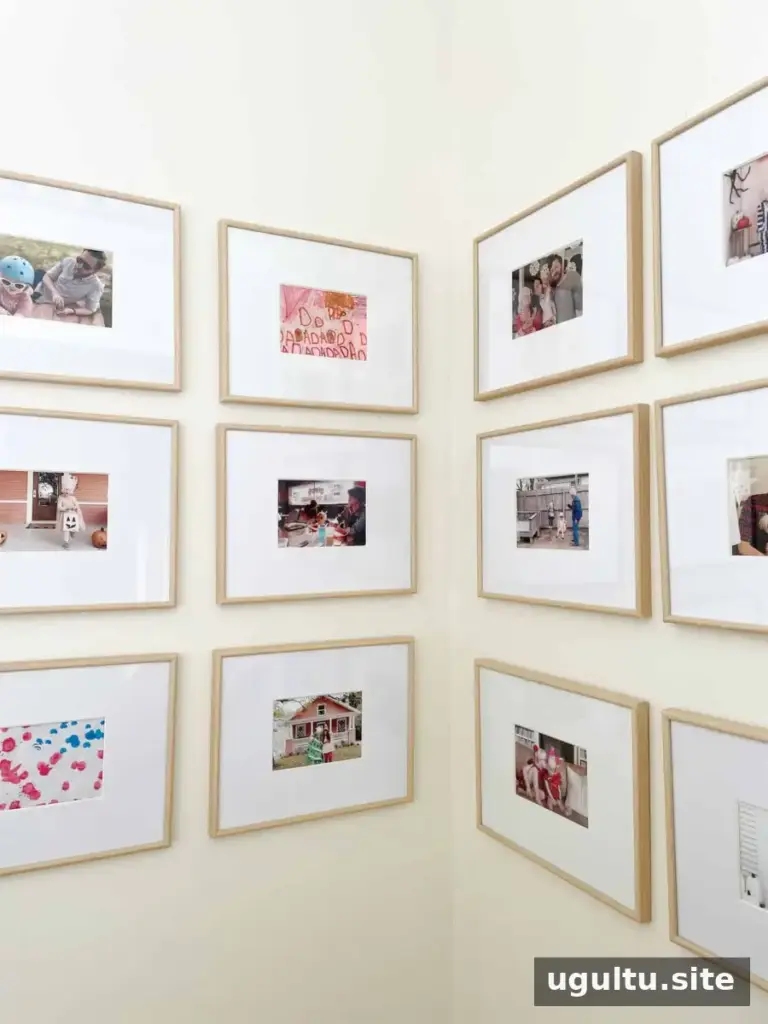
Repeating the same frame size and style gives a gallery wall a collected, orderly appearance. This approach can be especially helpful when you have many photographs or want the display to feel calm rather than visually busy. Frames in a color close to the wall can blend in, while a contrasting finish makes the arrangement stand out.
Lay out the frames on the floor first and keep the gaps consistent. If the display is large, use a level and mark the placement lightly before hanging each frame.
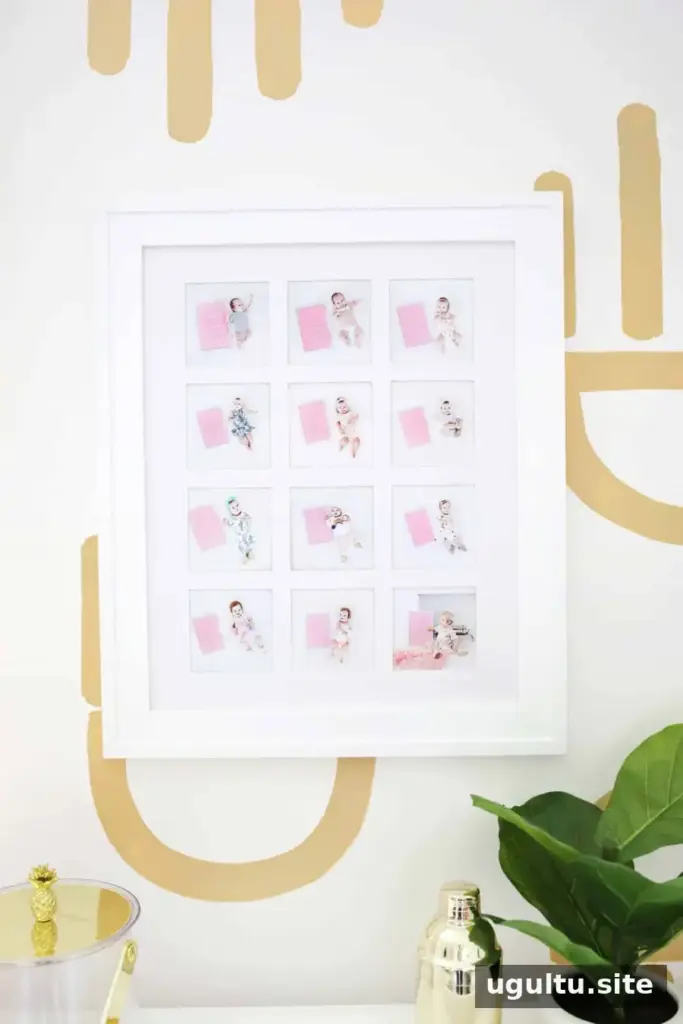
Group related photographs in one frame
A multi-opening mat is a useful way to bring a series of related images together. It works well for milestones such as the first day of school each year, a yearly family portrait, or a collection from one trip. Choose a frame large enough for the mat and arrange the photographs before securing them.
When making a mat yourself, measure each opening carefully and leave enough space around the edges so the photographs sit neatly. For a polished look, keep the images similar in size and orientation.
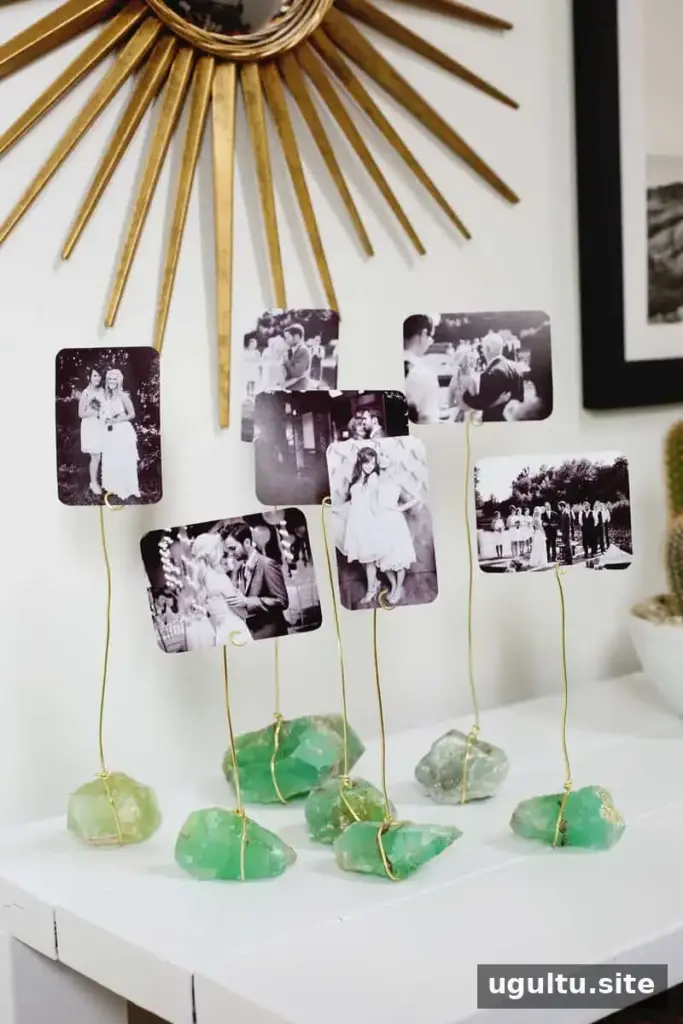
Choose a consistent color palette
A limited palette can help photographs with different subjects feel like one display. Black-and-white images are a straightforward option, while photos with similar tones can also create a cohesive effect. If the original colors compete with one another, converting copies to black and white or sepia may help them sit together more comfortably.
Keep the original digital files before editing, so you can make new versions later without losing the color photographs.
Mix close-ups with wider photographs
Varying the crop adds visual interest. Wider images can show the setting, such as a beach or landmark, while close-ups make faces and expressions easier to see. A combination of both types gives a display a more natural rhythm than using only one kind of photograph.
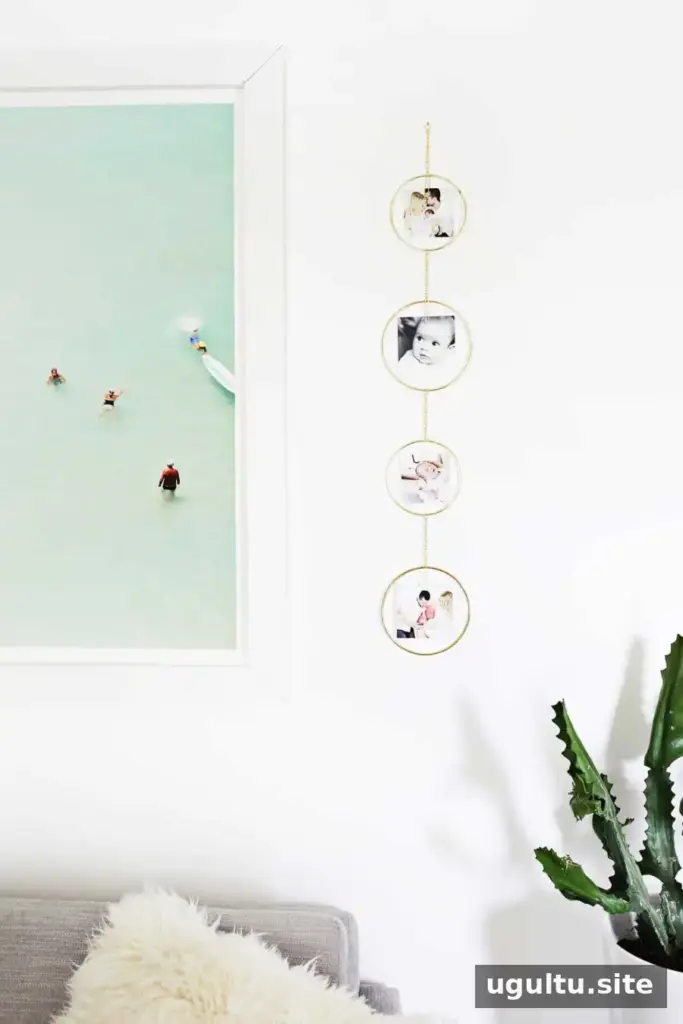
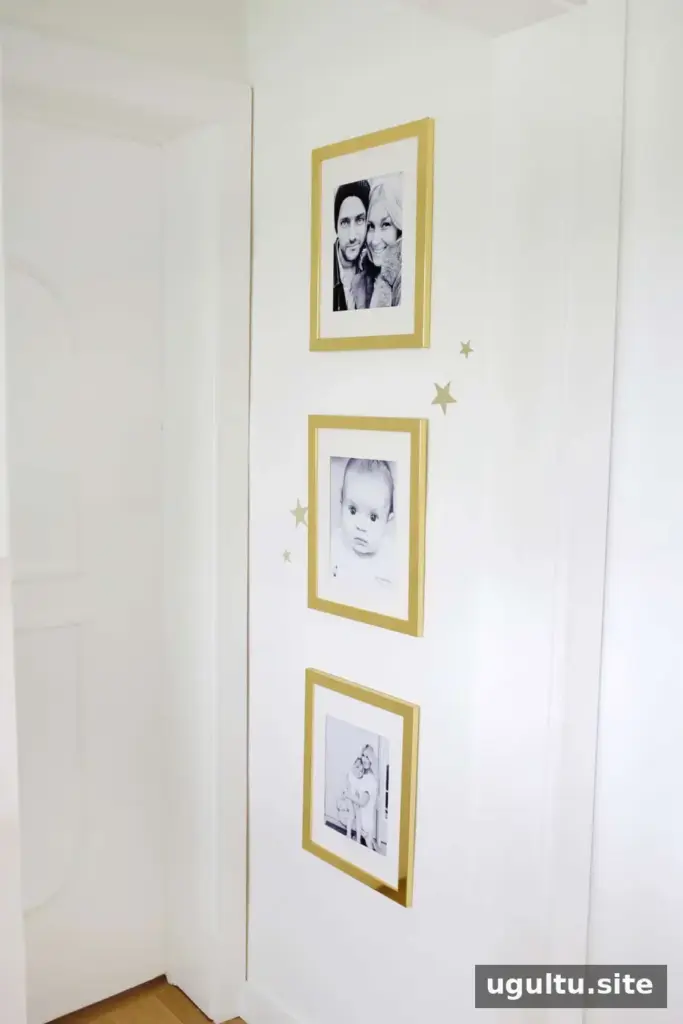
For a compact arrangement, try a vertical photo display on a narrow wall or in a corner where a larger gallery would not fit.
Combine large and small displays
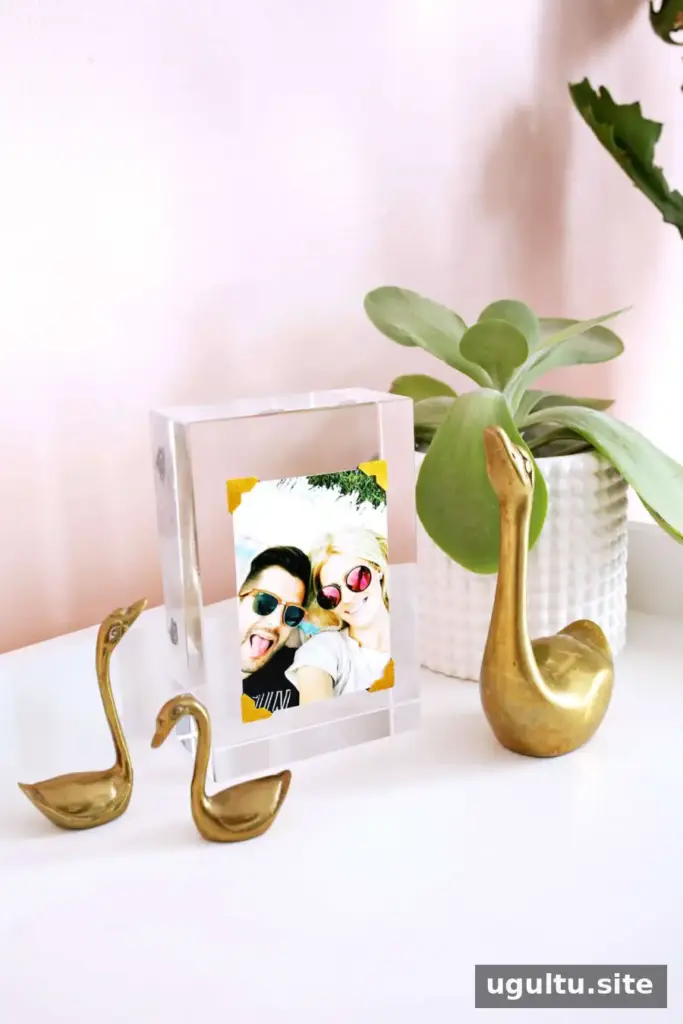
A large photo wall can personalize a room, but smaller arrangements are useful too. Place a few prints on a mantel, desk, dresser, or shelf to bring memories into different parts of the home. A small wooden photo holder or clear block frame can work well where there is limited space.
Balance the size of the display with the surrounding furniture. Leave some open space nearby so the photographs remain easy to notice rather than competing with other decor.
Refresh family photo displays over time
It is easy to leave older pictures in place, but adding recent photographs helps a display reflect different stages of family life. Set aside time occasionally to choose new images and rotate them into existing frames. Keeping a few spare prints in the correct sizes can make updates quick.
Family photo displays do not need to follow a strict formula. Choose frames and layouts that suit your space, combine images with a consistent palette, and update the collection when you have new memories to share. A thoughtful arrangement can make favorite photographs part of your home while staying easy to change.
By Laura


