
 admin
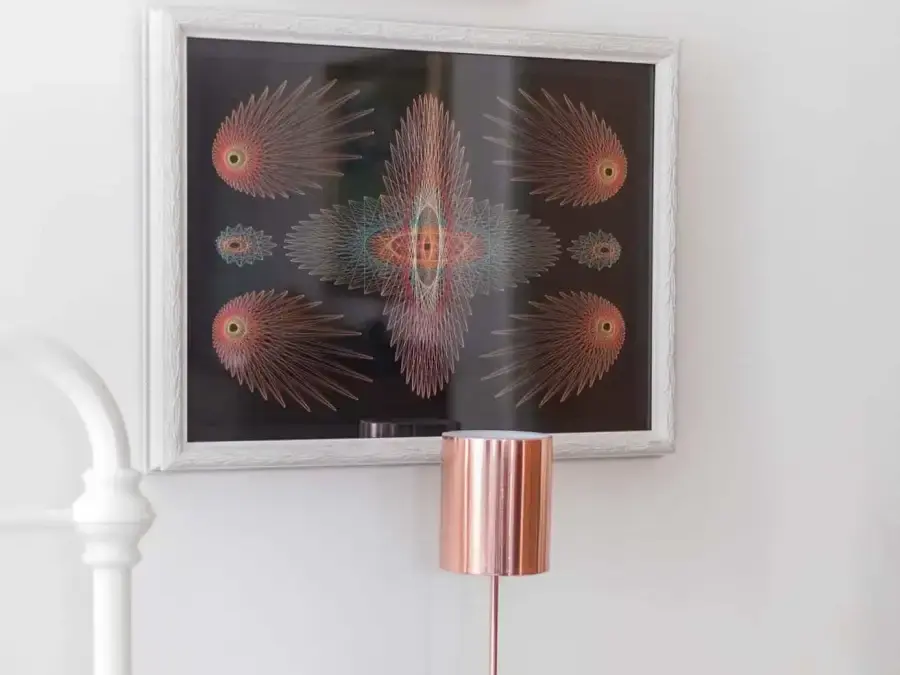
Thoughtful framing can help artwork stand out, protect delicate pieces, and give secondhand finds a fresh look. These art framing tips cover unusual objects, affordable frame options, and ways to update art when the original frame is damaged. Before choosing materials, consider the piece’s size, condition, and how you want to display it.
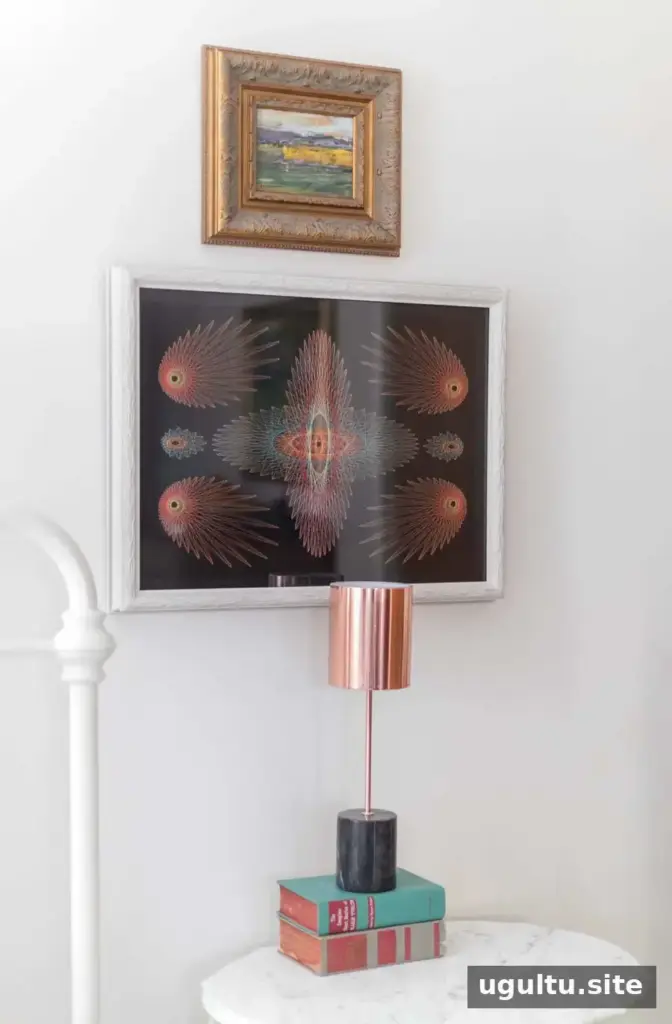
Art Framing Tips for Unique Objects
Art does not have to be a conventional painting or print. Textiles, postcards, and vintage photographs can all become distinctive wall displays when the framing method suits the object.
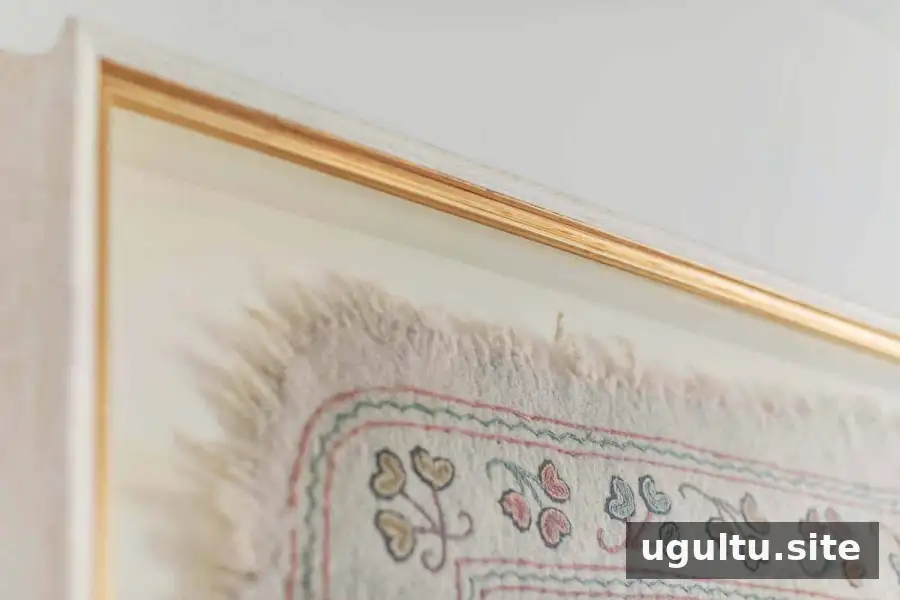
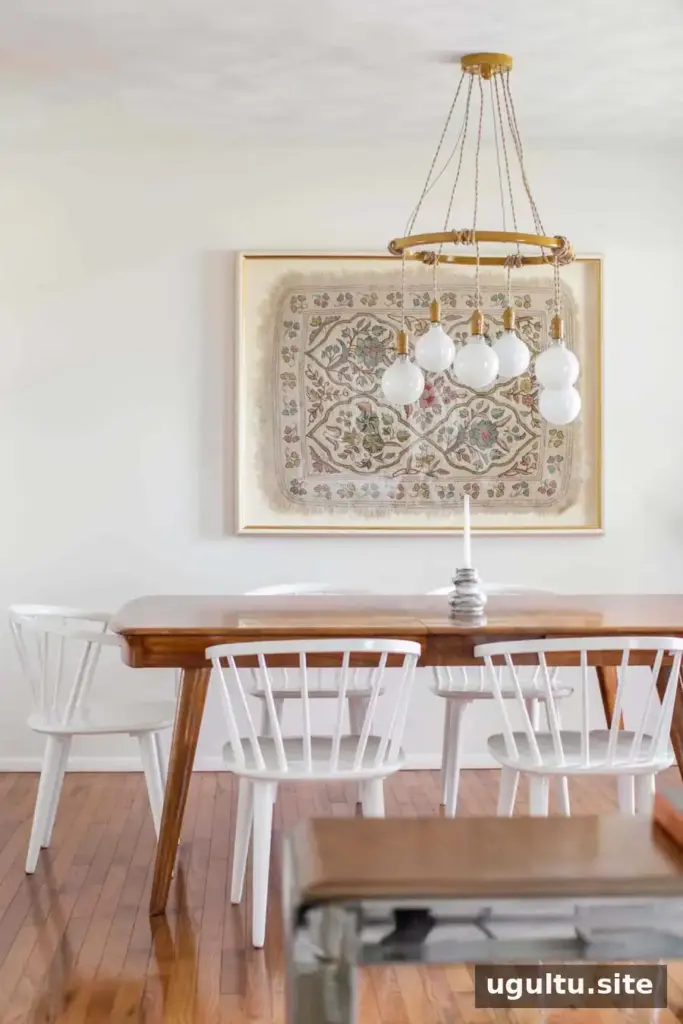
An embroidered wool rug, for example, can add color and texture to a large blank wall. Because a textile may be damaged by unsuitable mounting, ask a professional framer how it can be attached securely and preserved. In one example, two people spent three hours sewing the rug by hand onto a backing to avoid damaging it.
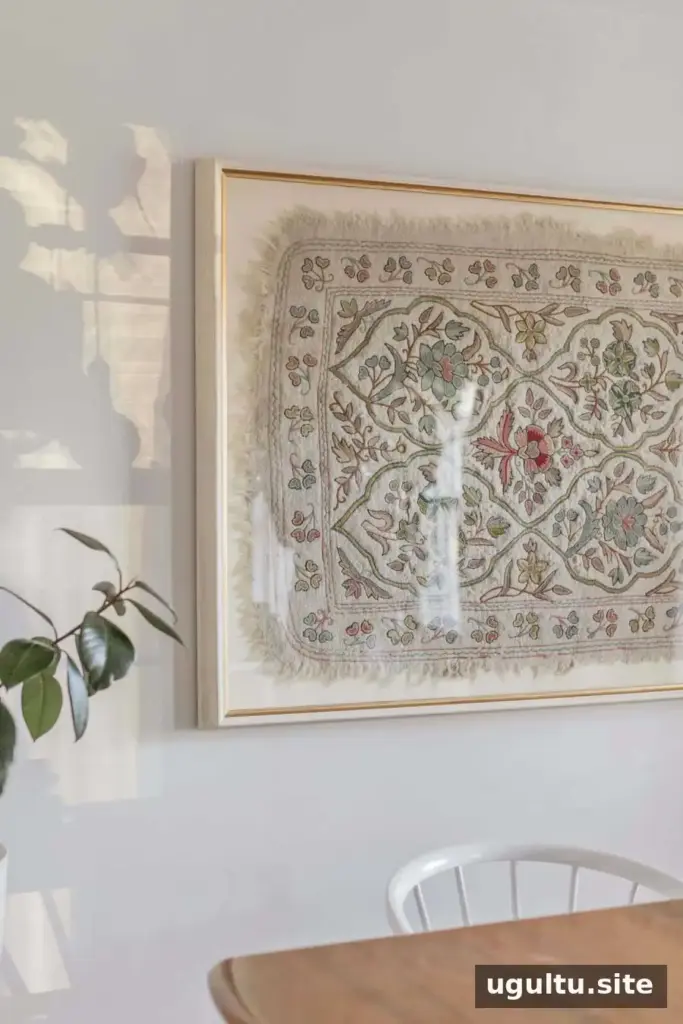
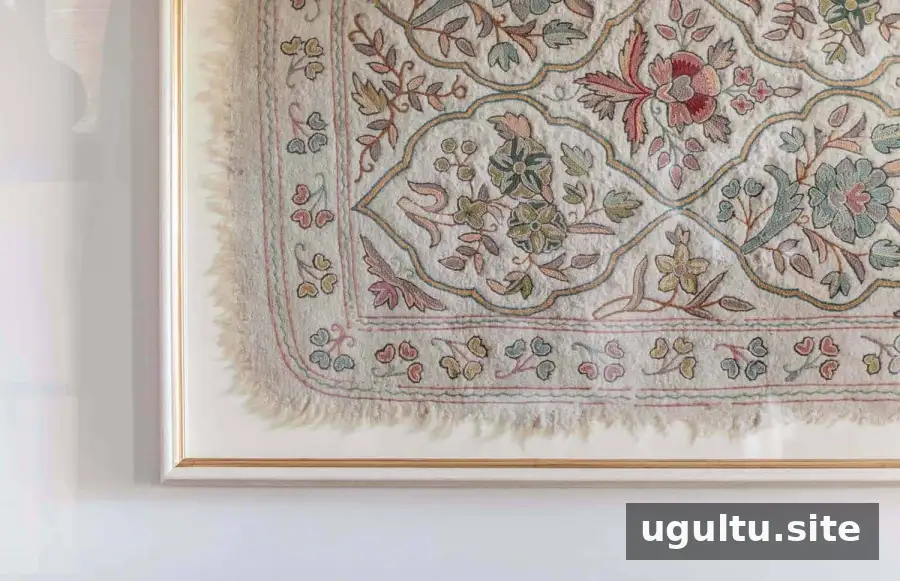
For delicate or unusual pieces, discuss the mounting method before approving the work. Ask how the object will be supported and whether the materials can be removed without harm. This is especially useful for items with historical or sentimental value.
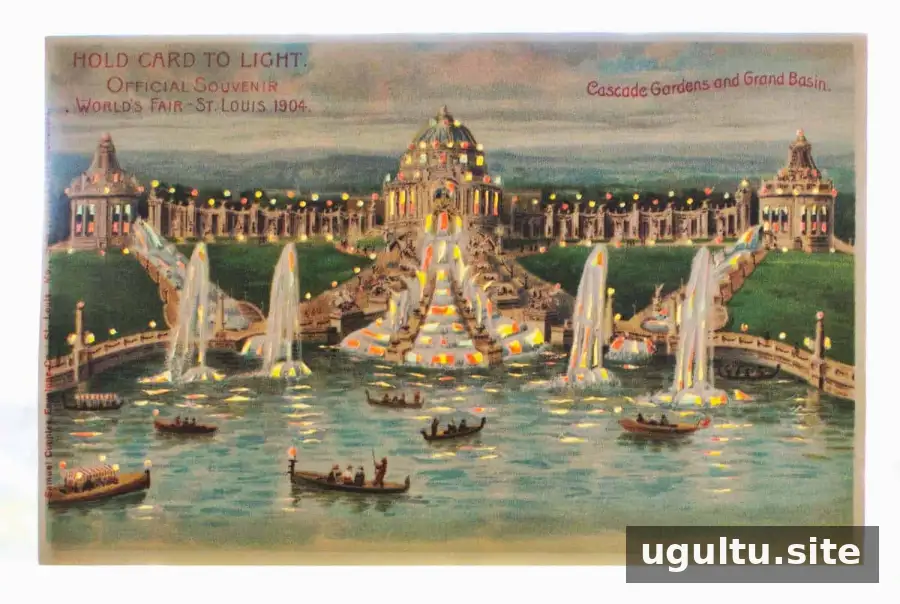
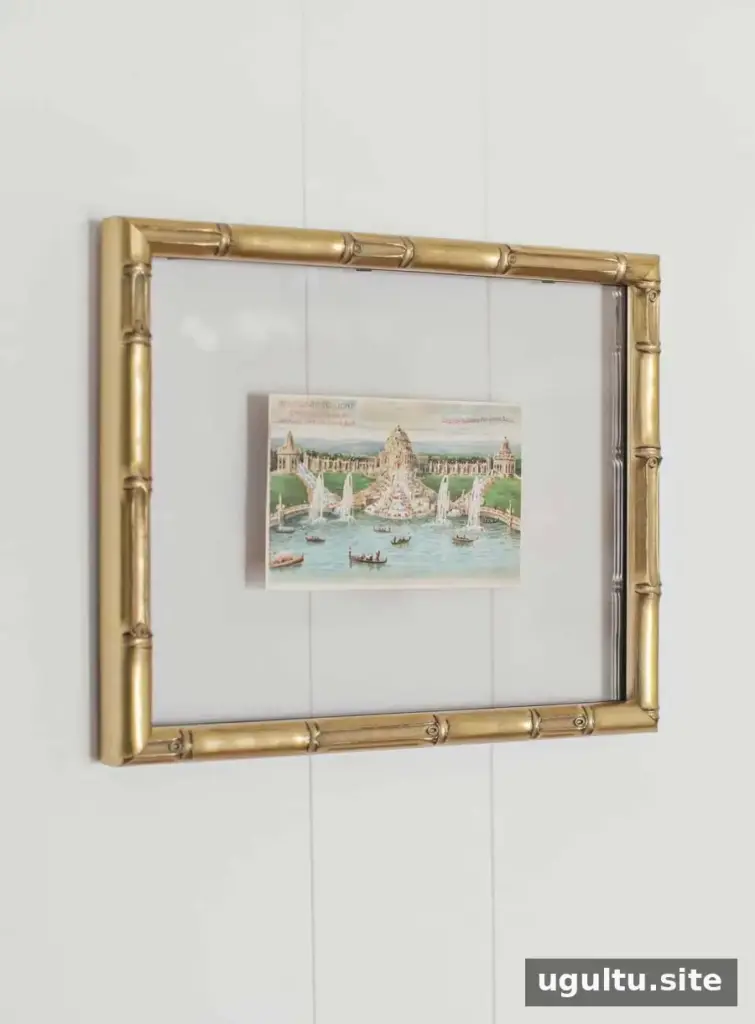
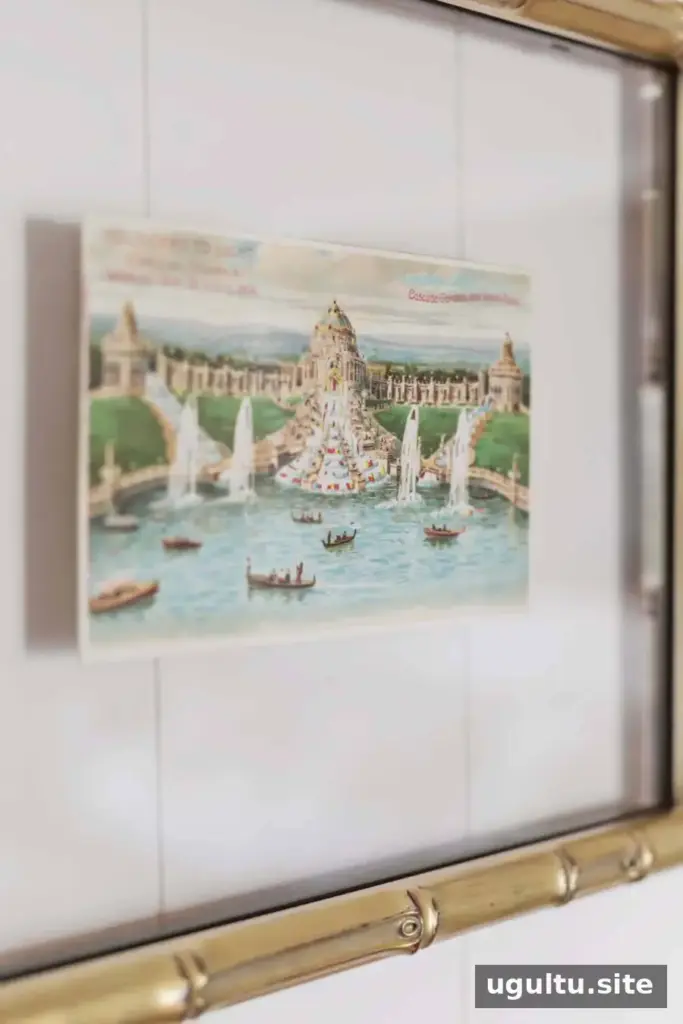
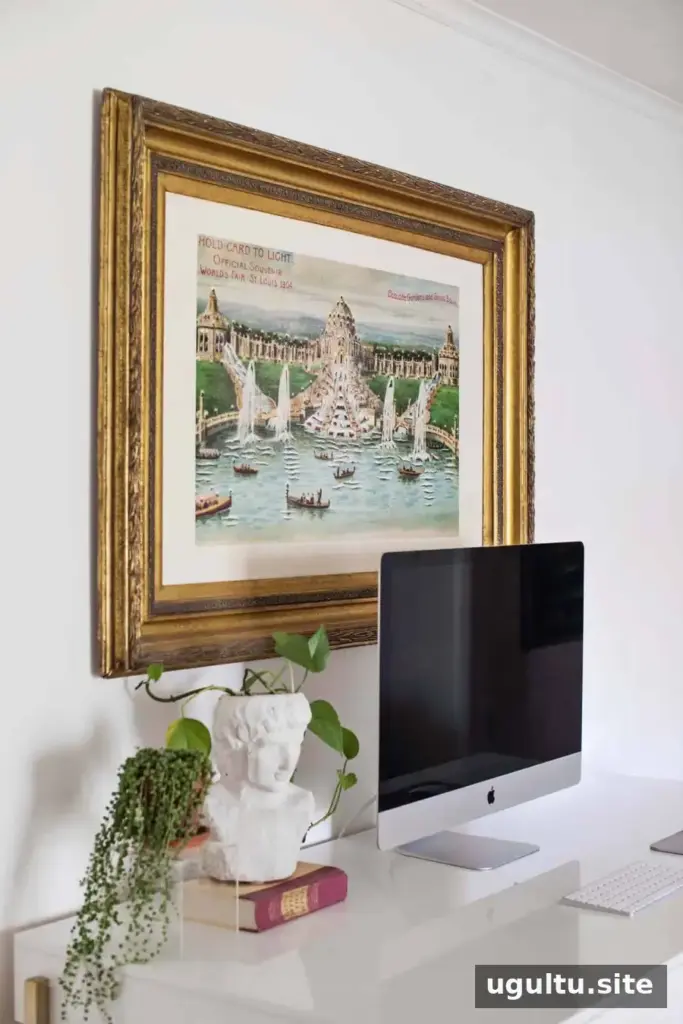
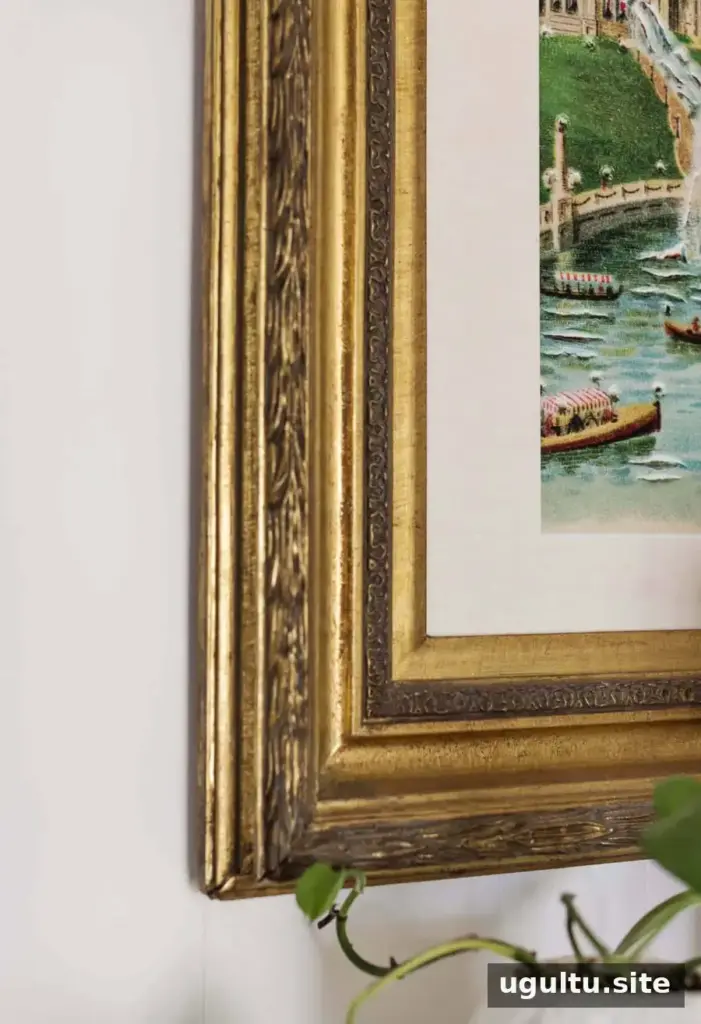
A postcard from the 1906 St. Louis World’s Fair illustrates another framing option. Its small cut-out areas have colored vellum or thin paper beneath them, creating a glowing effect when light shines through. To preserve the ability to view that effect, the postcard was placed carefully between two pieces of glass.
When framing a fragile paper item, explain how you want to display it and handle it as little as possible. A professional can advise on a suitable arrangement that protects the item while allowing its special details to remain visible.
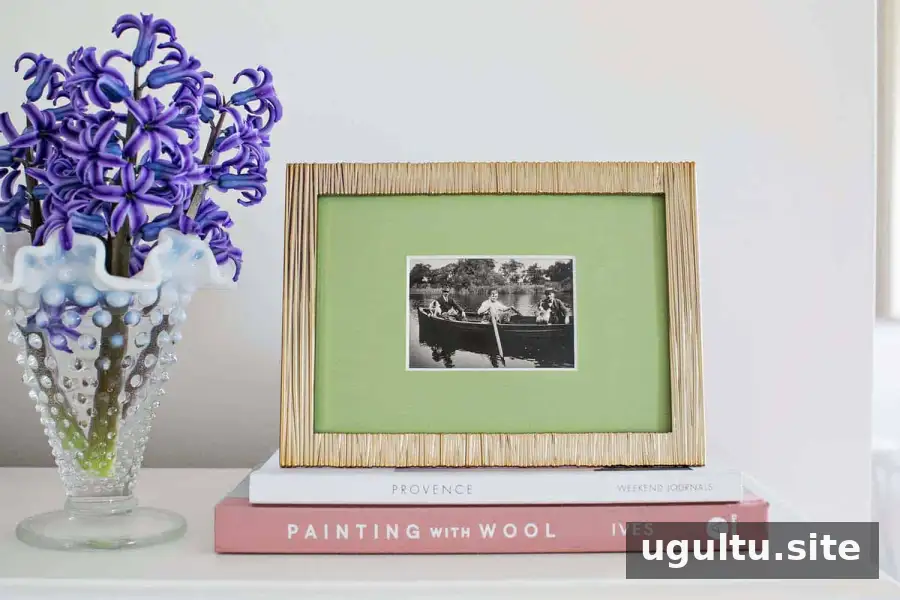
Vintage photographs can also benefit from a well-proportioned mat. A photograph dated 1931, found among old pictures at an antique mall, was paired with a frame and a custom-cut mat. The mat gives the image breathing room and helps draw attention to the composition.
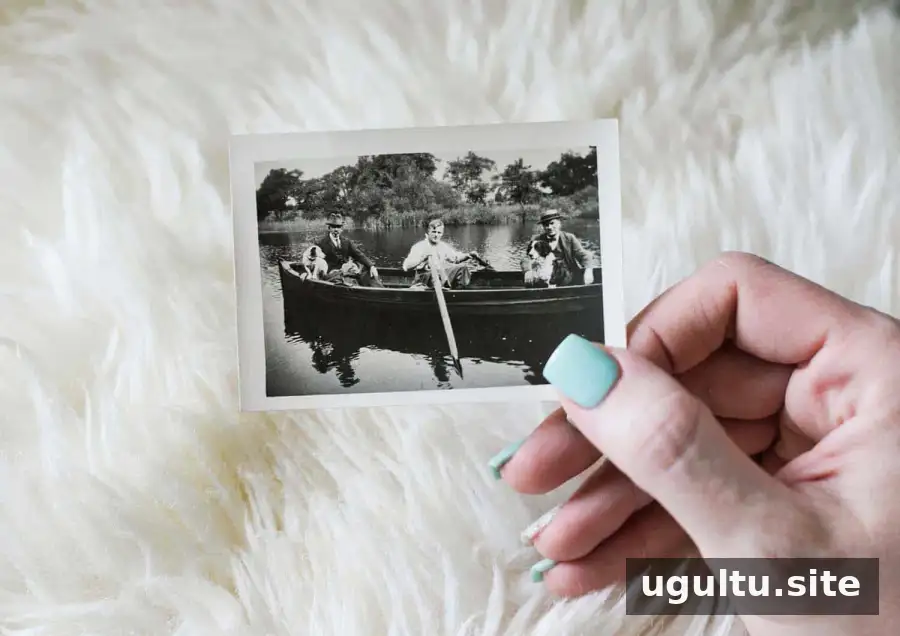
For a similar result, choose a frame slightly larger than the photograph and use a mat with an opening cut to fit. Pre-cut mats may work for standard sizes, while a custom mat can help when the image has unusual dimensions. Check the opening size and placement before the frame is assembled.
Save Money with Secondhand Frames
A used frame can be a practical way to reduce framing costs, even if the artwork inside is not to your taste. Look for a frame with the right dimensions and a condition that suits your needs, then consider replacing its contents with artwork that fits.
Before buying, inspect the frame for loose corners, cracks, missing parts, and damage to the backing. If the frame is usable, a framing shop may be able to replace the art, secure the back, and add hanging wire. One example of this service cost about $10–$15, though prices vary by location and project.
A frame can either complement the artwork quietly or make a more decorative statement. The key is to decide which effect you want. Simple frames often keep attention on the image, while ornate gold frames can create a deliberate contrast with modern or abstract art.
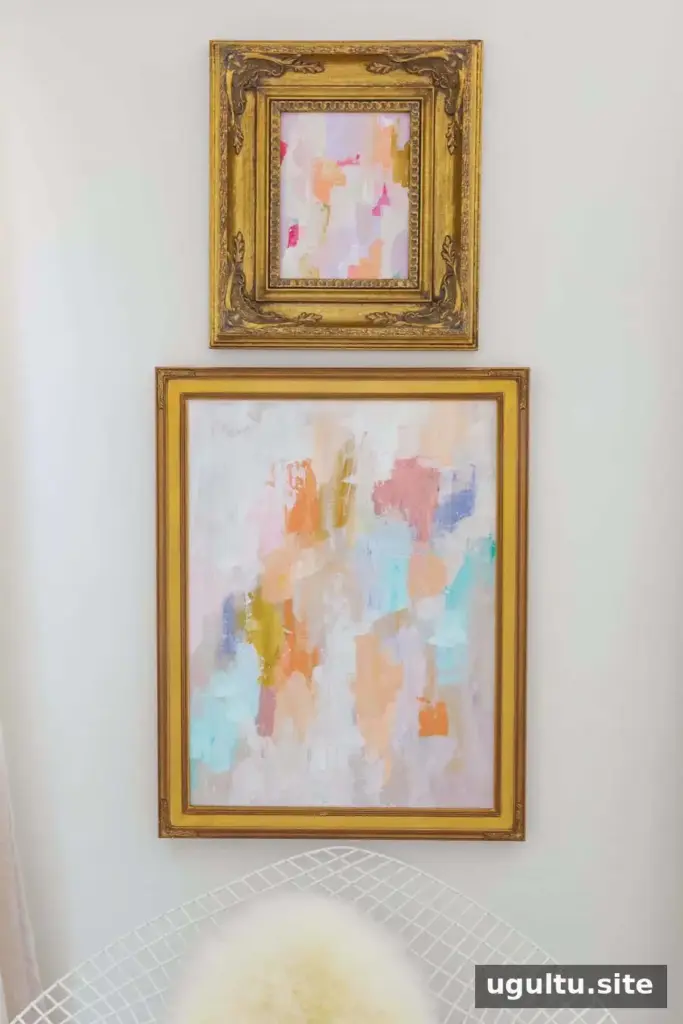
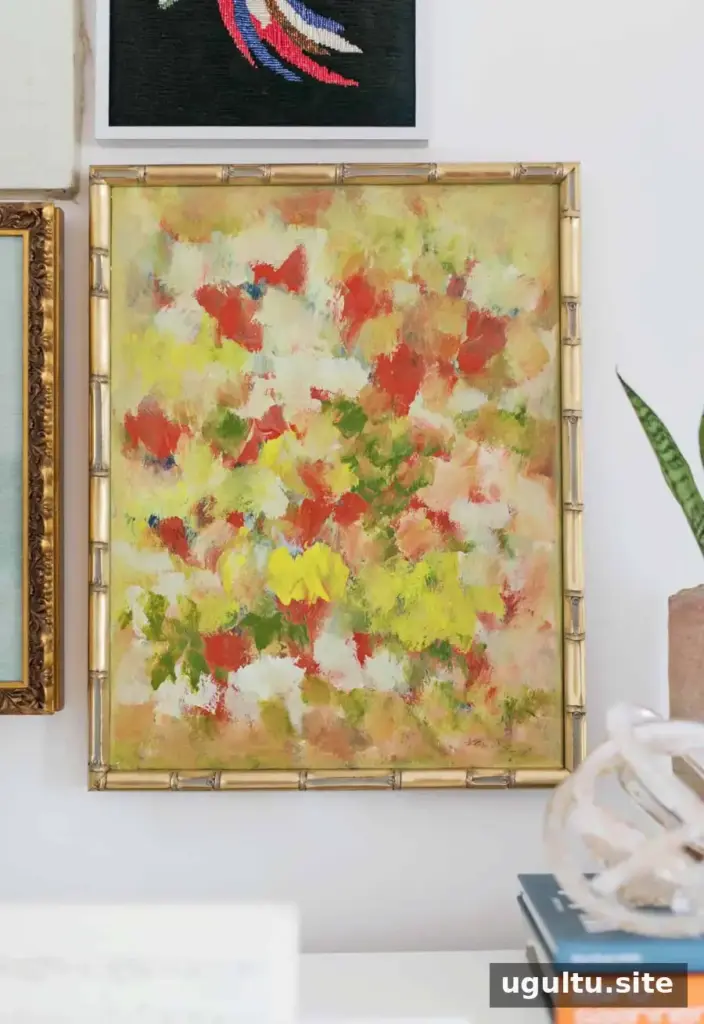
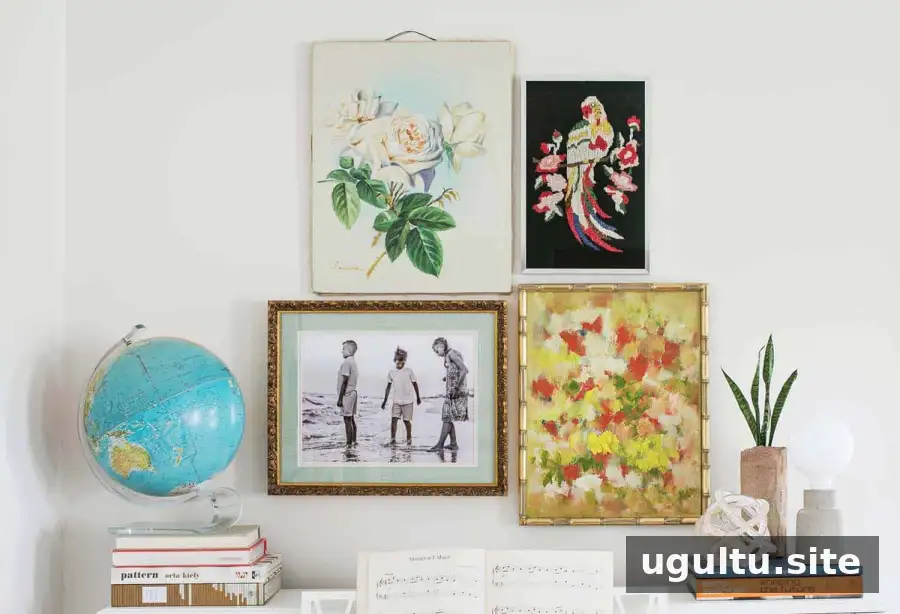
Abstract paintings by Kendra show how gold frames can pair a classic finish with contemporary artwork. When combining a bold frame and expressive art, consider their colors and proportions together so the overall display feels intentional.
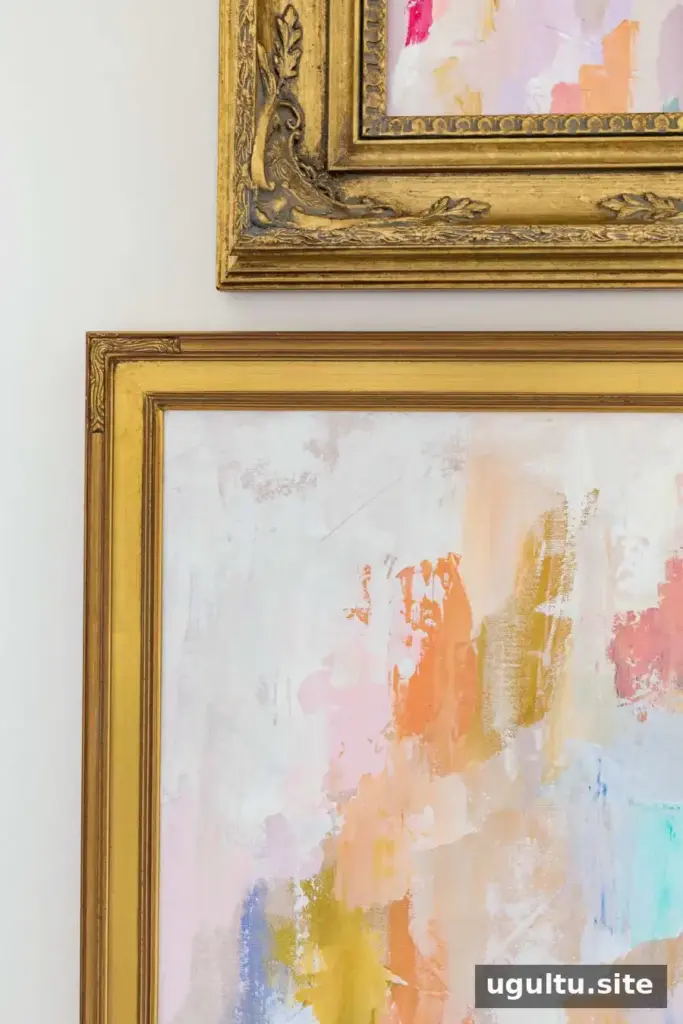
A large secondhand gold frame can also be saved until a suitable piece is found. In one example, a postcard was scanned, lightly adjusted to improve its color and sharpness and remove dust spots, then printed larger than the original. The print was made slightly smaller than the frame so a mat could be added.
If you plan to reproduce an artwork or photograph, make sure you have permission to do so where required. For a polished result, take the print and frame to a professional to choose a suitable mat and glazing.
Buy Art with a Damaged Frame
Artwork in a worn or damaged frame may still be worth considering if the art itself is in good condition. Replacing the frame can refresh the piece without requiring a new artwork.
When possible, keep the original glass, since replacement glazing can add to the cost. However, do not remove fragile artwork yourself. Take the complete piece to a framing professional and ask them to disassemble it safely, especially if the art is stuck to the glass or the frame is unstable.
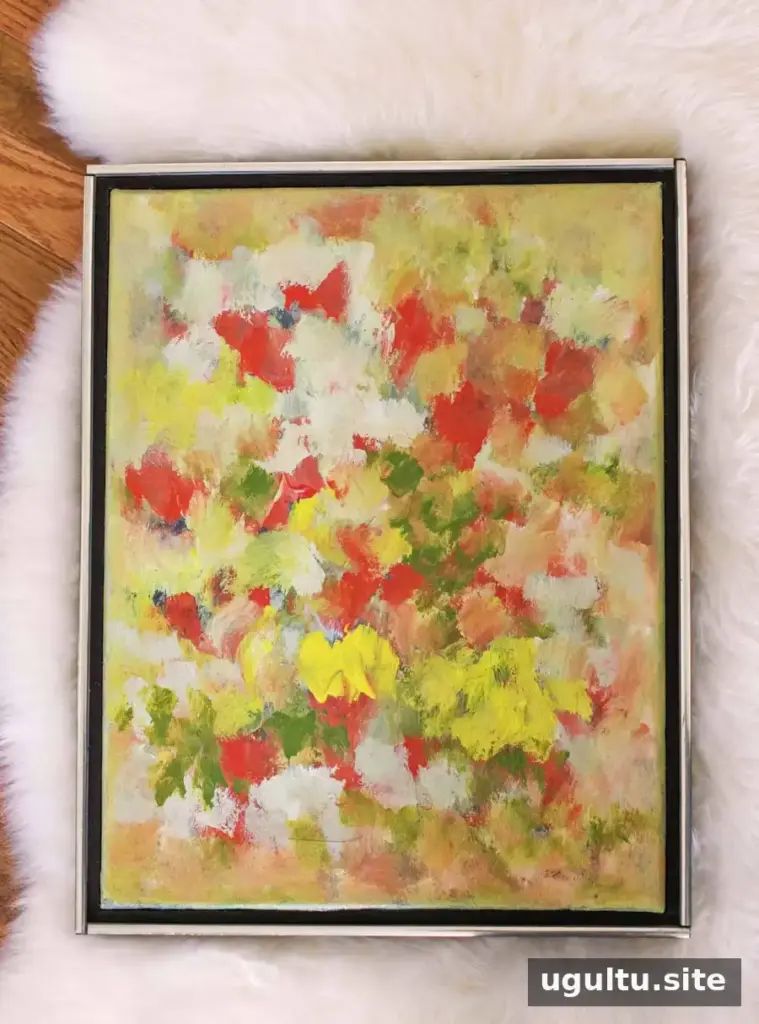
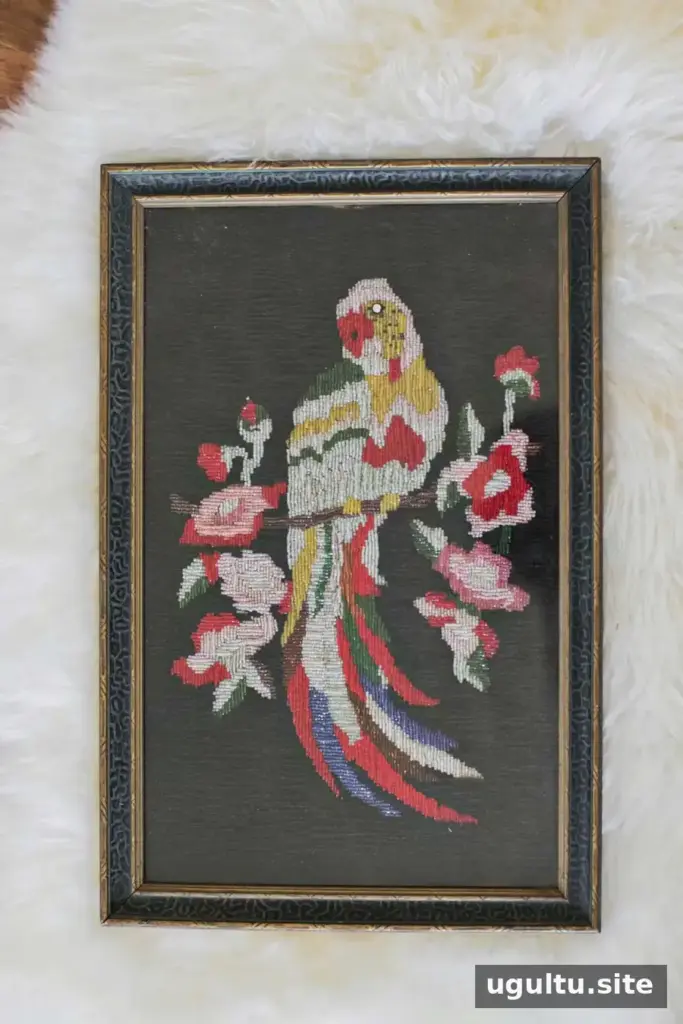
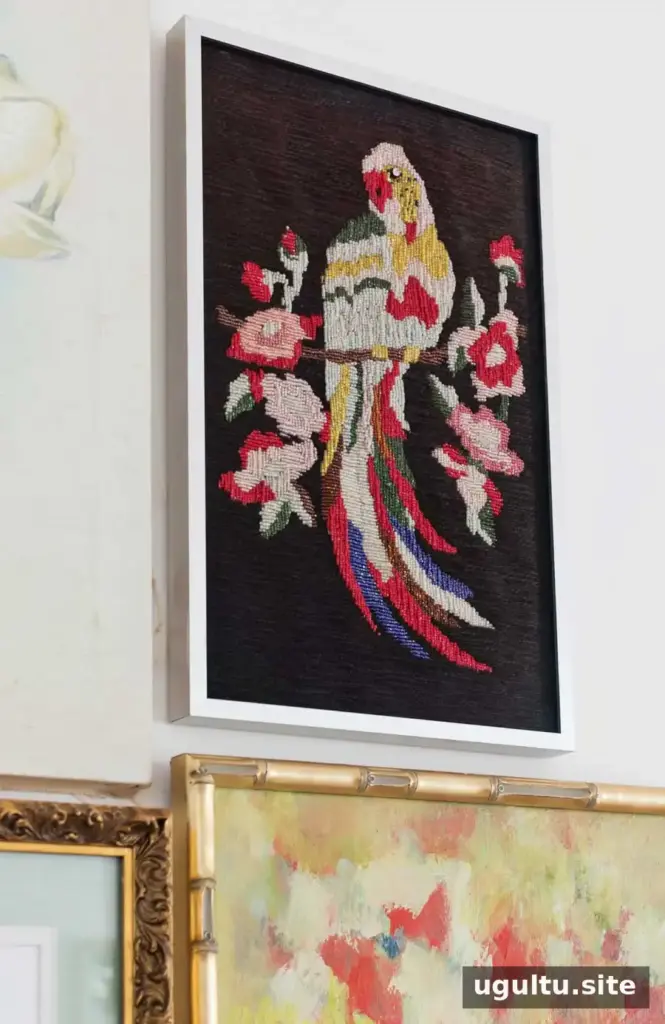
Several pieces purchased with damaged frames were given sturdy replacements. Before arranging similar work, take clear photos of the artwork and frame, and ask for an estimate that covers materials and labor.
Make Framing Work for Your Space
Whether you are framing a textile, displaying a historic postcard, or updating a picture with a worn frame, choose materials and methods that suit the object. Measure carefully, protect delicate items, and compare the cost of repair with replacement before making a decision.
With a little planning, art framing tips like these can help turn overlooked objects into display-worthy pieces while keeping them safe to enjoy.
More ideas to explore:
- Ways to update a thrifted photo frame
- Ideas for finding affordable wall art
- Custom framing methods for home projects
- Creative ways to display photographs


