
 admin
Good contractor hiring tips can help you find the right professional, set clear expectations, and avoid preventable renovation stress. Before requesting estimates, decide whether your project needs a general contractor to coordinate the work or individual tradespeople for specific jobs. A little preparation can also make it easier to compare quotes and keep the project on track.

Contractor hiring tips: general contractors and tradespeople
A general contractor oversees a renovation, coordinates the schedule, and may hire tradespeople, source materials, and monitor progress. For a kitchen or bathroom remodel, a general contractor can be a practical choice if you want one person to manage the full project.
Tradespeople specialize in a particular job, such as plumbing, electrical work, tiling, or wallpaper installation. Hiring specialists directly can suit smaller projects or homeowners who are comfortable coordinating schedules and decisions. For essential work such as plumbing and electrical, check that the professional has the required license for your location.
- General contractor: One main point of contact and less day-to-day coordination for you. Project management adds cost; the author’s experience found the overall budget could be at least 20% higher, and sometimes more.
- Individual trades: More direct control and potential budget savings, but you will need to find, schedule, and pay each professional and address any coordination issues.
For larger projects, a hybrid arrangement may be possible. Ask whether you can hire a painter or flooring specialist directly while the general contractor manages the rest. Agree on responsibilities before work begins so scheduling and accountability are clear.
Managing trades yourself can become easier with experience, but it requires reliable communication and time. For work you have not managed before or projects that require a permit, consider hiring a general contractor. Confirm permit requirements with your local authority.
How to find and interview contractors
Start by asking neighbors and people who have renovated recently for recommendations. Ask whether they would hire the professional again, what the team did well, and how they handled problems. Look for experience with homes and projects similar to yours, such as historic properties, mid-century homes, or new builds.
Compare two or three interviews or quotes for each role you need to fill. A very low estimate deserves careful review: ask what it includes and whether labor, materials, and likely preparation work are covered. A clear, reasonable quote is often more useful than choosing the lowest number without understanding the difference.
Treat the first meeting as an interview, not just a request for a price. Ask for examples of similar work and local references. Useful questions include:
- What steps can help keep this project within budget?
- What unexpected costs might come up in this home?
- What is a realistic timeline, and what could cause delays?
- How will progress, decisions, and changes be communicated?
- Can we agree on a written payment schedule tied to supplies and project milestones?
Before hiring, review the written scope, payment terms, schedule, and process for approving extra work. Check references and confirm any relevant licensing and insurance requirements in your area. A small test project can also help you assess communication and workmanship before making a larger commitment.
Set clear expectations from the start
Share design preferences and practical requirements directly. If you receive advice you are unsure about, take time to consider it rather than agreeing under pressure. Detailed questions and clear communication help both sides understand the work and reduce the risk of mismatched expectations.

Prepare before requesting a contractor quote
A contractor can estimate more accurately when the project scope is defined. If key decisions are still open, the quote may be incomplete or difficult to compare. Be ready to explain what you want, when you hope to begin, and the budget range you can realistically manage.
Sharing a genuine target budget can help a contractor suggest changes to the scope or materials. It is also useful to identify both your preferred budget and the maximum you are prepared to spend. Avoid assuming that withholding your budget will automatically produce a lower quote.
Make a simple project brief
- Prepare sketches or notes describing the work as clearly as possible.
- Choose key fixtures and finishes in advance when practical, such as a vanity, tub, hardware, tile, or toilet for a bathroom renovation.
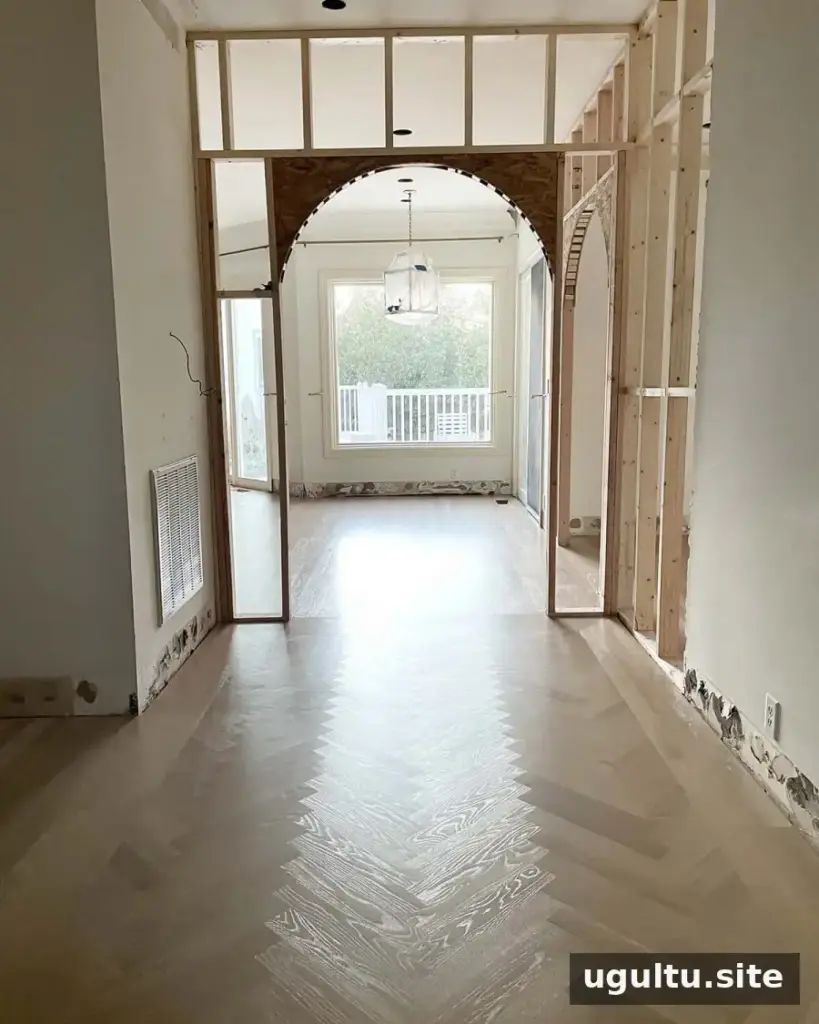
- Bring visual examples to communicate specific details, including patterns, layouts, or features such as an arched doorway.
- State your ideal schedule and any firm deadlines. If renovating before moving into a home, allow one to two months before move-in for delays and cleanup.
- List priorities so the contractor understands what is essential and what could be changed if costs rise.
Do not rely on someone else to infer details from a general description. Specific examples, a written scope, and timely answers to questions can make the first meeting more productive.
Plan for renovation costs and unexpected work
Even a carefully prepared quote may not include hidden problems discovered after work begins. Examples can include damaged subfloors, wood flooring that cannot be salvaged, or mold that needs remediation. Additional supplies and changes to the original plan can also increase the total.
- Set aside at least $10K or 20% of the project budget for unexpected expenses, whichever amount is higher.
- Keep this reserve separate from the planned renovation spending so it is available if concealed repairs are necessary.
- Rank work by importance. Essential repairs and key kitchen or bathroom work may come before optional upgrades such as a porch or wallpaper.
- Decide in advance which nonessential items you could remove if the project approaches your budget limit.
- Ask how any additional work will be priced and approved before it proceeds.
Experienced, reputable professionals may provide more realistic estimates than bargain options, but no quote can guarantee that a renovation will have no surprises. Compare the scope and assumptions behind each estimate, not only the final price.

Conclusion: use these contractor hiring tips
Effective contractor hiring tips begin with choosing the right type of professional, preparing a clear project brief, and asking thoughtful questions before signing an agreement. Compare multiple quotes, confirm expectations in writing, and keep a reserve for unexpected work. A renovation can be demanding, but clear planning and communication make it easier to manage decisions and protect your budget.
— Elsie


