
 admin
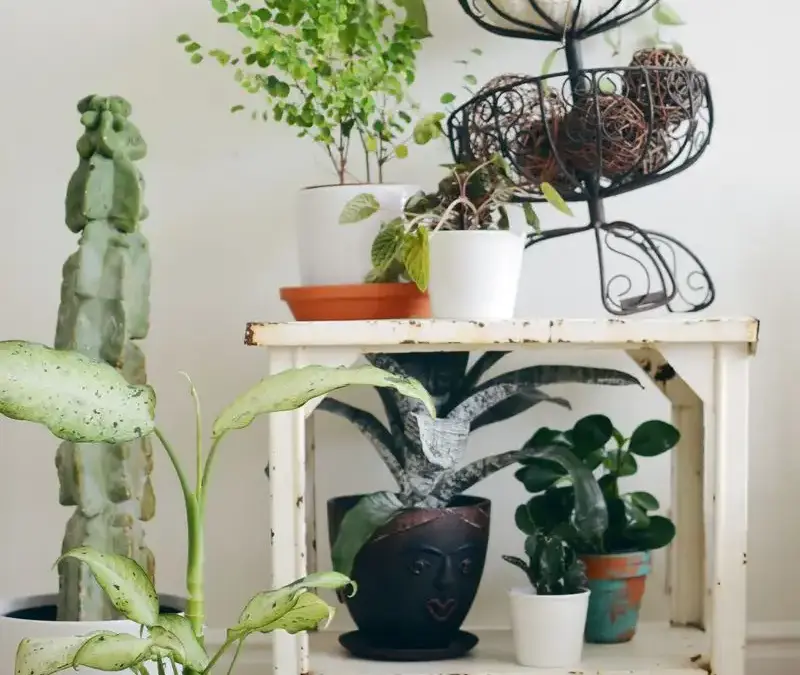
Good indoor plant care starts with understanding what each plant needs rather than following a rigid routine. Watering, drainage, and light all affect how well a houseplant grows, and small adjustments can make a noticeable difference. If you are new to keeping plants, start with one or two hardy varieties and learn how they respond to your home.
Indoor plant care: water when the soil needs it
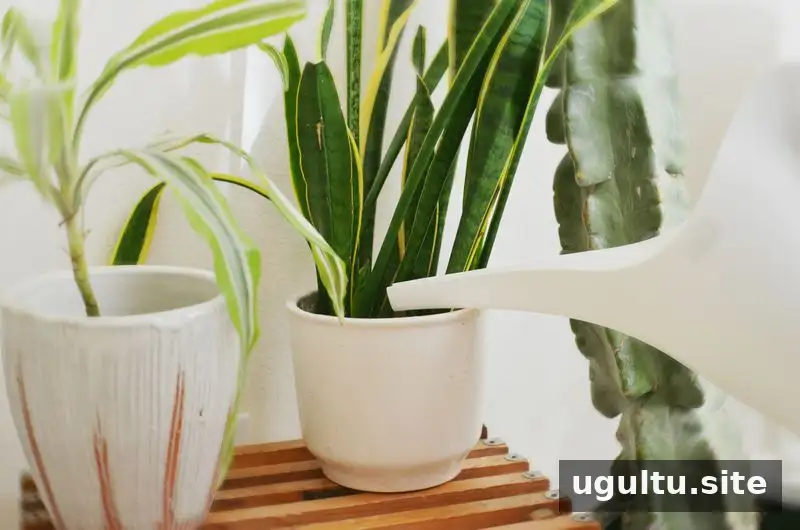
Overwatering is a common reason houseplants struggle. Some plants prefer consistently moist soil, but many do better when the surface has time to dry slightly between waterings. Check the soil by inserting a finger about an inch deep near the edge of the pot. If it feels dry at that depth, it may be time to water. Check the plant’s care instructions as well, since watering needs vary by species, pot size, and conditions at home.
Water the soil rather than relying on water sprayed over the leaves. Add water until a little drains from the bottom of the pot. If the pot sits in a saucer, empty the excess water after about 30 minutes so the roots are not left standing in it. A regular check is more reliable than watering on a fixed schedule, especially when indoor temperatures and light levels change.
Choose a pot with drainage
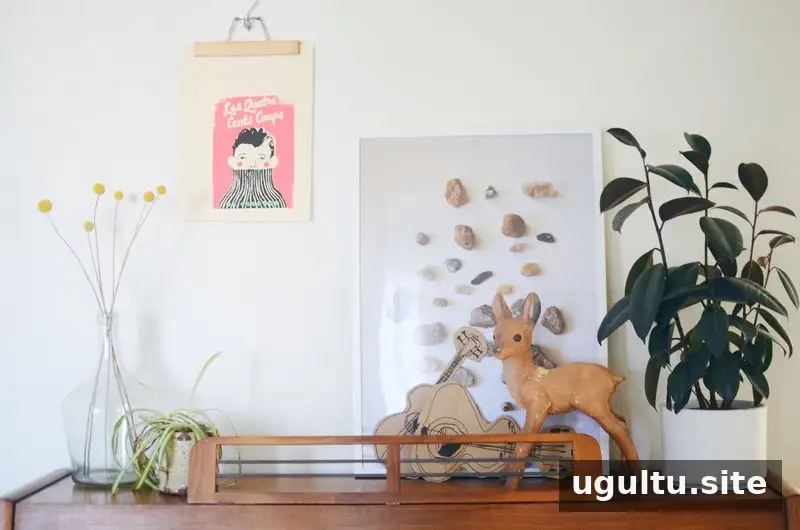
Drainage holes allow extra water to escape and help reduce the risk of waterlogged soil and root rot. When repotting, choose a container with holes and use a suitable potting mix for the plant. A layer of pebbles at the bottom is not a substitute for drainage holes, so make sure excess water can leave the pot freely.
A pebble tray can provide a little local humidity for plants that benefit from it. Set the pot above the waterline rather than letting its base sit in water. This keeps the roots from remaining wet while allowing water in the tray to evaporate.
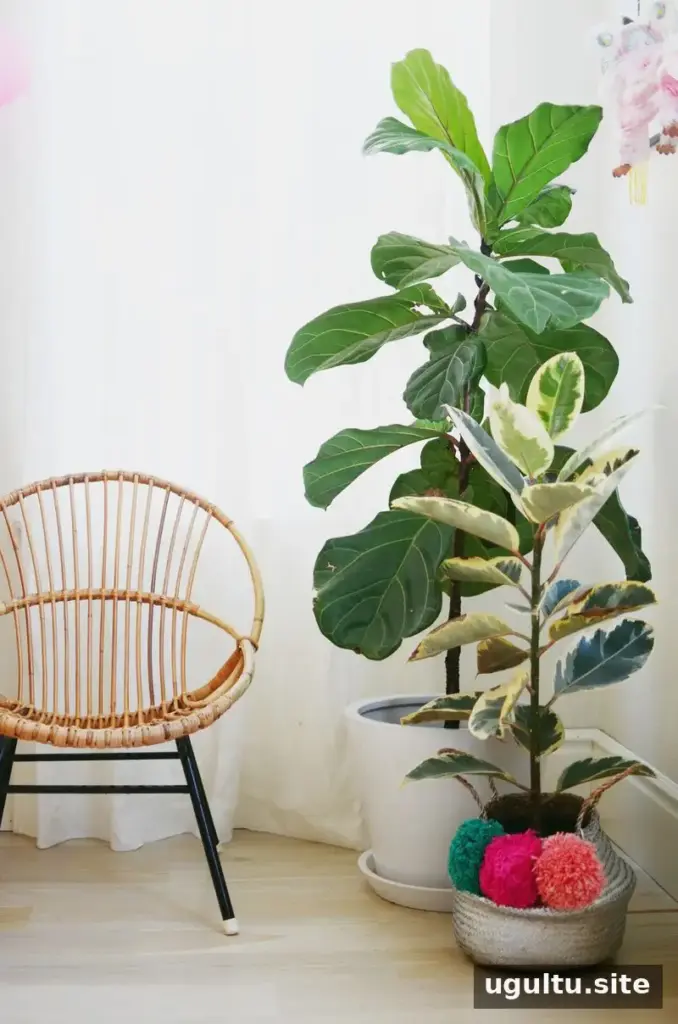
Match indoor plants with the available light
Check the plant label or reliable care information to find out whether the plant needs bright, direct light, indirect light, or a lower-light position. A sunny window can suit a sun-loving plant, while snake plants and ZZ plants can tolerate lower-light conditions better than many other houseplants. Low light does not mean no light, so place plants where they receive appropriate ambient light.
Plants that become stretched or develop paler foliage may not be getting enough light. Move them gradually toward a brighter location rather than making a sudden change, which can stress a plant that has been in the same spot for a long time. Rotate plants that lean toward a window occasionally to encourage more even growth.
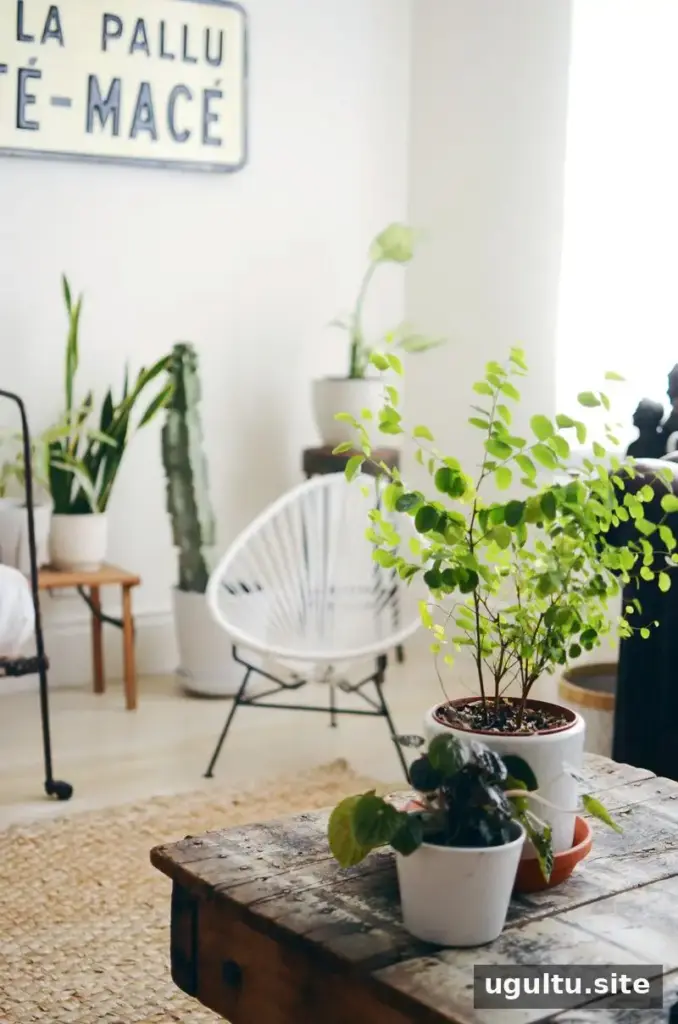
For beginners, philodendron, aroid palm, and snake plant are often considered hardy options. Even resilient plants need suitable light and watering, so check their condition regularly and adjust care as needed.
Build a simple, consistent plant-care routine
Seasonal changes, travel, and busy household routines can affect plant care. Before leaving home, check the soil and make sure pots can drain properly; avoid watering extra if the soil is already wet. After returning, look for changes such as drooping leaves, stretched growth, or dry soil, then respond to the plant’s actual condition rather than making several major changes at once.
Keep plants in a place where they are less likely to be knocked or damaged, particularly in busy rooms. If a leaf or branch is damaged, assess the plant and remove only damaged material with clean scissors when needed. Plants can add color and interest to a room, and starting with one manageable plant makes it easier to learn the basics of indoor plant care.
— Rubyellen


