admin
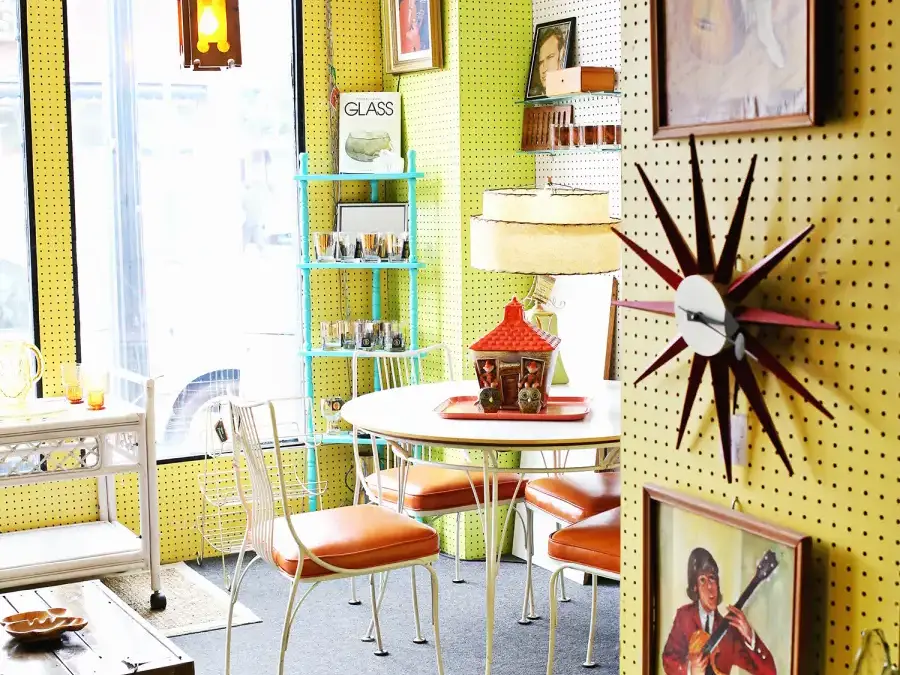
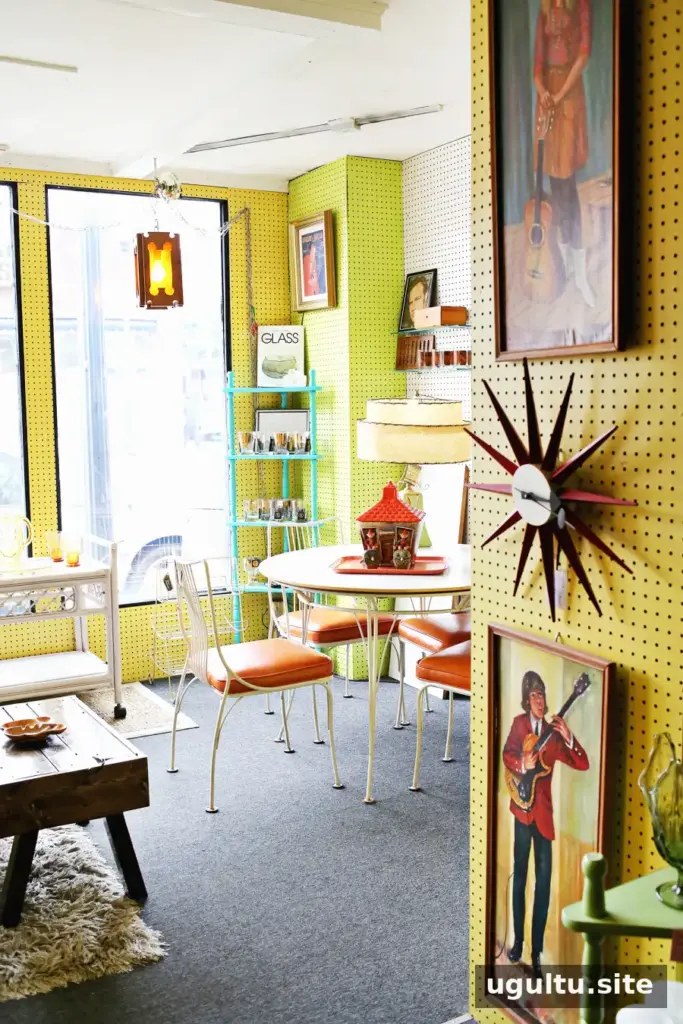
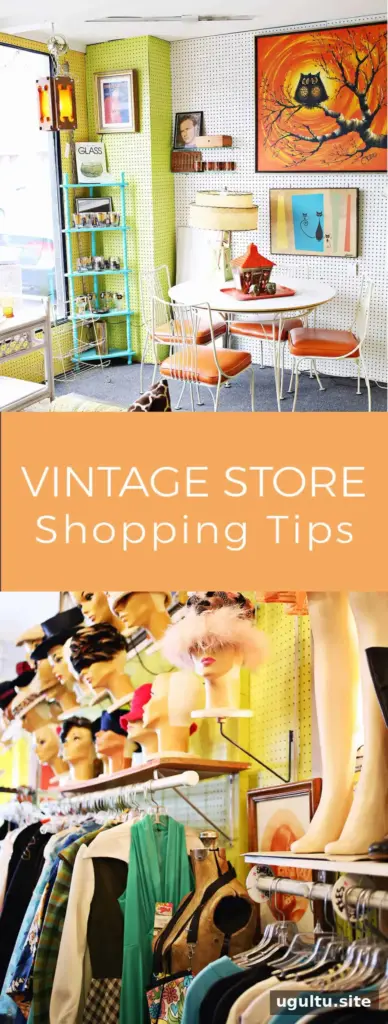
Vintage shopping can turn up distinctive home décor, furniture and clothing, but crowded shelves and unpredictable prices can make it hard to know where to focus. A little preparation helps you sort through the options, assess what an item is worth to you and avoid purchases you may regret. Use these practical tips to make each visit more enjoyable and purposeful.
Vintage shopping tips for a more focused search
1. Make a list before you go
Flea markets and vintage stores can be packed with items, so decide what you’re looking for before you start browsing. A short list—such as a living room chair, a particular color of glassware or a few interesting books—can help you spend more time in the relevant sections and less time inspecting every booth.
Include useful details like measurements, preferred colors and the space where an item will go. For furniture, measure the available area at home and keep the dimensions handy on your phone. This makes it easier to rule out pieces that won’t fit.
2. Ask whether the item is rare
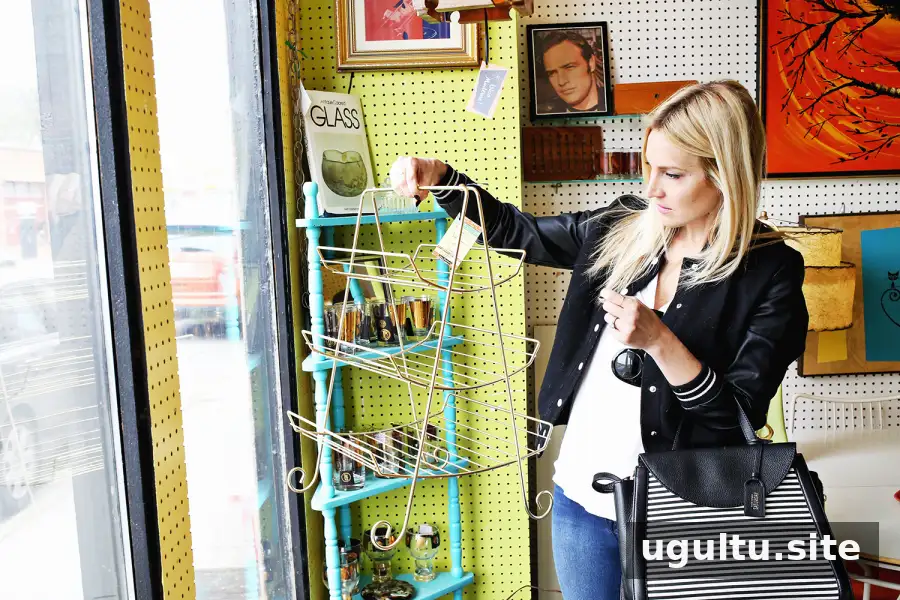
Before paying extra for a piece, ask the seller how common it is and whether they know anything about its age, maker or history. Seller information can be helpful, but treat claims as details to verify rather than proof of value. Over time, comparing similar items and prices can help you recognize what is easy to find and what is less common.
Rarity is only one factor: condition, usefulness and how much you genuinely like the piece matter too. If you’re uncertain, take a moment to consider whether the item is worth its price to you.
3. Set a budget and account for extra costs
Decide on a spending limit before shopping, and remember to include likely cleaning, repair or restoration costs. A low purchase price may not be such a bargain if the item needs extensive work. For example, reupholstering furniture can cost more than the original item.
Some sellers may accept a reasonable offer, though store policies and minimum prices vary. Ask politely whether the price is negotiable and be prepared for the seller to decline or suggest a counteroffer.
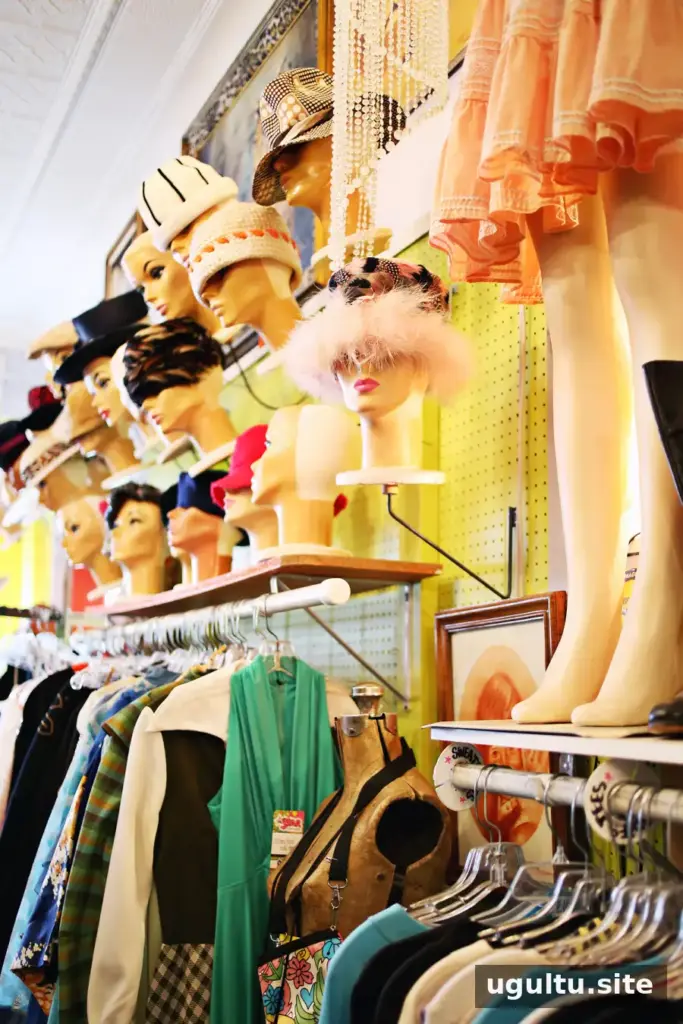
4. Make exceptions carefully
A standout find may be worth spending more on, but decide what “over budget” means before you make an offer. Consider how often you’ll use or enjoy the item, whether it is in suitable condition and whether the higher price still works for your finances.
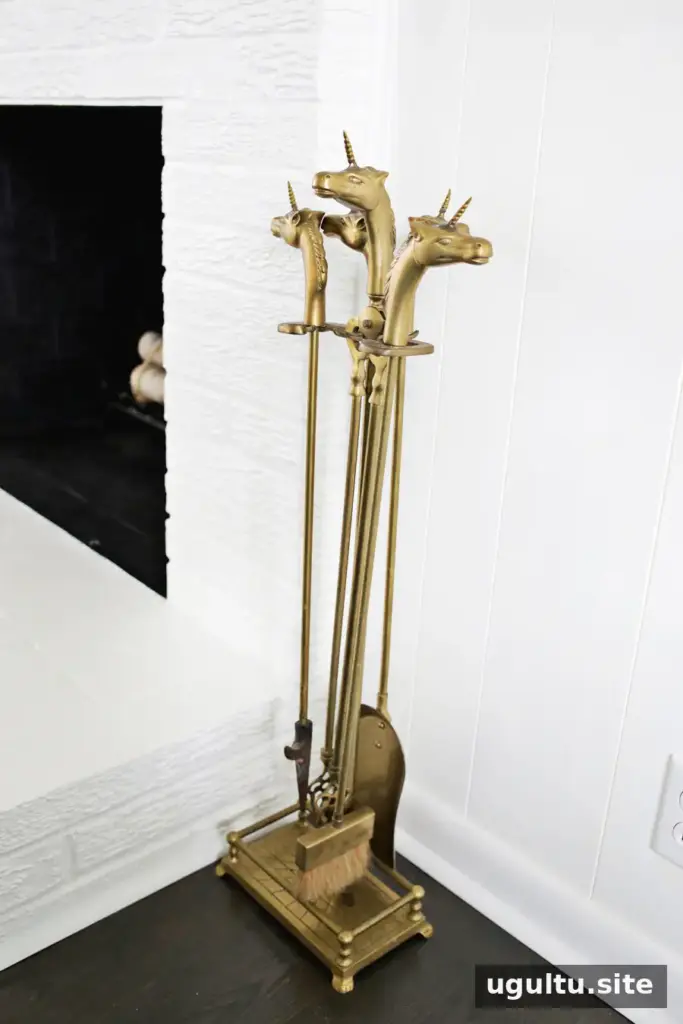
For instance, a set of brass unicorn fire pokers was listed for $175. An offer of $125 was accepted. That example shows how negotiation can reduce a price, but it is still important to choose a maximum you can comfortably afford.
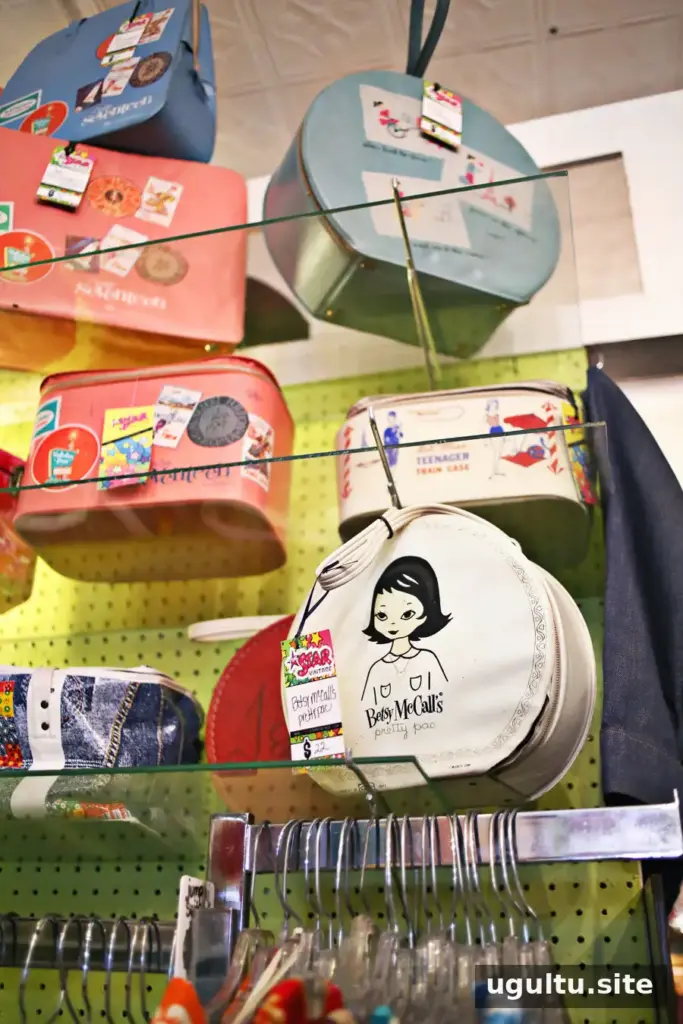
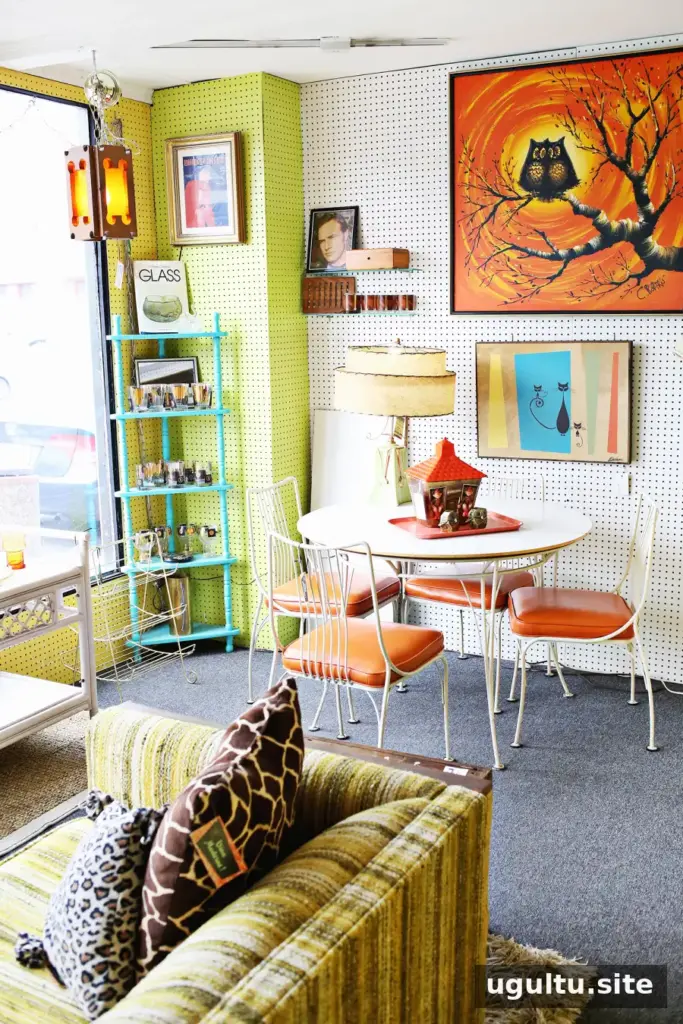
5. Compare prices online
Before committing, search for the item or similar examples online. Comparing listings can give you a sense of typical prices, availability and other colors or versions. The same item may appear at a lower price elsewhere, while a lack of comparable listings may suggest it is less commonly offered.
Check that comparisons are genuinely similar: condition, size, age, maker and shipping costs can all affect the total price. Online listings are useful reference points, not a guarantee of an item’s value.
6. Take a pause if you’re unsure
If you have reservations, put the item back and continue browsing. A short pause can help you decide whether you truly want it or are reacting to the excitement of finding something unusual. At a permanent store or regular market, you may be able to return later; at a temporary event, walk around and revisit the booth before the market closes.
A 1970s pink phone advertisement illustrates the value of waiting: it was initially left behind because the price felt too high, but remained on the shopper’s mind. After returning about two months later, the item was still available, and an offer was made. There is no guarantee a piece will wait, so weigh the risk of missing it against your budget and level of interest.

7. Imagine another use for the item
Some vintage finds work well in a new role. A record cover can become wall art, a blanket might be used to cover a chair or bench, and serving ware could be repurposed as a planter or vase. Before buying, consider whether the item can be adapted safely and practically, and whether it suits your home.
Make vintage shopping work for you
Good vintage shopping is a balance between browsing freely and making thoughtful decisions. A list, a realistic budget, a quick price comparison and the willingness to pause can help you find pieces that suit your needs without getting overwhelmed. Leave room for unexpected discoveries, but buy only when the item’s condition, cost and purpose make sense for you.

Laura’s favorite finds from the past year included the brass unicorn fire pokers and the 1970s pink phone advertisement. Whether you arrive with a detailed list or simply enjoy exploring, these vintage shopping tips can help you browse with more confidence.