
 admin
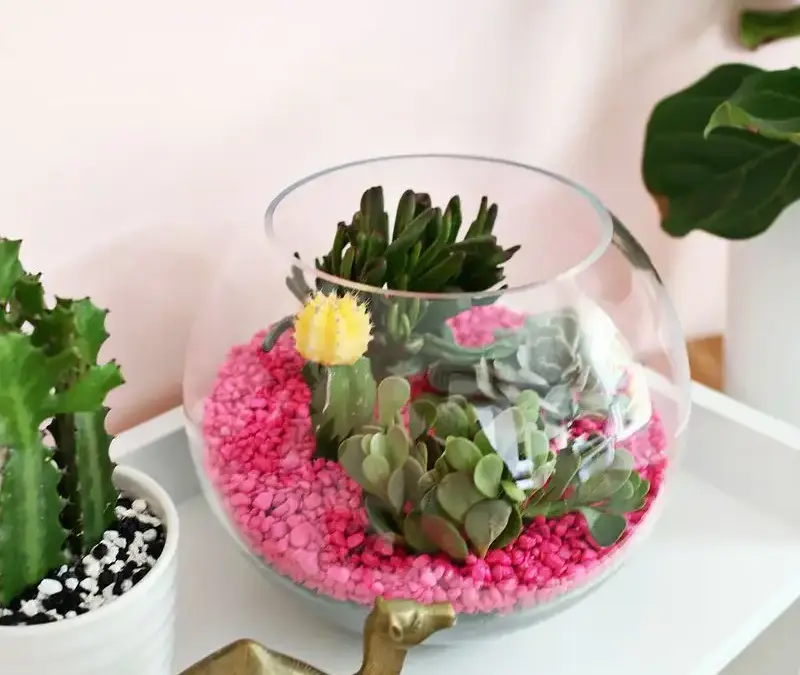
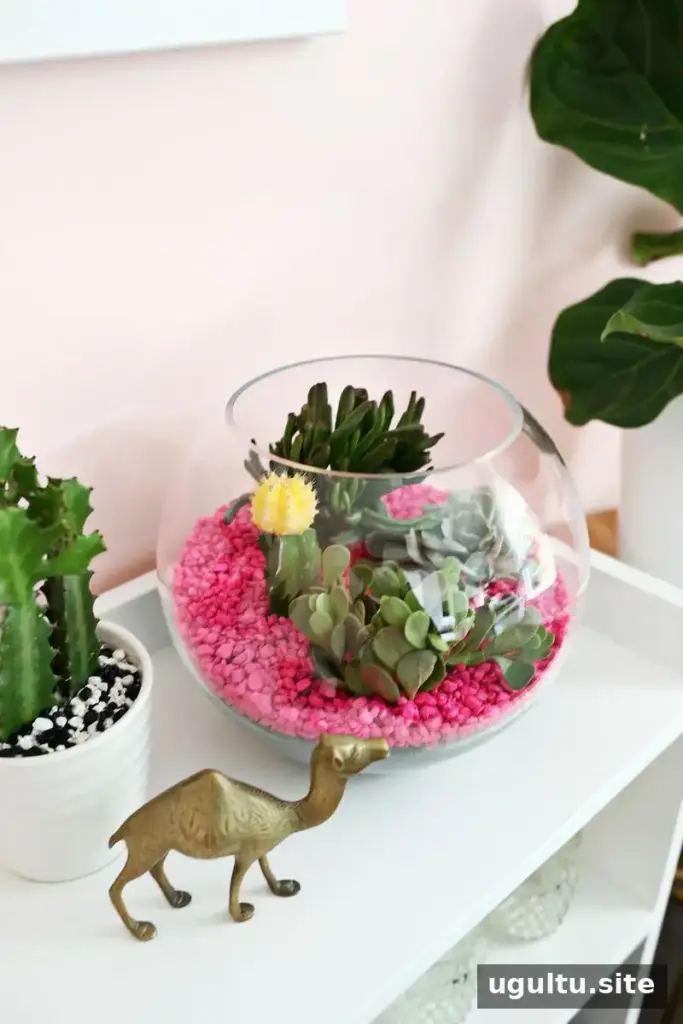
An aquarium rock planter is a simple way to add color and texture to indoor plants, terrariums, and decorative pots. Aquarium gravel comes in a range of colors and can be used as a top dressing over potting soil. A small bag may be enough for several small planters, making it an easy material to keep on hand for a few different projects.
How to Make an Aquarium Rock Planter
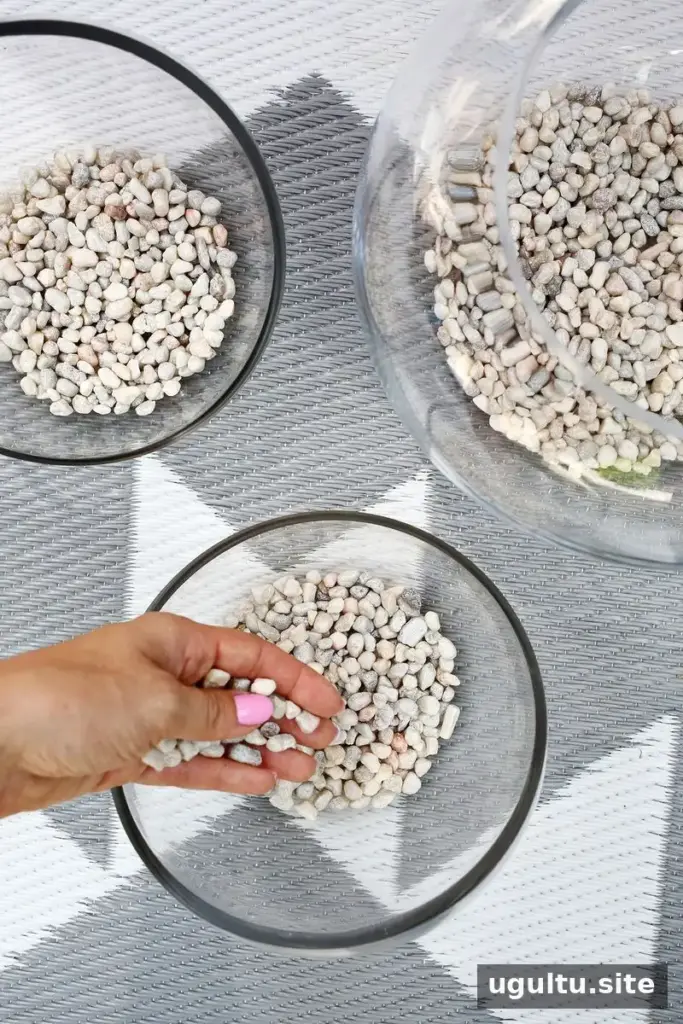
Choose a planter that suits the size of your plant, along with potting soil, aquarium gravel, and plain stones if you want to include them at the base. Before you begin, check that the plant and container are a good match. A pot with a drainage hole is useful for most houseplants because it allows excess water to escape.
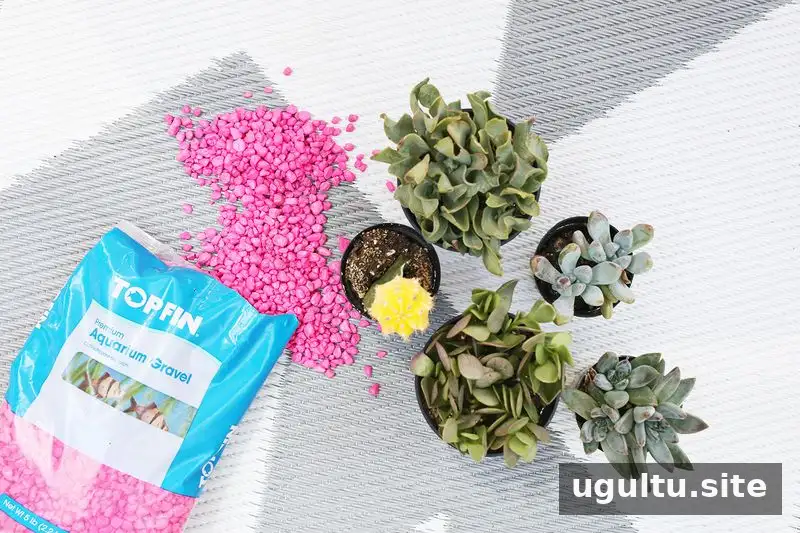
Aquarium gravel is sold in different colors, so you can choose a shade that complements the plant and the room. One small bag can cover several small containers, depending on the planter size and how thickly you apply the gravel. For a balanced look, use a thin, even layer rather than burying the plant beneath the stones.
Prepare the planter and plant
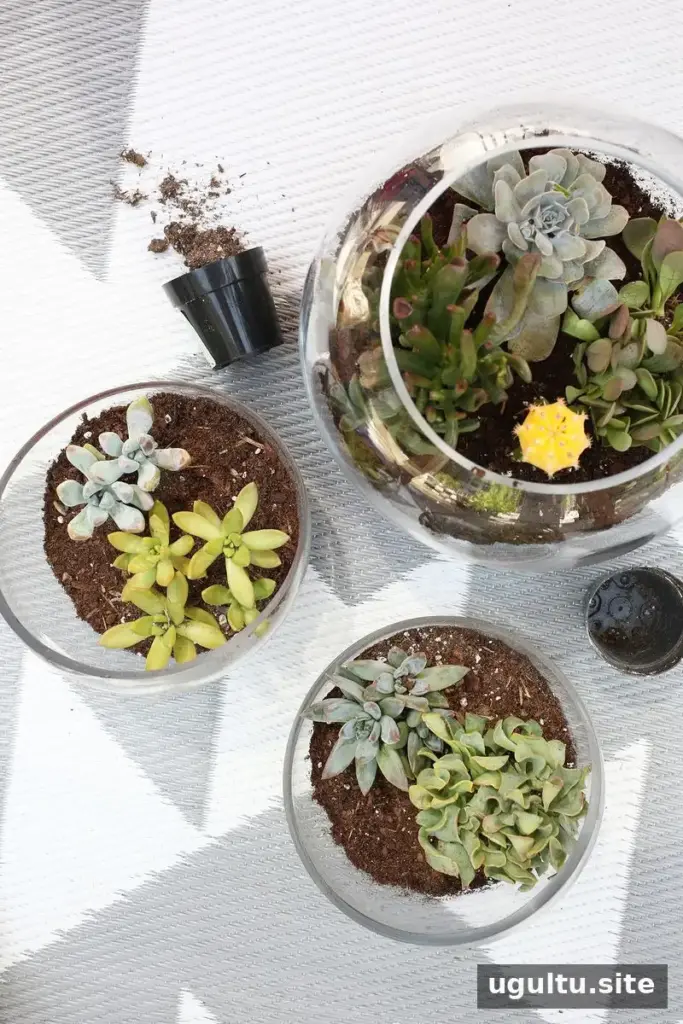
Add potting soil to the container, then position the plant and fill around its roots. Plain stones can be placed at the bottom as part of the arrangement, but they do not replace a drainage hole. If your planter has no drainage, be especially careful with watering so the soil does not stay overly wet.
Add the aquarium gravel
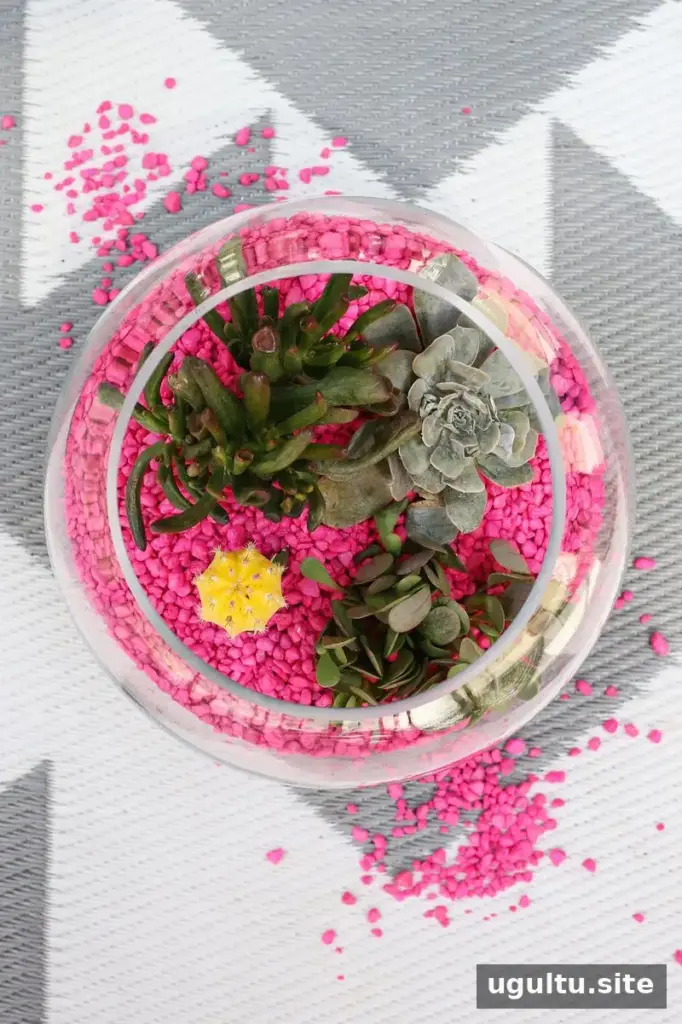
Use a small scoop or your fingers to spread the colored gravel across the soil. Build a level top layer, leaving a little space around the plant’s stem or crown. This keeps the gravel from pressing against delicate plant tissue and makes it easier to check the soil when watering.
- Add gravel gradually so you can control the coverage.
- Keep stones out of the leaves and the center of the plant.
- If gravel gets caught among the foliage, use a pen or another slim tool to move it back onto the soil.
- Lift low leaves gently to place gravel beneath them, without forcing or bending the stems.
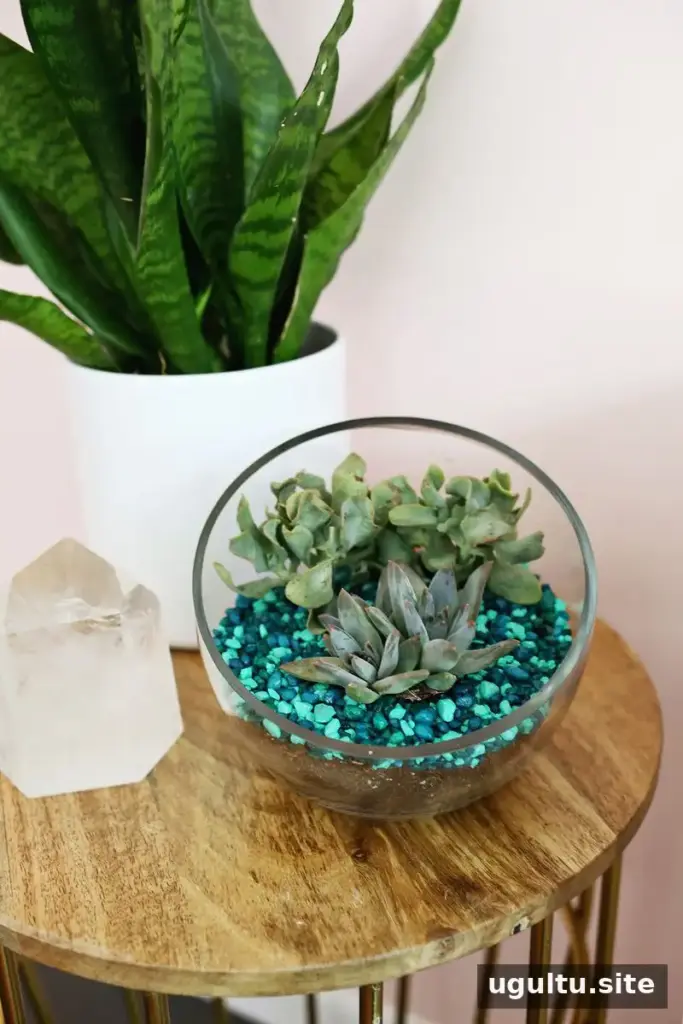
After arranging the stones, check that the surface is even and that the plant is still easy to inspect. A contrasting gravel color can make green foliage stand out, while a neutral combination can give the planter a more understated finish. If you later need to repot the plant, remove the gravel first so it does not mix unnecessarily with the soil.
Finishing Your Aquarium Rock Planter
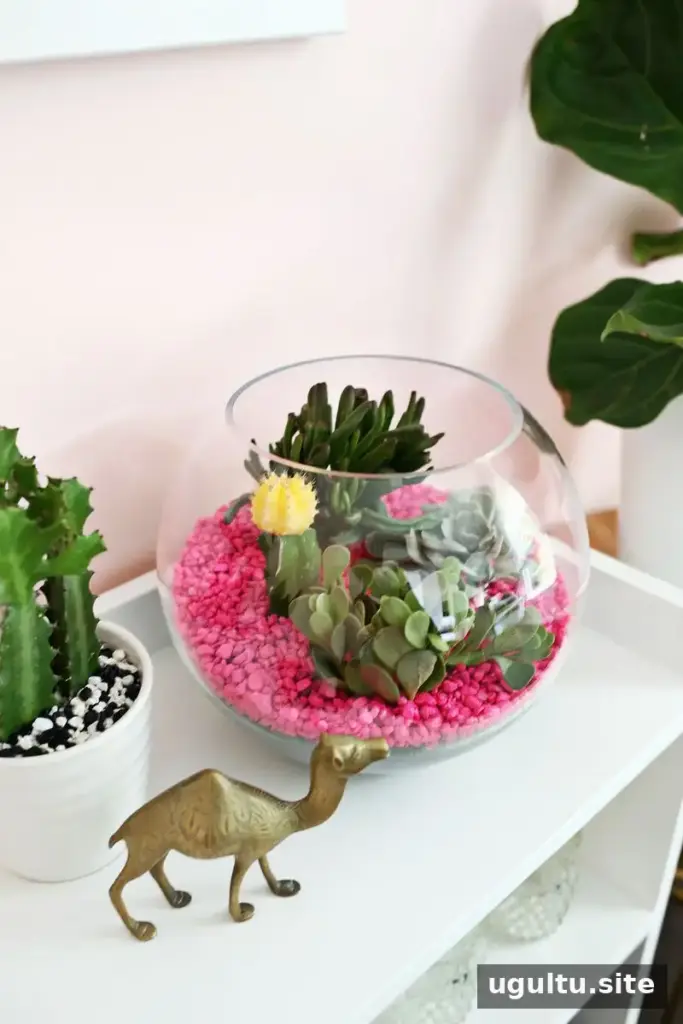
Colored aquarium gravel offers a quick decorative update for a planter or terrarium. Choose a color you enjoy, keep the top layer light, and make sure the plant’s watering needs remain easy to manage. With these small precautions, an aquarium rock planter can add a cheerful accent without getting in the way of routine plant care.
Project by Laura


