
 admin
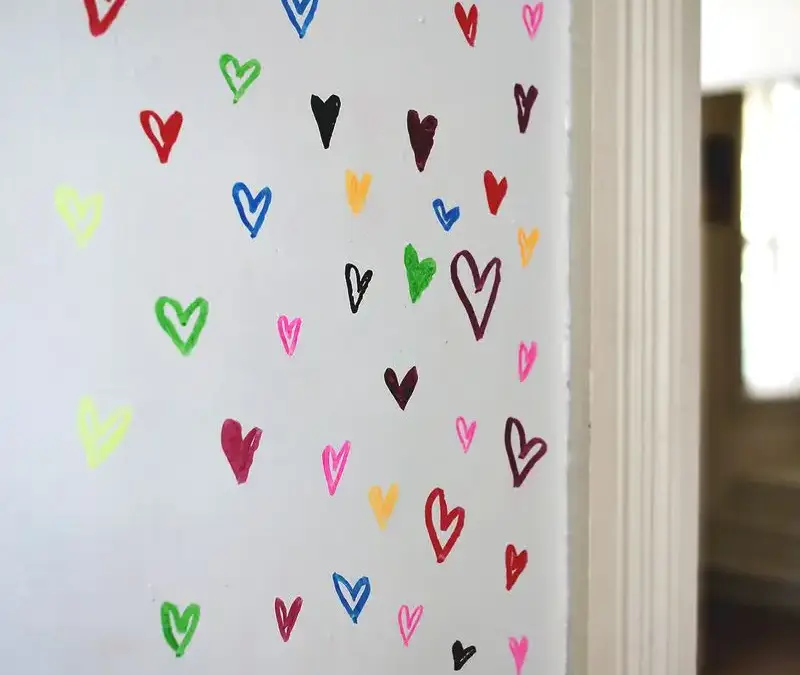
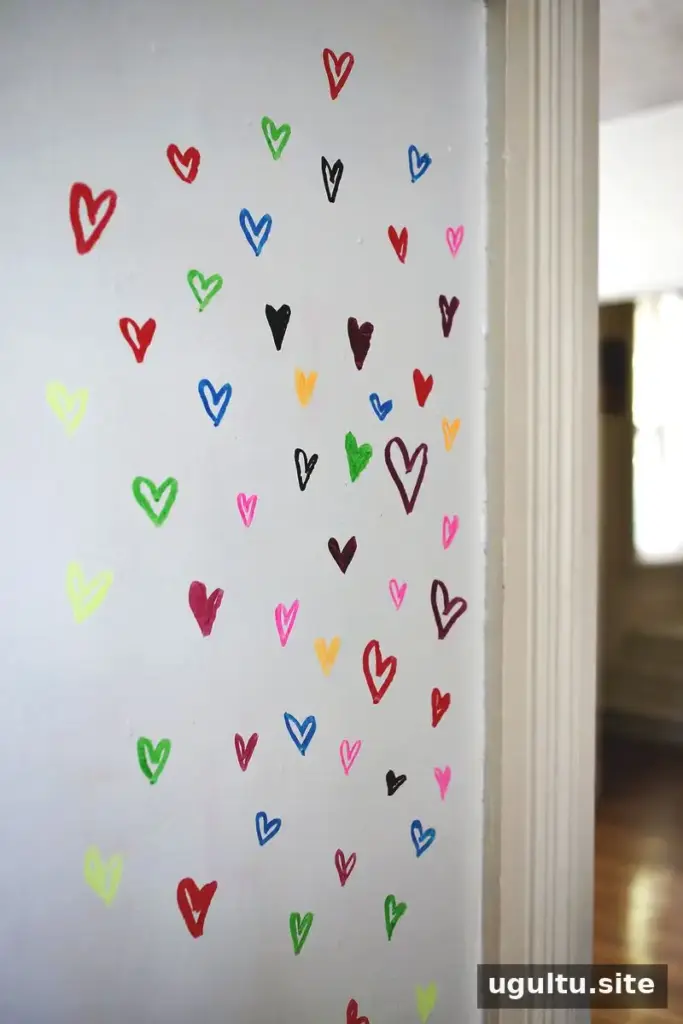
Dry erase paint can transform a suitable wall or other surface into a place for notes, lists, and sketches. It offers an alternative to hanging a separate whiteboard, but applying it takes more planning than using ordinary wall paint. This project uses a two-part product, requires several coats, and needs a full curing period before the surface is ready to write on.
How to Apply Dry Erase Paint
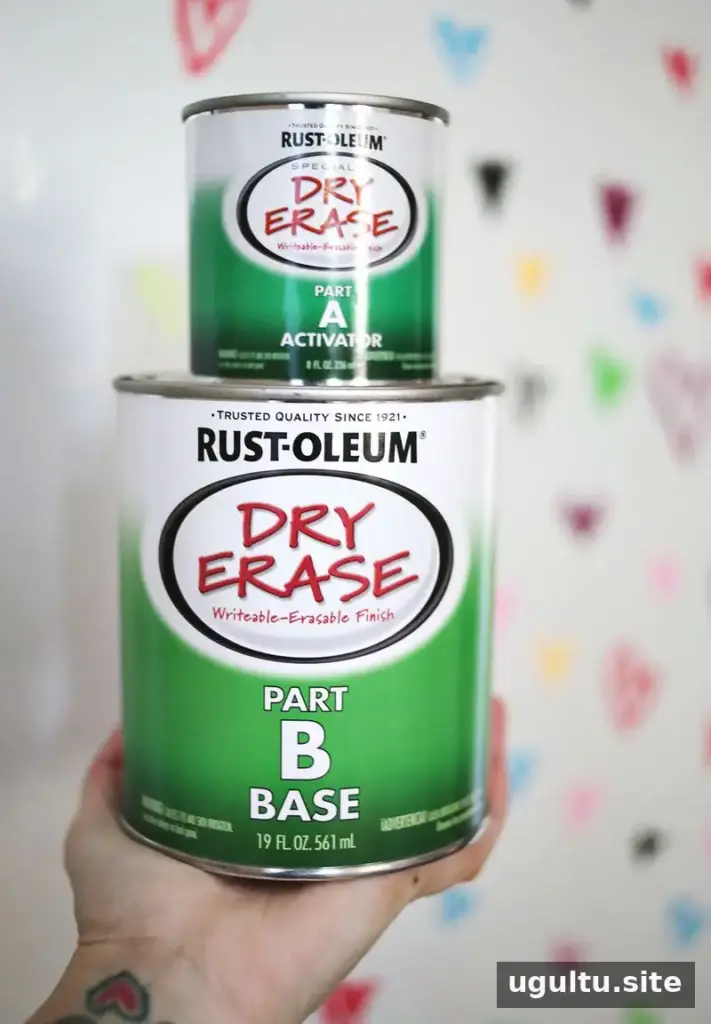
The paint used for this project came in two parts that needed to be combined before application. Once mixed, the paint had to be used within one hour, so it is important to plan the work area and have the necessary supplies ready before combining the components.
Three coats were applied, with 20 minutes between each coat. Follow the directions on the specific product you buy, since mixing, application, and recoat instructions can vary. Preparing the surface as directed on the product label can also help you avoid problems with the finished coating.
Allow the Full Curing Time
After application, the painted surface needed 72 hours to cure. Although it may look dry sooner, wait for the full curing period stated by the manufacturer before writing on it or attempting to clean it. This gives the coating time to reach the condition intended for use.
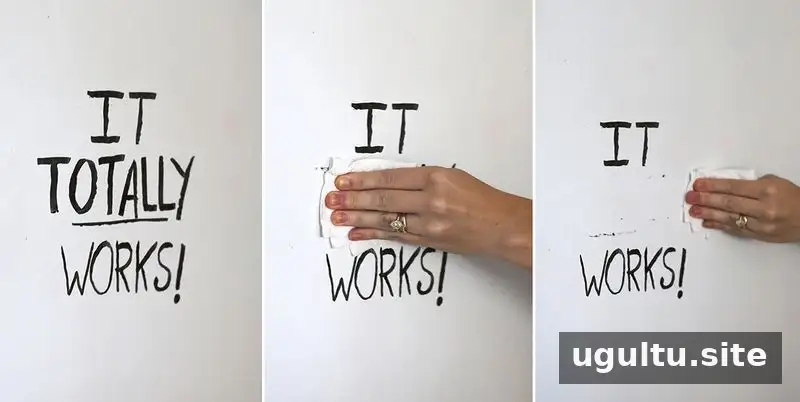
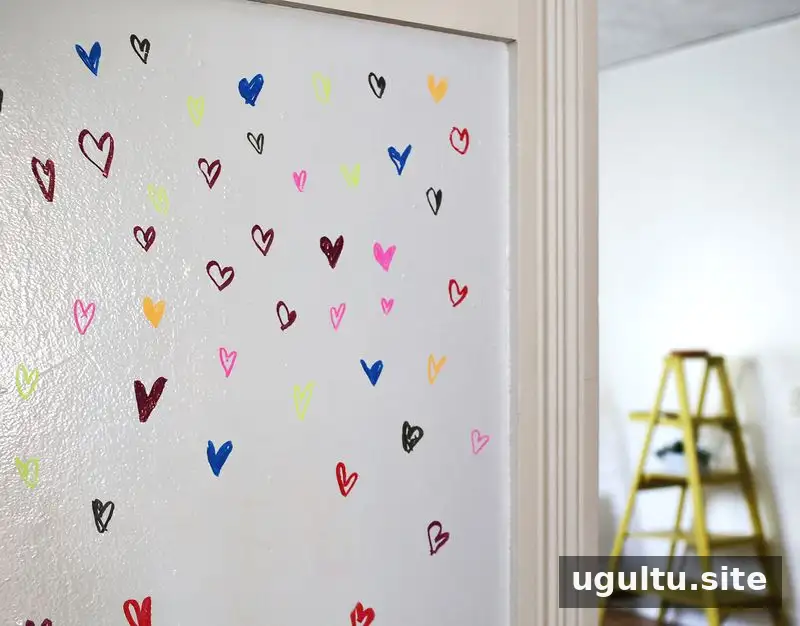
In this test, the finished surface worked as a dry erase board: marker marks came off fairly easily. Keeping whiteboard spray available was recommended to help preserve the surface’s white appearance. Use cleaning products according to their labels, and test them in an inconspicuous spot if you are unsure how the finish will respond.
Where to Use Dry Erase Paint
Because dry erase paint costs more and takes more work to apply than regular paint, a small area or accent surface may be a practical place to start. Consider how often the surface will be used and whether it is easy to reach and clean.
- Bathroom or closet door: A convenient spot for reminders, provided the surface is suitable for the product.
- Laundry room wall: Use it for household lists or notes about chores.
- Furniture: A piece such as a piano could become a distinctive writing surface, but check that its material can be coated as directed.
- Staircase baseboards: This could offer room for short messages, though the location should be easy to reach safely.
Before choosing a location, think about the available area, the surface material, and how much preparation and upkeep you are comfortable with. A smaller trial area can be a sensible way to assess whether the finish suits your needs.
Is Dry Erase Paint Worth Trying?
Dry erase paint can add a playful, functional writing surface without requiring a traditional whiteboard. The tested finish wiped clean fairly easily, but the project requires careful timing during application and patience while it cures. For best results, follow the product instructions, wait the full 72 hours before use when specified, and keep suitable whiteboard cleaner on hand.
A chalkboard wall was later added to the same space, offering another writable surface alongside the dry erase finish.
— Elsie


