
 admin
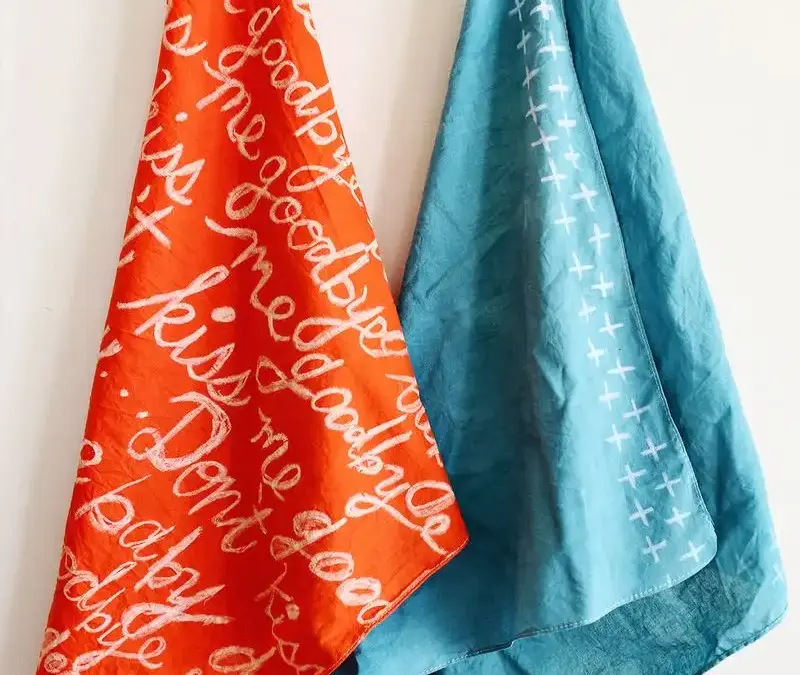
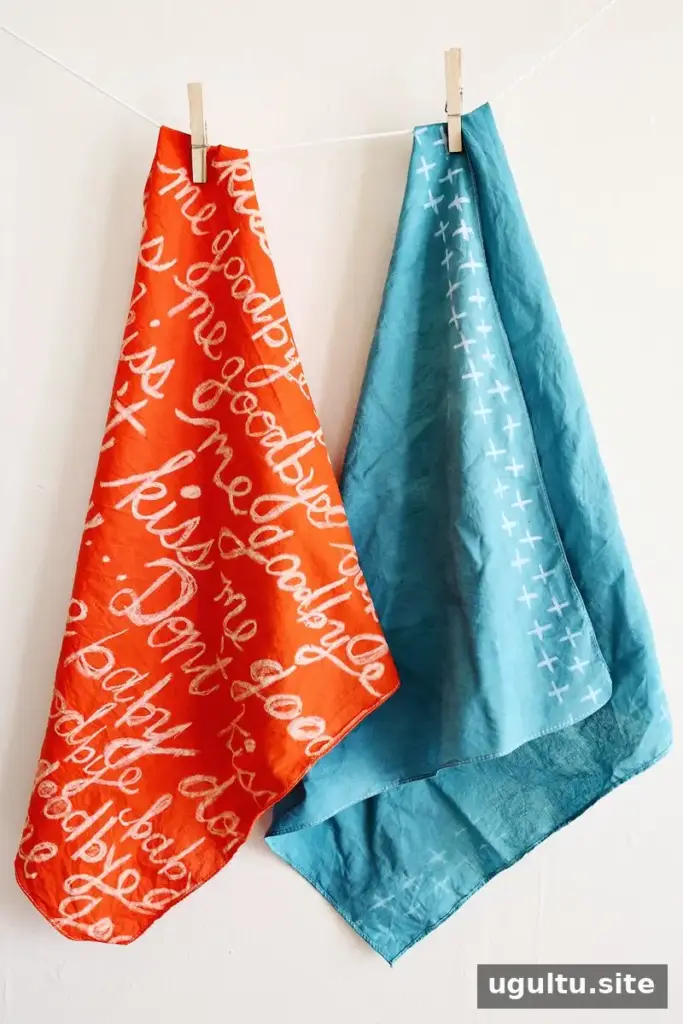
Batik is a creative way to decorate cotton fabric using wax to resist dye. Drawn or written wax marks stay lighter when the fabric is dyed, creating a distinctive pattern. With a few basic supplies, you can make a custom scarf or experiment with fabric for other projects.
What You Need for a Batik Project
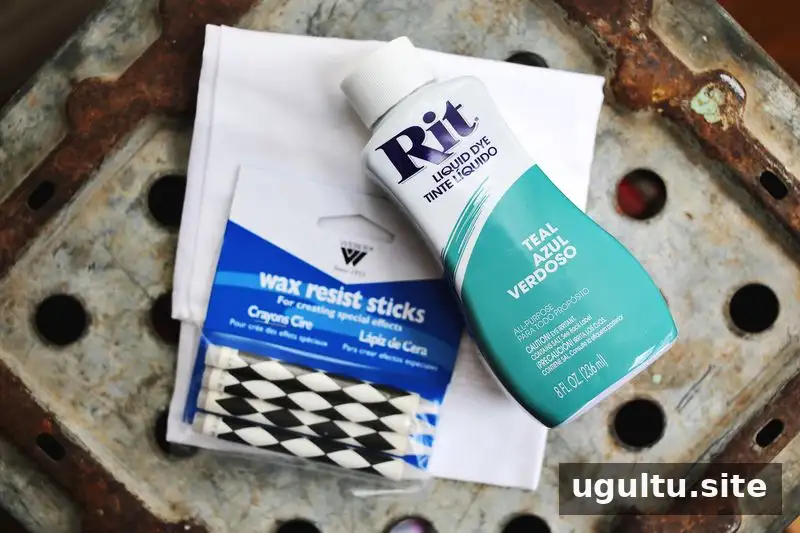
Gather cotton fabric, wax-resist sticks or crayons, and fabric dye. Check the dye instructions before starting, since preparation and dyeing steps can vary by product. Choose a clean work area and protect the surface from drips with a suitable covering.
- Cotton fabric
- Wax-resist sticks or crayons
- Fabric dye
- A container or work area suitable for dyeing, as directed by the dye instructions
- Newspaper for absorbing excess wax during the finishing step
How to Make a Wax-Resist Design
Draw on the fabric
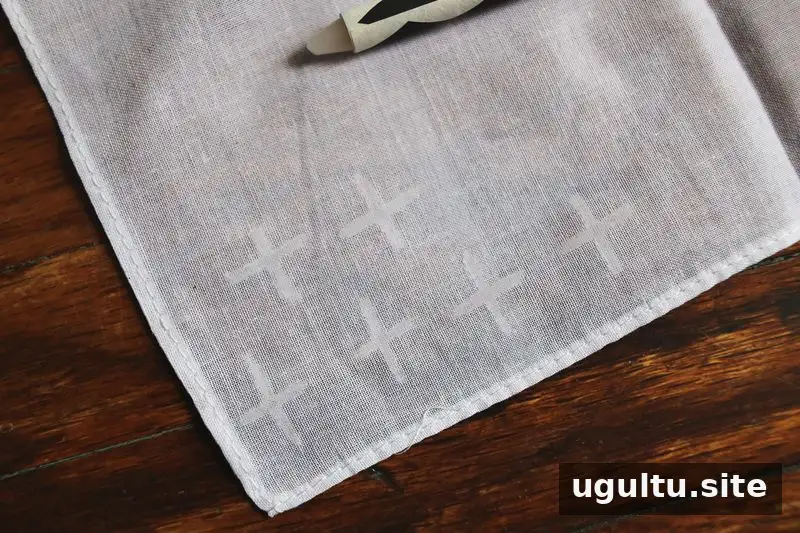
Start by drawing a design directly onto the fabric with wax. You can use colored crayons or uncolored wax-resist sticks. Colored marks can add detail to the finished pattern, while a single dye color—such as black—can make the waxed areas stand out against a darker background.
Plan the design before applying the wax, especially if you want to cover most of the fabric with a repeating pattern. Press firmly enough to leave a visible wax mark, but take care not to stretch or damage the cotton.
Optional: Warm the crayon tip
For a different drawing effect, gently warm the crayon tip before making marks. If using a candle, work with adult supervision, keep fabric and paper well away from the flame, and place the project on a stable, heat-safe surface. Never leave a lit candle unattended.
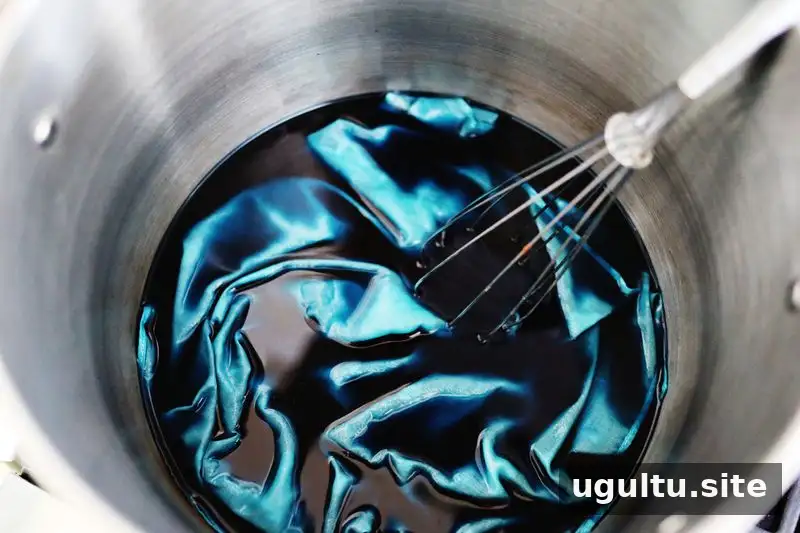
Dye the fabric by following the instructions on the dye packaging. Protect your hands and work surface as directed, and avoid guessing at dye amounts or timing. Liquid dye can be convenient when you want to keep any unused dye for another project; store it only as its packaging recommends.
Rinse, Dry, and Remove Excess Wax
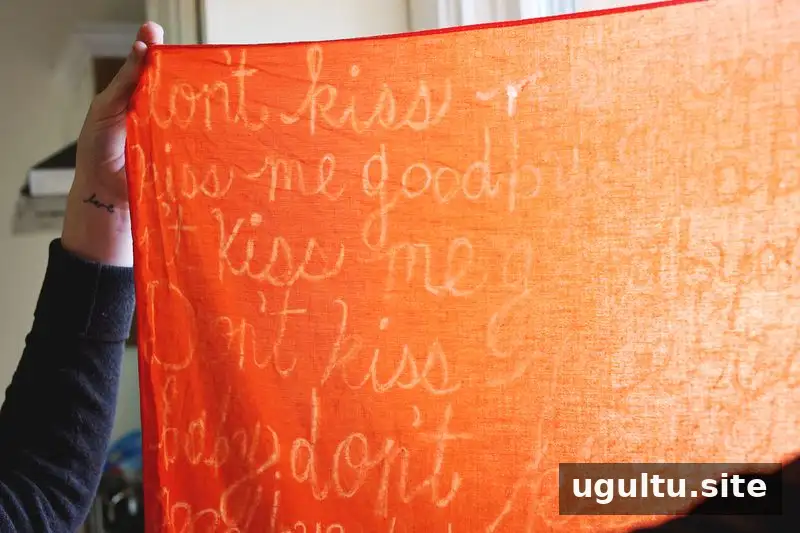
When dyeing is complete, rinse the fabric and hand-wash it with soap in a sink. Hang it up to dry fully. If you notice excess wax after the fabric has dried, place it between two sheets of newspaper and carefully iron over the layers so the paper can absorb the wax. Keep the iron moving and follow its care instructions.
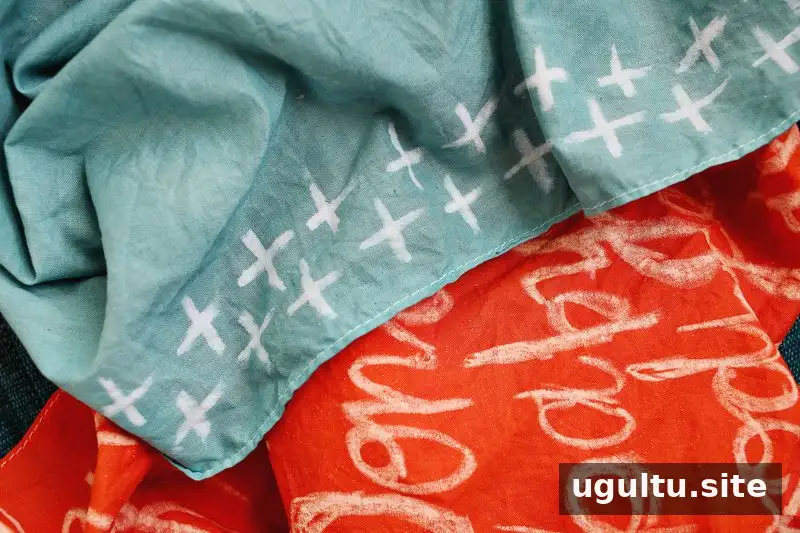
The lettering on the scarf features song lyrics from The Diving Bell and The Butterfly, a movie loved by Jeremy and Elsie.
Ideas for Using Batik Fabric

This batik project is a useful way to test patterns before using the technique on a larger piece, such as fabric for a dip-dye curtain. Try simple shapes, lettering, or repeating marks, and make a small sample first if you are unsure how the dye will look on your fabric. With a little planning and careful dye handling, batik offers plenty of room to personalize a practical textile project.
— Elsie


