
 admin

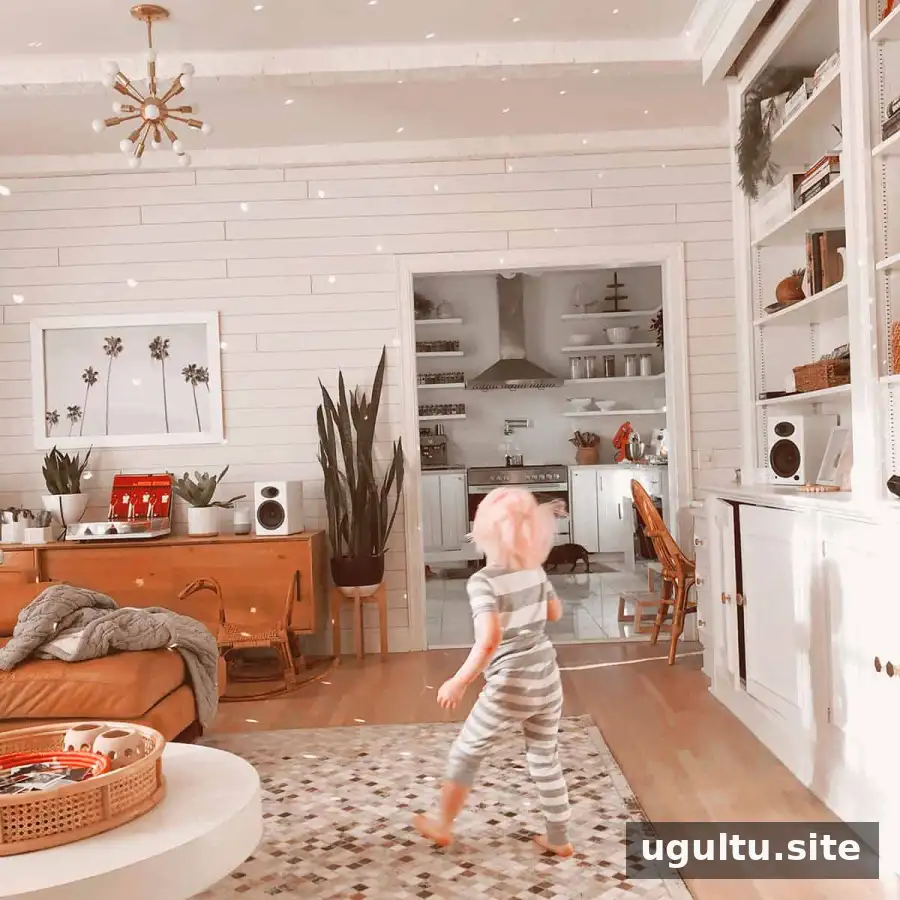
The idea of a forever home can be exciting, but it means something different to every household. For some, it is a place to stay for decades; for others, it is simply a home that suits the family through an important stage of life. Thinking through what matters before looking at properties can make a future move more intentional and less rushed.
What Does a Forever Home Mean?
A forever home does not have to be perfect or literally permanent. It may be a home that feels comfortable for the years when children are in school, offers room for changing needs, or makes it easier to build connections in a neighborhood. The useful question is not whether a home can meet every possible need, but which needs matter most to your family now and in the future.
An unexpectedly appealing house can prompt people to imagine moving sooner than planned. But excitement is not the same as readiness. If the timing is difficult, it can help to step back, consider current commitments, and treat the viewing as an opportunity to clarify priorities rather than a reason to make a quick decision.
How to Plan for Your Forever Home
Start by separating essential features from preferences. A running list can help reveal what your current home already provides, what you wish it had, and what you would want to change next time.
- Home features: Note practical details you value, as well as improvements you would like, such as sidewalks in the neighborhood.
- Location: Consider how close you want to be to schools, shopping, places to eat, and activities or facilities that matter to your household.
- Changing routines: Family needs can shift over time. For example, living with a toddler may make nearby services and activities more important than they were before.
- Projects and upkeep: Decide whether you enjoy having renovation work to plan over time or would prefer a home that needs fewer changes. A newly built home is one option, but it is not the only path.
- Style: If you appreciate several architectural styles, staying open-minded may be more useful than choosing a single look too early.
It can also be helpful to consider the trade-offs. A home may have the right layout but be farther from preferred amenities, or it may be in a favored area but require projects. Writing down priorities makes it easier to compare those compromises calmly.
Give Yourself Time to Choose
When there is no urgent need to move, taking time to understand different neighborhoods and revisit your priorities can provide valuable perspective. In this case, the current home was loved for its qualities and memories, while its location raised questions about a future school zone. After four years in Nashville, there was also a better understanding of the area’s neighborhood options than when the current home was chosen after a single day of searching.
The plan at the time was to continue with an adoption, enjoy the existing home, and avoid browsing Zillow for the rest of 2019. Meanwhile, planning could continue without pressure. A future home might be one where the family could put down roots while children were in school—even if “forever” turned out to mean a particular season of life rather than a lifetime.
Defining Your Forever Home
A forever home is ultimately a personal definition, shaped by location, family routines, budget, and the kind of life you hope to build. Make a practical list, stay flexible about details that are not essential, and let your needs—not the label—guide your search.


