
 admin
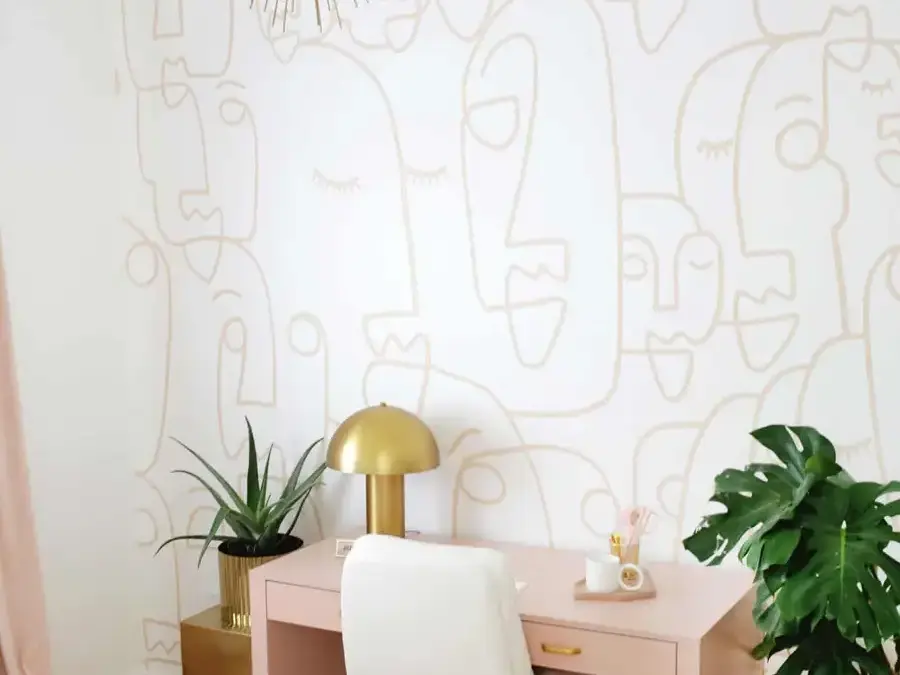
A wallpaper accent wall can bring color, pattern, and personality to a room without covering every surface. It can also be a practical option when you love a bold design but want to manage the cost or keep the rest of the room visually calm. These tips can help you decide when a wallpaper accent wall is right for your space and how to plan it.
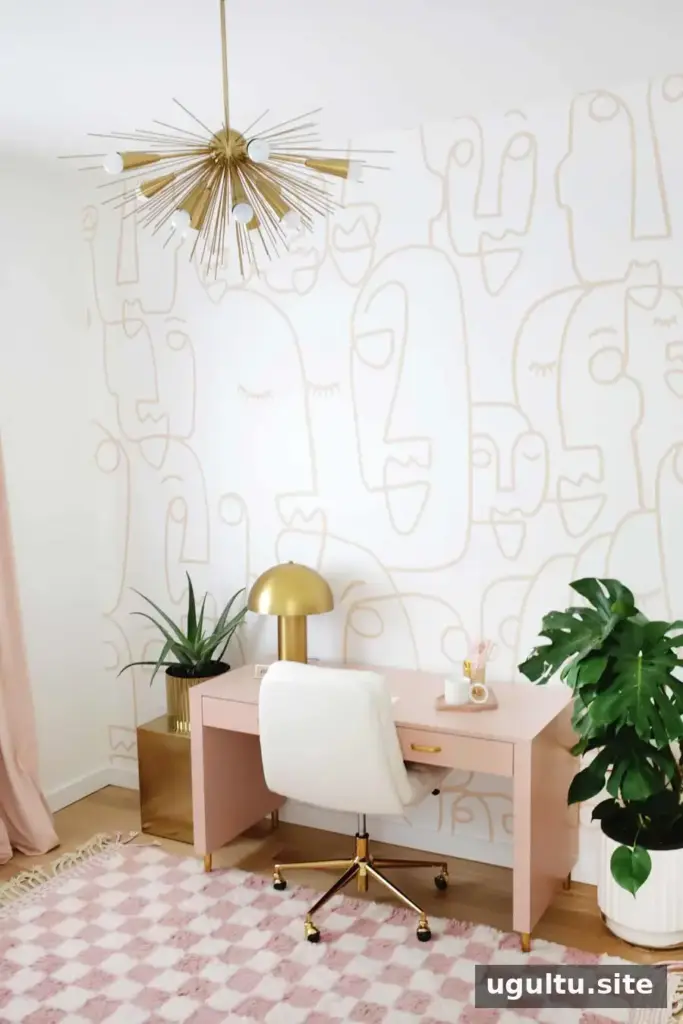
How to choose the right wallpaper accent wall
In most rooms, the best place for an accent wall is the first prominent wall you notice when entering. Making that surface the focal point helps the design feel intentional. In a bedroom, the wall behind the bed is often a natural choice because it frames the headboard and anchors the room.
Before choosing, consider what is visible from doorways and adjoining spaces. A wall that is partly hidden by furniture or a doorway may not show the pattern to its best advantage. Also check for windows, doors, and built-in features that could interrupt the design.
Choose a pattern that suits the room
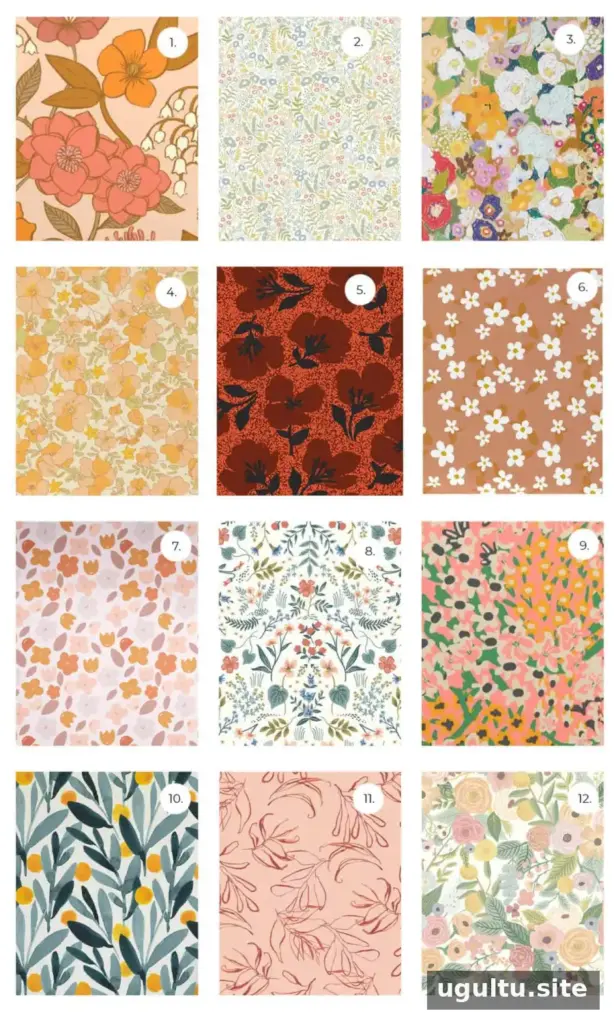
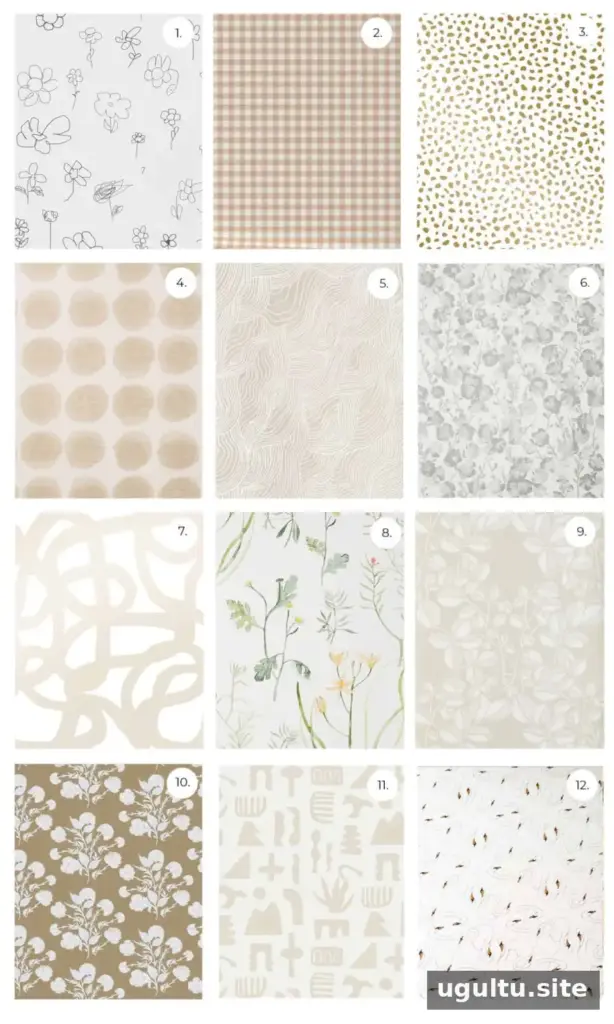
For a dramatic focal point, look for a wallpaper with strong colors, large-scale motifs, or a lively pattern. If you want a quieter effect, choose a restrained palette or a smaller, less busy design. Consider the room’s existing finishes and furnishings so the wallpaper complements rather than competes with them.
A sample can help you judge the pattern in the actual space. View it in both daylight and evening light, and place it near the furniture or paint colors you plan to keep.
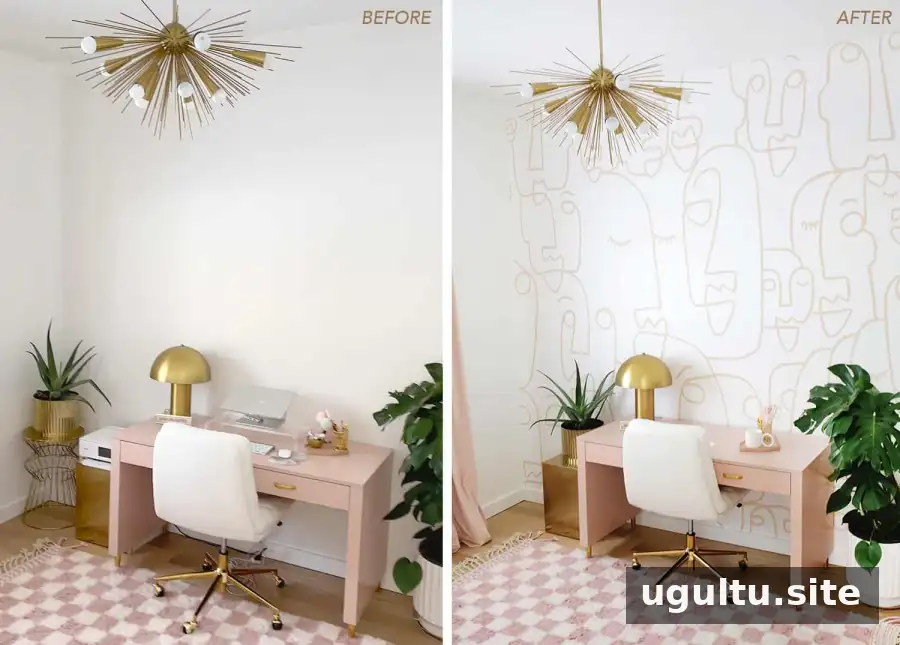
When a wallpaper accent wall makes sense
When you want wallpaper without covering the whole room
Wallpapering one wall can be a useful way to enjoy a design when a full-room installation is outside your budget. The source estimate suggests an accent wall may cost about one quarter as much as wallpapering an entire room, although the actual amount depends on wall size, paper, and installation needs. Measure carefully and include any preparation materials in your budget.
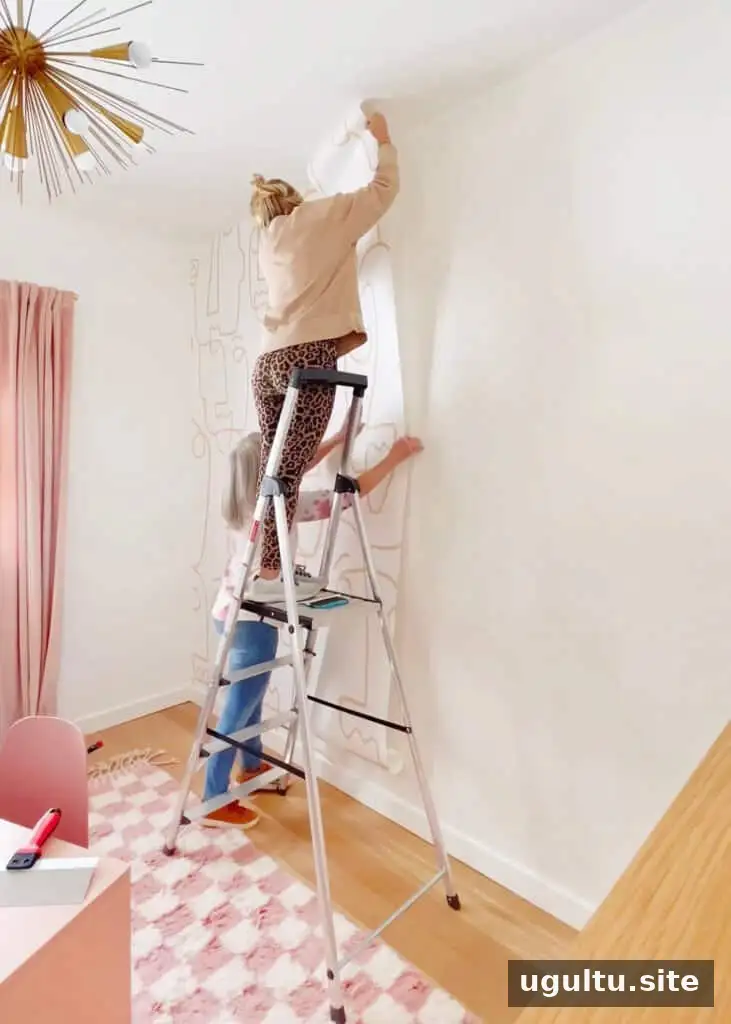
When you are learning to install wallpaper
A single wall is a manageable place to practice measuring, cutting, aligning, and smoothing wallpaper. It also involves fewer corners than covering a whole room, so you can focus on the basic steps and learn which tools work best for you. Follow the wallpaper manufacturer’s instructions, and check whether the product requires paste or is peel-and-stick.

When other walls have awkward features
Sloped ceilings, unusual angles, alcoves, extra-tall surfaces, and other architectural details can make wallpaper installation more complicated. Limiting the paper to a straightforward wall may help avoid difficult cuts and reduce waste. Measure the selected wall and account for pattern repeats before buying materials.
When a full room of pattern would feel overwhelming
A richly colored or highly detailed design can be appealing on one wall but feel too busy across an entire room. Using it as a focal point lets you enjoy the pattern while leaving other surfaces visually restful.
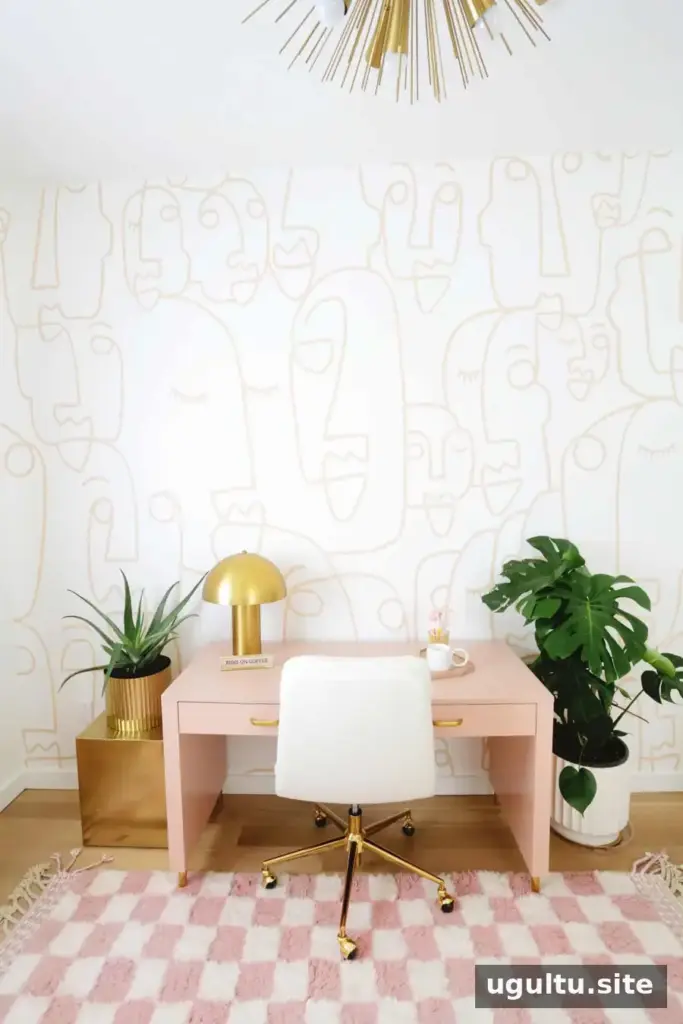
Practical tip: For a more seamless look, paint the surrounding walls in a color that matches the wallpaper’s background. Alternatively, a contrasting paint color can create a more defined transition. Test paint samples beside the wallpaper before deciding.
Planning and styling your accent wall
Before installation, make sure the wall is clean, dry, and suitable for the type of wallpaper you have chosen. Remove or protect outlet covers and trim as needed, and plan where the first strip will go so the pattern is positioned well. Removable wallpaper may be an option for people who want a design that is easier to change, but always check the product’s surface and installation requirements.
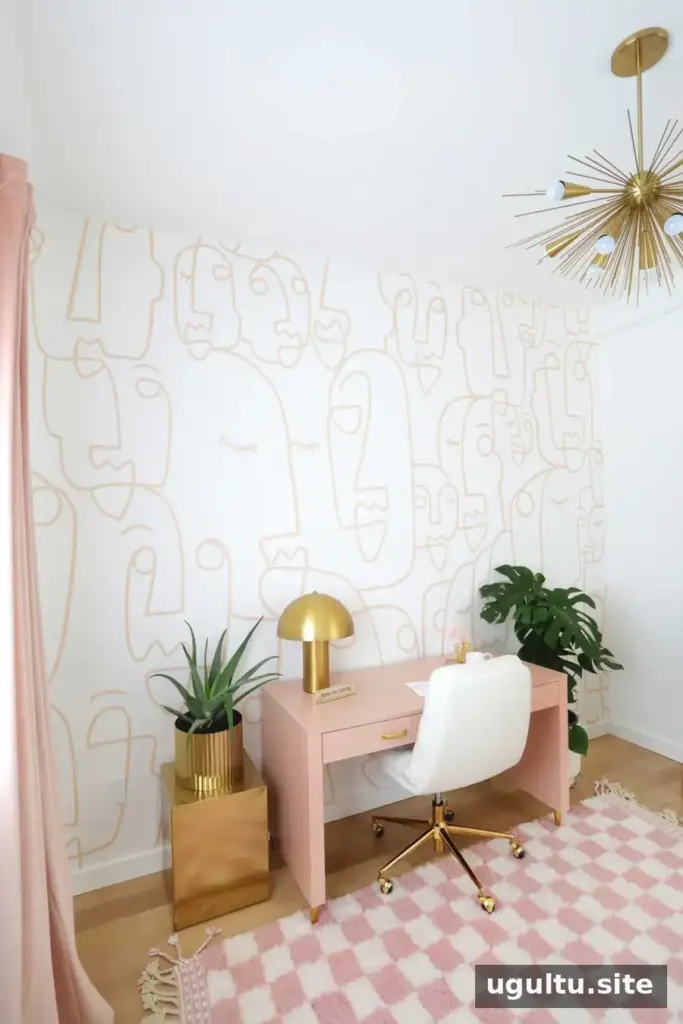
Keep the rest of the room in mind, too. Repeating one or two colors from the wallpaper in nearby textiles or accessories can help the design feel connected to the space. Avoid adding several competing patterns if you want the wall to remain the main focal point.
More accent wall inspiration
Different techniques can create a focal point without wallpaper. Ideas include a painted corner, decorative trim, paneling, or a stamped pattern. Choose an approach that fits your room, the finish you want, and how easily you may want to update it later.
- Painted corner accent wall
- Simple painted accent wall designs
- Decorative trim accent wall
- Statement wall ideas
- Stamped pattern as a wallpaper alternative
Frequently asked questions
Can a room have two accent walls?
Usually, one focal wall is enough in a single room. Two equally prominent feature walls can compete for attention, although a larger or open-plan space may allow more than one feature when the design is carefully balanced. In a typical room, choose the wall that best supports the layout and main focal point.
Does an accent wall have to use wallpaper?
No. A different paint color, wood, or decorative paneling can also create an accent wall. Paint is generally straightforward to update, while wallpaper options vary in how easily they can be removed. Wood and paneling may take more work to change, so consider how long you want the finish to last.
Conclusion
A wallpaper accent wall is a good choice when you want a clear focal point, want to enjoy a pattern without using it throughout the room, or prefer to start with a smaller installation. Choose a visible wall, check how the design looks in the room’s lighting, and prepare the surface before you begin. With a thoughtful pattern and placement, a wallpaper accent wall can add character while keeping the overall space balanced.


